
Review · PORTUGAL BIRDWATCHING TOURS
Óbidos: Lagoon Birdwatching Tour with Local Biologist
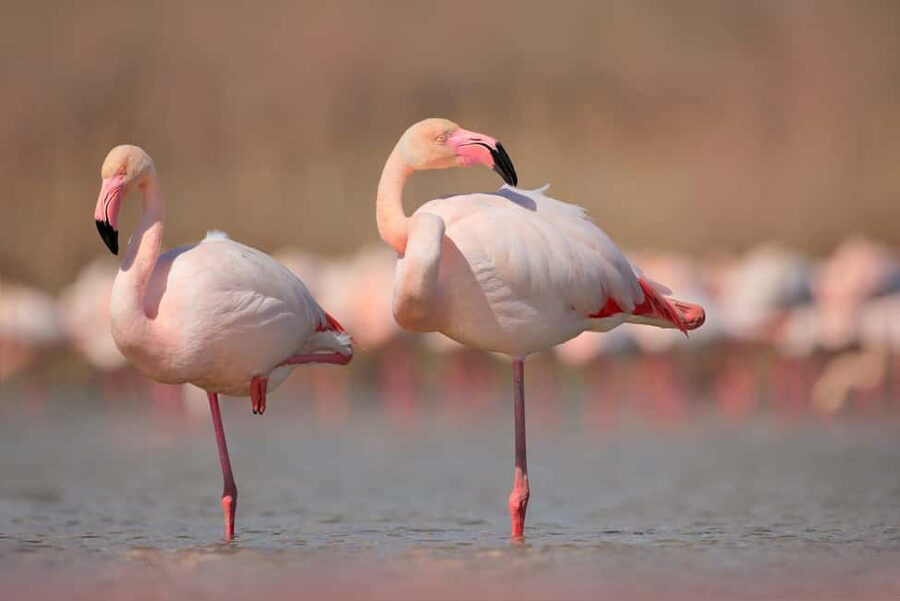
Óbidos Lagoon gives you a sharp change of mood just beyond the medieval town. In two quiet hours, you move from stone walls and souvenir shops to reed beds, sandy shores, tidal water, and birds feeding at the edge of Portugal’s largest coastal lagoon. The guide helps you notice more than pink flamingos. You may learn a bird by its call, flight pattern, or patient hunting style.
I especially like the private-group format, which should make it easier to stop when a bird appears and ask questions without keeping pace with strangers. I also like that binoculars are supplied and that the guide can identify birds by sound, a useful skill when a small bird stays hidden in the reeds. The main drawback is mobility: this experience is not suitable for people with mobility impairments, and the birding depends on tide, season, weather, and luck.
Key points
- A peaceful change from Óbidos: Start at Porta da Vila, then trade the town’s walls for the open waters and reed beds of the lagoon.
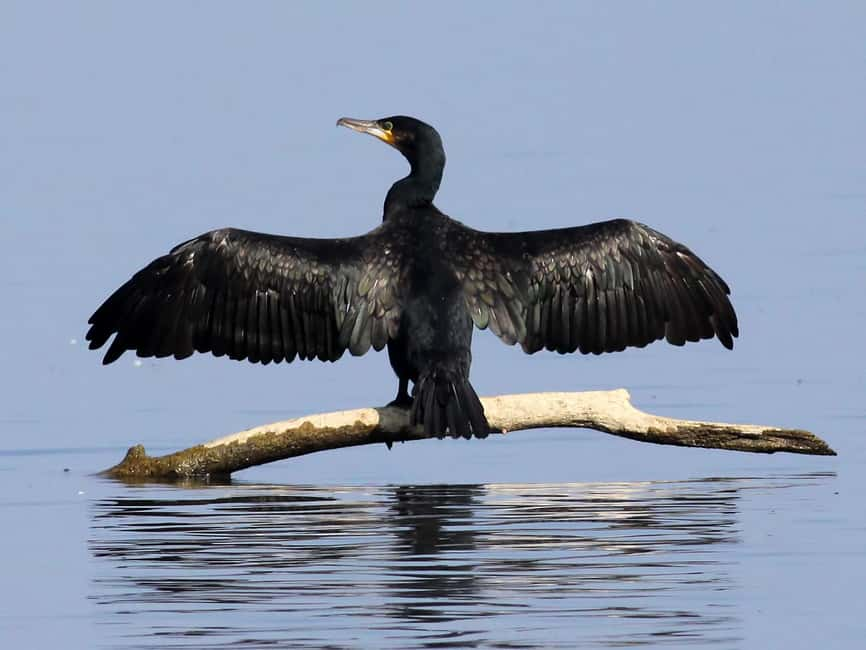
- Birds by sight and sound: Look for flamingos, great egrets, spoonbills, cormorants, kingfishers, grebes, ducks, kestrels, and grey herons.
- A guide-led approach: Learn to read silhouettes, colors, flight patterns, calls, and feeding habits rather than simply ticking off names.
- A story shaped by the tides: Hear how the lagoon stays linked to the Atlantic through the channel known as the Aberta.
- Good value for focused nature time: At $47 per person, the two-hour private experience includes a local guide, binoculars, and interpretation.
- Best for patient observers: Wear neutral colors, move slowly, and bring weatherproof clothing and a camera.
From Porta da Vila to a very different Óbidos
The meeting point is Porta da Vila, Óbidos’s familiar gateway. From there, the experience shifts away from the town’s medieval character and toward the lagoon. The contrast is part of the appeal. You do not need a full day to add a nature outing to an Óbidos visit, and the two-hour length fits neatly before or after time inside the town.
This is not a fast sightseeing stop with a long list of landmarks. You arrive at a quiet viewpoint and let your eyes adjust. Shallow water, mudflats, reeds, and sandy edges offer different places for birds to feed, rest, and nest. The setting rewards patience, so you should expect pauses rather than constant movement.
The tour returns to Porta da Vila after two hours. Transportation details beyond the stated start and finish are not provided, so confirm the meeting instructions when you book. The key point is that the activity begins and ends in Óbidos, not at a separate attraction that requires you to arrange your own return.
A few more birdwatching trips around Portugal worth a look
- Faro: Eco-Friendly Ria Formosa Bird Watching in Solar Boat
★ 4.7 · 359 reviews - Dolphin – Whale – Turtle – Bird Watching
★ 5.0 · 350 reviews - Faro: Ria Formosa Natural Park Segway Tour & Birdwatching
★ 4.9 · 180 reviews
Why the lagoon matters
Óbidos Lagoon is connected to the Atlantic by a channel called the Aberta. That opening is not just a scenic detail. It allows ocean water to enter the lagoon, helping renew its waters and shaping the feeding areas used by birds.
The channel has needed regular human attention for centuries. In medieval times, local communities opened it by hand with hoes and ox-drawn carts when natural silt closed the passage. The work also helped drain nearby farmland. Today, mechanical equipment handles the job because the channel continues to collect silt.
I like this part of the tour because it links birdwatching to ordinary life. You are not looking at an untouched place separated from people. The lagoon exists in its present form through an ongoing balance between tides, sediment, farming, and maintenance. That makes each bird sighting part of a larger story.
The lagoon also has unusual regional importance. Three major lagoons once existed in this area, but Óbidos is the one that survived the coastline’s long transformation. Your guide can explain this connection between the lagoon and the ocean while you look across the water, giving the view a practical meaning instead of treating it as scenery alone.
What you do during the two-hour visit
The activity begins with orientation from the guide at a quiet viewpoint. You receive binoculars and learn how to scan the lagoon without rushing. The guide may point out how low tide exposes feeding areas, while changing water levels create different views from day to day.
You will be encouraged to observe birds through several clues:
- Silhouette and body shape
- Plumage color
- Flight pattern
- Feeding behavior
- Calls and other sounds
- Where the bird is positioned in the wetland
That approach matters if you are new to birdwatching. A flamingo is easy to recognize at a distance, but a small grebe or a duck among reeds can be harder. Learning what to listen for makes the activity more rewarding than simply receiving a list of names.
The guide’s ability to distinguish birds by sound is a particular strength. You may hear a bird before you see it, then try to locate it through the reeds or along the water. That can turn a quiet pause into the most satisfying part of the outing.
The group is private, which gives the guide room to adjust the pace. If you are keen on photography, you can spend more time framing a shot. If you are more interested in the lagoon’s story, you can ask about the Aberta and the changing water. The experience is still only two hours, so it cannot cover every corner of the lagoon, but the private format should keep the time personal.
Birds you might see at the lagoon
Flamingos are often the first birds to catch your eye. At low tide, whole groups may feed in shallow water, their pink bodies easy to pick out against the lagoon. They can make a striking photograph, but do not expect them to pose on command. Their position and visibility change with the conditions.
The great egret brings a different kind of drama. This tall white bird moves slowly along the shore, watching for prey. Its stillness makes it easy to miss at first, then hard to ignore once the guide shows you where to look.
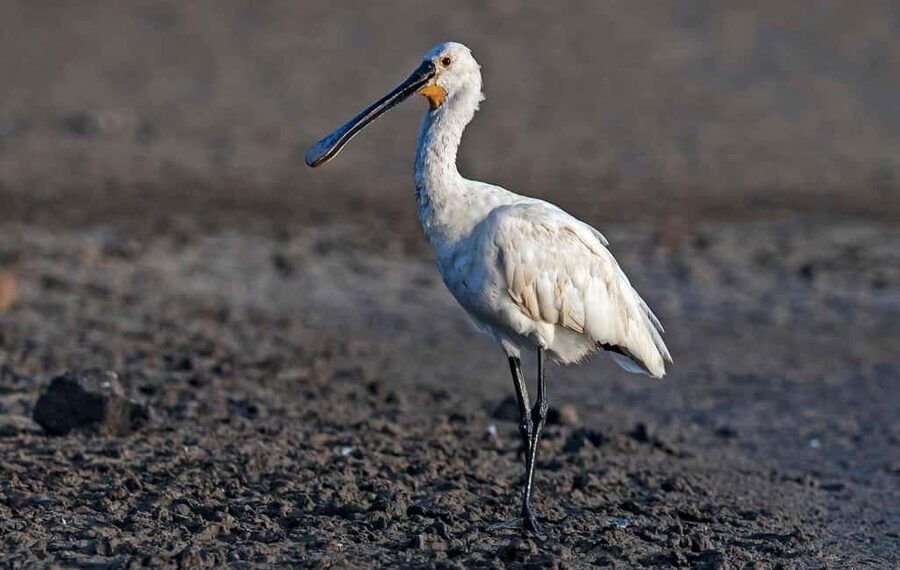
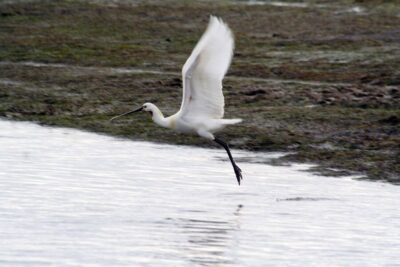
An Eurasian spoonbill is recognizable by its broad, spoon-shaped bill. It sweeps the water from side to side while feeding, a behavior that is more memorable than a name alone. Ask the guide to point out this motion if you are learning the species for the first time.
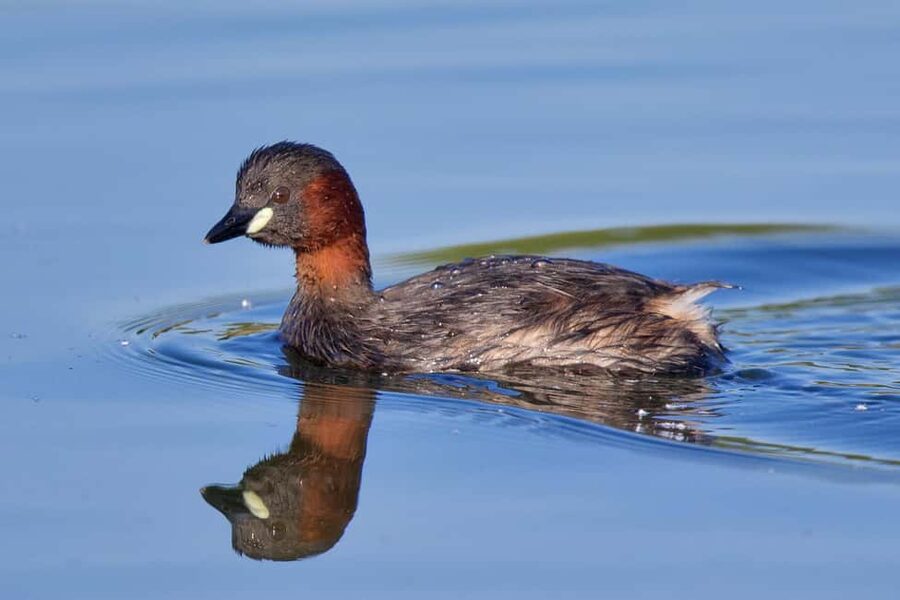
Cormorants are active fishers, using the lagoon water to catch food. You may see one disappear below the surface and reappear farther away. Little grebes are smaller and repeatedly pop up after short underwater searches, so binoculars help you keep track of them.
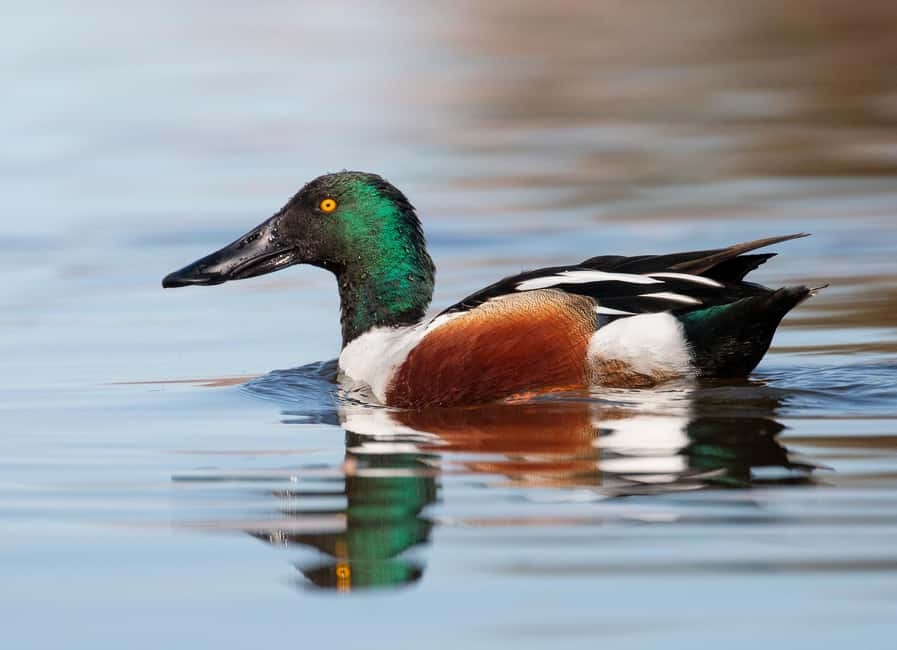
A kingfisher can be a quick flash of blue above the water. It may be difficult to follow, but that is exactly where the guide’s patience and local experience help. Northern shovelers have wide bills that make them easier to identify once you know the feature to watch for.
Above the fields, a common kestrel may hover while scanning for prey. Near the water, a grey heron can wait in total silence, offering a fine lesson in patience. The bird list is varied enough to keep beginners interested, while the guide’s attention to sound and behavior gives experienced birdwatchers something to work with.
No particular species is guaranteed. The lagoon changes with the season, tide, weather, and daily conditions. That uncertainty is part of birdwatching, but it is also the main reason to book this as a nature experience rather than as a fixed animal show.
Same place, a different morning in the field:
- Ria Formosa Natural Park Birdwatching Segway Tour from Faro
★ 5.0 · 164 reviews - Lisbon: Tagus Estuary Nature Reserve Birdwatching Boat Tour
★ 4.9 · 117 reviews - 2-hour Bird Watching Guided Boat Trip in Ria Formosa from Faro Algarve
★ 4.5 · 75 reviews - Faro: Ria Formosa Eco Birdwatching Boat Tour
★ 4.6 · 73 reviews
A calm outing for photographers and first-time birdwatchers
You do not need to arrive as a serious birder. The guide explains what to look for, and binoculars are provided. If you have never used binoculars for wildlife, the two-hour format gives you time to practice without making the activity feel like a technical class.
Photographers should bring a camera and plan around the light. Sunrise and sunset are identified as the best moments for photography, so ask about available starting times if soft light matters to you. The activity is not presented as a dedicated photography workshop, but the lagoon’s open water, birds, and changing tide can give you strong subjects.
Wear neutral colors and move slowly. Bright clothing and sudden movements can make wildlife harder to observe. The instruction not to touch plants is simple but important, especially around reed beds and other areas that provide shelter for birds.
Weather-appropriate clothing is essential. A lagoon can feel exposed, and the conditions may change during a short visit. Comfortable shoes are also recommended. You should think of this as an outdoor walk with extended observation, not as a casual stroll through town.
The experience is not suitable for people with mobility impairments. The supplied information does not describe the exact walking surface, distance, or seating arrangements, so ask for more detail if you have specific access needs.
What $47 gets you
At $47 per person, the price is reasonable if you want focused instruction and a private setting rather than simply visiting the lagoon on your own. The cost includes the two-hour birdwatching experience, an experienced local guide, and binoculars.
The binoculars matter. Good wildlife viewing is difficult without magnification, and renting or carrying your own equipment can add hassle. The guide’s role matters just as much. A quiet wetland can look empty until someone points out a heron, explains a bird’s call, or shows you how a spoonbill feeds.
Value depends on your expectations. If you want a packed sightseeing schedule, this will feel slow. If you enjoy watching a place reveal itself, the pace is the point. A private group also gives you a better chance to ask questions and choose between photography, bird identification, and the lagoon’s human story.
Two hours is enough for an introduction and a useful sampling of habitats. It is not enough to guarantee every species or cover the whole lagoon. I would see the price as payment for local interpretation and equipment, not simply for access to a viewpoint.
Languages, timing, and flexibility
The guide speaks English and Portuguese. That makes the tour practical for international visitors and Portuguese-speaking participants alike. Check the available start times before booking, especially if you want the softer light of early morning or late afternoon.
The activity allows cancellation up to 24 hours before the start for a full refund. You can also reserve now and pay later, which helps if your Óbidos plans are still shifting. These terms are useful, but the larger planning question is weather. Birdwatching can continue in less-than-perfect conditions, yet a comfortable forecast will make the slow pace more enjoyable.
The tour is a private group, so the experience should feel more adaptable than a large coach excursion. Still, the supplied details do not give a maximum group size. If the number of people in your party matters, confirm it before paying.
Who will enjoy this most
I would choose this outing if you want a quiet break from historic sightseeing. Óbidos is famous for its walls and medieval setting, but the lagoon shows another side of the area. The change in atmosphere is quick and striking.
This is a good match for:
- Birdwatchers who want local help identifying species
- Beginners who want binoculars and simple guidance
- Photographers looking for birds and open wetland views
- Couples or families who prefer a private activity
- Nature lovers who enjoy quiet observation
- Anyone interested in how tides and human work shape a lagoon
It is less suitable if you dislike waiting, want a guaranteed wildlife encounter, or need a fully accessible outing. It may also disappoint you if you expect a dramatic, fast-moving adventure. The reward comes from paying attention to small details.
The strongest reason to book is the guide’s close observation of bird calls. The friendly manner and calm setting add to that appeal, but the ability to identify birds by sound can change how you experience the lagoon. You begin listening as well as looking.
Should you book the Óbidos Lagoon birdwatching tour?
Book it if you have two free hours in Óbidos and want an experience that feels different from town sightseeing. The private format, supplied binoculars, local guide, and access to several wetland habitats make $47 a fair price for a focused nature outing.
Go with realistic expectations. Flamingos may be present, but no species is guaranteed, and the best moments depend on tide and weather. Wear subdued clothing, bring your camera, and accept that a quiet pause may be the main event.
I would especially recommend it to first-time birdwatchers and photographers who want help noticing what they might otherwise miss. If mobility is a concern, ask detailed questions before booking. For everyone else, this is a gentle, informative way to see why Óbidos is more than its medieval walls.
FAQ
Where does the birdwatching tour start and finish?
The tour starts at Porta da Vila in Óbidos, visits Óbidos Lagoon for two hours, and returns to Porta da Vila.
How long does the experience last?
The birdwatching experience lasts two hours. Check available starting times when booking.
What languages does the guide speak?
The live guide speaks English and Portuguese.
Are binoculars provided?
Yes. Binoculars are provided as part of the birdwatching experience.
What birds might I see?
Possible sightings include flamingos, great egrets, Eurasian spoonbills, cormorants, kingfishers, little grebes, northern shovelers, common kestrels, and grey herons.
What should I bring?
Bring comfortable shoes, a camera, and clothing suitable for the weather. Wearing neutral colors is recommended. Binoculars are provided, though the activity information also lists binoculars among the suggested items to bring.
Can I cancel the booking?
You can cancel up to 24 hours in advance for a full refund. The activity also offers a reserve-now, pay-later option.
Just added around Portugal
- Visit to Madeira Bird Island★ 4.6 · 22 reviews
- Vila Franca do Campo: Marine Life & Bird Watching & Islet Tour★ 4.4 · 9 reviews
- Azores Marine Birdwatching Expedition w/ Biologist Guide★ 4.5 · 19 reviews
- Birdwatching Private Tour at Fascinating Salgados Lagoon★ 5.0 · 6 reviews
- Private Birdwatching from Porto★ 5.0 · 33 reviews
- Bird Watching in Albufeira Lagoon★ 5.0 · 2 reviews
- Birdwatching day around Sagres★ 5.0 · 3 reviews
- Birdwatching at Ria de Alvor★ 5.0 · 2 reviews
Portugal Birdwatching Tours, compared.
Faro: Eco-Friendly Ria Formosa Bird Watching in Solar Boat
Read our review →
Tagus Estuary Nature Reserve Birdwatching Boat Tour
Read our review →
2-hour Bird Watching Guided Boat Trip in Ria Formosa from Faro Algarve
Read our review →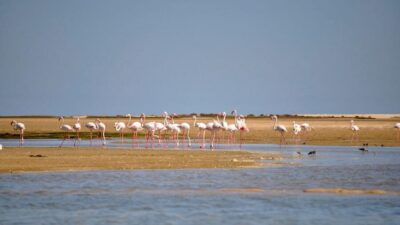
From Faro: 2-Hour Guided Bird Watching Boat Trip
Read our review →
Birdwatching in Ria Formosa – Eco Boat Tour from Faro
Read our review →
Stork Transfers – Private Transfer From Albufeira to Faro Airport (up to 4 pax)
Read our review →Browse the lists this tour appears in