
Review · PORTUGAL BIRDWATCHING TOURS
Faro: Eco-Friendly Ria Formosa Bird Watching in Solar Boat
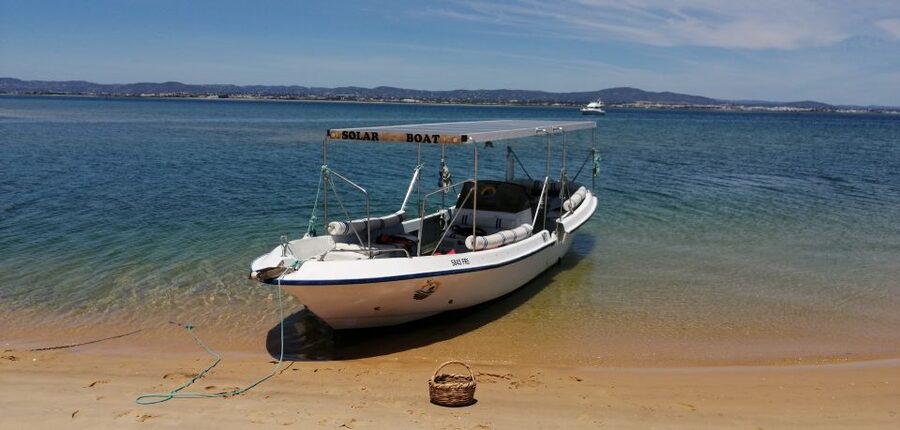
The best part of this Faro outing is the nearly silent solar boat. It slips through the Ria Formosa’s narrow saltwater channels without the growl of a motor, giving you a better chance to watch birds feeding, calling, and hunting. I especially like the expert bird spotting and the small group size, but bird numbers and sightings depend on tides, weather, and the season.
I also like that this is more than a quick boat ride. You learn how the marsh works, how its three-meter tidal swing feeds fish and shellfish, and why migratory birds return year after year. The main caution is simple: this is not a guaranteed flamingo trip, and finding the kiosk and parking near Rua da Porta Nova can take extra time.
Key points to know before you go
- Quiet solar-powered boat: The smooth, low-noise vessel lets you approach birds with less disturbance than a standard motorboat.
- Excellent local guides: Guides including Sebastian, Iris, Andre, and Miguel are praised for spotting distant birds and explaining the marsh in several languages.
- Small groups of up to 12: The limited capacity makes it easier to see through the binoculars and ask questions.
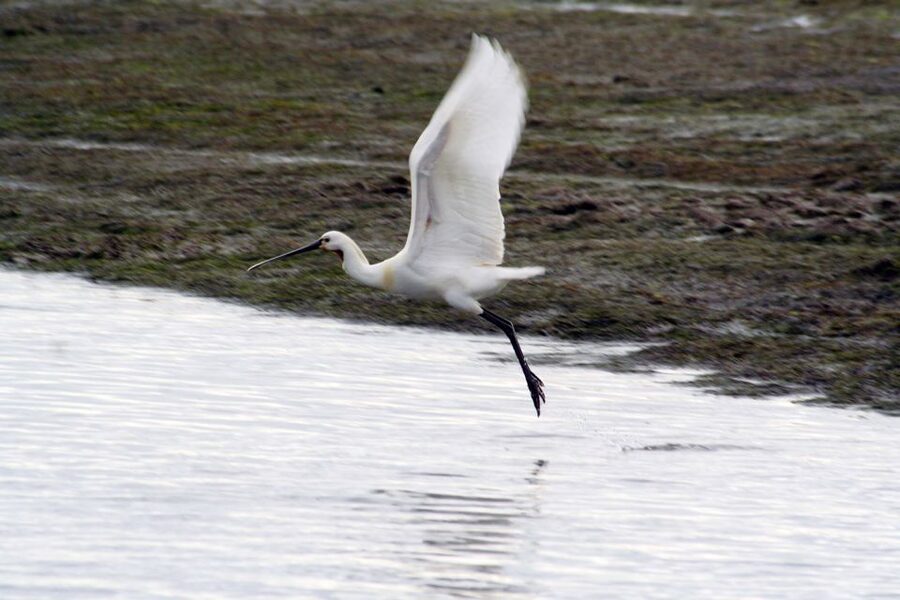
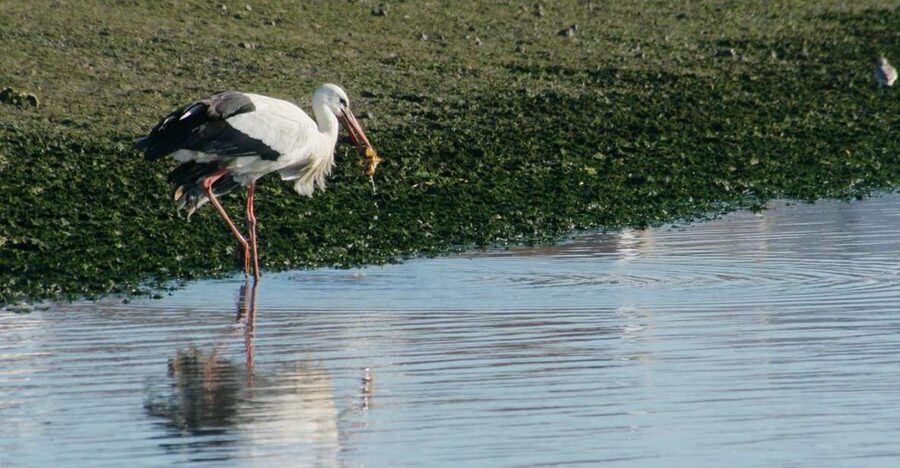
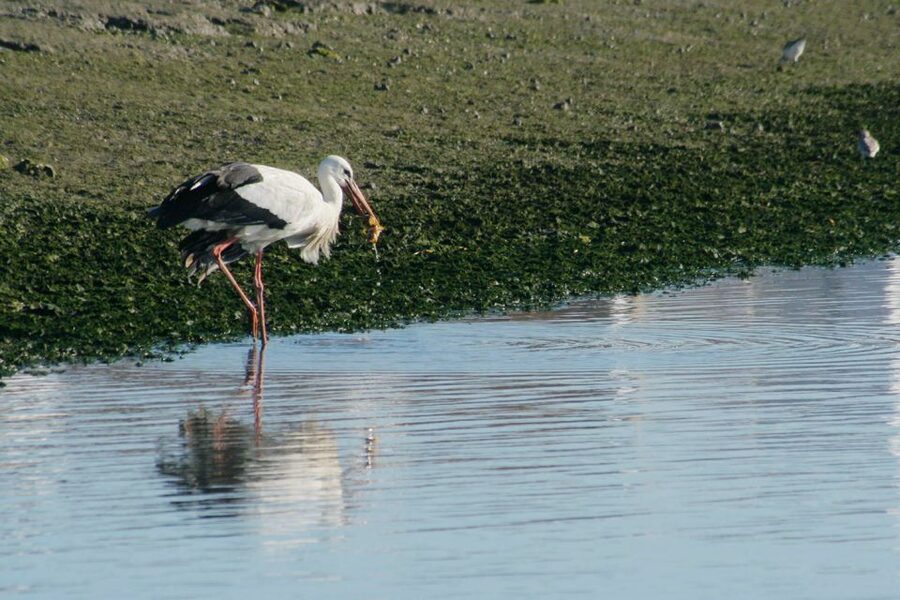
- Wildlife depends on conditions: You might see ospreys, herons, spoonbills, storks, kingfishers, flamingos, and many shorebirds, but no sighting is promised.
- Two hours on the Ria Formosa: The trip is long enough for a relaxed look at the canals without taking up a full day in the Algarve.
- Bring water and sun protection: Food and drinks are not provided, and the tour may be canceled in poor weather.
Setting out from Faro’s Rua da Porta Nova
The tour begins at R. da Porta Nova, 8000-250 Faro. Look for the only kiosk in the area with bird-watching advertising. That detail matters because the waterfront can be confusing, and one person found the quay difficult to locate at first.
I would arrive early, especially if you are driving. Parking in the area can be difficult, and you may need to walk to the meeting point. There is no transfer from your hotel, so plan your own way there.
The boat carries no more than 12 people. That is a useful middle ground: small enough for personal attention, but not so private that the trip becomes expensive. On quieter departures, you might share the boat with only a few people. If you are serious about birds, ask questions early and keep your binoculars ready when the boat slows near the marsh edges.
The vessel has shade, a detail that becomes important under the Algarve sun. Wear comfortable clothes, bring sunscreen, and carry water. You can bring food and snacks, but do not expect refreshments on board.
A few more birdwatching trips around Portugal worth a look
- Dolphin – Whale – Turtle – Bird Watching
★ 5.0 · 350 reviews - Faro: Ria Formosa Natural Park Segway Tour & Birdwatching
★ 4.9 · 180 reviews - Ria Formosa Natural Park Birdwatching Segway Tour from Faro
★ 5.0 · 164 reviews
The Ria Formosa changes every six hours
The Ria Formosa is not a fixed sheet of water. The tide rises and falls by about three meters every six hours, constantly changing the channels, mudflats, feeding areas, and visible shorelines.
That tidal rhythm explains why the same route can feel different from one departure to another. At one point, birds may be feeding in shallow water. Later, the rising tide can push them toward another part of the marsh. Your guide reads these conditions and looks for active wildlife rather than simply following a sightseeing route.
The marsh also supports local fishing and shellfish production. This is not just scenery for a boat ride. It is a working ecosystem that helps support local livelihoods while providing food for resident and migrating birds.
Your guide explains these links in practical terms. You learn why shallow saltwater channels matter, how shellfish fit into the food chain, and why the area draws birds back each year. That context gives the birds more meaning than a simple list of names.
A slow route through saltwater canals
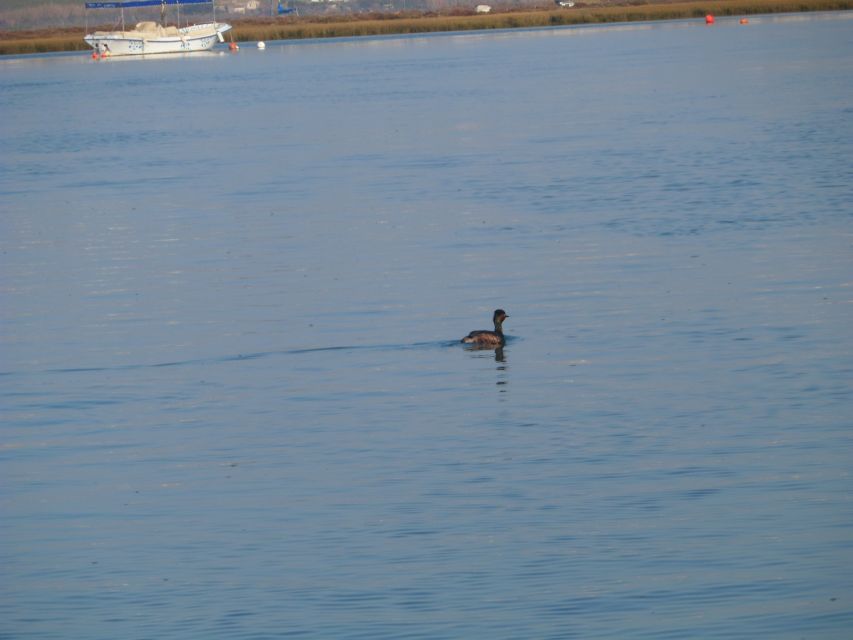
Once underway, the boat enters the network of canals and marsh channels. The pace is intentionally gentle. You are not racing from one sight to the next, and the quiet motor allows long stretches when the main sounds are bird calls and the water moving around the hull.
The boat’s low noise is one of its biggest advantages. It can move closer to birds without the loud engine note of a conventional craft, although your guide still needs to respect distance and the animals’ behavior. The result is a calmer way to observe the marsh, with fewer distractions and more time to watch.
Keep your eyes on the edges of the channels. Waders often feed in shallow water, while raptors may circle above or perch nearby. Depending on the day, you might see an osprey hunting, a heron catching fish, or a kingfisher moving quickly across the water.
An osprey sighting can be especially rewarding. One outing included an osprey catching a fish, circling close to the boat, and then carrying its meal to a resting place. Another group watched a male osprey eat for nearly half an hour. These moments cannot be scheduled, but the guide’s ability to spot movement greatly improves your odds.
Bird identification with binoculars and field guides
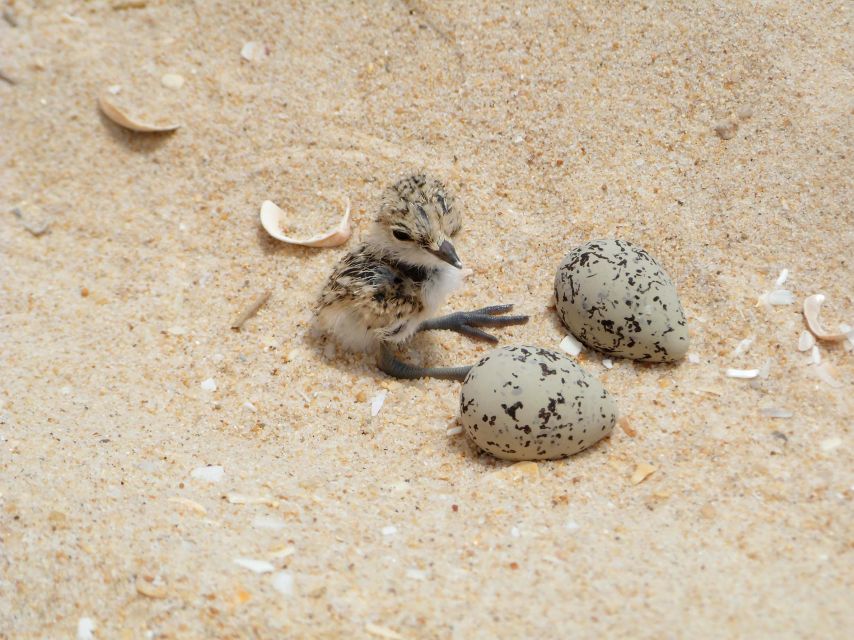
Binoculars and local fauna and flora guides are included. That makes the outing easier for casual bird watchers who did not pack equipment, and it gives beginners a way to follow the guide’s observations.
The guides are not simply steering the boat. They scan distant silhouettes, point out behavior, and explain what you are seeing. Sebastian is praised for his ability to track wildlife, while Iris is known for spotting birds at long range and keeping the trip light and friendly. Andre has explained both bird life and local background, and Miguel has also led informative trips.
The staff can guide in Portuguese, English, and Spanish. Their language ability is helpful in a small boat, where questions often come up quickly and the guide may be pointing in one direction while describing behavior in another.
You might see:
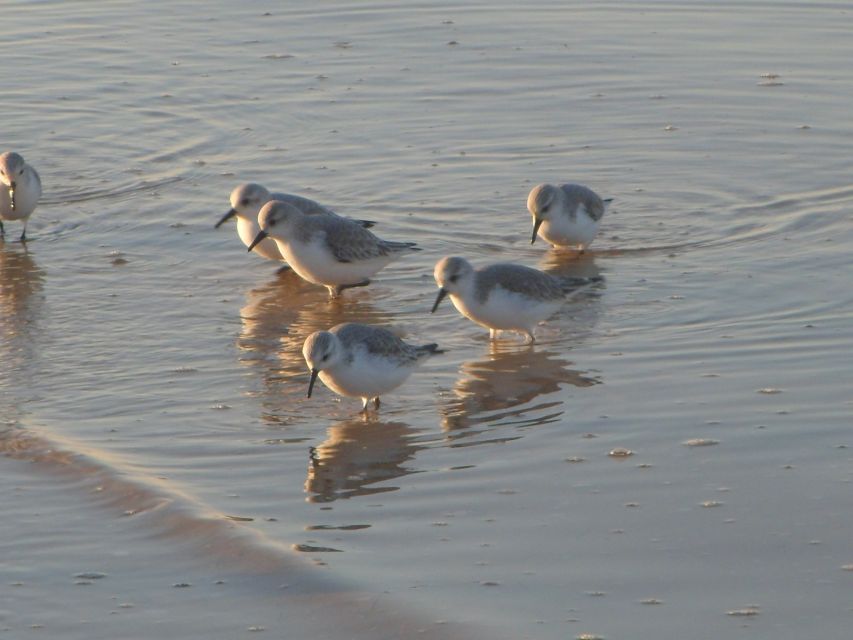
- Ospreys and marsh harriers
- Herons and white storks
- Spoonbills and oystercatchers
- Kingfishers and ruddy turnstones
- Flamingos, depending on conditions and location
- Other waders and shorebirds feeding around the marsh
There is a small practical limitation. One person found that there were not enough monoculars for everyone and would have liked a photo book for identifying birds. The supplied binoculars and reference material are useful, but if you own compact binoculars, bringing them could make the experience easier.
Same place, a different morning in the field:
- Lisbon: Tagus Estuary Nature Reserve Birdwatching Boat Tour
★ 4.9 · 117 reviews - 2-hour Bird Watching Guided Boat Trip in Ria Formosa from Faro Algarve
★ 4.5 · 75 reviews - Faro: Ria Formosa Eco Birdwatching Boat Tour
★ 4.6 · 73 reviews - From Faro: 2-Hour Guided Bird Watching Boat Trip
★ 4.6 · 71 reviews
Nests, feeding grounds, and the working marsh
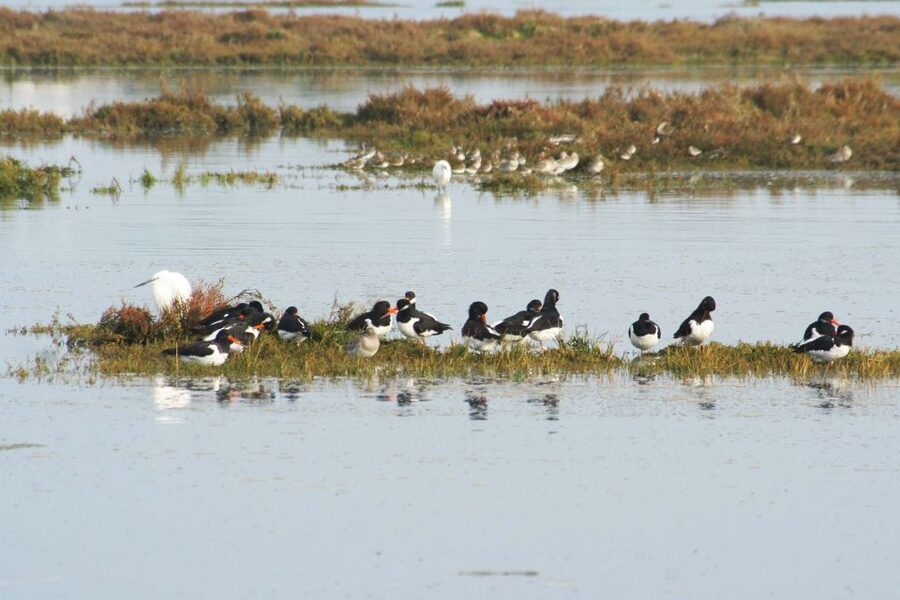
The route gives you a chance to see bird nests in the Ria Formosa National Park. The sight of dozens of nests helps explain why this protected area matters. You are not just looking at isolated birds. You are seeing part of a breeding and feeding system spread across channels, mudflats, and low marsh vegetation.
The guide may also point out hunting behavior. Predatory birds use the open spaces around the channels to search for fish and smaller animals. Shorebirds work the mud and shallows, while larger birds patrol or wait for an opportunity.
The marsh’s food supply depends on the tide. As water moves in and out, it carries nutrients and exposes feeding areas. That makes the timing of your trip relevant. A low tide may reveal more muddy feeding ground, while a higher tide can change where birds gather.
You should not judge the trip only by the number of species checked off. The best moments may involve watching one bird feed, call, or circle overhead. The quiet boat gives you time to notice those details instead of rushing toward the next photo.
Why the solar boat improves the experience
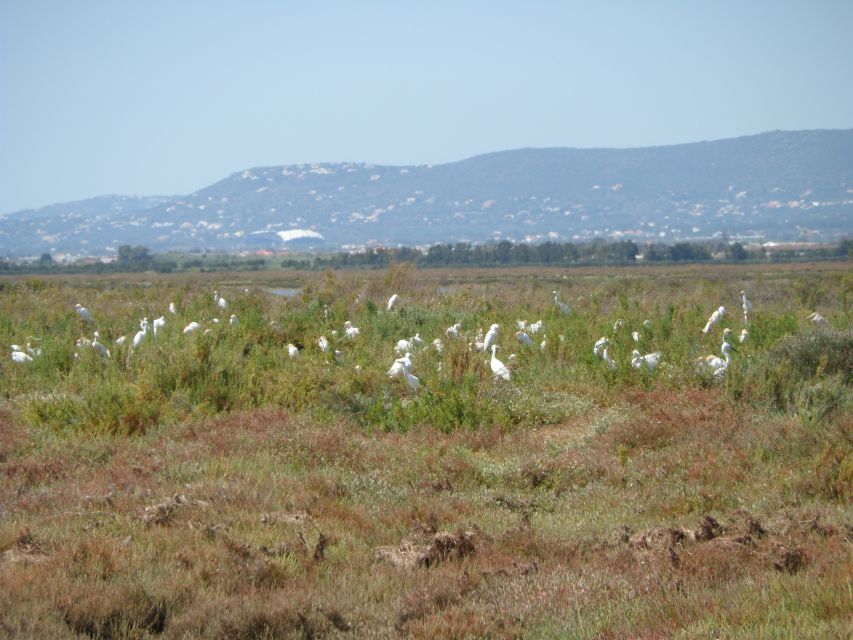
The solar power is not just a marketing label. It changes the feel of the outing.
A conventional engine can dominate a quiet marsh. You hear the motor, feel the vibration, and often need to raise your voice to speak. Here, the boat moves with quiet ease, which makes it easier to listen for birds and watch without startling them.
The boat is also smooth and shaded, based on the details provided by past passengers. That combination works well for a two-hour trip. You can settle in, observe the channels, and avoid the fatigue of a noisy, fast excursion.
The environmental choice fits the setting. You are visiting a delicate wetland, so using a cleaner vessel feels consistent with the purpose of the trip. It does not mean the boat has no impact, but it offers a gentler alternative to a louder combustion-engine ride.
I would choose this tour over a faster general sightseeing cruise if wildlife is your priority. The tradeoff is speed. You are paying for quiet observation, not for a broad, rapid tour of every corner of the park.
How much the $47 price buys you
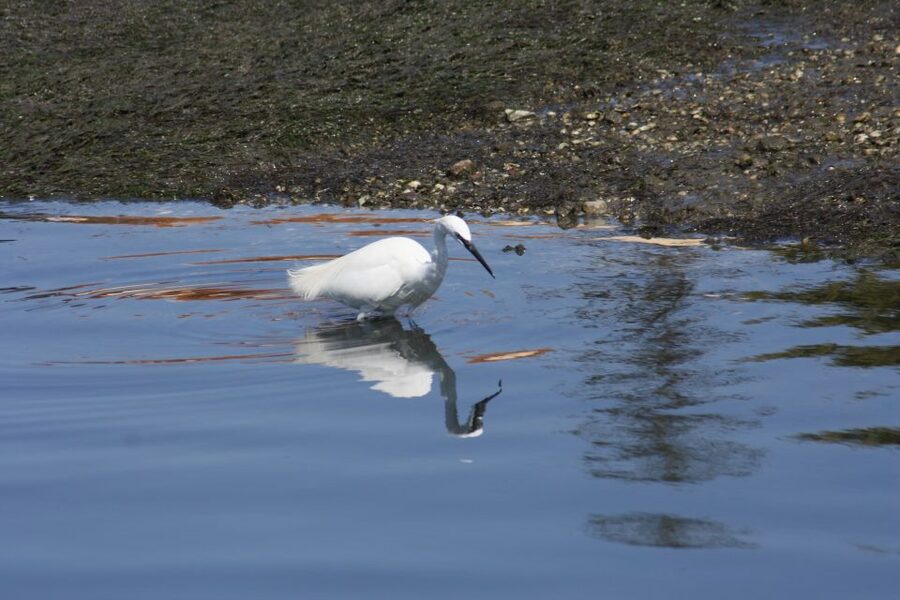
At $47 per person for two hours, this is a fair price if you value a specialist guide, included binoculars, and a small group. The price also includes the solar boat and a local guide who can identify birds and explain the ecosystem.
A larger sightseeing cruise may cost less per person, but it may not offer the same close attention or quiet approach. A private boat would give you more control, but it would usually cost much more. This trip sits between those options.
The value is strongest for couples, solo visitors, and small families who want a focused nature activity without giving up half a day. It is also a sensible choice if you are staying in Faro and want an outing that starts in town rather than requiring a long transfer.
The price feels less worthwhile if you mainly want a guaranteed flamingo sighting or a scenic boat ride with little explanation. Flamingos can appear, and some outings have included them, but they favor salt plain areas and are not assured on this route. For reliable results, book this because you want to observe a living wetland, not because you expect a particular bird.
Timing, weather, and what to pack
The tour lasts two hours, with departure times varying by availability. Since the tide shapes the marsh, the time of day can affect what you see. If you have flexibility, ask which departure gives the best conditions for bird activity.
Weather can also change the plan. The trip may be canceled if conditions are unfavorable, and you should be notified in advance. That is a reasonable safety measure for a small boat, though it means you should avoid scheduling this as your only activity on the final day of a short Faro stay.
Bring:
- Water
- Snacks or food
- Sunscreen
- Comfortable clothes
- Your own binoculars, if you have them
- A light layer if you are sensitive to wind on the water
Food and drinks are not included. The boat has shade, but do not treat that as full protection from the Algarve sun.
The activity is not suitable for wheelchair users. If mobility is a concern, check before booking rather than assuming the boat and quay will be accessible.
Who will enjoy this Faro boat trip
I would recommend it most strongly to people who enjoy birds, quiet water, and patient observation. You do not need to be an expert. The guides explain what they see, and the binoculars and reference material help beginners follow along.
It also suits anyone who wants a slower break from Faro’s streets and historic center. The outing is peaceful, but not empty. The changing tide, working shellfish areas, bird calls, and hunting behavior give you plenty to watch.
Families with older children may enjoy it if they can sit quietly and look carefully. Very young children who need constant activity may find the pace slow. The same is true for visitors seeking speed, swimming, or a packed sightseeing schedule.
Bird photographers should bring realistic expectations. The boat offers quiet access and good spotting, but this is not presented as a dedicated photography charter. You may get close views, yet light, distance, weather, and animal behavior remain outside the guide’s control.
Should you book the Ria Formosa solar boat?
Book it if you want a calm, eco-conscious way to see the Ria Formosa with a guide who pays attention to birds rather than simply circling the waterways. The strongest reasons are the quiet vessel, small group, included binoculars, and local guides such as Sebastian, Iris, and Andre, whose bird-spotting skills add real value.
Skip it if you need guaranteed flamingos, dislike waiting for wildlife, or require wheelchair access. Also allow extra time to find the Rua da Porta Nova kiosk and deal with parking.
For most visitors staying in Faro, $47 is a reasonable spend for two focused hours in one of the Algarve’s most distinctive natural areas. Go for the marsh itself, and treat an osprey, spoonbill, flamingo, or fish-catching heron as a welcome bonus.
FAQ
Where does the bird-watching boat tour start?
It starts at R. da Porta Nova, 8000-250 Faro. Look for the only kiosk with bird-watching advertising.
How long does the activity last?
The tour lasts two hours, including the boat ride through the Ria Formosa and the guided nature experience.
What languages does the guide speak?
The tour is available in Portuguese, English, and Spanish.
Are binoculars provided?
Yes. Binoculars and guides with local fauna and flora information are included.
Are food and drinks included?
No. Food and drinks are not provided on board, so bring your own water and snacks.
Can wheelchair users join the tour?
No. The activity is not suitable for wheelchair users.
Just added around Portugal
- Visit to Madeira Bird Island★ 4.6 · 22 reviews
- Vila Franca do Campo: Marine Life & Bird Watching & Islet Tour★ 4.4 · 9 reviews
- Azores Marine Birdwatching Expedition w/ Biologist Guide★ 4.5 · 19 reviews
- Birdwatching Private Tour at Fascinating Salgados Lagoon★ 5.0 · 6 reviews
- Private Birdwatching from Porto★ 5.0 · 33 reviews
- Bird Watching in Albufeira Lagoon★ 5.0 · 2 reviews
- Birdwatching day around Sagres★ 5.0 · 3 reviews
- Birdwatching at Ria de Alvor★ 5.0 · 2 reviews
Portugal Birdwatching Tours, compared.
Tagus Estuary Nature Reserve Birdwatching Boat Tour
Read our review →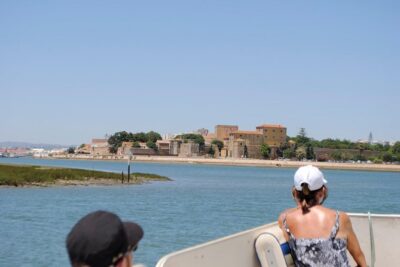
2-hour Bird Watching Guided Boat Trip in Ria Formosa from Faro Algarve
Read our review →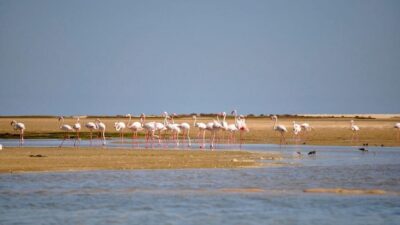
From Faro: 2-Hour Guided Bird Watching Boat Trip
Read our review →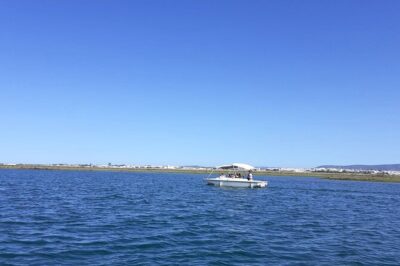
Birdwatching in Ria Formosa – Eco Boat Tour from Faro
Read our review →
Stork Transfers – Private Transfer From Albufeira to Faro Airport (up to 4 pax)
Read our review →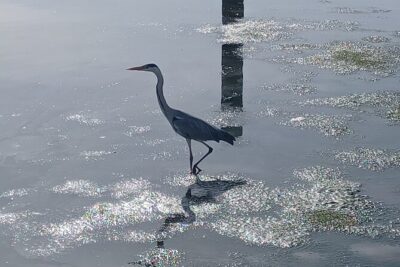
Boat Tour – Bird Observation in the Tejo Nature Reserve
Read our review →Browse the lists this tour appears in