
Review · LAGOS BIRDWATCHING TOURS
Birdwatching day around Sagres
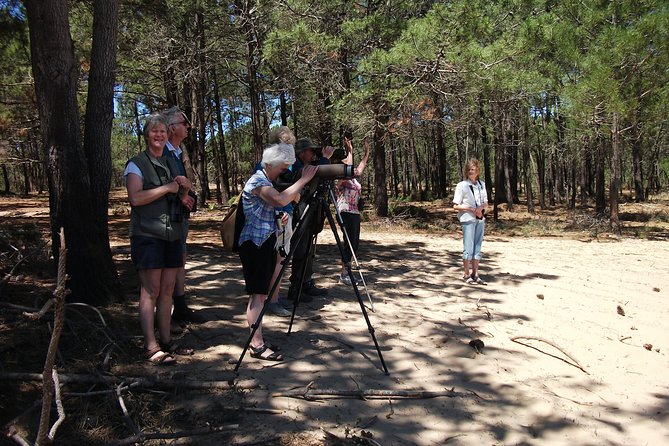
Sagres is one of Portugal’s best places to watch birds on the move, and this full-day outing takes you to several key sites around the peninsula. In autumn, birds of prey and small migrating birds pass through. In spring, breeding warblers and displaying Little Bustards add a different kind of interest. Guide Gui shapes the day around your interests, rather than rushing you from one stop to the next.
I like the small group limit of eight, which matters when you are trying to hear a quiet call or share a telescope without a crowd. I also like the combination of private transport and several habitats, from Ponta da Atalaia to Cape St Vincent and Vale Santo. The main consideration is timing: bird numbers vary with the season, and one solo outing had fewer species than expected because of the time of year.
Key points to know before booking
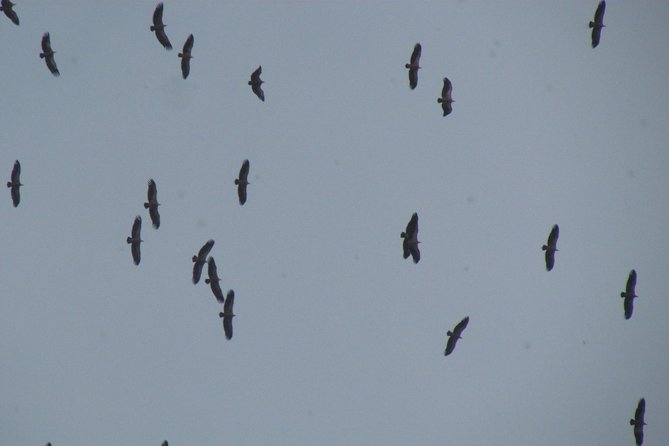
- Autumn migration is the main draw: Sagres can be a fine place to watch birds of prey and smaller migrating species.
- Spring offers a different show: Breeding warblers and displaying Little Bustards may be possible.
- Gui leads the day: He can adjust the outing to your birding interests, photography, and level of experience.
- A telescope is included: Binocular rental is possible, but it is not included in the price.
- The group stays small: A maximum of eight people makes observation calmer and more personal.
- Plan for a full morning and afternoon: The tour starts at 7:00 am and lasts about 7 to 9 hours.
Why Sagres is such a good birdwatching base
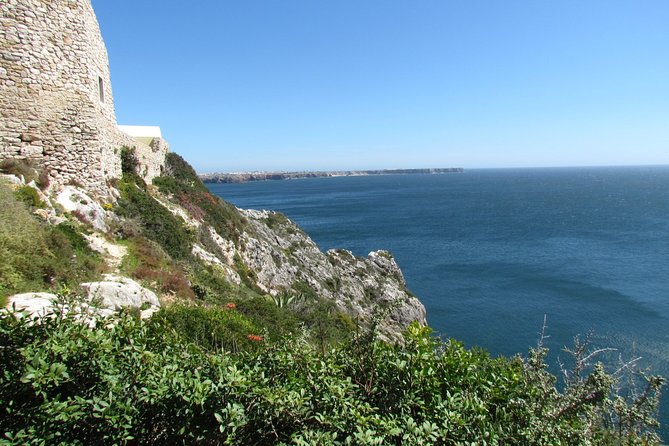
The Sagres peninsula reaches into the Atlantic at the southwestern corner of Portugal. That position gives migrating birds a reason to pass through or pause in the area, especially in autumn. Instead of spending the day in one hide or reserve, you move among several sites where terrain and vegetation can change the birds you find.
The outing focuses on Ponta da Atalaia, Cabranosa, Cape St Vincent, and Vale Santo. Each name represents a birdwatching area rather than a separate ticketed attraction, so you are paying for guiding, transport, equipment, and time in the field rather than entry fees.
I like this format for anyone who wants help reading the area. A good birdwatching day is not only about ticking species off a list. It is also about understanding why a place attracts certain birds, spotting movement at a distance, and knowing when a quiet patch of scrub deserves another few minutes.
The experience works in both spring and autumn, but the character changes. Autumn is the stronger season for migration, with the chance to see birds of prey and small birds moving through. Spring brings breeding warblers and the possibility of Little Bustards displaying. The exact variety is not guaranteed, so you should book for time outdoors and expert searching, not for a fixed list of sightings.
A few more birdwatching trips around Portugal worth a look
- Faro: Eco-Friendly Ria Formosa Bird Watching in Solar Boat
★ 4.7 · 359 reviews - Dolphin – Whale – Turtle – Bird Watching
★ 5.0 · 350 reviews - Faro: Ria Formosa Natural Park Segway Tour & Birdwatching
★ 4.9 · 180 reviews
Starting early from Lagos
The meeting point is A ROCHA LifeCruzinha, Apartado 41, 8500-132, Portugal. The start time is 7:00 am, and the day ends back at the same meeting point.
That early start is useful for birdwatching. It gives you more daylight and puts the schedule on the side of better field time rather than a late, shortened excursion. It also means you need to be ready at the meeting point in Lagos before the day properly begins.
Private transportation is included. That is a real advantage here because the birding sites are spread around the Sagres peninsula. You can focus on the guide’s explanations and the countryside instead of working out how to connect several stops by public transport or arranging your own route.
The day lasts about eight hours, with the stated range running from seven to nine hours. That flexibility makes sense for birdwatching. A useful sighting may keep you at one place longer, while a quiet patch may send the group onward. You should treat the timetable as an approximate field schedule rather than a tightly fixed series of departures.
Ponta da Atalaia and the first search
Ponta da Atalaia is one of the listed birdwatching areas on the peninsula. The value of a stop like this is the chance to begin the day by scanning open surroundings and watching for movement. With a telescope available, the guide can help you examine birds that are too far away for a quick look through ordinary binoculars.
The pace is important. You may spend time standing quietly, checking the sky, or waiting for a bird to appear again. That can be rewarding if you enjoy observation, but it is not the same as a sightseeing tour with constant activity.
Gui’s role is especially useful for newcomers. You do not need advanced birding skills to take part, and the day can suit different levels of interest. If you already know your birds, you can ask for help with identification and behavior. If you are starting out, you can use the day to learn how the guide reads habitat and flight patterns.
Photography is also possible. One solo outing included plenty of time for observation and photographs, which suggests that the schedule is not built around quick drive-by stops. Still, you should think of photography as an opportunity rather than a promise of close subjects or perfect conditions.
Cabranosa and the value of several habitats
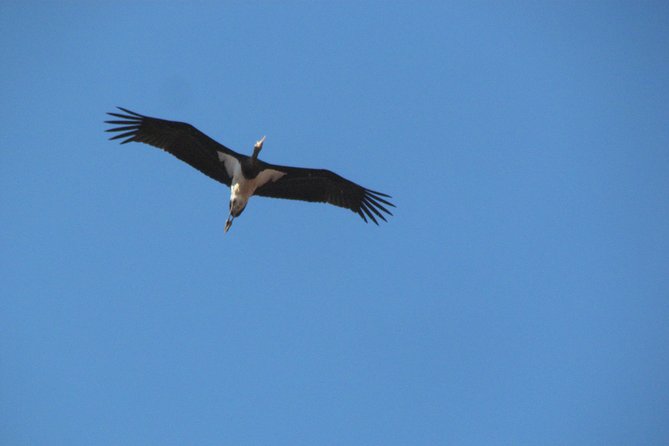
Cabranosa is another of the main birdwatching areas. Moving to a different habitat gives you a better chance of finding a wider mix of birds than staying at one viewpoint all day. It also helps you see how vegetation and terrain affect what is present.
The guide may spend longer in one area if there is activity or move on if the site is quiet. This is where a small group helps. Eight people or fewer can gather around a telescope, move without much fuss, and keep the day focused on watching rather than organizing.
You should bring patience. Bird numbers can be lower at certain times of year, and even a good site can produce a slower session. That is not a flaw in the outing so much as a basic fact of wildlife watching. One of the useful points from the solo experience is that the guide still used a variety of habitats and allowed time for observation even when the seasonal variety was limited.
That makes the trip a better choice for someone who values the process, not only a long checklist. If your only goal is to see a particular bird, you should understand that sightings depend on season, weather, and chance.
Same place, a different morning in the field:
- Ria Formosa Natural Park Birdwatching Segway Tour from Faro
★ 5.0 · 164 reviews - Lisbon: Tagus Estuary Nature Reserve Birdwatching Boat Tour
★ 4.9 · 117 reviews - 2-hour Bird Watching Guided Boat Trip in Ria Formosa from Faro Algarve
★ 4.5 · 75 reviews - Faro: Ria Formosa Eco Birdwatching Boat Tour
★ 4.6 · 73 reviews
Cape St Vincent and the far western view
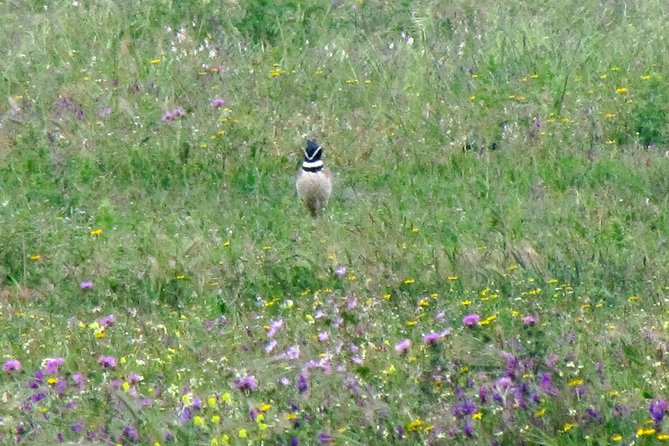
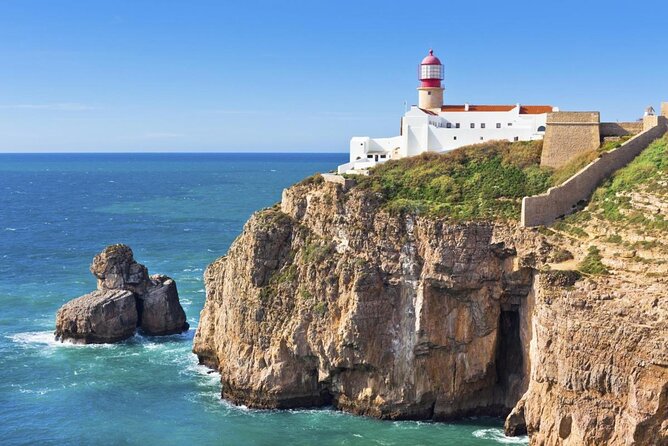
Cape St Vincent is the named stop in the route and one of the best-known points in the Sagres area. Here, the appeal is both the birdwatching and the broad coastal setting. You get a strong sense of the peninsula’s exposed position, which helps explain why the area is important during migration.
The stop is free to enter, so there is no admission charge added to the tour. The included telescope is useful at a site with open views, where birds may be visible at a distance. Gui can help you distinguish a bird in flight from a speck moving across the sky, then guide you toward details that make identification possible.
The scenery adds value even during a quiet birding spell. If the birds are not plentiful, you are still spending time at one of the region’s major coastal viewpoints. That said, this is still a birdwatching day, not a general sightseeing tour. You should expect the guide to give priority to observation rather than a long list of standard tourist stops.
Vale Santo and the spring possibility
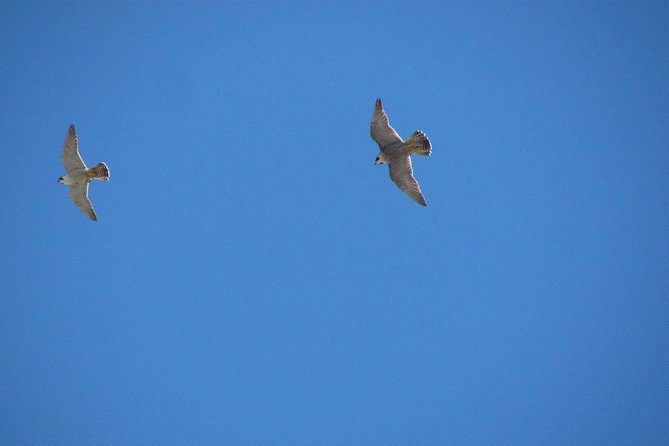
Vale Santo completes the main set of birdwatching areas named for the day. Its importance lies in giving the outing another setting in which to search for migrants, resident species, or breeding birds, depending on the season.
Spring can be especially interesting here and in the wider peninsula. Several species of warblers breed in the area, and you may have the chance to see Little Bustards displaying. These are seasonal possibilities, not guaranteed events, but they show why returning at a different time of year could produce a very different day.
I appreciate that the tour is not presented as a single-season product. Autumn favors migration, while spring changes the focus toward breeding activity. If you have flexibility, choose the season based on what you most want to see. If birds of prey are your priority, autumn is the more natural fit. If warblers and Little Bustards appeal to you, spring may be more suitable.
Gui’s guiding style and what it adds
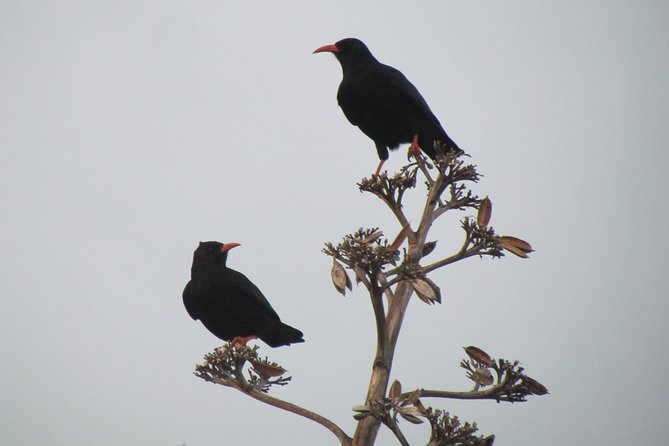
The guide is named Gui in the most detailed descriptions of the day. He can tailor the outing to your interests, and his explanations cover more than bird names. The day may include discussion of the area’s history, bird life, and vegetation, giving you a better sense of how the parts fit together.
That wider view is useful because birdwatching in Sagres depends on noticing the setting. You are not simply looking upward. You are also watching scrub, open ground, coastal areas, and the places where birds may stop during migration or breeding.
The guiding appears particularly valuable for mixed groups. A serious birder can ask detailed questions, while someone with only a general interest can learn without feeling out of place. The experience is also suitable for a solo visitor, since private transport and a planned route remove much of the work of arranging the day alone.
The supplier’s team also includes Marcial and Paula, who provide the welcome at A ROCHA LifeCruzinha. The day itself is guided by Gui, so keep those names separate when making arrangements.
What the $100.71 price gives you
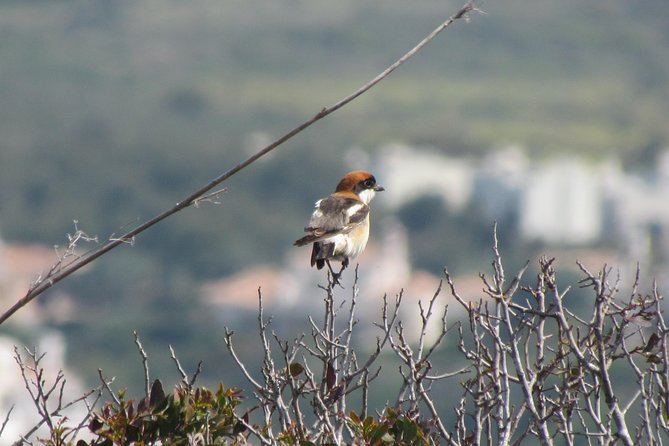
At $100.71 per person, the cost is reasonable if you want a full day of specialist guiding rather than a short walk. The price includes private transportation and use of a telescope, both of which would be difficult to replace cheaply if you arranged the day yourself.
The maximum group size of eight also improves the value. You are not paying for a large coach excursion with limited time to ask questions. You get a day built around several field locations, with the chance to stop for observation and photography.
Binoculars are not included, but rental is possible. Ask about that when booking if you do not have your own pair. Alcoholic beverages are not included, though that is hardly a concern for a 7:00 am birding start. You should plan your personal needs for a long day outdoors, while remembering that the supplied details do not specify food or drink arrangements.
The value is strongest for someone who would otherwise need to hire transport, plan a route, identify useful sites, and learn how to search them. It is less compelling if you only want a quick scenic drive around Sagres.
Weather, comfort, and practical limits
The activity requires good weather. If poor weather cancels the day, you can choose another date or receive a full refund. That condition is sensible for an outing that depends on visibility and time outdoors, but it means you should keep some flexibility in your schedule.
Free cancellation is available if you cancel at least 24 hours before the start time. Cancellations or changes made less than 24 hours before the 7:00 am start are not accepted for a refund.
Service animals are allowed, and most people can participate. The information does not give a detailed accessibility assessment, so anyone with specific mobility or comfort needs should confirm those details before booking.
Bring your own binoculars if you have them, or arrange rental. A telescope is supplied, which is particularly helpful for distant birds. Since the day may last up to nine hours, I would also plan for the demands of a long field outing rather than a short city activity.
Who should book this Sagres birding day
I would choose this experience if you want to see more than the usual sights around Lagos and prefer a day shaped by nature. It suits beginners, experienced birders, solo visitors, photographers, and anyone curious about the birds and vegetation of the peninsula.
It is a particularly good match for autumn visitors who want to look for migrating raptors and small birds. Spring visitors may prefer it for the breeding warblers and possible Little Bustard displays.
I would think twice if you need guaranteed sightings, dislike early starts, or want a quick tour with little waiting. Wildlife does not follow a script, and the day can produce fewer species outside the strongest seasonal periods. The reward is a thoughtful route, time to look properly, and a guide who can make a quiet patch feel worth investigating.
Should you book it?
Book this day if you value expert guidance, small groups, and the freedom to spend real time at several Sagres habitats. At $100.71, the private transport, telescope, long duration, and tailored attention make good sense for bird lovers.
If you are unsure about your birding ability, do not let that stop you. The day works for different levels of interest. Just choose your season carefully, accept that sightings vary, and arrive ready for an early start and a full day outside.
FAQ
Where does the birdwatching day start?
It starts at A ROCHA LifeCruzinha, Apartado 41, 8500-132, Portugal.
What time does the activity begin?
The start time is 7:00 am.
Where does the tour end?
The activity ends back at the meeting point.
How long does the experience last?
It lasts approximately 7 to 9 hours. The itinerary lists about eight hours for the birdwatching day.
What areas does the tour visit?
The birdwatching route includes Ponta da Atalaia, Cabranosa, Cape St Vincent, and Vale Santo in the Sagres peninsula.
Is transportation included?
Yes. Private transportation is included.
Is a telescope provided?
Yes. You can use a telescope during the experience.
Can I rent binoculars?
Yes. Binocular rental is possible, but binoculars are not included in the listed inclusions.
How many people can join?
The activity has a maximum of eight participants.
What happens if bad weather cancels the tour?
You can choose a different date or receive a full refund if the activity is canceled because of poor weather.
Just added around Portugal
- Visit to Madeira Bird Island★ 4.6 · 22 reviews
- Vila Franca do Campo: Marine Life & Bird Watching & Islet Tour★ 4.4 · 9 reviews
- Azores Marine Birdwatching Expedition w/ Biologist Guide★ 4.5 · 19 reviews
- Birdwatching Private Tour at Fascinating Salgados Lagoon★ 5.0 · 6 reviews
- Private Birdwatching from Porto★ 5.0 · 33 reviews
- Bird Watching in Albufeira Lagoon★ 5.0 · 2 reviews
- Birdwatching at Ria de Alvor★ 5.0 · 2 reviews
- Half-day birdwatching around Faro★ 5.0 · 2 reviews
Lagos Birdwatching Tours, compared.
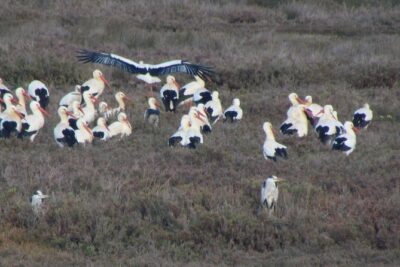
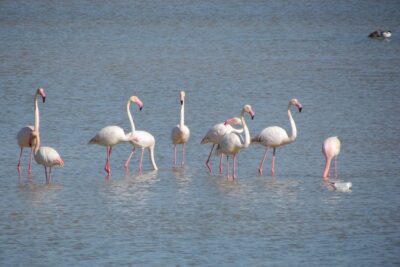
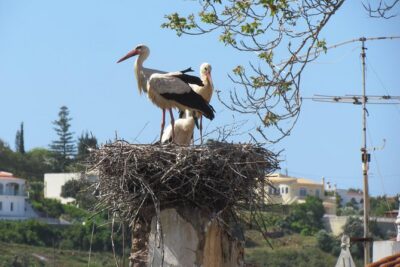
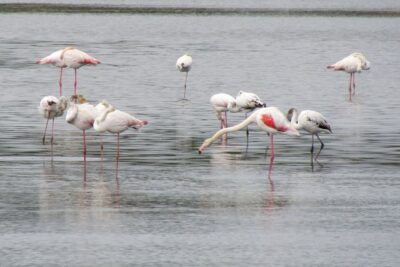
Birdwatching day in the Ria Formosa Natural Park
Read our review →
Browse the lists this tour appears in