
Review · LISBON BIRDWATCHING TOURS
Lisbon: Tagus Estuary Nature Reserve Birdwatching Boat Tour
The biggest surprise here is how quickly Lisbon gives way to open water, mudflats, islands, and bird-filled channels. The Tagus Estuary Nature Reserve covers 14,000 hectares, yet the boat reaches its wildlife area from Parque das Nações in a matter of minutes. In winter, up to 120,000 birds use the estuary, and 2024 counts recorded 12,000 flamingos.
I like two things in particular: Carlos Cera knows where the birds gather, and the group is limited to 10 people, so you get a clear view instead of peering over a crowd. I also like the calm pace, with time for photos and bird identification. The main consideration is that nature sets the schedule. Tides, fog, wind, and season affect what you see, and summer usually offers fewer species than winter.
Key points to know before booking
- Carlos Cera leads the trip: He identifies birds, explains their habits, and adjusts the route to conditions on the estuary.
- The reserve is close to Lisbon: You leave from Parque das Nações and reach a large natural area without spending a full day away from the city.
- Winter is the strongest season: Up to 120,000 wintering birds use the estuary, while summer trips can still produce good sightings but usually less variety.
- The small boat suits birdwatching: With no more than 10 participants, it is easier to hear the guide and get a clear view.
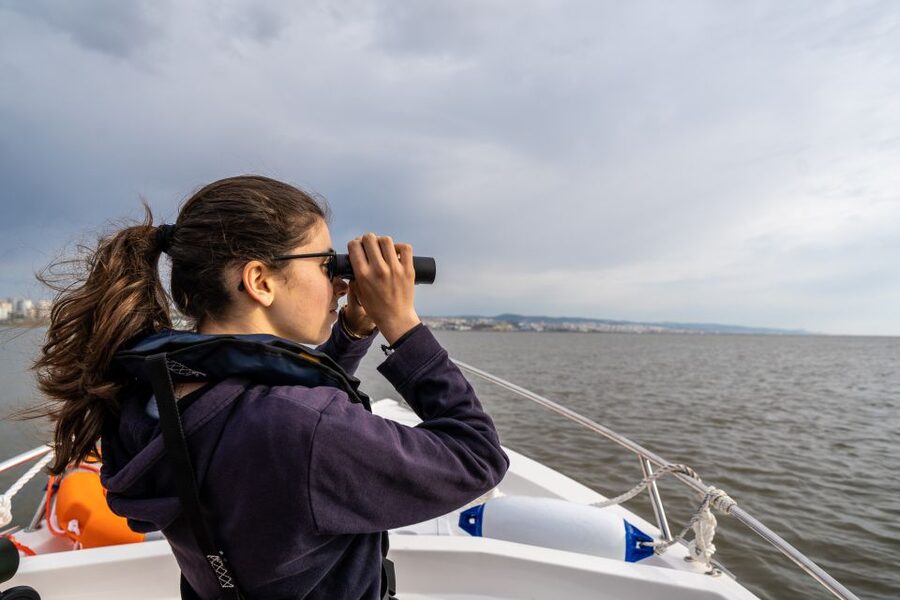
- Binoculars and safety gear are supplied: You should still bring a camera, sunglasses, jacket, and weather-appropriate clothes.
- The $58 price is reasonable for a specialist outing: Fuel, insurance, a life vest, binoculars, and a three-hour guided boat ride are included.
Why this estuary makes a fine break from Lisbon
Lisbon is full of tiled streets, viewpoints, churches, and steep hills. The Tagus Estuary gives you a different side of the city: broad water, exposed mudflats, low islands, and birds feeding in the shallows.
The estuary measures about 32 square kilometers and is described as the largest in western Europe. Its reserve protects a huge area close to the capital, which is why this trip feels like a real change of scene without requiring a long transfer.
I especially like the contrast. You can spend the morning among city sights and then be watching marsh harriers, spoonbills, or flamingos over the water. The boat also gives you fresh views of Lisbon’s waterfront, bridges, and modern Parque das Nações district.
This is not a sightseeing cruise with a few birds added as decoration. The wildlife is the reason for the trip, and the city scenery becomes a welcome extra.
More Birdwatching Boat Trips in Portugal
- Faro: Ria Formosa Eco Birdwatching Boat Tour
★ 4.6 · 73 reviews - From Faro: 2-Hour Guided Bird Watching Boat Trip
★ 4.6 · 71 reviews - Lisbon : Birdwatching Boat Tour – Tagus Estuary
★ 5.0 · 20 reviews
Meeting Carlos Cera at Parque das Nações
The meeting point is beside the Onda Luso-Americana artwork, near Onda Luso-Americana. The tour then moves to the Marina Parque das Nações for a safety briefing of about 15 minutes.
That briefing matters. You will be on a small boat in open estuary waters, so everyone wears a life vest. The operator supplies insurance and fuel, and the guide explains the basics before departure.
The meeting point is in an area that is easy to reach by metro, making this a practical choice if you are staying in central Lisbon. Hotel pickup and drop-off are not included, so allow time to reach Parque das Nações on your own.
Bring comfortable shoes, sunglasses, a camera, biodegradable sunscreen, a jacket, and clothing suited to the forecast. Even on a pleasant Lisbon day, the boat can feel cooler than the city streets. Binoculars are supplied, though you can bring your own if you prefer.
Leaving the marina and seeing Lisbon from the water
The first part of the cruise passes through Parque das Nações. This section lasts about 30 minutes and combines a boat ride, city views, and an introduction to the area.
You will see Lisbon from a lower, wider angle than from the usual city viewpoints. The modern waterfront takes on a different character from the river, and the changing view helps explain how closely the city is tied to the Tagus.
This is also when Carlos begins pointing out the area and preparing you for the reserve. If your main goal is birds, do not expect the first minutes to produce the largest sightings. The value here is the gradual shift from urban waterfront to open estuary.
The boat is described as comfortable in calm conditions, but this remains a weather-dependent outing. The trip may be canceled for fog or unsafe water, sometimes at short notice. If it cannot be rescheduled, you receive a full refund.
From Bairro dos Pescadores to open estuary
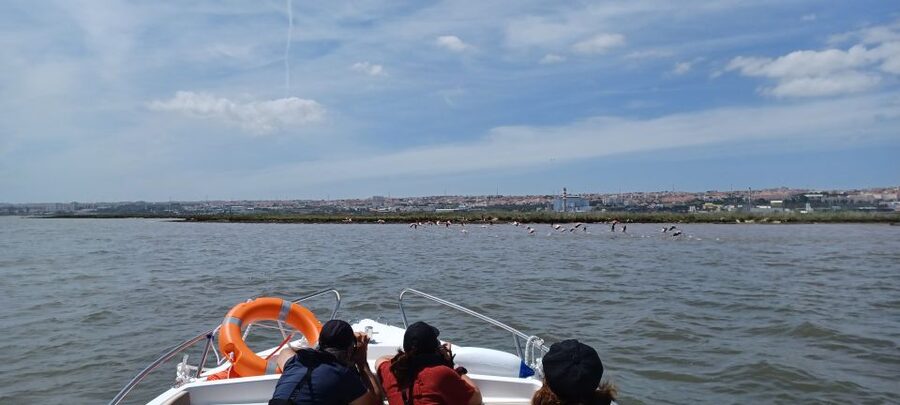
The route continues past Bairro dos Pescadores 21, with more sightseeing and wildlife viewing from the boat. The exact bird activity changes with tide, weather, and season, so this section works as a transition into the quieter channels.
The estuary is shaped by shallow water and mudflats. When the tide exposes feeding areas, waders can gather in impressive numbers. This is why the departure time and tide can affect the trip, even when the weather is good.
If you are keen on photography, keep your camera ready but do not expect every bird to sit close to the boat. Carlos aims to approach respectfully, giving you useful viewing opportunities without causing distress to the wildlife.
Same place, a different morning in the field:
- Faro: Eco-Friendly Ria Formosa Bird Watching in Solar Boat
★ 4.7 · 359 reviews - Dolphin – Whale – Turtle – Bird Watching
★ 5.0 · 350 reviews - Faro: Ria Formosa Natural Park Segway Tour & Birdwatching
★ 4.9 · 180 reviews - Ria Formosa Natural Park Birdwatching Segway Tour from Faro
★ 5.0 · 164 reviews
Two and a half hours in the Tagus Estuary Nature Reserve
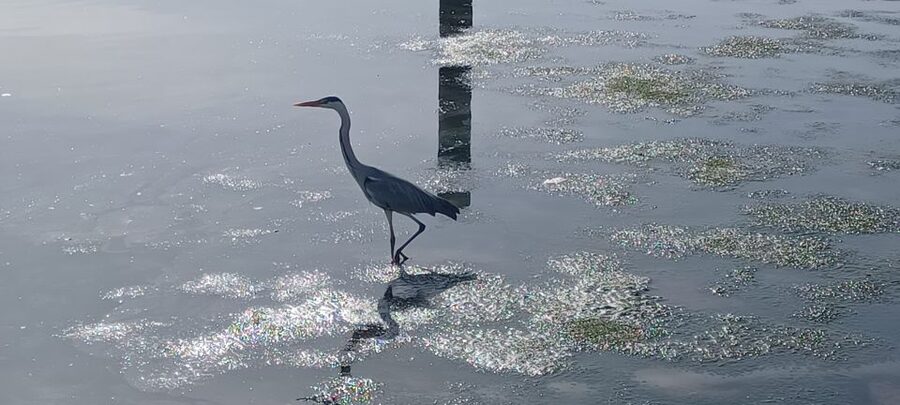
The main reserve section takes about two and a half hours. This is where the tour earns its price and where Carlos’s local experience matters most.
The reserve is home to around 200 identified bird species. Counts in winter regularly reach about 120,000 birds, so the scale can be impressive even when individual birds are spread across the mudflats and islands.
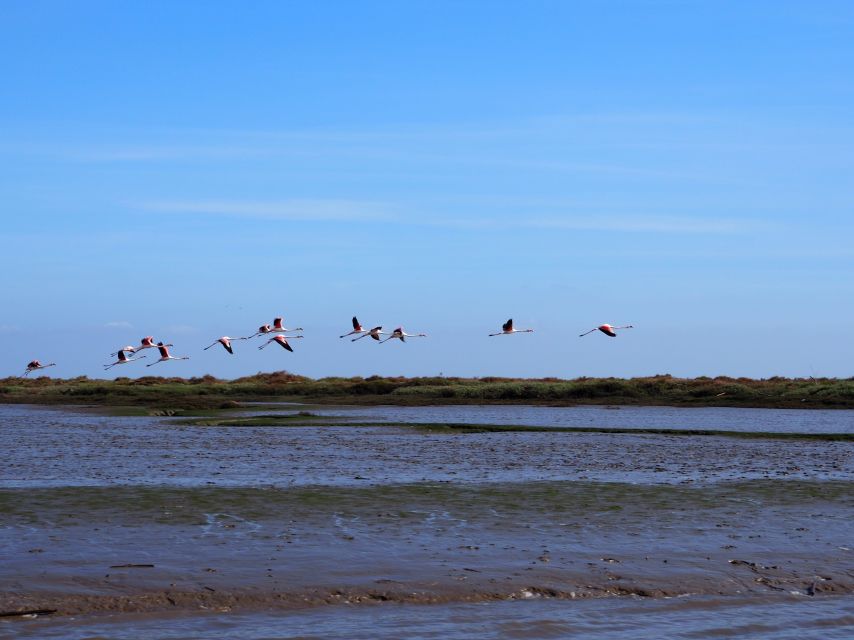
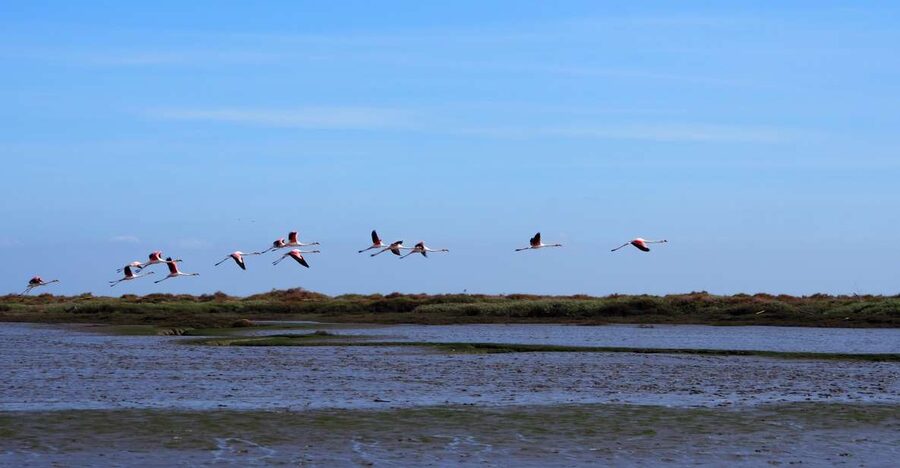
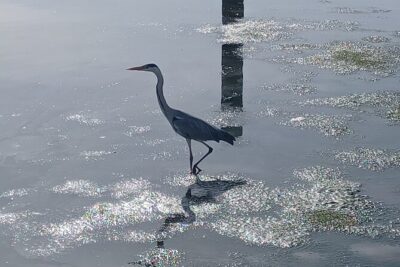
Possible sightings include flamingos, spoonbills, avocets, purple herons, glossy ibis, black-winged stilts, little and cattle egrets, little terns, marsh harriers, ospreys, and black ibises. You are not promised a fixed list, and that is important. Birdwatching is about reading the conditions and making the most of what appears.
Recent trips have produced more than 20 species in three hours, while another outing recorded more than 30. Other trips have seen 17 species outside the peak season. Those numbers show the potential, not a guarantee, but they also make clear that the estuary can reward beginners and experienced birders alike.
Carlos uses binoculars and helps identify birds by appearance, behavior, habitat, and migration pattern. That last part adds real value. You are not just collecting names. You begin to understand why certain birds are feeding on mudflats, hunting over the water, or moving through the reserve at particular times of year.
The 2024 count of 12,000 flamingos gives you a sense of the reserve’s scale. You may see hundreds in flight or groups feeding at a distance, but the number present changes throughout the year. The most memorable sightings may also be smaller: a marsh harrier hunting over an island, an osprey crossing the water, or spoonbills feeding in shallow channels.
Mouchao da Povoa and the final wildlife views
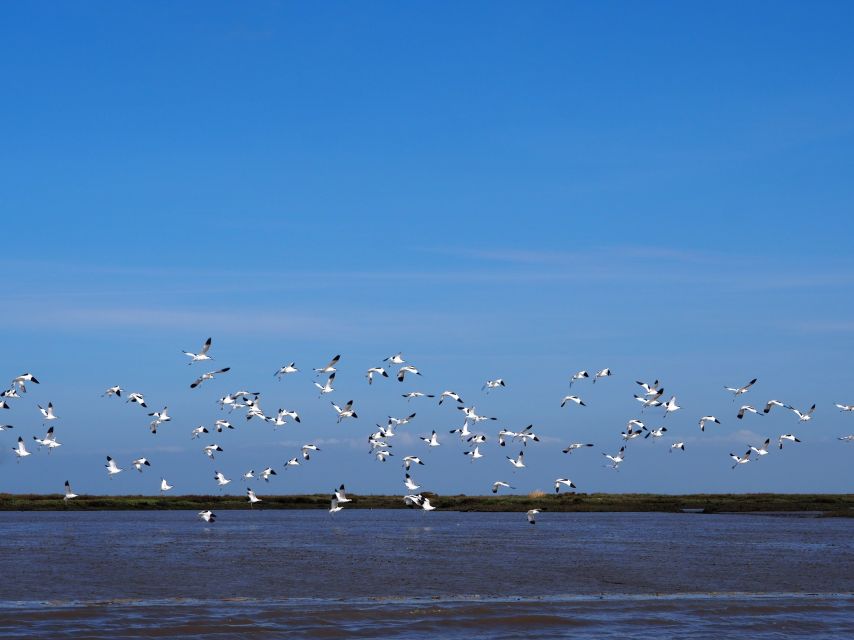
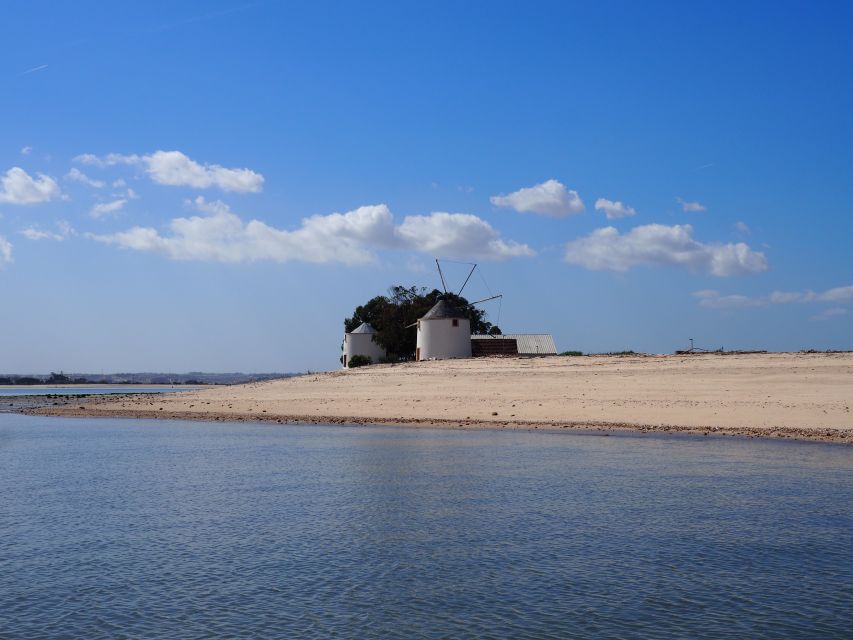
The route passes by Mouchao da Povoa, where the focus remains on birds, marine life, scenic views, and the open character of the estuary.
This part of the trip can be especially peaceful. The boat moves through a setting that feels far removed from Lisbon, even though the city is nearby. The water and mudflats provide a wide field of view, which helps you spot movement in the distance.
You will want patience here. A birdwatching boat trip is not built around constant action, and quiet stretches are normal. That slower rhythm is part of the appeal, though anyone expecting a fast-paced sightseeing ride may find the experience too gentle.
The small group helps. With a maximum of 10 people, Carlos can answer questions and adjust his explanations to different experience levels. Families can take part, and children who enjoy animals may find the boat ride more engaging than a long walking tour.
Returning beneath the Vasco da Gama Bridge
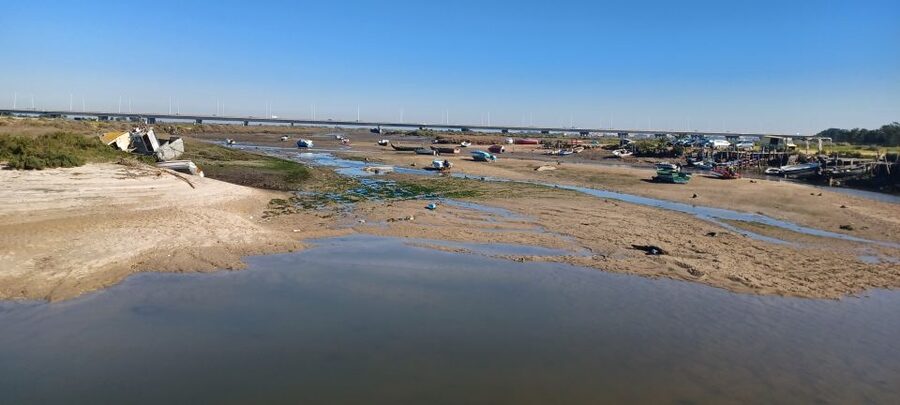
The return route passes the Vasco da Gama Bridge before arriving back at Onda Luso-Americana. The bridge is a strong final city landmark after the open reserve, and it gives you another chance for photographs.
By this point, you will have seen Lisbon from several angles: the modern waterfront, the working river, the reserve channels, and the broad estuary. The trip succeeds because these elements fit together without losing its main purpose, which is wildlife watching.
The full duration is three hours. That is long enough to reach the reserve and spend serious time there, but short enough to fit around other Lisbon plans.
What the $58 price includes
At $58 per person, the tour is not the cheapest way to get on the Tagus, but it offers more than a basic cruise. The price includes fuel, insurance, a life vest, binoculars, and a three-hour guided trip in a group of no more than 10.
The guide is the most important part of the value. Without someone who can read the estuary and identify birds, you could easily miss activity on the mudflats or mistake one wader for another. Carlos also shares information about bird behavior, migration, the river, and the surrounding area.
You need to pay for your own food and drinks. Lunch is not included, but you can bring a picnic. Since the outing lasts three hours, bringing water and a snack is sensible, especially if you are combining it with other sightseeing.
The price makes the most sense for birders, photographers, families who like nature, and anyone wanting a quiet half-day outside the city center. If you only want a general Tagus cruise, a simpler sightseeing boat may be enough. If you want a guided search for wildlife, this is better targeted.
Timing, tides, and the best season
Winter is the strongest period for variety and numbers. The regular wintering population can reach about 120,000 birds, and cooler months bring large numbers of visiting species to the estuary.
Spring can be rewarding, though some birds are breeding and others are moving on. May trips have still produced unusual species, but you should expect a different mix from winter.
Summer is not peak birdwatching season, yet it can still be worthwhile. Sightings in July have included black-winged stilts, purple herons, glossy ibis, egrets, little terns, and marsh harriers. The water is also a pleasant setting when Lisbon feels hot and crowded.
Autumn brings migration and can produce large flocks. Flamingos, ospreys, ibis, spoonbills, and other waders have all been seen during this period.
Check the tide if you can. Low tide exposes feeding flats, and this can bring birds into better view. The guide works with changing conditions, but choosing a departure that lines up well with the tide may improve your chances.
The operator may cancel because of fog or unsafe weather and normally contacts you within 24 hours when cancellation is expected. Foggy mornings can also lead to last-minute changes. You can cancel up to 24 hours ahead for a full refund, and you can reserve now and pay later.
Who will enjoy this boat tour most
You do not need advanced birding skills. Carlos can help with identification, and the trip works for people who simply want to see wildlife in a beautiful setting.
I would recommend it especially for:
- Birders who want access to a major estuary without arranging transport
- Photographers who appreciate time to wait and frame shots
- Families looking for an outdoor activity that does not involve thousands of steps
- Repeat visitors to Lisbon who want something beyond the usual monuments
- Nature lovers who enjoy quiet water and open scenery
- Visitors who want a small group rather than a large sightseeing boat
You should think twice if you need guaranteed sightings, dislike changing plans because of weather, or want a highly active excursion. The boat is comfortable in calm water, but conditions can change, and the trip is built around observation rather than speed.
Tours are offered in Portuguese, English, and Spanish. The activity information also lists French among the available languages, so confirm that option when booking if it matters to you.
My verdict: book it for a quieter side of Lisbon
I would book this tour if birds, photography, or time outdoors are part of your Lisbon plans. Carlos Cera’s role is central, the small group keeps the experience personal, and the reserve offers a surprising amount of wildlife close to the city.
The best choice is a cooler-season departure that fits a favorable tide, though summer can still deliver plenty of birds. Bring layers, water, and patience. You may return with flamingo photographs, new bird names, and a much better sense of how much life shares the Tagus with Lisbon.
If your ideal day means guaranteed landmarks and nonstop activity, choose another cruise. If you want three quiet hours on the water with a guide who can find and explain the birds, the $58 price is fair and the experience is worth booking.
FAQ
How long is the Tagus Estuary birdwatching boat tour?
The tour lasts three hours, including the marina safety briefing, the cruise through Parque das Nações, time in the reserve, and the return past the Vasco da Gama Bridge.
Where does the tour meet?
The meeting point is next to the Onda Luso-Americana artwork, near Onda Luso-Americana. The group then goes to the Marina Parque das Nações for the safety briefing.
How much does the tour cost?
The listed price is $58 per person.
How many people can join the boat tour?
The activity is limited to 10 participants, making it a small-group outing.
Which languages are available?
Tours are conducted in Portuguese, English, and Spanish. The activity information also lists French among the possible tour languages, so confirm availability when booking.
Are binoculars provided?
Yes. Binoculars are included, though you may bring your own pair if you prefer.
Is a life vest included?
Yes. Life vests are included, and participants wear them during the boat trip.
Can I bring food or drinks?
Food and drinks are not included. You may bring a picnic if you prefer, and lunch is not part of the ticket price.
What birds might I see?
Possible sightings include flamingos, spoonbills, avocets, herons, glossy ibis, black-winged stilts, egrets, little terns, marsh harriers, ospreys, and black ibises. Sightings depend on season, tide, and weather.
Can the tour be canceled because of weather?
Yes. Boat trips depend on weather, fog, and water conditions. If the tour is canceled and cannot be rescheduled, you receive a full refund.
More National Park Trips in Portugal
- Boat Tour – Bird Observation in the Tejo Nature Reserve
★ 5.0 · 34 reviews - Snorkel and Island Experience at Laughing Bird Caye National Park
★ 5.0 · 93 reviews - King Penguin Nature Reserve – Tierra del Fuego Island
★ 4.0 · 73 reviews - Rafting to Chilkat Bald Eagle Preserve from Haines
★ 4.5 · 73 reviews
Just added around Portugal
- Visit to Madeira Bird Island★ 4.6 · 22 reviews
- Vila Franca do Campo: Marine Life & Bird Watching & Islet Tour★ 4.4 · 9 reviews
- Azores Marine Birdwatching Expedition w/ Biologist Guide★ 4.5 · 19 reviews
- Birdwatching Private Tour at Fascinating Salgados Lagoon★ 5.0 · 6 reviews
- Private Birdwatching from Porto★ 5.0 · 33 reviews
- Bird Watching in Albufeira Lagoon★ 5.0 · 2 reviews
- Birdwatching day around Sagres★ 5.0 · 3 reviews
- Birdwatching at Ria de Alvor★ 5.0 · 2 reviews
Lisbon Birdwatching Tours, compared.
Boat Tour – Bird Observation in the Tejo Nature Reserve
Read our review →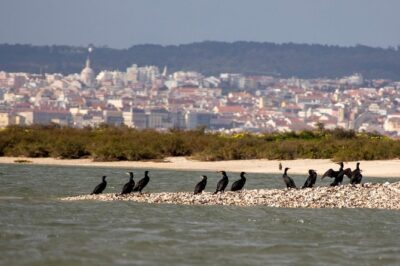
Ultimate Lisbon Food Tour – Street Eat, Taverns & Flaming Sausage
Read our review →
Browse the lists this tour appears in