
Review · PORTUGAL BIRDWATCHING TOURS
2-hour Bird Watching Guided Boat Trip in Ria Formosa from Faro Algarve
Ria Formosa is at its best from the water, where oyster beds, clam farms, salt pans, and quiet sandbars form a working wetland rather than a polished theme park. This two-hour boat trip from Faro gives you a close look at that world, with guides such as Pedro, André, Paulo, and Miguel pointing out birds and explaining the park.
I especially like the small group size, capped at 11 people, and the stop at Barrinha Beach, where you can leave the boat for 15 to 20 minutes. The included binoculars and bird guide also make this a good choice if you are curious about birds but do not carry your own gear.
The main thing to keep in mind is that bird numbers depend heavily on season, tide, and weather. Flamingos, spoonbills, and many waders are possible, not promised, and one experienced guide was candid that the quieter season offered fewer sightings.
Key points to know before you book
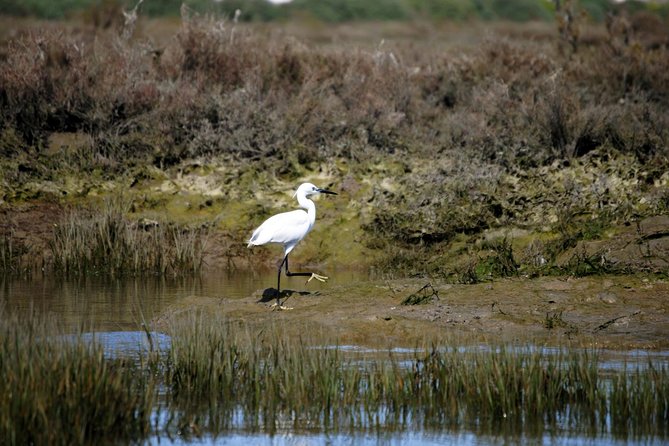
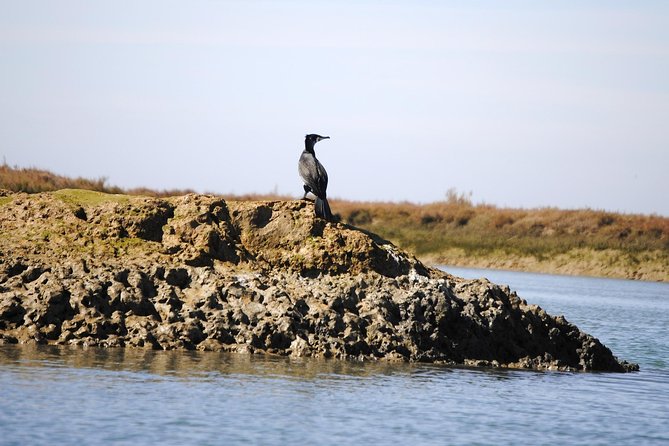
- Flamingos and spoonbills are possible highlights: Other likely sightings include white storks, little egrets, oystercatchers, plovers, terns, cormorants, ospreys, and godwits.
- Barrinha Beach adds a proper break: You leave the boat for about 20 minutes at a sandy area near the lagoon mouth.
- The boat holds no more than 11 people: That gives you a better chance to hear the guide and share viewing space.
- Binoculars and an identification guide are included: You do not need specialist equipment for a useful first birding outing.
- The meeting point is easy to reach in Faro: Check in at the Pure Nature Store on the ground floor of the Ginásio Clube Naval de Faro at least 10 minutes early.
- Tide and time of year matter: Winter usually brings more waders, while the species seen in summer can be different.
Why Ria Formosa is worth seeing by boat
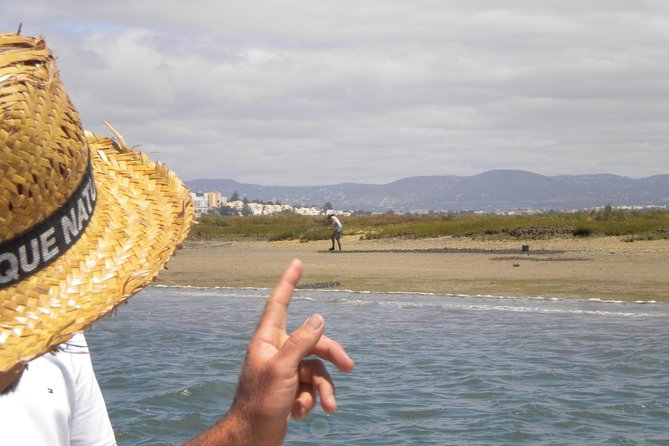
Ria Formosa is one of Portugal’s most important wetland areas for aquatic birds. It is a shifting mix of lagoons, channels, mudflats, islands, sandbars, salt pans, and shellfish farms. From Faro, you get to see both the natural side of the park and the work that supports local life.
That working quality is part of the appeal. The boat passes through oyster and clam farms, giving you a direct look at one of the Algarve’s important economic activities. It is not just scenery. The shallow waters support shellfish, and the mudflats provide feeding ground for birds with long bills and legs.
I like this kind of outing because the subject keeps changing. One minute you are watching a bird lift off from a sandbank. The next, the guide is explaining how tides affect feeding areas or pointing toward a line of oyster beds. The experience stays calm and easygoing, but it is not empty sightseeing.
The trip is also a good introduction to the park’s protected status. Guides explain the area’s ecology and the change from reserve to national park, along with the role of conservation work. André, a marine biologist who sometimes leads the trip, has also explained local projects such as the seahorse research facility.
A few more birdwatching trips around Portugal worth a look
- From Faro: 2-Hour Guided Bird Watching Boat Trip
★ 4.6 · 71 reviews - 2 Hours Guided Whale and Bird Boat Tour in Bay Bulls
★ 5.0 · 557 reviews - Marco Island 2 hour Dolphin, Birding and Shelling tour
★ 5.0 · 503 reviews
Meeting at Faro’s nautical club
The departure point is Formosamar at the Pure Nature Store, on the ground floor of the Ginásio Clube Naval de Faro, at Doca de Recreio de Faro. The address is Edifício Ginásio Clube Naval, Doca de Recreio de Faro, 8000-541 Faro.
You should arrive at least 10 minutes before departure. That is sensible advice here, since you need to find the shop, check in, and get settled before the boat leaves. The marina is near public transportation, and the meeting point can be reached on foot from Faro station.
There is no hotel pickup, so you arrange your own way to the marina. If you are staying in Tavira, the train makes Faro a practical base for this activity, though you will need to allow time for the train and the walk to the meeting point.
A minimum of two people is required for a booking, and the maximum group size is 11. Children must be accompanied by an adult. A child rate applies only when the child shares the boat with two paying adults, so check the booking terms carefully if you are arranging a family outing.
A comfortable boat and a guide-led search
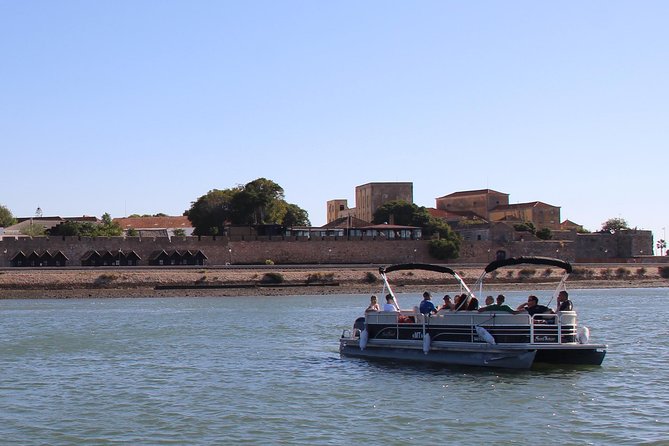
The boat is a comfortable pontoon-style craft with shade, according to the available trip details and passenger feedback. The small size helps the guide keep the group together and makes it easier to share binoculars, ask questions, and follow a bird as it moves.
The trip is not a high-speed ride. It is meant for watching, listening, and stopping when something interesting appears. That suits the Ria Formosa, where a patient guide can be more useful than a fast boat. Guides including Pedro, Paulo, André, Miguel, and Fernando have been praised for their friendliness, enthusiasm, and ability to explain both birds and the area.
The supplied binoculars and bird identification guide are a real plus. If you are new to birdwatching, the guide can help you compare a plover with a turnstone or an egret with a stork. If you already know birds, you can use the outing to add local species to your list.
The group may see anything from a handful of birds to more than 20 species. Sightings have included flamingos, spoonbills, white storks, little egrets, ospreys, cormorants, Audouin’s gulls, slender-billed gulls, oystercatchers, whimbrels, godwits, plovers, terns, and wagtails.
That range is impressive, but you should not treat the species list as a checklist. The operator cannot guarantee wildlife sightings, and one of the most useful parts of the guiding is the honest explanation that the season is sometimes quiet.
Following the channels toward the islands
Once underway, the boat moves through the lagoon toward the islands and the outer edge of the park. This is where the trip becomes more than a standard boat ride. You pass aquaculture areas, shallow channels, and shellfish farms while the guide searches for birds feeding or resting nearby.
Tide height can change the experience. During one outing, a higher tide allowed the boat to approach salt pans where flamingos were gathered. At other times, low water may expose feeding areas for waders. A guide can adjust the route and stop when conditions offer a better view, but the tide still sets the basic terms.
Winter is usually the strongest season for waders. Whimbrels, turnstones, and grey plovers can be present throughout the year, while winter often brings larger numbers. You may also see greater flamingos and Sandwich terns in the cooler months.
In warmer months, the focus may shift toward breeding birds and species using the lagoon at that time of year. Little terns and Kentish plovers are associated with the reproduction area near Barrinha Beach. The exact mix changes, which is one reason the trip can be worthwhile more than once.
The guide’s commentary is not limited to identification. You can expect information about migration, bird habits, the park’s ecology, shellfish farming, and the history of how the protected area is managed. This wider context helps you understand why the mudflats and shallow channels matter.
Same place, a different morning in the field:
- Faro: Eco-Friendly Ria Formosa Bird Watching in Solar Boat
★ 4.7 · 359 reviews - Dolphin – Whale – Turtle – Bird Watching
★ 5.0 · 350 reviews - Faro: Ria Formosa Natural Park Segway Tour & Birdwatching
★ 4.9 · 180 reviews - Ria Formosa Natural Park Birdwatching Segway Tour from Faro
★ 5.0 · 164 reviews
Barrinha Beach and the lagoon mouth
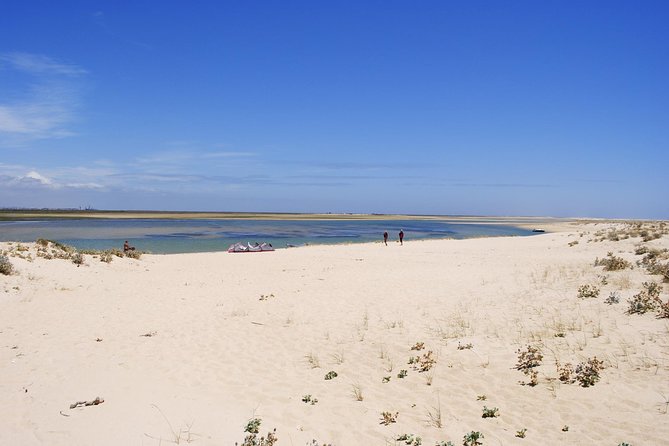
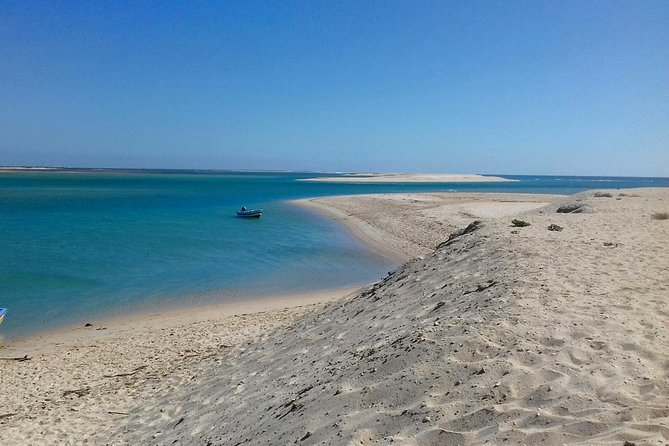
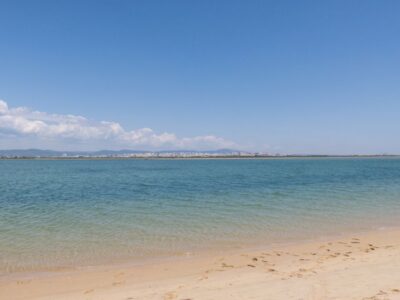
The main shore stop is Barrinha Beach, near the point where the lagoon meets the sea. The boat stays for about 20 minutes, and there is no admission charge.
This is a welcome change of pace. You can step off the boat, stretch your legs, take photographs, and enjoy the open view. One family used the stop for a paddle, while an older passenger found the boat easy to access, making this a flexible part of the outing for different ages.
Barrinha is also important for birds. It is a reproduction area for little terns and Kentish plovers. In winter, you might see Sandwich terns and greater flamingos in the area. The word might matters here, since birds remain in their natural habitat and can be elsewhere when you arrive.
The beach stop has one small tradeoff. Twenty minutes passes quickly, especially if you want to take pictures and look for birds at the same time. You should also expect the beach to be a nature stop rather than a fully arranged beach visit. Food and drink are not included, and the activity does not provide hotel transfers.
Returning with views of old Faro
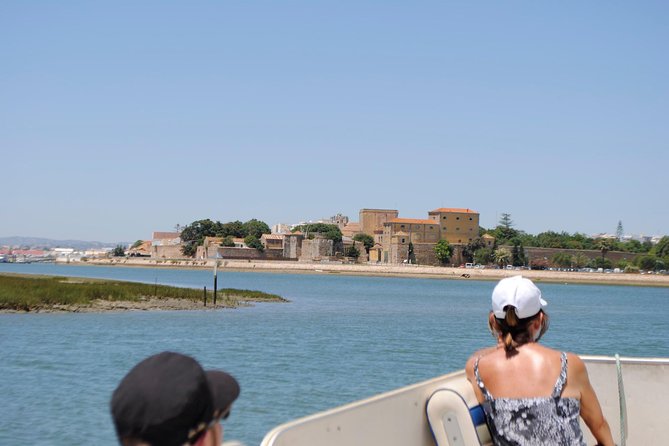
The trip ends with views toward Faro’s old town. This gives the ride a pleasing final frame, as the low, open wetland gives way to the city and marina.
You can choose to get off at this point if you ask the skipper in advance. Otherwise, the activity ends back at the meeting point. If you have a train, another tour, or a lunch reservation, confirm the timing with the crew before departure rather than assuming you will disembark early.
The return also makes the two-hour length work well. You get enough time to reach the islands and birding areas without giving up most of your day. I would pair it with a walk through Faro’s old town, rather than treating it as a full-day outing.
What the $48.27 price gives you
At $48.27 per person, the cost is fair for a small-group nature trip that includes a guide, boat, binoculars, bird identification material, life vests, and a beach stop. You are paying for local route knowledge as much as for transport.
The value is strongest if you want explanation along the way. A simple sightseeing cruise may cost less, but it will not necessarily help you tell a spoonbill from an egret or explain why the lagoon supports shellfish farms and migratory birds.
The price is also easier to justify when the group is below the 11-person limit. With only seven people on one outing, there was plenty of space aboard. A full boat should still be manageable, but a smaller group will feel more personal and may allow more time for questions.
This is not the right purchase if you expect a guaranteed flamingo show. Wildlife trips involve chance, and the number of species can be modest during an off-season period. The good news is that the scenery, local stories, and working lagoon still provide a worthwhile two hours even when the birds are less active.
Is this a good family activity?
Yes, especially for families who want something gentle and educational. The boat ride is short enough for most children, and the binoculars turn spotting into a simple game. Children can look for bright flamingos, tall storks, flying gulls, or birds with long curved bills.
The beach stop gives an eight-year-old something different to do after time on the boat. It also helps break up the viewing period for children who may not want to sit quietly for two full hours.
Older family members can take part as well. One reported outing included an 86-year-old passenger who found the boat comfortable and easy to access. Still, you should consider the needs of your own group, since the supplied information does not give detailed accessibility specifications.
Children must stay with an adult, and food and drinks are not provided. Bring what your family needs for the two-hour period, while remembering that the activity is centered on wildlife and a natural setting rather than entertainment facilities.
Practical tips for getting more from the trip
Arrive early enough to check in without rushing. The marina meeting point is specific, and arriving 10 minutes ahead gives you time to find the Pure Nature Store and settle aboard.
Bring sun protection and a light layer. The boat has shade, but conditions on open water can change. Comfortable shoes will help at the beach stop, where you may want to step ashore and walk a little.
If birds are your main goal, ask about the tide and season when booking. The number and location of birds can change sharply with water levels. Winter is generally better for waders, while breeding birds near Barrinha are a feature at other times.
Listen for the guide’s local names and explanations. Pedro has been praised for patience and enthusiasm, André for marine biology and park knowledge, and Paulo for explaining birds in several languages. The guide can also respond to what you want to see, so say if you would like more time with a particular species or habitat.
Keep your expectations flexible. You might see flamingos in flight, spoonbills feeding, or an osprey overhead. You might also spend much of the outing enjoying the water, shellfish farms, and old Faro views with fewer birds than hoped.
Who should book this boat trip?
I would choose this trip if you want a short, calm introduction to Ria Formosa with real local context. It suits first-time birdwatchers, families, older adults, photographers who prefer a relaxed pace, and people who want more than a basic cruise.
It is also a strong pick for serious birders who understand seasonal limits. The chance of adding species such as a western marsh harrier, spoonbill, Audouin’s gull, or black-tailed godwit can make the outing rewarding, especially with a guide who knows where to look.
I would think twice if your schedule is tight around a fixed departure or if you need guaranteed access to a specific bird. Weather can cancel the trip, and poor conditions or low bird activity can change the day’s results. Free cancellation is available up to 24 hours before departure, and weather cancellations offer a new date or full refund.
For most people visiting Faro, I think the balance is good: two hours on the water, a small group, useful equipment, a short beach stop, and a guide who can connect birds to the life of the lagoon. Book it for the setting and the chance to see wildlife, not for a guaranteed list.
FAQ
Where does the bird watching boat trip start?
It starts at Formosamar, inside the Pure Nature Store on the ground floor of the Ginásio Clube Naval de Faro, at Doca de Recreio de Faro in Faro, Portugal.
How early should I arrive?
You should check in with the team at least 10 minutes before departure.
How long does the activity last?
The guided boat trip lasts approximately two hours, including a 15 to 20-minute stop at Barrinha Beach.
How many people can join the boat trip?
The maximum group size is 11 people. A minimum of two people per booking is required.
Are binoculars provided?
Yes. Binoculars and a bird identification guide are included in the activity.
What birds might I see?
Possible sightings include flamingos, spoonbills, white storks, little egrets, ospreys, cormorants, oystercatchers, plovers, terns, whimbrels, turnstones, grey plovers, and godwits. The species vary by season and conditions, and sightings cannot be guaranteed.
Is the trip suitable for children?
Yes. It is described as family-friendly, but children must be accompanied by an adult. The child rate applies only when sharing with two paying adults.
Is hotel pickup included?
No. Hotel pickup and drop-off are not included. You make your own way to the meeting point.
What happens if the weather is bad?
The trip requires good weather. If it is canceled because of poor conditions, you can receive a different date or a full refund. You can also cancel for a full refund if you do so at least 24 hours before the start time.
Just added around Portugal
- Visit to Madeira Bird Island★ 4.6 · 22 reviews
- Vila Franca do Campo: Marine Life & Bird Watching & Islet Tour★ 4.4 · 9 reviews
- Azores Marine Birdwatching Expedition w/ Biologist Guide★ 4.5 · 19 reviews
- Birdwatching Private Tour at Fascinating Salgados Lagoon★ 5.0 · 6 reviews
- Private Birdwatching from Porto★ 5.0 · 33 reviews
- Bird Watching in Albufeira Lagoon★ 5.0 · 2 reviews
- Birdwatching day around Sagres★ 5.0 · 3 reviews
- Birdwatching at Ria de Alvor★ 5.0 · 2 reviews
Portugal Birdwatching Tours, compared.
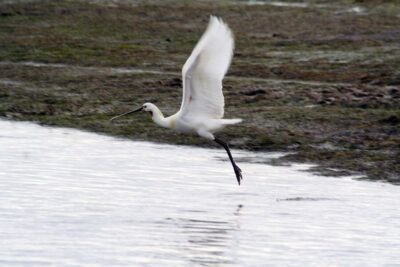
Faro: Eco-Friendly Ria Formosa Bird Watching in Solar Boat
Read our review →
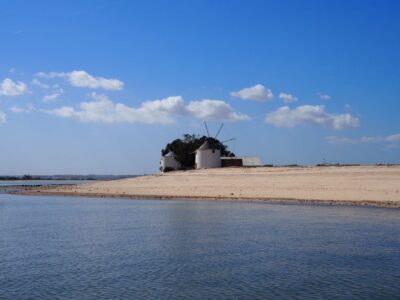
Tagus Estuary Nature Reserve Birdwatching Boat Tour
Read our review →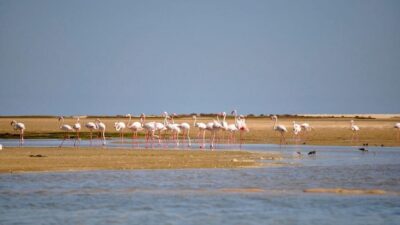
From Faro: 2-Hour Guided Bird Watching Boat Trip
Read our review →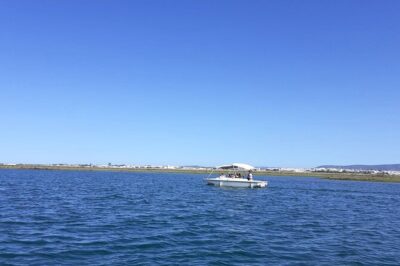
Birdwatching in Ria Formosa – Eco Boat Tour from Faro
Read our review →
Stork Transfers – Private Transfer From Albufeira to Faro Airport (up to 4 pax)
Read our review →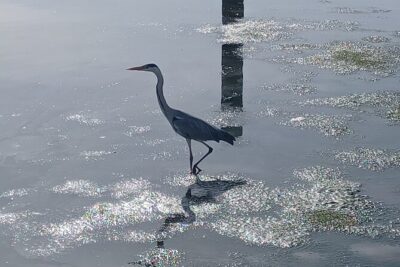
Boat Tour – Bird Observation in the Tejo Nature Reserve
Read our review →Browse the lists this tour appears in