
Review · PORTUGAL BIRDWATCHING TOURS
Azores: Marine Birdwatching & Islet Biologist Guided Tour
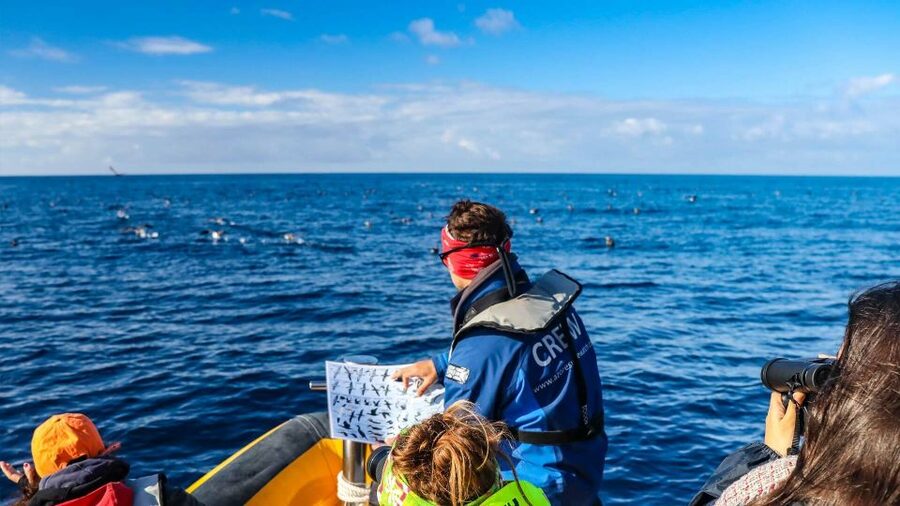
The best part of this trip is the chance to watch Azorean seabirds from a low, nimble boat near the offshore colonies of Vila Franca do Campo. You may see shearwaters, terns, petrels, gulls, and even dolphins, with the crew explaining what you are seeing as it happens.
I like the small group of up to 10 people, which leaves room for questions and quieter moments near the birds. I also like the research angle: the team explains migration routes, behavior, field images, and data collection rather than treating the trip as a simple sightseeing ride. The trade-off is the Zodiac RIB itself. It is exciting and gets close to the water, but it can be bumpy and is not suitable for young children, pregnant women, wheelchair users, or people with back problems.
Key points
- Watch birds near Vila Franca Islet: The offshore reserve is the main setting for coastal colonies and marine wildlife.
- Expect a real field trip: Guides discuss behavior, migration, breeding, and local research.
- Use supplied binoculars: Opticron 8×42 binoculars are included, a useful help when birds sit farther from the boat.
- Keep an eye out for dolphins: Several departures have included groups of bottlenose dolphins as an unexpected bonus.
- Plan for changing conditions: Spring and autumn bring more migrants, but wildlife sightings and weather are never guaranteed.
- Pay for a focused outing: At $68 per person for three hours, the price is fair if birdwatching is a priority rather than a side activity.
A close look at Azorean seabird country
The Azores sit in the middle of the Atlantic, so these islands serve several roles for birds. Some species breed here and raise chicks. Others stop during migration. A few appear as rare visitors, carried off course or following wider ocean routes.
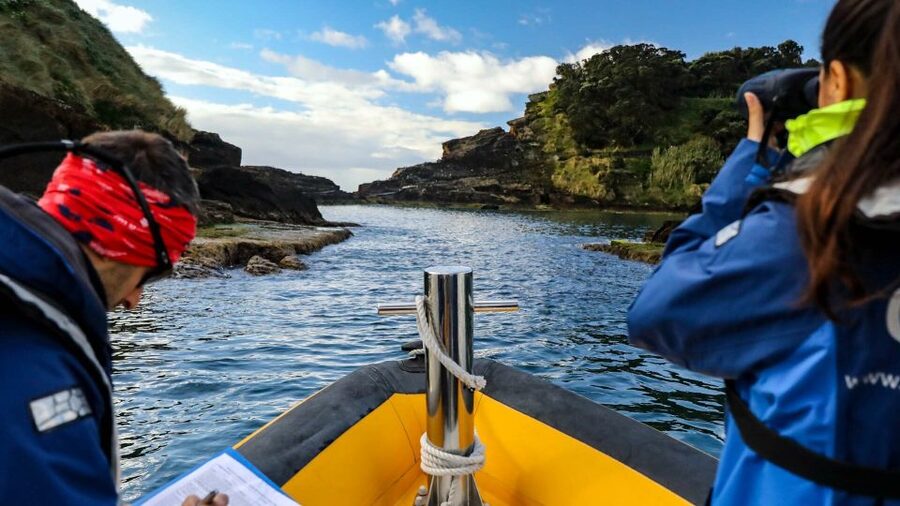
This trip takes you along the coast of São Miguel and toward the Islet of Vila Franca do Campo, a protected volcanic islet just offshore. You are not simply ticking off birds from a list. You are watching colonies work, rest, feed, and move across the water, with a guide helping you understand why they are there.
The setting is especially good for anyone who likes natural history with a sense of place. The sea, cliffs, islet, and open horizon are part of the experience. On calm days, you get broad ocean views. On rougher days, the boat ride becomes more physical, and the birds can be harder to follow.
More Birdwatching Boat Trips in Portugal
- Lisbon: Tagus Estuary Nature Reserve Birdwatching Boat Tour
★ 4.9 · 117 reviews - Faro: Ria Formosa Eco Birdwatching Boat Tour
★ 4.6 · 73 reviews - From Faro: 2-Hour Guided Bird Watching Boat Trip
★ 4.6 · 71 reviews
What the three-hour outing feels like
The operator limits the boat to 12 passengers, with the activity described as a small group of no more than 10 participants. That matters. A crowded boat would make it harder to share binoculars, hear the guide, or shift your view when a bird appears on the opposite side.
The outing uses a Zodiac-style rigid inflatable boat. Before leaving, you receive a safety briefing covering the boat and life vest. You are also given an impermeable suit, which is practical protection against spray and cooler air. Wear warm clothes beneath it, since the Atlantic can feel much cooler than the marina.
The crew includes an experienced skipper and wildlife guides. Alexandra is one guide associated with the experience, and her strong bird expertise has been especially useful for explaining species and answering detailed questions. The wider team is multinational, with support available in English, French, Dutch, Italian, Spanish, Portuguese, and German. English is the official language, so use it for the clearest communication.
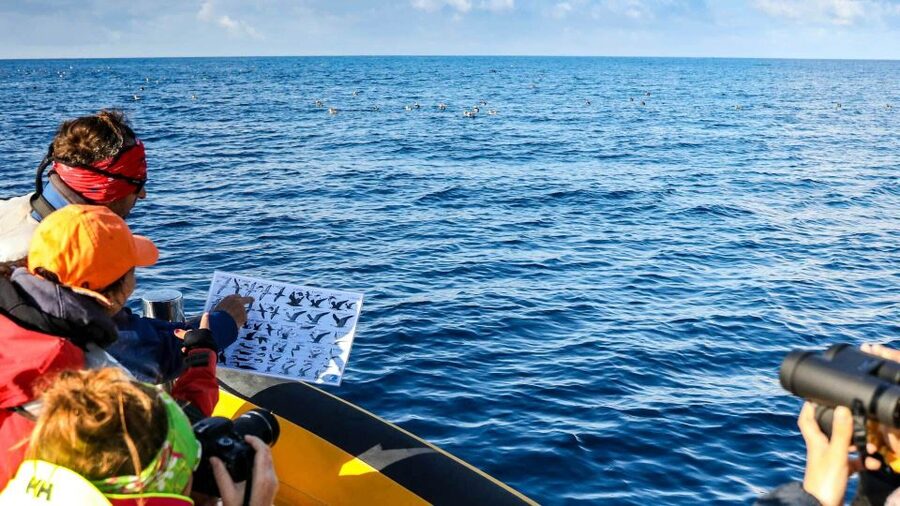
Once underway, the guides introduce the birds you may encounter. They explain migration routes, breeding patterns, and behavior before the boat reaches the main viewing areas. This early briefing helps you get your bearings fast. A dark shape skimming low over the waves means more when you know whether to expect a shearwater, petrel, or tern.
Leaving Vila Franca do Campo marina
The trip begins at the marina in Vila Franca do Campo, where the company base and yellow boats are located. Free parking is available near the marina. If you are coming from Ponta Delgada, follow the coast east toward Vila Franca do Campo, then descend toward sea level and the harbor.
Some booking options include pickup or drop-off in Ponta Delgada. The route passes through Ponta Delgada and Vila Franca do Campo by road, but the core experience begins on the water. If you are staying in Ponta Delgada, allow time for the drive to the marina and confirm which starting option you selected.
At the marina, you have a short chance to get organized before boarding. Bring water, snacks, sunscreen, and a camera. Light food is allowed onboard, but keep it simple. The supplied binoculars are an important part of the package, so you do not need to own specialist equipment to take part.
Following the coast toward the islet
The boat cruise is the main event, lasting roughly two hours and 45 minutes within the stated three-hour outing. The skipper follows the coast and heads toward Vila Franca Islet, with the crew watching the water and rocky shore for birds and other marine life.
The guides use information from inland lookouts through VHF radio. These observers can help the boat approach areas carefully and avoid sudden disturbance. That system gives the trip a more serious fieldwork feel. The aim is not to race toward every bird, but to get close enough for good views while keeping a respectful distance.
You should expect stops and slower passes rather than a fixed sequence of sightings. Birds are not arranged for a show, and the route can change with sea conditions, animal behavior, and local information. That uncertainty is part of the deal, so come ready to watch patiently.
Dolphins are not the stated focus, but they have appeared during departures. Several participants saw bottlenose dolphins, including one large group. Treat them as a bonus rather than a promise. The same rule applies to every species on the list.
Same place, a different morning in the field:
- Faro: Eco-Friendly Ria Formosa Bird Watching in Solar Boat
★ 4.7 · 359 reviews - Dolphin – Whale – Turtle – Bird Watching
★ 5.0 · 350 reviews - Faro: Ria Formosa Natural Park Segway Tour & Birdwatching
★ 4.9 · 180 reviews - Ria Formosa Natural Park Birdwatching Segway Tour from Faro
★ 5.0 · 164 reviews
The bird species you may see
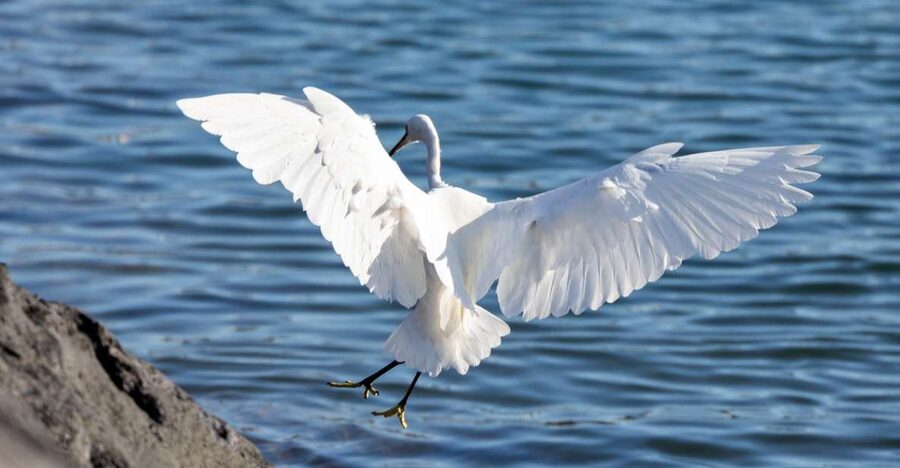
Cory’s Shearwater is one of the key birds to look for. It is a large seabird with long wings, built for gliding over the Atlantic. The Azores are also home to smaller and less familiar species such as Barolo Shearwater, Bulwer’s Petrel, Wilson’s Storm-petrel, and Madeiran Storm-petrel.
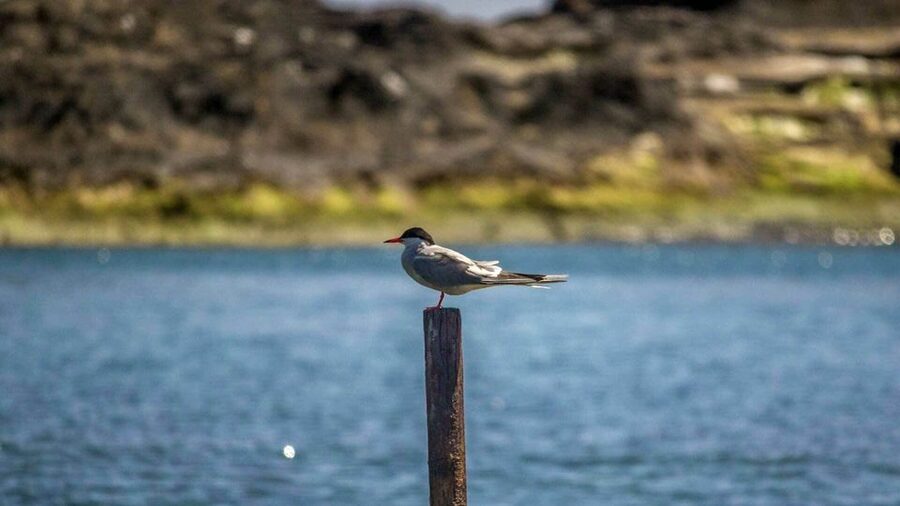
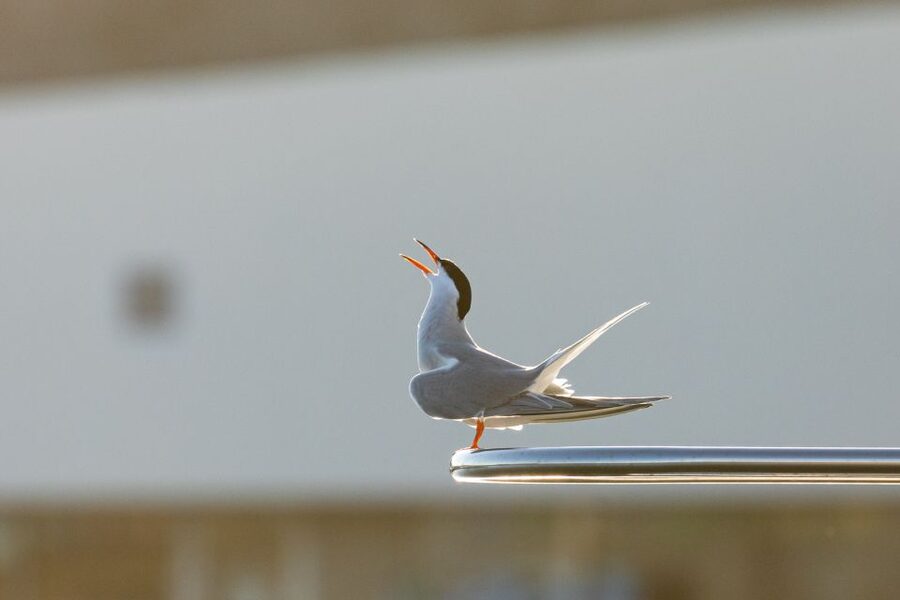
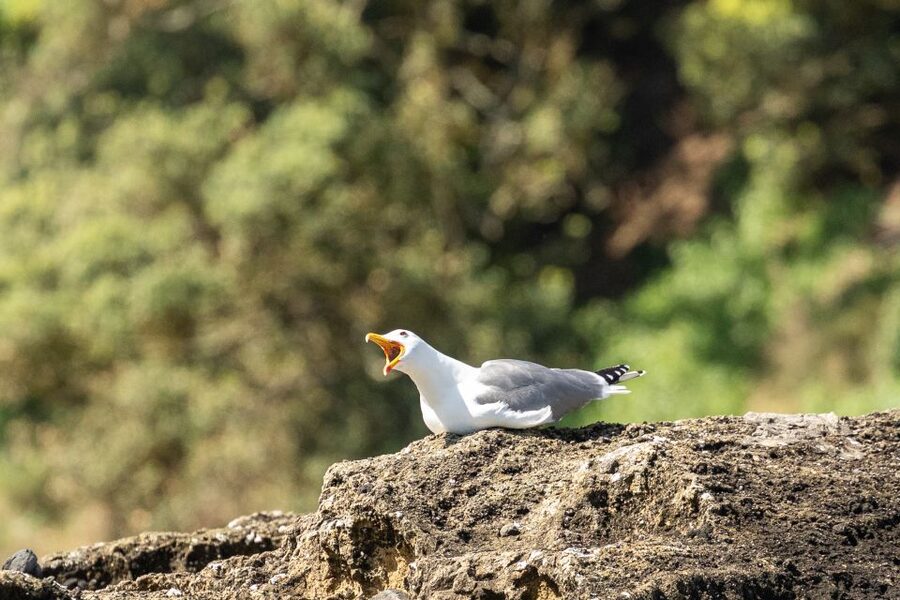
Common and Roseate Terns may appear near breeding areas. Yellow-legged Gulls are easier to recognize, though the guide can help you separate age and plumage differences. On lucky days, you might see Bridled Terns or Sooty Terns, both less common sightings for this route.
The list also includes birds that do not breed locally but are seen regularly or occasionally. Great Shearwaters, Leach’s Storm-petrels, Manx Shearwaters, and Sooty Shearwaters may pass through. Rare visitors can include Northern Gannets, Arctic Skuas, Pomarine Skuas, and Great Skuas.
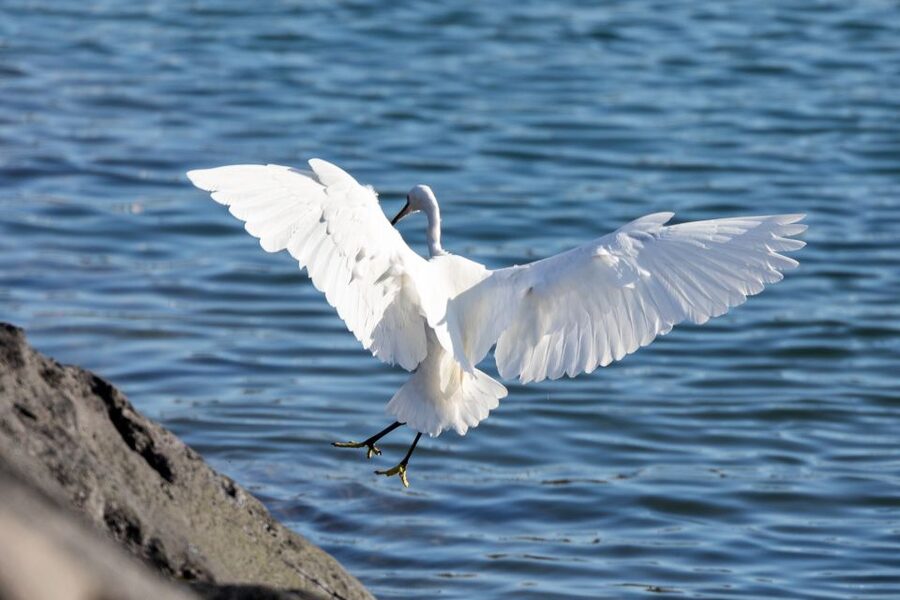
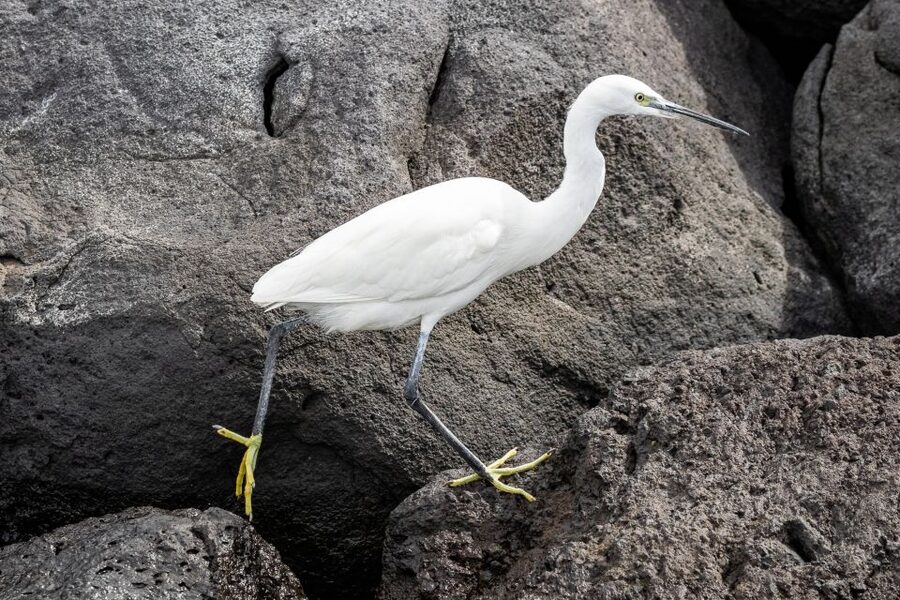
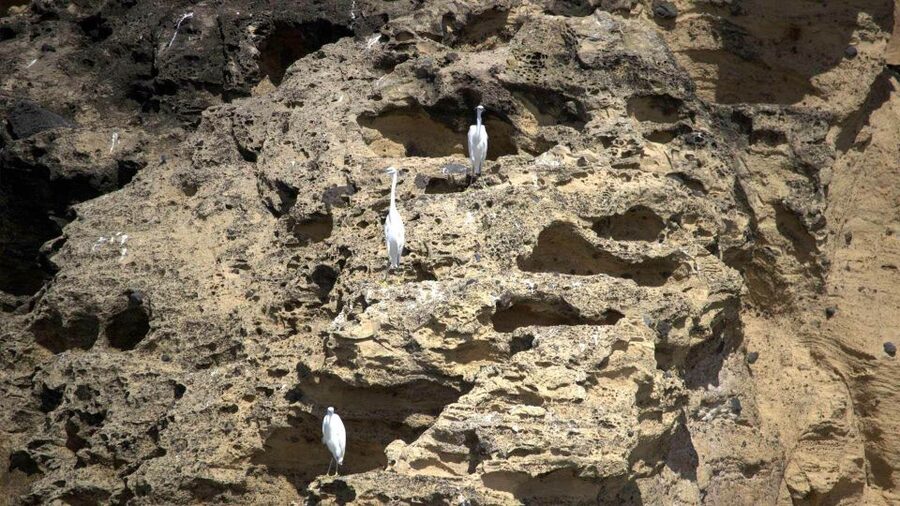
Near shore, the species can change. Turnstones, Sanderlings, Little Egrets, Wagtails, Whimbrels, and Canaries are among the possible sightings, along with buzzards. The guide’s role is especially valuable here because small shorebirds can be easy to miss when you are focused on the open sea.
Spring and autumn are the strongest periods for variety and numbers because migrants and occasional visitors add to the resident birds. Marine species are possible year-round, but the exact mix depends on weather, season, and luck.
A field lesson, not just a boat ride
The crew explains more than names. You learn how birds use the Azores during breeding and migration, what behaviors can reveal, and how researchers record local populations. Field imagery and data collection are part of the discussion.
That makes a difference if you are new to birdwatching. Instead of feeling lost when several similar birds cross the view, you have clues to use. Wing shape, flight style, size, and distance from shore all help narrow the identification.
The VHF radio link with inland lookouts also shows how wildlife trips can support local observation. You are not promised a scientific survey, but the explanation connects your outing to ongoing knowledge about the islands and their marine colonies.
The small boat helps here. With fewer people, the guide can answer individual questions and point out details in real time. One departure had just one other pair onboard, allowing long conversations and quiet watching. Group size can vary, but the limit keeps this more personal than a large sightseeing cruise.
Passing Vila Franca Islet
The Islet of Vila Franca do Campo is the main visual landmark. The boat passes the offshore nature reserve, giving you time for photographs, birdwatching, and views of the volcanic formation.
The islet is important because its rocky shores and protected spaces attract seabirds. You may see colonies of Cory’s Shearwaters, terns, gulls, and other species in the surrounding area. The exact viewing distance depends on sea conditions and the crew’s judgment.
Do not expect a long land visit here. The itinerary treats the islet as a boat-based wildlife stop and photo opportunity, not a hiking excursion. That is good for keeping the focus on marine observation, but it may disappoint you if you want to walk on the islet or spend hours ashore.
The best approach is to keep your camera ready but spend more time watching than photographing. Birds can appear and disappear quickly, and the supplied binoculars may show more detail than a rushed phone picture.
The final marina stop
After the sea portion, the boat returns to Vila Franca do Campo Marina. The schedule allows about 15 minutes of free time for shopping or a quick look around before drop-off.
This is a modest add-on, not a major sightseeing stop. If you want a longer visit to the town, plan separate time. The organized activity is built around the boat trip, so the marina stop mainly gives you a chance to stretch, regroup, or browse briefly.
Return options include the Terra Azul base and Ponta Delgada, depending on your booking choice. Check the exact pickup and drop-off details before you go, since the starting point depends on the option selected.
Is $68 a fair price?
At $68 per person, this is good value for a focused three-hour wildlife outing. The price includes the RIB boat, skipper, guide, insurance, life vest, waterproof suit, and Opticron 8×42 binoculars. Those binoculars matter because quality viewing gear can add cost if you need to rent or buy it separately.
The value is strongest for you if seabirds are a main reason for visiting São Miguel. You get expert interpretation, a small boat, access to a coastal route, and a chance to see species that are difficult to identify from land.
It is less compelling if you want a general scenic cruise with guaranteed animal action. Wildlife sightings cannot be promised, and rough water may limit comfort or viewing. In that case, you are paying for the crew’s knowledge and the chance to find wildlife, not for a fixed show.
The price also compares well with the dolphin sightings that sometimes occur, but do not book this as a dolphin trip. The stated purpose is birdwatching and marine ecology.
Comfort, weather, and who should book
This is best for adults and older children who are comfortable on an open inflatable boat. Children under four cannot join. The trip is also not suitable for pregnant women, wheelchair users, or people with back problems.
Bring warm layers even if Ponta Delgada feels mild. Add sunscreen and water, and protect your camera from spray. The waterproof suit and life vest are included, but your own clothing still affects comfort.
The itinerary may change or be canceled in extreme weather. That is a sensible safety rule for a small boat in the Atlantic. Wildlife outings also depend on conditions, so you should keep some flexibility in your schedule if possible.
You can cancel up to 24 hours before departure for a full refund, and reserve now while paying later. Those terms help if your São Miguel plans are still shifting, though they do not remove the need to watch the forecast.
Who will get the most from this tour?
You should book if you enjoy birds, marine science, photography, or small-group outings where questions are welcome. It is also a good fit if you want to see a quieter side of São Miguel beyond the island’s roads and viewpoints.
First-time birdwatchers can enjoy it because the guide handles identification and context. Experienced birders will appreciate the regional species list, seasonal migrants, and chance of unusual sightings such as Bridled Tern, Sooty Tern, or a vagrant Northern Gannet.
You may want to skip it if you dislike bumpy rides, get uncomfortable in open boats, or need a fully accessible activity. You should also skip it if your main goal is a guaranteed encounter with one particular animal.
Should you book the Vila Franca birdwatching trip?
I would book this if you have three hours to spare and want a close look at the Azores as a working marine environment, not just a pretty view from shore. The combination of a small RIB, supplied binoculars, biologist-led interpretation, and the Vila Franca Islet route gives the outing real substance.
Go in with realistic expectations. You might see dozens of seabirds, dolphins, or an uncommon migrant, but you might also spend time scanning empty water. That is normal in the wild. If you can accept the uncertainty, $68 buys a thoughtful, well-supported introduction to the marine birds of São Miguel.
FAQ
Where does the tour start?
The main meeting point is the Terra Azul base at Vila Franca do Campo Marina. Free parking is available near the marina. Some options include pickup or drop-off in Ponta Delgada.
How long does the activity last?
The total duration is three hours. The boat cruise takes about two hours and 45 minutes, with time around the Islet of Vila Franca do Campo and a short marina stop.
What type of boat is used?
You travel in a Zodiac rigid inflatable boat. The boat has space for up to 12 passengers, while the activity is limited to 10 participants.
Are binoculars included?
Yes. Opticron 8×42 binoculars are included for use during the trip.
What birds might I see?
Possible sightings include Cory’s Shearwater, Barolo Shearwater, Common and Roseate Terns, Yellow-legged Gulls, Bulwer’s Petrel, Wilson’s and Madeiran Storm-petrels, Great Shearwaters, shorebirds, and occasional rare visitors.
Can I see dolphins?
Dolphins are possible but not guaranteed. Bottlenose dolphins have been seen during departures.
Is the tour available all year?
Marine birds can be seen year-round. Bird numbers and variety often increase in spring and autumn when migrants and occasional visitors arrive.
What languages are available?
English is the official tour language. The multinational team also offers French, Dutch, Italian, Spanish, Portuguese, and German.
What should I bring?
Bring warm clothing, water, snacks, sunscreen, and a camera. You may also bring your own binoculars, although a pair is provided.
Can the itinerary change?
Yes. The route may change, or the activity may be canceled, in extreme weather. Specific animal sightings cannot be guaranteed.
Just added around Portugal
- Visit to Madeira Bird Island★ 4.6 · 22 reviews
- Vila Franca do Campo: Marine Life & Bird Watching & Islet Tour★ 4.4 · 9 reviews
- Azores Marine Birdwatching Expedition w/ Biologist Guide★ 4.5 · 19 reviews
- Birdwatching Private Tour at Fascinating Salgados Lagoon★ 5.0 · 6 reviews
- Private Birdwatching from Porto★ 5.0 · 33 reviews
- Bird Watching in Albufeira Lagoon★ 5.0 · 2 reviews
- Birdwatching day around Sagres★ 5.0 · 3 reviews
- Birdwatching at Ria de Alvor★ 5.0 · 2 reviews
Portugal Birdwatching Tours, compared.
Faro: Eco-Friendly Ria Formosa Bird Watching in Solar Boat
Read our review →
Tagus Estuary Nature Reserve Birdwatching Boat Tour
Read our review →
2-hour Bird Watching Guided Boat Trip in Ria Formosa from Faro Algarve
Read our review →
From Faro: 2-Hour Guided Bird Watching Boat Trip
Read our review →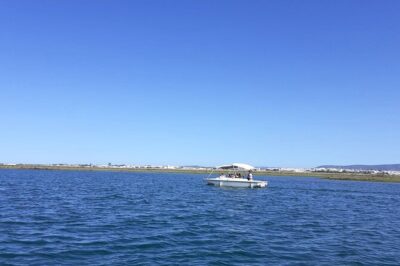
Birdwatching in Ria Formosa – Eco Boat Tour from Faro
Read our review →
Stork Transfers – Private Transfer From Albufeira to Faro Airport (up to 4 pax)
Read our review →Browse the lists this tour appears in