
Review · LISBON BIRDWATCHING TOURS
Lisbon : Birdwatching Boat Tour – Tagus Estuary
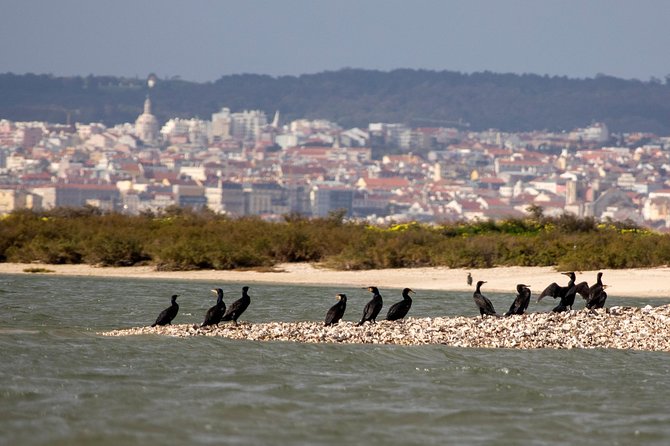
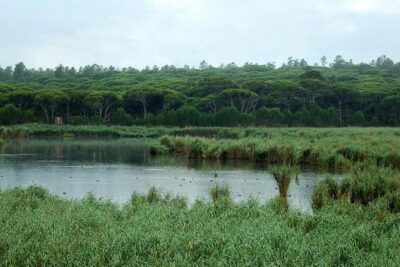
The striking thing here is how quickly Lisbon’s city edge gives way to open water and protected wetlands. From a steady rubber boat, you can look for flamingos, herons, spoonbills, and black-winged stilts in the Tagus Estuary, a huge tidal area with 14,000 hectares under protection.
I like the small group, capped at 12, and the fact that binoculars and a bird guide are supplied. I also like the thoughtful help from the biologist leading the trip, who uses a picture leaflet to make identification easier. The main catch is simple: birds are wild, and shallow water limits how close the boat can get. Bring a warm layer, especially when the boat is moving quickly.
Key points to know before you book
- A protected wetland beside Lisbon: The Tagus Estuary covers about 34,000 hectares, with 14,000 hectares protected.
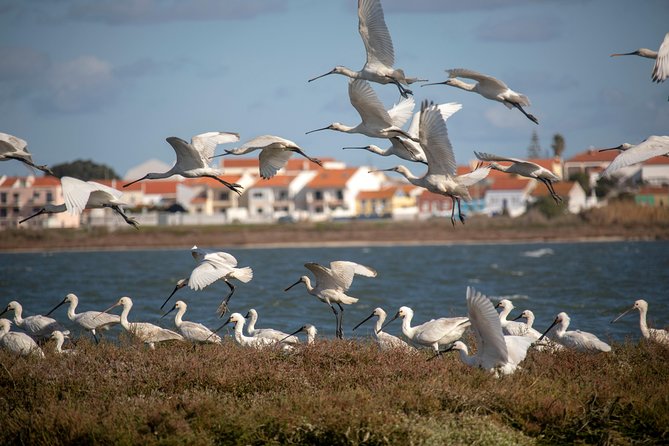
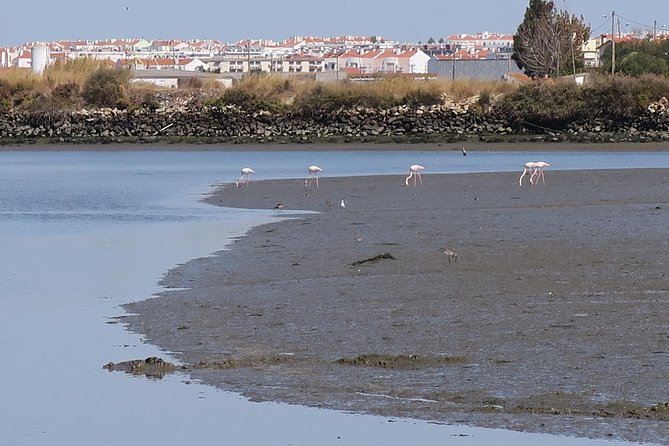
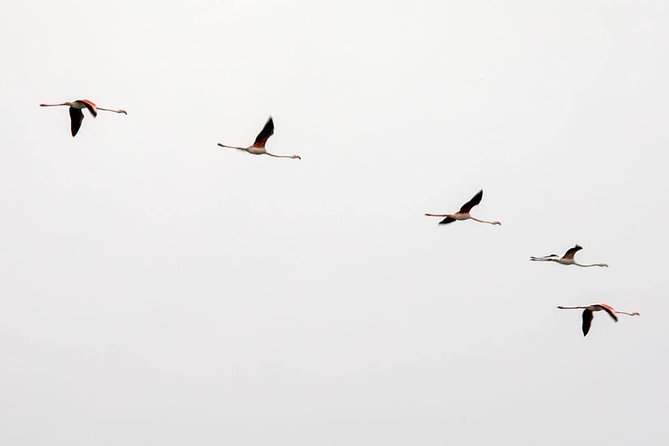
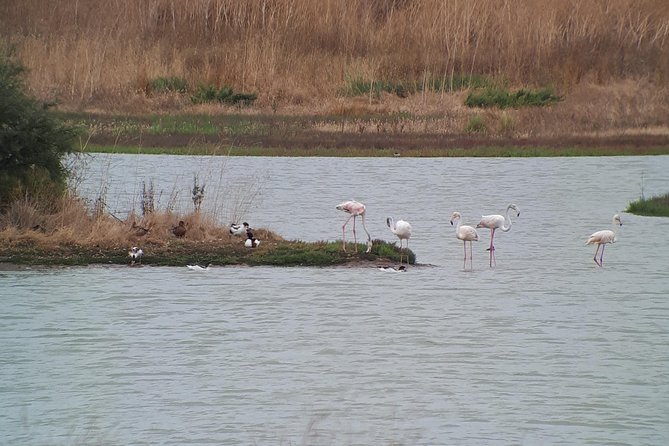
- Birds you might see: Flamingos, herons, spoonbills, and black-winged stilts are among the notable possibilities.
- A small, personal outing: The boat holds a maximum of 12 people, with an English-language guide.
- Binoculars are included: You do not need to bring your own optical gear to take part.
- Expect a cool ride: Jackets, hats, and sun protection are not provided, and the boat feels colder at speed.
- Weather matters: Poor conditions can lead to a new date or a full refund.
Why the Tagus Estuary makes a fine Lisbon side trip
Lisbon is often presented as a city of tiled streets, grand plazas, and hilltop views. The Tagus Estuary offers a different side of the capital. This broad meeting point of river and sea supports feeding birds and protected wetland habitats only a short distance from central Lisbon.
The scale is easy to underestimate. The estuary covers approximately 34,000 hectares, and around 14,000 hectares are protected. That gives the outing more substance than a quick boat ride with a few birds added for decoration. You are looking at a working natural area with real value for wildlife.
The Natura 2000 Special Protection Zone and the Tagus Estuary Natural Reserve are the key settings. Those designations matter because they help protect the mudflats, shallow water, and other habitats birds need. You may not see every species on the wish list, but the setting itself is the reason this trip can produce good sightings close to Lisbon.
I especially like the contrast. You begin near the city, then spend time watching the water, sky, and shoreline. The tour asks you to slow down and pay attention rather than race from one famous sight to another.
More Birdwatching Boat Trips in Portugal
- Lisbon: Tagus Estuary Nature Reserve Birdwatching Boat Tour
★ 4.9 · 117 reviews - Faro: Ria Formosa Eco Birdwatching Boat Tour
★ 4.6 · 73 reviews - From Faro: 2-Hour Guided Bird Watching Boat Trip
★ 4.6 · 71 reviews
Starting at Doca de Santo Amaro
The meeting point is SeaEO Tours at Doca de Santo Amaro Gate, Av. Brasília 3, 1350-353 Lisboa. The scheduled start is 10:00 a.m., and the trip returns to the same meeting point.
That return arrangement keeps the outing easy to plan. You do not need to arrange a second pickup point or work out how to get back from a distant marsh. The location is near public transportation, which helps if you are staying elsewhere in Lisbon.
The activity is offered in English, and confirmation is sent when you book. A mobile ticket is accepted, so you can keep the booking on your phone rather than print paperwork.
Praça do Comércio, also called Terreiro do Paço, appears as a brief five-minute stop in the program. This is Lisbon’s grand Pombaline square, with yellow buildings framing the riverfront. It is worth knowing that the birdwatching portion is the main event. The boat departs from Doca de Santo Amaro, so you should not think of the Praça do Comércio stop as a full sightseeing visit or a guided tour of central Lisbon.
The boat ride into protected water
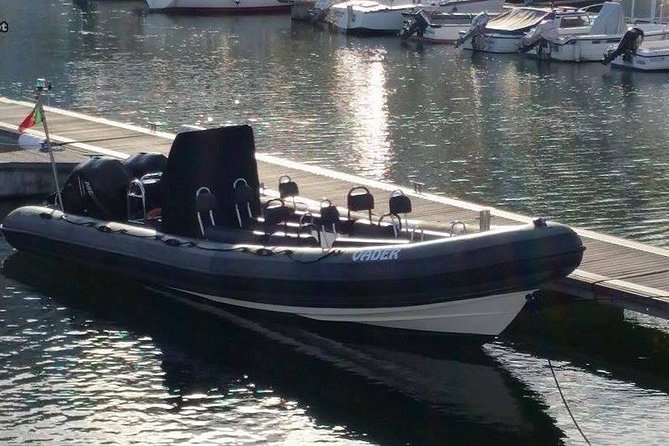
The boat portion lasts about two hours within the total 2.5-hour experience. You ride in a large rubber boat. One useful detail is its stability: the boat is described as steady, with a smooth ride on the estuary in normal conditions.
The seats are not lounge chairs. The comparison to sitting on horseback gives you a fair idea of the arrangement. You should be comfortable enough for the duration, but this is an active boat trip, not a luxury cruise with wide upholstered seats.
At speed, the air can feel cool. A jacket is particularly useful during the faster sections between birdwatching spots. Once the boat slows, conditions may feel warmer, especially in the sun. The operator does not provide coats, hats, or protective cream, so pack those yourself.
The water is often calm because the river is seldom rough, but do not treat that as a promise of a perfectly smooth ride every day. One outing included a bumpy trip to the estuary, and the leader checked on the group and offered to stop. The group chose to continue. That tells you something useful about the staff’s approach, but it also shows why weather and water conditions matter.
Life jackets are included. Personal accident and liability insurance are also included, along with all fees and taxes. The operator has held the Portuguese Tourism bureau’s Clean & Safe certification and states that boats are disinfected after each tour.
Finding flamingos, herons, and smaller waders
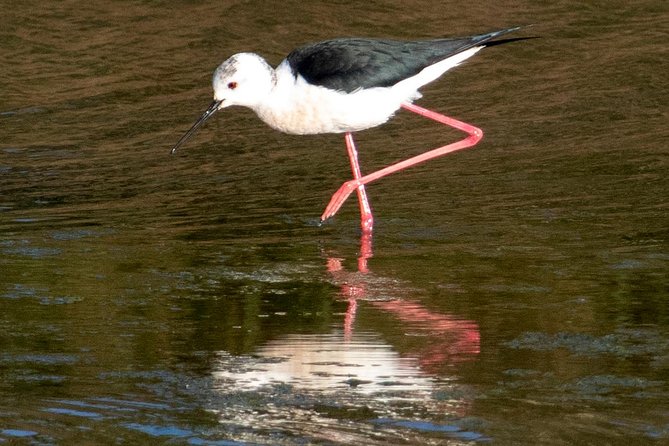
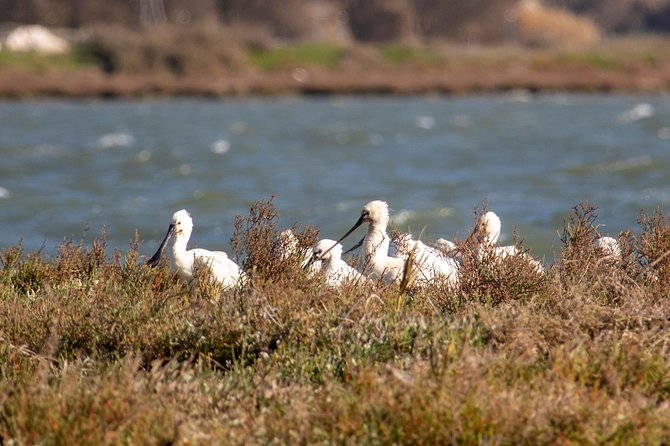
The bird sightings are the heart of the experience, but they are never guaranteed. The estuary can produce a fine mix of species, including flamingos and herons. Spoonbills and black-winged stilts are also possible, and both can be memorable additions to a birdwatching list.
The exact mix changes with season, tide, weather, and the birds’ own plans. A trip at the start of the winter season may benefit from more migratory birds after summer, though you should still avoid booking with a fixed checklist in mind.
The guide’s role adds real value. A biologist leads the outing and knows the local birdlife. A picture leaflet helps you match what you see with clear images, which is useful if you are new to birdwatching or still learning similar waders and shorebirds.
The guide can point out what to watch for, but the experience still requires patience. Sometimes the boat moves slowly around a birding area. Sometimes it travels faster to reach another site. I would bring a willingness to watch empty water for a few minutes. That quiet waiting is part of the activity, not a flaw.
Same place, a different morning in the field:
- Faro: Eco-Friendly Ria Formosa Bird Watching in Solar Boat
★ 4.7 · 359 reviews - Dolphin – Whale – Turtle – Bird Watching
★ 5.0 · 350 reviews - Faro: Ria Formosa Natural Park Segway Tour & Birdwatching
★ 4.9 · 180 reviews - Ria Formosa Natural Park Birdwatching Segway Tour from Faro
★ 5.0 · 164 reviews
What photographers should expect
Bird photography is possible, but this is not a close-range photography charter. Shallow water prevents the boat from approaching some subjects closely. You may need a longer lens or a camera with strong reach.
One useful example comes from a Sony RX10 IV, which produced enough good images despite the distance. That suggests you can come away with worthwhile pictures using a capable zoom camera, but you should not expect frame-filling portraits of every bird.
The boat’s movement also affects photography. At speed, wind and vibration make sharp images harder. Near birding sites, the slower pace helps, but the birds may remain far away. Binoculars are therefore just as important as a camera.
If your main aim is adding species to a life list, the trip may be more rewarding than if your only goal is professional-quality photographs. The chance to see four new species, including a black-winged stilt and spoonbill, can make the outing worthwhile for an active birder.
What the small group changes
The maximum group size is 12. That is small enough to keep the boat from feeling crowded and gives you a better chance to hear the guide’s explanations.
A small group also helps when people are looking in different directions. You can ask about an identification without shouting across a large vessel. The biologist can use the bird leaflet with the group and respond to questions as the outing develops.
Still, 12 people is not a private charter. At a good sighting, several people may want the same view, and you cannot expect the boat to reposition endlessly for one camera. The shallow water places a practical limit on everyone.
The small capacity is most useful for people who want a friendly introduction to estuary birdwatching rather than a formal research outing. Experienced birders can appreciate the local setting and guide, while beginners can borrow the group’s shared attention and equipment.
What is included for the $60.01 price
The price is $60.01 per person. I would judge that as fair if you value a guided nature outing, included binoculars, safety equipment, insurance, and a small group.
You are not paying only for a boat transfer. The price covers the guide, the two-hour water experience, life jackets, binoculars, all fees and taxes, and personal accident and liability insurance. A regional Muscat drink is also included as a welcome beverage.
The value is less clear if you simply want to see Lisbon from the water. For that purpose, a standard sightseeing cruise might offer more city views and a lower price. This trip earns its cost through the protected setting and the specialist focus on birds.
I also think the group limit matters. A larger, cheaper boat could give you less room and less contact with the guide. Here, the extra cost supports a more focused outing, though not a private one.
Who will enjoy this tour most
This is a good match for you if you already enjoy birdwatching or want a gentle introduction to it. It suits people who like natural settings, patient observation, and a few hours away from Lisbon’s busiest streets.
Families and mixed-interest groups can take part because most people can participate, and service animals are allowed. Still, young children who need constant activity may find the slower birdwatching periods difficult.
Photographers should bring a zoom camera, but should keep expectations realistic. The boat cannot always get close, and shallow water may keep birds at a distance.
You should also be comfortable with an open-air boat and changing conditions. Bring a jacket, hat, and sunscreen. Even if the day feels warm at the dock, the faster ride can be chilly.
Booking, weather, and cancellation details
The experience is usually booked about 14 days ahead, so reserving early is sensible if your Lisbon schedule is tight. It requires good weather, and the operator may cancel if conditions are poor or if the minimum number of participants is not reached.
If the operator cancels, you are offered another date or experience, or a full refund. You can cancel yourself for a full refund if you do so at least 24 hours before the start time. Changes or cancellations inside that window are not accepted and are not refunded.
The boat returns to the starting point. That makes the timing easier to combine with another Lisbon activity, though I would leave some spare time afterward in case the outing runs slightly over its approximate duration.
Should you book the Tagus Estuary boat tour?
I would book this if you want to pair Lisbon with a real wetland experience, especially if flamingos, herons, or shorebirds interest you. The small group, supplied binoculars, biologist guide, and protected estuary setting give the trip more purpose than a standard sightseeing cruise.
I would hesitate only if you need guaranteed sightings, close photography, or a fully sheltered boat. Wild birds set the schedule, and the ride can be cool or bumpy.
For most nature-minded visitors, the best approach is to bring warm clothes, accept that some patience is required, and treat each sighting as a bonus. At $60.01, it is a sensible choice for a focused half-day outing close to Lisbon, especially if you value the chance to add a spoonbill or black-winged stilt to your list.
FAQ
Where does the Tagus Estuary birdwatching tour start?
It starts at SeaEO Tours, Doca de Santo Amaro Gate, Av. Brasília 3, 1350-353 Lisboa, Portugal.
What time does the tour begin?
The scheduled start time is 10:00 a.m.
How long does the experience last?
The total experience lasts approximately 2 hours and 30 minutes. The boat portion lasts about 2 hours.
Does the tour return to the starting point?
Yes. The activity ends back at the meeting point.
Are binoculars provided?
Yes. Binoculars are included, along with life jackets, all fees and taxes, and personal accident and liability insurance.
What birds might I see?
Possible sightings include flamingos, herons, spoonbills, and black-winged stilts. Sightings depend on natural conditions and are not guaranteed.
What happens if the weather is poor?
The experience may be canceled because it requires good weather. You will then be offered a different date or a full refund.
Just added around Portugal
- Visit to Madeira Bird Island★ 4.6 · 22 reviews
- Vila Franca do Campo: Marine Life & Bird Watching & Islet Tour★ 4.4 · 9 reviews
- Azores Marine Birdwatching Expedition w/ Biologist Guide★ 4.5 · 19 reviews
- Birdwatching Private Tour at Fascinating Salgados Lagoon★ 5.0 · 6 reviews
- Private Birdwatching from Porto★ 5.0 · 33 reviews
- Bird Watching in Albufeira Lagoon★ 5.0 · 2 reviews
- Birdwatching day around Sagres★ 5.0 · 3 reviews
- Birdwatching at Ria de Alvor★ 5.0 · 2 reviews
Lisbon Birdwatching Tours, compared.
Tagus Estuary Nature Reserve Birdwatching Boat Tour
Read our review →
Boat Tour – Bird Observation in the Tejo Nature Reserve
Read our review →Ultimate Lisbon Food Tour – Street Eat, Taverns & Flaming Sausage
Read our review →
Browse the lists this tour appears in