
Review · NEW ZEALAND BIRDWATCHING TOURS
Oamaru: Penguins Evening Viewing Ticket
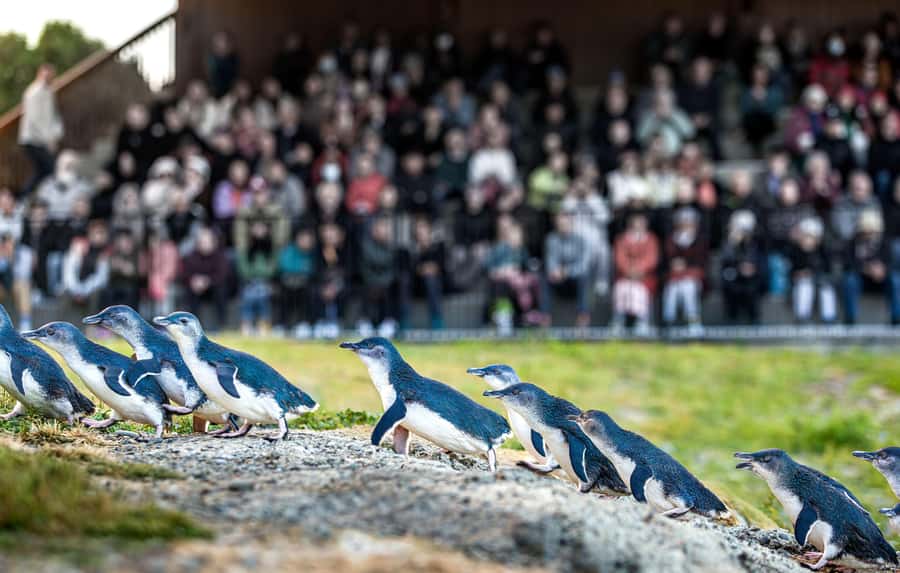
The best part of this Oamaru evening is the moment tiny blue heads appear above the beach, followed by a line of penguins waddling up the stones toward home. You sit quietly as they pass close to the viewing area, sometimes no more than 10 to 15 metres away.
I like the clear conservation purpose, since your $28 ticket helps fund penguin protection and research. I also like the guides’ practical commentary, which explains why the birds travel in groups, how they breed, and why silence and darkness matter. The catch is simple: it can be very cold, and the penguins arrive on their own schedule.
Key points at a glance
- Penguins return after sunset: Arrival may be as early as 5:30 PM in winter or as late as 9 PM in summer.
- Numbers vary widely: You might see fewer than 30 in winter or more than 400 during a busy summer evening.
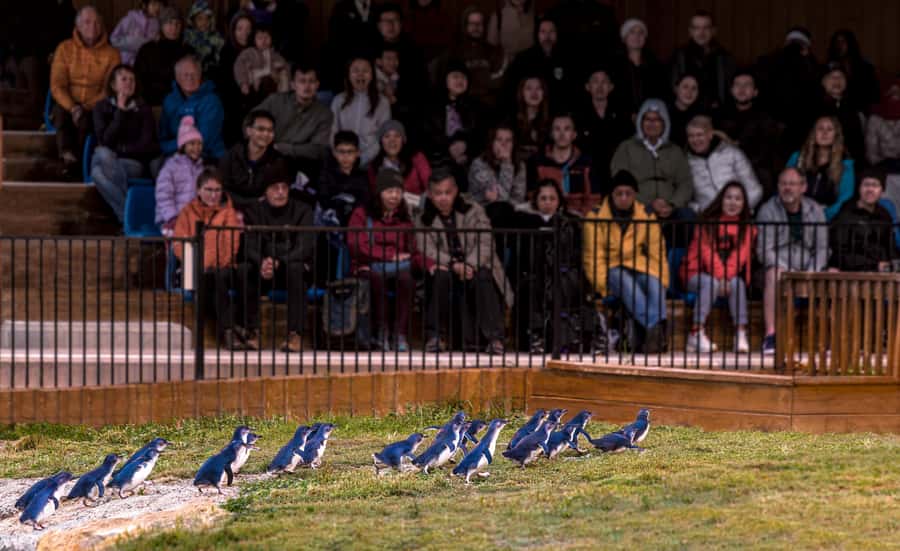
- Close but controlled viewing: The general seating area is about 10 to 15 metres from the nesting route.
- No cameras or phones: Photography and video are strictly forbidden to protect the penguins from light and disturbance.
- Wildlife beyond penguins: New Zealand fur seals and Otago Shags may also appear nearby.
- Your ticket supports conservation: Admission helps fund the colony’s research and protection work.
Watching Oamaru’s penguins come home
This is not a staged animal show. The little blue penguins spend the day at sea, then return to shore when the light fades. You watch the real routine: a few birds arrive, pause, gather courage, and then hurry toward the colony in small groups.
The penguins are tiny, and that is part of the charm. Their blue-grey bodies can be surprisingly hard to spot at first, especially in low light. Then one waddles into view and the whole scene becomes easier to follow. A group may gather near the beach before crossing the stony ramp and heading toward its nesting boxes.
Some evenings bring a modest number of birds. Winter arrivals can drop below 30. At other times, more than 200 appear, with summer totals sometimes reaching 300 or 400. One reported evening reached 410 penguins, while other nights brought about 100, 160, 230, or 330. You should come for the behaviour and setting, not a guaranteed head count.
That uncertainty makes the experience feel more like wildlife watching than theatre. The colony cannot send out extra penguins for a stronger performance. If the birds are slow to arrive, you wait.
More Penguin Tours in New Zealand
- Guided Evening Penguin Viewing Otago Peninsula, Dunedin, New Zealand
★ 5.0 · 471 reviews - Dunedin: Wildlife and Penguin Tour
★ 4.6 · 239 reviews - Otago Peninsula In-Depth Tour & Blue Penguins Pukekura Experience
★ 5.0 · 163 reviews
A simple 90-minute evening at the colony
Arrive at the Oamaru Blue Penguin Colony on Waterfront Road about 10 minutes before your scheduled time. You check in with the team, then follow staff to the assigned seating area.
If you arrive early, allow time to look through the Discovery Centre and its small exhibition area. It gives you useful context before you sit outside, including information about the penguins’ biology, breeding habits, and the colony’s conservation work.
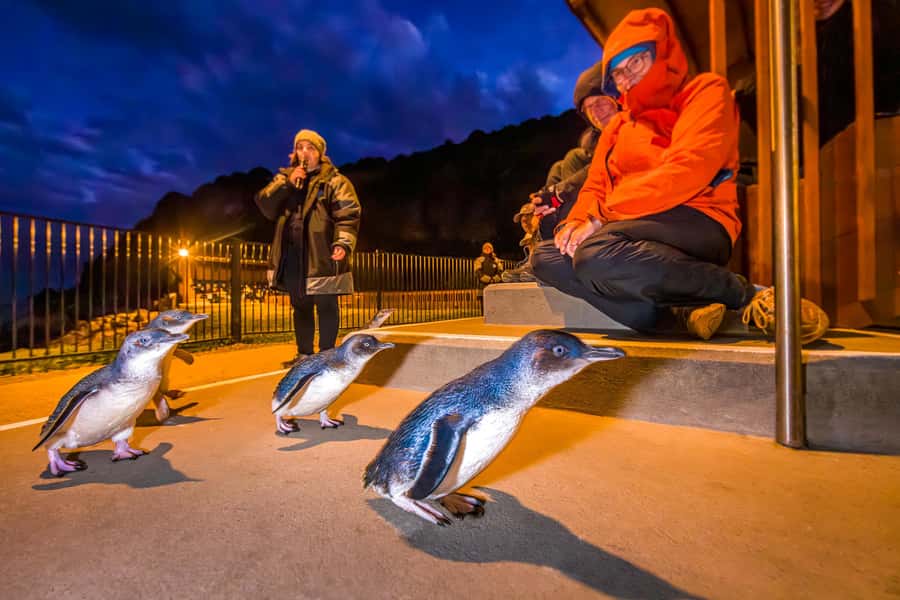
The main event takes place outdoors. You sit facing the beach, the ramp, and the route into the nesting area. Guides provide commentary in English or Chinese, explaining what to watch for and how the colony protects the birds.
The talk is most useful before the penguins arrive. Once the first groups appear, the guides reduce or stop their commentary so you can hear and watch the birds. That change from explanation to silence is important. It keeps the penguins calm and makes the return feel more natural.
At the end, you leave according to staff instructions. Depending on the seating and access arrangements, you may see the birds moving around the nesting area as you make your way out. Several people found this especially interesting because penguins could be seen and heard close to their boxes.
Why the no-photo rule matters
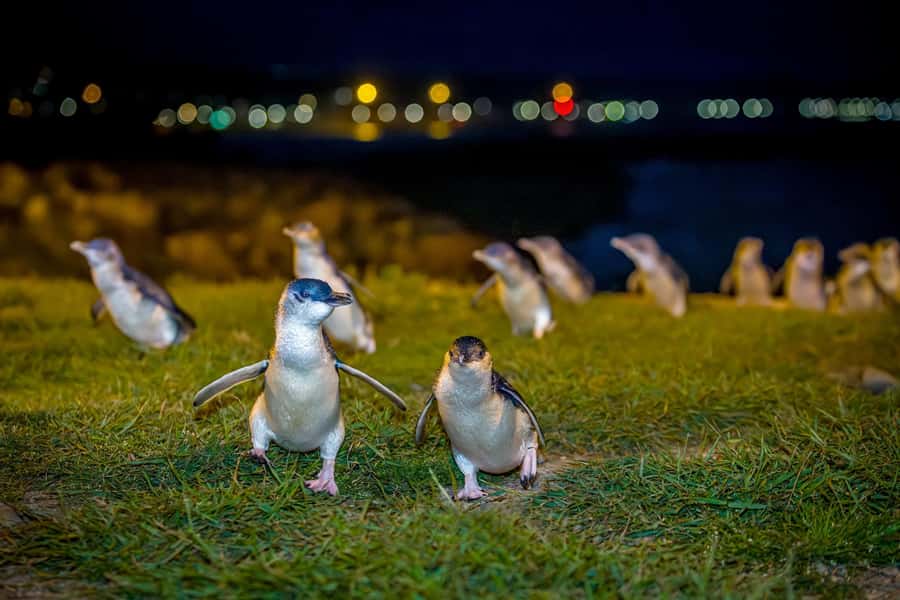
You cannot use cameras or phones in the seating area. Photography and video are strictly prohibited, and flash or phone light can harm or disturb the penguins’ eyes.
This rule may frustrate you if you are used to recording every stop. Here, it improves the experience. You are not checking a screen while a group of penguins passes. You are also less likely to distract other people or encourage someone nearby to break the silence.
Staff actively enforce the rule. That can feel strict, but it is part of the deal. The colony is allowing you to watch wild birds at close range, not asking the birds to perform for you.
I would treat the ban as a useful reset. Put your phone away before the viewing begins, settle into the cold, and pay attention to the sounds. You may leave without a photograph, but you will have watched the birds behave without a crowd of glowing screens around them.
General seating, premium views, and what changes
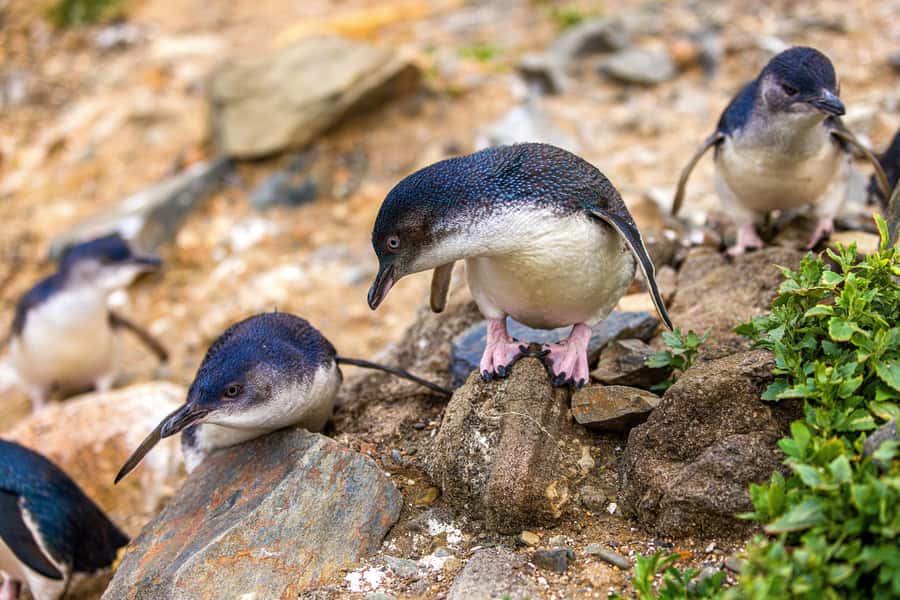
The $28 ticket is for general admission evening viewing. From this area, the penguins come ashore and make their way toward the nesting boxes, usually within about 10 to 15 metres.
General seating can still provide a fine view. Penguin routes vary, and birds may pass through the central section or close to your row. You may not need the most expensive seat to see them well, especially on an evening when a group chooses a nearby route.
Premium seating is a separate upgrade, and many people considered it worth paying extra for a closer or better-angled view. It can put you nearer to the penguins and may offer better seating. Some premium areas also allow you to pass through the colony on the way out, giving you a closer look at the nesting area.
There is one important catch. Premium does not guarantee the perfect angle for every part of the return. A closer seat may show the penguins well once they reach the colony, but not always their climb up the rocks. If your priority is seeing the approach from the beach, general seating can still work well.
I would choose premium if close views and a possible walk through the nesting area matter a great deal to you. The standard ticket offers better value if you mainly want to watch the homecoming and support the conservation work.
Same place, a different morning in the field:
- Gannet Safaris Overland tour to Cape Kidnappers Gannet Colony
★ 5.0 · 942 reviews - Napier: Cape Kidnappers Gannet, Nature & Sightseeing Tour
★ 4.8 · 317 reviews - Albatross, seals, and sea birds-Wildlife Cruise
★ 5.0 · 189 reviews - Akaroa: Pohatu Penguins Scenic Nature 2-Hour or 4-Hour Tour
★ 4.9 · 125 reviews
The guides add meaning to the waiting
The commentary covers more than basic penguin facts. You learn about the birds’ biology, ecology, breeding habits, and daily routine. Guides also explain the colony’s work to protect the penguins and why these small birds matter in New Zealand.
The quality of the presentation depends partly on where you sit and how clearly the microphone carries. Some people found the information excellent, while others wanted more facts or clearer sound. A little patience helps, since the important part of the talk comes before the birds appear, not during every moment of the viewing.
The team also manages visitor behaviour. You will be told to stay seated, keep quiet, and avoid photography. This control may feel formal, but it protects the penguins and gives everyone a fair chance to watch.
The staff can also adapt when needed. One guide prepared a written version of the spoken information for a deaf visitor, which made the experience more accessible. The viewing area is wheelchair accessible as well.
Cold air, late nights, and realistic planning
The main practical issue is temperature. You sit still outdoors beside the water after sunset, and Oamaru evenings can become very cold. Bring a warm jacket, long trousers, enclosed shoes, and extra layers. A wool hat, scarf, and gloves would be sensible for a winter visit.
The timing changes by season. In winter, the penguins may arrive home as early as 5:30 PM. In summer, viewing can start much later, sometimes around 9 PM. That matters if you are travelling with children or arranging dinner afterward.
Small children may struggle with the wait, the cold, and the need to remain quiet. I would think carefully before booking for a very young child. Older children who can sit patiently and follow the rules should get much more from it.
The full experience lasts about 90 minutes. That includes check-in, the introduction, waiting for the birds, watching them reach the colony, and leaving the viewing area. Do not schedule a tight evening connection immediately afterward.
Seals, shags, and the wider waterfront
The penguins are the reason to come, but they are not always the only wildlife in view. New Zealand fur seals may rest near the entrance or on nearby rocks. Otago Shags and other seabirds can be seen around a nearby wharf.
A seal can create a funny wildlife moment without any help from the guides. On one evening, a seal rested near the entrance holes, causing the penguins to stop and study it before one brave bird led the way past. These moments are unpredictable, but they add to the sense that you are watching a working animal colony rather than a set routine.
Do not expect a separate seal tour or a guaranteed close encounter. Consider any extra wildlife a bonus. The setting gives you a chance to watch more of Oamaru’s coastal life while waiting for the penguins.
Is $28 good value?
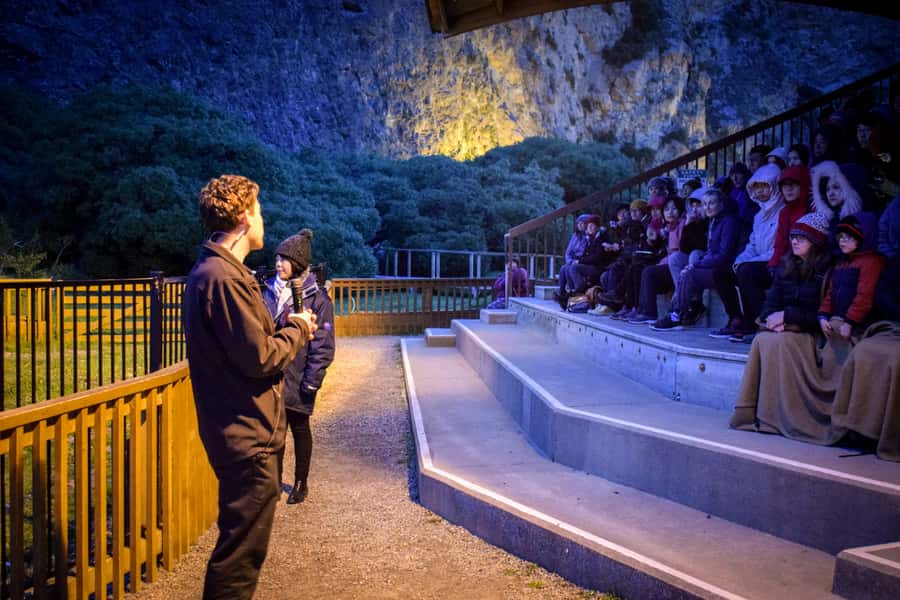
At $28 per person, the ticket is reasonably priced for a 90-minute guided wildlife experience, especially because admission supports conservation and research. You are paying for staff, protected viewing facilities, colony management, and the chance to observe wild penguins without disturbing them.
The value is strongest if you care about responsible wildlife tourism. The ticket does not buy guaranteed numbers, perfect weather, or a photograph. It buys access to a carefully controlled viewing area and helps fund the work that makes the colony possible.
If you only want a quick glimpse of a penguin, you may find the wait too long. If you want to understand the birds and watch their evening routine from a respectful distance, the price is easier to justify.
The premium upgrade costs extra, though the exact amount is not given here. I would not assume you need it. General admission has produced close views, including penguins passing through the central seating area. Premium makes more sense if you value the best chance of a close angle and access near the nesting area afterward.
Who will enjoy this most
I would recommend this experience to wildlife lovers, photographers who can accept leaving their camera behind, families with older children, and anyone who wants a conservation-focused stop in Oamaru.
It also suits visitors who prefer a quiet, structured activity. You receive clear instructions, sit in a designated area, and watch without approaching the birds. The setup is wheelchair accessible, which makes it a useful option for visitors with mobility needs.
I would hesitate to recommend it to anyone who dislikes cold evenings, cannot sit still for long, or expects a guaranteed spectacle. Penguin numbers change sharply by season, and the wait is part of the experience.
For the best chance of a large arrival, summer appears more promising, with reports of well over 200 birds and occasional totals above 300. Winter can bring fewer than 30, but the earlier start may suit people who dislike late nights. No season guarantees a particular number.
Should you book the Oamaru Penguin Colony?
Book it if you want a close, carefully managed look at little blue penguins returning from the sea, and if you are willing to respect the no-photo and silence rules. The combination of expert commentary, conservation funding, nearby seals, and real wildlife behaviour gives the evening solid value.
Choose general admission for the sensible price. Consider premium seating only if you want the closest possible view and a chance to walk near the nesting area afterward. In either case, bring more warm clothing than you think you need.
I would book this as one of Oamaru’s worthwhile evening activities, with one condition: go for the experience, not a guaranteed penguin count. Some nights are quiet. Others bring hundreds. Either way, you are watching a genuine return-home ritual and helping protect the colony at the same time.
FAQ
Where does the penguin viewing take place?
The meeting point is Oamaru Blue Penguin Colony, Waterfront Road, South Hill, Oamaru 9400, New Zealand.
How long does the experience last?
The viewing experience lasts 90 minutes.
How much does general admission cost?
The general admission evening viewing ticket costs $28 per person.
How close can I get to the penguins?
The general admission viewing area is approximately 10 to 15 metres from the route where the penguins come up the beach and enter the nesting area.
Can I take photos or videos?
No. Photography and video are strictly prohibited, including the use of cameras and phones in the seating area. Flash and light can disturb the penguins’ eyes.
What should I wear?
Bring warm clothing, including an enclosed pair of shoes, a jacket, and long trousers. Evening conditions can be very cold, so extra layers, a hat, and a scarf are useful.
What time do the penguins arrive?
Arrival times vary by season. In winter, the penguins may return as early as 5:30 PM. In summer, viewing can be as late as 9 PM.
Is the viewing area wheelchair accessible?
Yes, the activity is wheelchair accessible.
More Evening Experiences in New Zealand
- Akaroa: Pohatu Little Penguins 3-Hour Evening Experience
★ 4.8 · 119 reviews - Royal Albatross – Sunset Sail Cruise with 5-Course Seated Dinner
★ 5.0 · 467 reviews - Sunset Camel Trekking with Falcon Show & VIP BBQ Dinner
★ 5.0 · 466 reviews - Cape Town: Penguins and Cape of Good Hope Sunset Tour
★ 4.2 · 303 reviews
Just added around New Zealand
- One Day Birding Adventure★ 5.0 · 7 reviews
- Harbour, Albatross and Wildlife Cruise on Otago Harbour★ 4.5 · 22 reviews
- Iconic Wildlife Tour with Yellow Eyed Penguins & Royal Albatross★ 4.5 · 33 reviews
- Clearwater Private Penguin & Wildlife Tour from Port Otago (5hrs)★ 5.0 · 7 reviews
- Motuara Island Bird Sanctuary and Ship Cove Cruise from Picton★ 4.0 · 36 reviews
- Private tour to Cape Kidnappers Gannet Colony★ 5.0 · 10 reviews
- Dunedin City Highlights, Otago Peninsula Scenery & Albatross Guided Tour★ 5.0 · 41 reviews
- Wildlife and Penguin Tour★ 5.0 · 27 reviews
New Zealand Birdwatching Tours, compared.
Gannet Safaris Overland tour to Cape Kidnappers Gannet Colony
Read our review →
Guided Evening Penguin Viewing Otago Peninsula, Dunedin, New Zealand
Read our review →
Napier: Cape Kidnappers Gannet, Nature & Sightseeing Tour
Read our review →
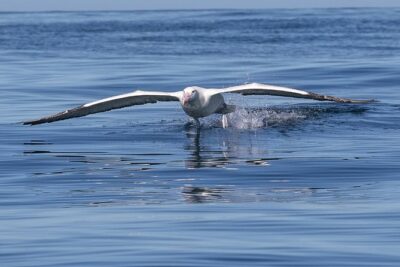
Albatross, seals, and sea birds-Wildlife Cruise
Read our review →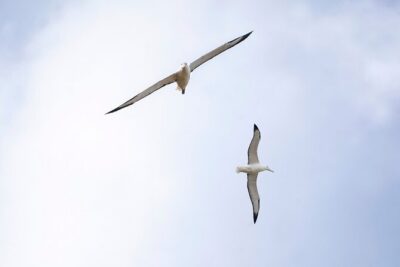
Otago Peninsula In-Depth Tour & Blue Penguins Pukekura Experience
Read our review →
Akaroa: Pohatu Penguins Scenic Nature 2-Hour or 4-Hour Tour
Read our review →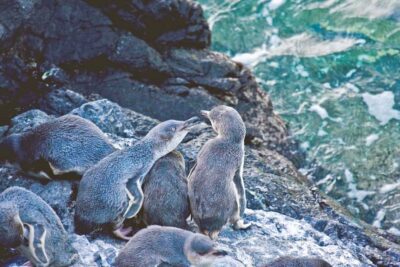
Akaroa: Pohatu Little Penguins 3-Hour Evening Experience
Read our review →Browse the lists this tour appears in