
Review · NEW ZEALAND BIRDWATCHING TOURS
Otago Peninsula In-Depth Tour & Blue Penguins Pukekura Experience
The real star here is the return of the little blue penguins at dusk. After a broad tour of the Otago Peninsula, you sit near the shore at Pukekura and watch the world’s smallest penguins emerge from the sea, then waddle past to their burrows only metres away. I love the small van group, limited to 11, and the way guides such as Jonathan, Danni, James, and Sian fill the drive with useful local detail.
I also like that this is not just a quick penguin stop. You learn about geology, Māori culture, plants, birds, and conservation before reaching the reserve. The main drawback is timing: penguins return when they are ready, not when the clock says so, and the platform can be very cold after dark.
Key points at a glance
- Little blue penguins at close range: Watch them come from the water and pass near the viewing platform without flash photography.
- A proper Otago Peninsula introduction: The route covers natural history, human history, botany, geology, and zoology.
- Small transport group: The tour itself takes no more than 11 people, making stops and guide interaction easier.
- Wildlife beyond penguins: Depending on season and conditions, you may see seals, albatross, and other coastal birds.
- Good evening planning: Pickup, the peninsula tour, penguin viewing, and return to Dunedin are built into roughly five hours.
- Bring serious warm layers: Once the sun drops, the coastal air can feel bitterly cold.
Why the penguin return is worth the late finish
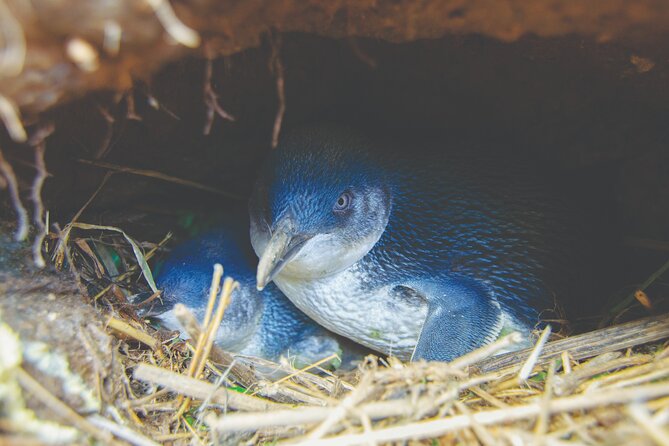
The little blue penguin is small enough to look almost toy-like, but the setting makes the sighting feel properly wild. These birds spend the day at sea and return after dark to feed their chicks or rest. You watch the waterline, then see groups appear and make their way inland.
The viewing platform gives you a close look without turning the colony into a petting attraction. Photography is allowed, but flash is not. That rule matters. The birds are wild, and the reserve’s work centres on protecting the Otago Peninsula’s largest penguin colony.
The timing can be uncertain. One evening the penguins may arrive promptly, while another may leave you waiting longer. That is part of the bargain with wildlife. The provider offers a 30 percent refund if fewer than five penguins are seen on this booking channel, but there is no promise of a large parade every night.
The upside is that the numbers can be remarkable. Some evenings produce well over 100 penguins in about an hour. You should treat that as a possibility, not a guarantee.
More Penguin Tours in New Zealand
- Oamaru: Penguins Evening Viewing Ticket
★ 4.5 · 682 reviews - Guided Evening Penguin Viewing Otago Peninsula, Dunedin, New Zealand
★ 5.0 · 471 reviews - Dunedin: Wildlife and Penguin Tour
★ 4.6 · 239 reviews
Leaving Dunedin in a small group
Pickup begins at the Dunedin i-SITE Visitor Information Centre at 50 The Octagon. The first part of the journey takes about 30 minutes, including pickup time, as you pass some of Dunedin’s notable buildings and head toward the peninsula.
The small group makes a difference here. A maximum of 11 people means you are not being moved around in a large coach, and the guide can point out details without a microphone and a long wait for everyone to hear. Hotel pickup and drop-off may also be available, which is useful if you would rather not find your way back through Dunedin late at night.
Guides have included Jonathan, Danni, James, and Sian, with each bringing a slightly different style. The strongest part of the guiding is the range of subjects covered. You are not given only bird names and photo stops. The commentary also connects Dunedin, Māori stories, the peninsula’s human past, local plants, rock formations, and animal behaviour.
If you are prone to motion sickness, tell the guide early. One person was able to sit at the front of the van for a more comfortable ride, though this should be treated as a possible courtesy rather than a guaranteed seat.
What makes the Otago Peninsula route worthwhile
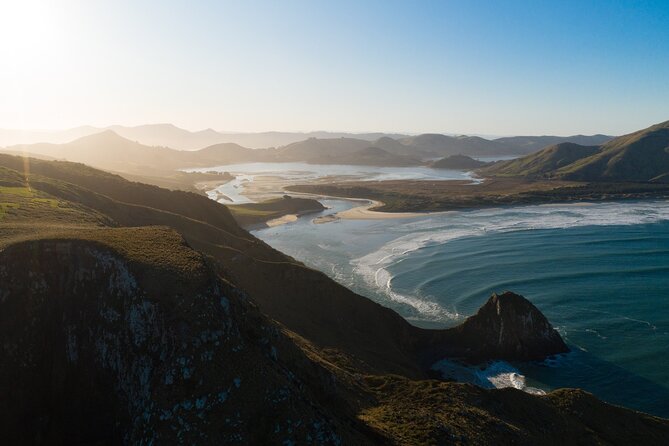
The peninsula portion lasts about one hour and 45 minutes. This is where the tour earns much of its price. You could drive toward Taiaroa Head on your own, but you would miss the small observations a local guide can make along the way.
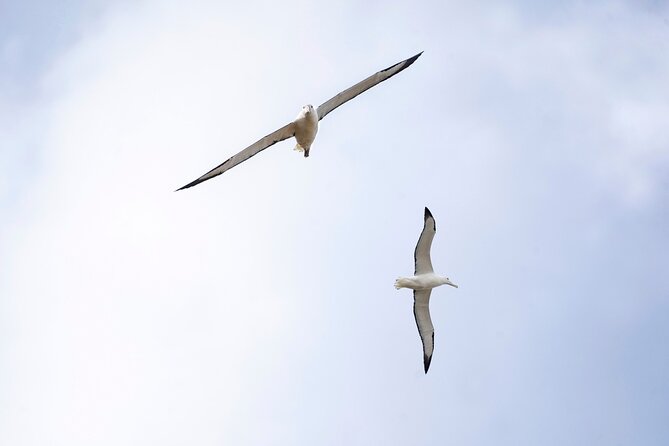
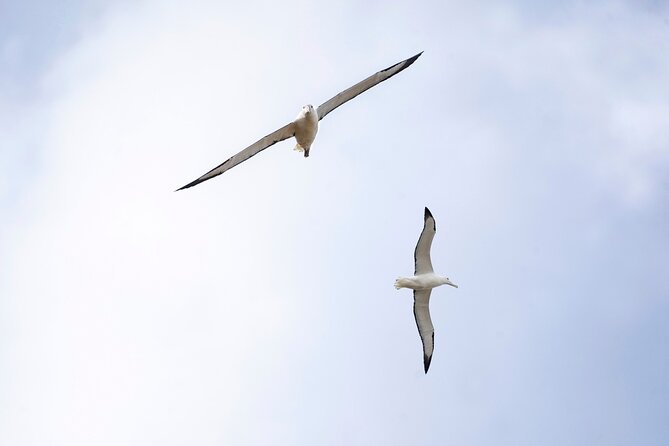
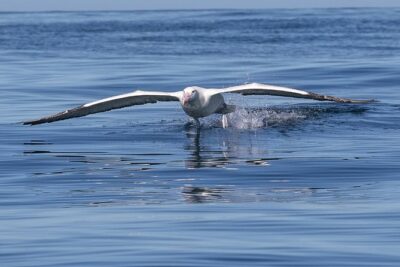
The route includes scenery and wildlife stops, with chances to look for seabirds and other animals. Depending on season and weather, you might see seals, albatross, and a variety of coastal birds. Albatross sightings are possible, but they are not assured. Wind and season affect what is flying, and calm weather may mean no albatross overhead.
The guides also explain the peninsula as a living system. You hear how land, sea, plants, birds, and people fit together. That wider context gives the later penguin viewing more meaning. The penguins are not a separate show tacked onto a van ride. They are part of a coastal environment that the tour spends time explaining.
The road itself adds to the experience. Some parts are winding, and driving back at night is not a task everyone wants after standing outside in the cold. Having someone else handle the route lets you watch the scenery on the outward journey and relax on the return.
Taiaroa Head and Pukekura’s cultural setting
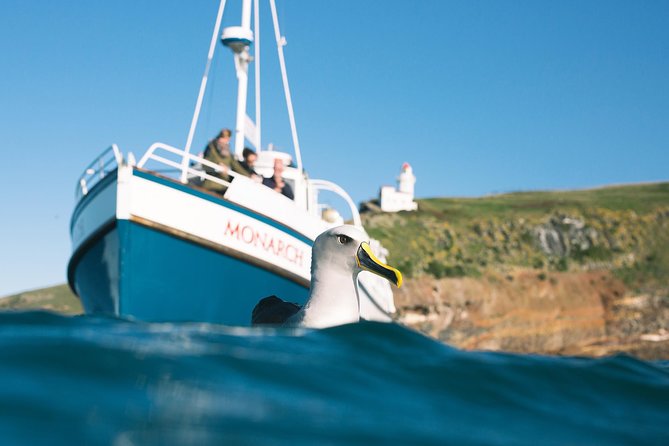
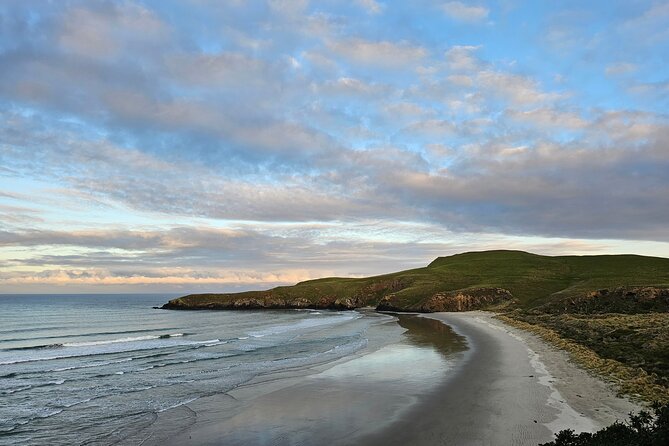
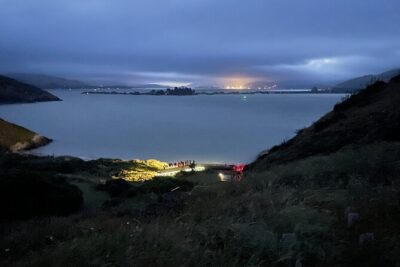
At the end of the peninsula, Pukekura, also known as Taiaroa Head, is important for both Māori culture and wildlife protection. The guide leads you to cliff viewing locations for a short stop of about 30 minutes.
This is a useful pause before the penguin session. You have time to take in the headland, look for seals near the coast, and watch for albatross overhead when conditions cooperate. The setting is exposed, so even before darkness falls, a warm layer is welcome.
The stop also helps place the reserve in context. Pukekura is not simply a venue built around a cute animal. It is a significant site with cultural meaning and a protected colony. A guide who can explain both sides of that story gives you more than a quick wildlife photograph.
Do not expect every animal on every departure. The tour information clearly notes that wildlife sightings are seasonal. Weather, wind, and animal behaviour all shape the day.
Same place, a different morning in the field:
- Gannet Safaris Overland tour to Cape Kidnappers Gannet Colony
★ 5.0 · 942 reviews - Napier: Cape Kidnappers Gannet, Nature & Sightseeing Tour
★ 4.8 · 317 reviews - Albatross, seals, and sea birds-Wildlife Cruise
★ 5.0 · 189 reviews - Akaroa: Pohatu Penguins Scenic Nature 2-Hour or 4-Hour Tour
★ 4.9 · 125 reviews
The Blue Penguins Pukekura viewing platform

The blue penguin session lasts about 90 minutes and is shared with other visitors. The small van group joins a larger penguin experience, with up to 75 people at the reserve. That is worth understanding before booking. Your transport group is intimate, but the viewing itself is not private.
The platform is arranged for close views. Penguins can walk past only metres away, giving you a fair chance to see their short legs, quick waddle, and different calls. The birds may arrive in groups, pause near the water, or make their way toward burrows. You are watching natural behaviour, not a staged feeding session.
The centre also provides information before the viewing. This helps you understand why the birds return after dark and how the colony is managed. The reserve’s charitable trust model is another useful point: money supports the site and its conservation work rather than treating the penguins as a simple commercial attraction.
Photography is allowed without flash. A phone can record the moment, but do not let the screen become the whole experience. Keep your eyes on the beach. The most memorable sight is often the first small group appearing from the darkness.
The platform includes about 60 stairs, and you need to walk about 300 metres without help. This is not a hard expedition, but it is not fully step-free. Anyone who struggles with stairs or extended standing should consider that before booking.
Cold, darkness, and the practical side of waiting
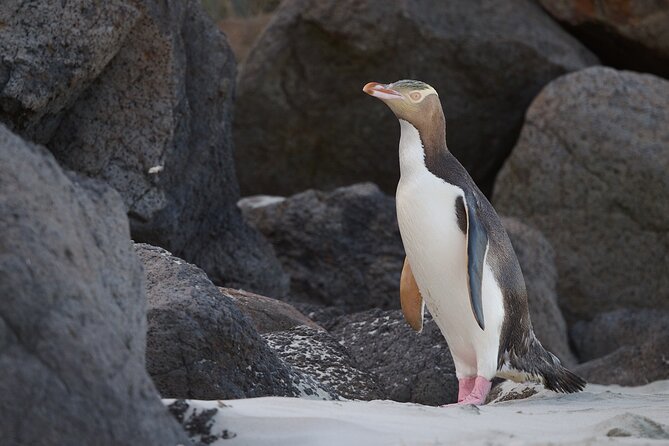
The most repeated practical lesson is simple: bring a proper jacket. You are outdoors for much of the tour, and the temperature can drop sharply after dark. Add warm layers, a hat, and clothing that works while standing still near the coast.
You cannot use umbrellas on the penguin platform because they could create an eye hazard for others. If rain is forecast, choose a waterproof jacket instead. The tour requires good weather, so poor conditions can lead to a new date or a full refund.
The late return also matters. The full outing takes about five hours, and one departure returned to Dunedin around 11:30 p.m. The exact timing depends on pickup arrangements and how long the penguins take to come ashore. Do not schedule an early morning activity immediately afterward.
Children must be at least six years old. Vehicles do not carry small child restraints, and the tour is not suited to very young children. Most adults and older children who can manage the walk and stairs should be able to take part.
How the guides shape the experience
This tour depends heavily on the person in the front seat. The guide drives, watches for wildlife, manages the timing, and turns the road into a lesson.
Jonathan has been praised for covering natural and human history along with birds and local wildlife. Danni is known for an energetic approach and a strong interest in conservation. James has a calm, helpful style, while Sian has been singled out for combining facts, local stories, and humour.
You should expect interpretation rather than a silent transfer. The guide may point out birds that are easy to miss, explain local landmarks, and connect what you see with Māori culture and the peninsula’s past. That is especially useful if this is your first introduction to Dunedin.
The exact tone will vary by guide and group. That is normal on a small tour. The consistent benefit is having someone who knows what to look for and can make sense of a place you might otherwise experience as a scenic drive.
Is $102.39 a fair price?
At $102.39 per person, this is more expensive than simply hiring a car and driving to a viewing centre. But the comparison is not quite fair. The price includes the return journey from Dunedin, a guided peninsula route, wildlife stops, local interpretation, and the Blue Penguins Pukekura session.
You are also paying for convenience at the most awkward part of the day. The penguins arrive after dark, and the return road can be winding. A guide handles the driving while you focus on the views and the wildlife.
I see the strongest value for someone with only a short time in Dunedin. In five hours, you get a broad introduction to the peninsula and an evening wildlife experience. If you are already planning several days of independent exploration, you may prefer to rent a car and choose individual stops. Even then, the guide’s local knowledge and conservation connection add something a self-drive visit cannot easily reproduce.
The high 4.9 rating from 163 ratings and 99 percent recommendation suggest the format works well for most people. Still, value depends on your priorities. You need to enjoy outdoor waiting, accept uncertain wildlife timing, and be comfortable returning late.
Who should book this Otago Peninsula tour?
I would choose this experience if you want more than a single animal sighting. It suits people who like scenery, local stories, natural science, and a close wildlife encounter in the same outing.
It is especially useful for:
- First-time visitors to Dunedin
- Solo visitors who prefer a well-organised small group
- Wildlife fans who want penguins in a protected natural setting
- People who do not want to drive winding roads after dark
- Families with children aged six and up who can manage the walk and stairs
- Visitors who want both albatross and penguin possibilities, without treating either as guaranteed
I would think twice if you dislike cold evenings, cannot manage stairs, or need a strict finish time. I would also avoid building the decision around a guaranteed albatross sighting. The little blue penguins are the central attraction, but even they follow their own schedule.
My recommendation for the booking decision
Book this tour if you want an easy way to understand the Otago Peninsula before settling in to watch its smallest penguin. The combination of a small transport group, strong guiding, wildlife stops, and a carefully managed viewing platform gives you much more than a ride to a penguin centre.
Set your expectations correctly. Bring warm clothing, allow five hours or more of evening time, and accept that the animals control the timetable. If you can do that, this is a strong-value Dunedin outing and one of the better ways to see blue penguins without losing sight of the wider place they call home.
FAQ
Where does the tour start?
The listed meeting point is the Dunedin i-SITE Visitor Information Centre at 50 The Octagon, Central Dunedin. Pickup is offered.
How long does the experience last?
The tour lasts approximately five hours, including the Dunedin transfer, Otago Peninsula touring, Taiaroa Head, penguin viewing, and the return to Dunedin.
How many people are in the tour group?
The tour vehicle group has a maximum of 11 people. The Blue Penguins Pukekura viewing experience is shared with other visitors and may include up to 75 people.
What wildlife might I see?
Depending on season and conditions, you may see little blue penguins, seals, albatross, and other birds. Wildlife sightings are not guaranteed.
Can I take photographs?
Yes. Photography is allowed at the penguin viewing area, but flash photography is not permitted.
What should I wear?
Bring warm clothing, since you are outside for much of the tour and it can become very cold after dark. Use a waterproof jacket rather than an umbrella, as umbrellas are not allowed on the penguin viewing platform.
Is the tour suitable for children and people with limited mobility?
Children must be at least six years old because vehicles do not carry small child restraints. You need to walk about 300 metres without assistance and manage roughly 60 stairs along the walkway to the viewing platform.
Just added around New Zealand
- One Day Birding Adventure★ 5.0 · 7 reviews
- Harbour, Albatross and Wildlife Cruise on Otago Harbour★ 4.5 · 22 reviews
- Iconic Wildlife Tour with Yellow Eyed Penguins & Royal Albatross★ 4.5 · 33 reviews
- Clearwater Private Penguin & Wildlife Tour from Port Otago (5hrs)★ 5.0 · 7 reviews
- Motuara Island Bird Sanctuary and Ship Cove Cruise from Picton★ 4.0 · 36 reviews
- Private tour to Cape Kidnappers Gannet Colony★ 5.0 · 10 reviews
- Dunedin City Highlights, Otago Peninsula Scenery & Albatross Guided Tour★ 5.0 · 41 reviews
- Wildlife and Penguin Tour★ 5.0 · 27 reviews
New Zealand Birdwatching Tours, compared.
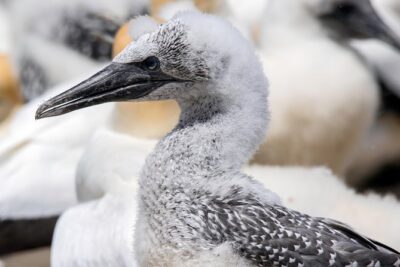
Gannet Safaris Overland tour to Cape Kidnappers Gannet Colony
Read our review →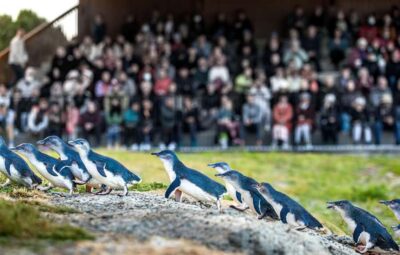
Guided Evening Penguin Viewing Otago Peninsula, Dunedin, New Zealand
Read our review →
Napier: Cape Kidnappers Gannet, Nature & Sightseeing Tour
Read our review →
Albatross, seals, and sea birds-Wildlife Cruise
Read our review →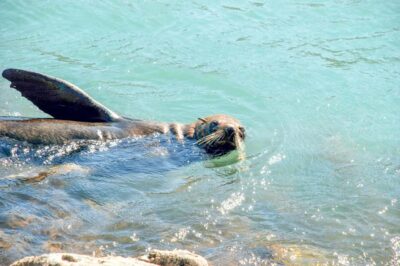
Akaroa: Pohatu Penguins Scenic Nature 2-Hour or 4-Hour Tour
Read our review →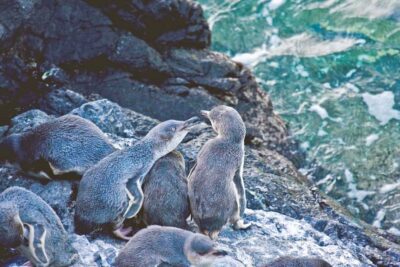
Akaroa: Pohatu Little Penguins 3-Hour Evening Experience
Read our review →Browse the lists this tour appears in