
Review · NEW ZEALAND BIRDWATCHING TOURS
Akaroa: Pohatu Penguins Scenic Nature 2-Hour or 4-Hour Tour
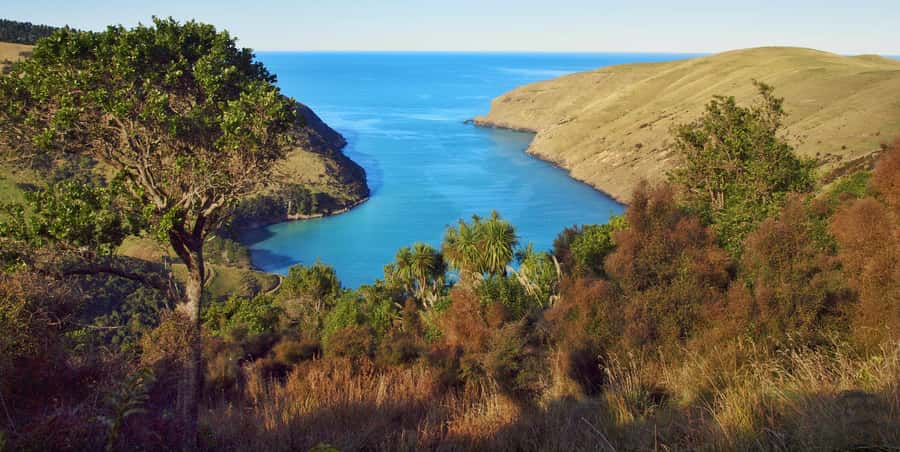
Pohatu Bay is more than a penguin stop. This family-run conservation area combines a rough 4WD ride, a working sheep farm, volcanic scenery, and a close look at the work needed to protect little penguins on mainland New Zealand. The route reaches a lookout about 700 meters high, with Akaroa Harbor on one side and the Pacific Ocean on the other.
I like the tour for two clear reasons: the scenery is reached by roads you could not easily tackle in an ordinary rental car, and your ticket helps fund penguin protection at Pohatu Bay. The guides, including Kevin, Joey, Meg, and others, are praised for making the geology, local stories, and wildlife easy to understand.
The main caution is simple: this is a nature tour, not a guaranteed penguin viewing show. Sightings depend on the season and the birds’ behavior, while bad weather can limit the views. The four-hour option gives you more time and better access to conservation work, but the two-hour tour can suit a tight schedule.
Key points before you book
- Penguins are part of a wider nature tour: You will learn about the colony, but sightings vary by season.
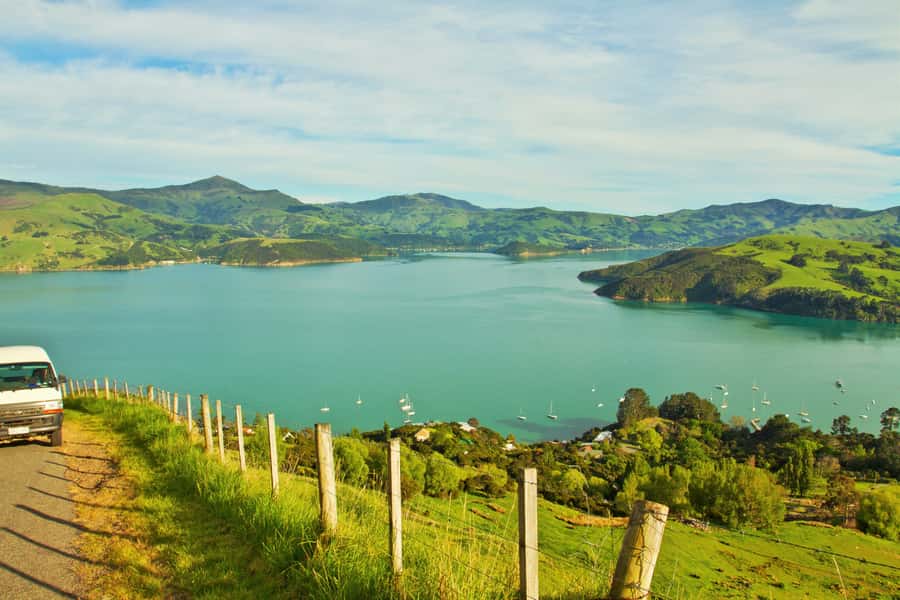
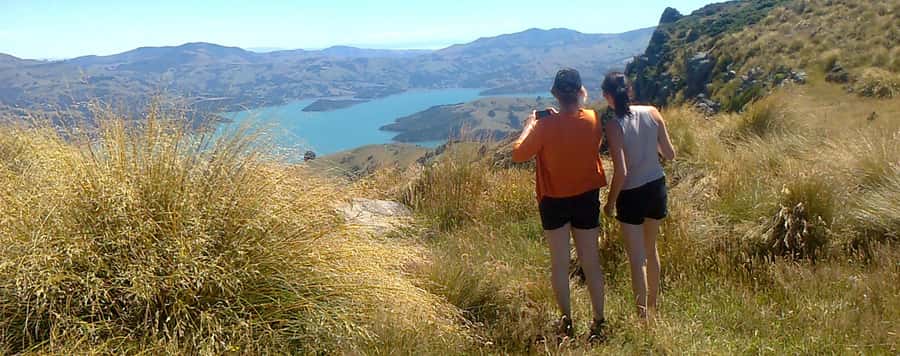
- The 4WD route reaches high viewpoints: The drive crosses the crater rim of the Akaroa volcano and stops for views of harbor and ocean.
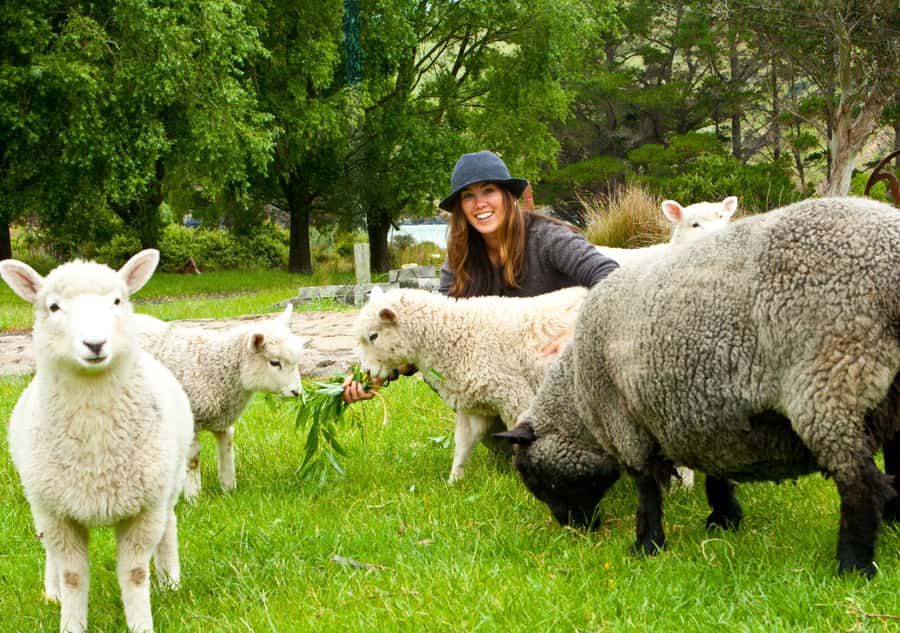
- Pohatu Bay is a working farm: You can meet friendly sheep and hand-feed them.
- Conservation is the heart of the visit: In season, you may inspect nesting boxes and learn how the colony is supported.
- The four-hour tour adds real value: Expect Akaroa Heads Lighthouse Reserve, more time at Flea Bay, and tea, coffee, muffins, or cake.
- Plan for uneven access: The tour is not suitable for wheelchair users or people with mobility impairments.
Leaving Akaroa for the crater rim
The meeting point is at Unit 2, 8 Rue Balguerie in Akaroa. Look for the building behind the BNZ on Rue Lavaud, with shade sails out front. From there, you board a 4WD minivan and leave town for the hills above the harbor.
The drive is part of the attraction. Your guide provides live commentary on the area’s settlement, geology, farms, plants, and animals. The road is described in the tour feedback as winding, and the driver’s skill matters. Guides such as Joey have been singled out for handling the route well while still stopping to explain the area.
Akaroa sits within the crater of an extinct volcano, so the opening section gives you a useful sense of how the harbor was formed. At the higher points, you can look back toward Akaroa Harbor and out toward the Pacific. Bring a camera, but also allow time to listen. The guide’s explanations are a major part of the experience, especially if you want more than a quick scenic drive.
The 700-meter lookout is one of the strongest moments on the shorter tour. It gives you a broad view of the volcanic setting before the road drops toward Pohatu Bay. Wind and rain can be serious here, so carry a jacket even if Akaroa looks calm when you leave town.
More Penguin Tours in New Zealand
- Oamaru: Penguins Evening Viewing Ticket
★ 4.5 · 682 reviews - Guided Evening Penguin Viewing Otago Peninsula, Dunedin, New Zealand
★ 5.0 · 471 reviews - Dunedin: Wildlife and Penguin Tour
★ 4.6 · 239 reviews
Pohatu Bay and the family farm
Pohatu Bay, also called Flea Bay, is reached by 4WD because the access road is not a simple town sightseeing route. At the farm, you get a more personal view of the place. This is a working sheep farm as well as a conservation site, and you can meet the pet sheep and hand-feed them.
That small farm visit is one of the tour’s most appealing touches. It gives children something active to do, while adults get a look at everyday rural life in this part of Banks Peninsula. The sheep are not a staged wildlife performance. They are part of the family property and the local farm setting.
The farm visit also helps explain why conservation here feels practical rather than abstract. The people working at Pohatu Bay are protecting habitat while managing a working property. Your guide can connect the penguins, farm, native plants, coastline, and local history into one story.
On the four-hour option, you have time for tea, coffee, and homemade muffins or cake. That is a modest extra, but it matters on a cool or wet day, especially after the rougher sections of the drive. The longer outing also allows more time to explore Flea Bay rather than rushing from one viewpoint to the next.
How the penguin conservation visit works
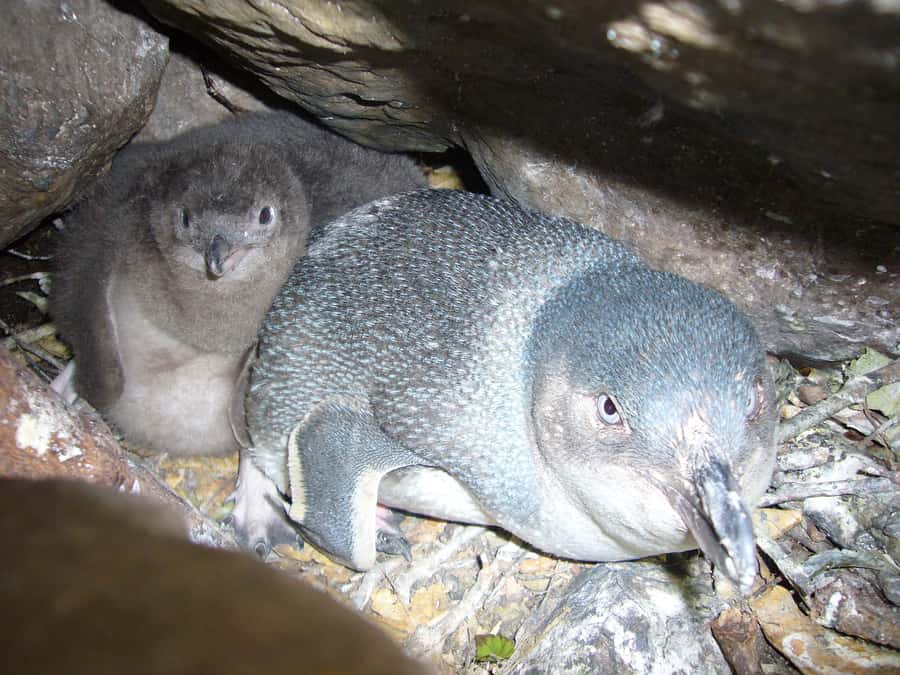
Pohatu is home to a major colony of little penguins, also called blue penguins, and the tour supports conservation work at the bay. Your guide explains how the nesting boxes are monitored and what the local team does to give the birds a better chance of surviving and breeding.
In season, you may look into nesting boxes with the guide. This is different from watching penguins march across a theater-style viewing area. You are learning about nesting behavior and conservation methods, and the birds may or may not be present when a box is checked.
The timing of your visit matters. Native wildlife and penguins are seen in season, and the most active rehabilitation work generally takes place from mid-November to mid-February. To limit crowding, only the extended four-hour tour can view that rehabilitation work during this period.
At certain times, you may learn about or see supplemental feeding connected with rehabilitation. This can be a useful lesson in the less glamorous side of wildlife protection. Conservation may involve monitoring boxes, helping injured birds, taking a penguin to a vet, or supporting a bird that cannot manage on its own.
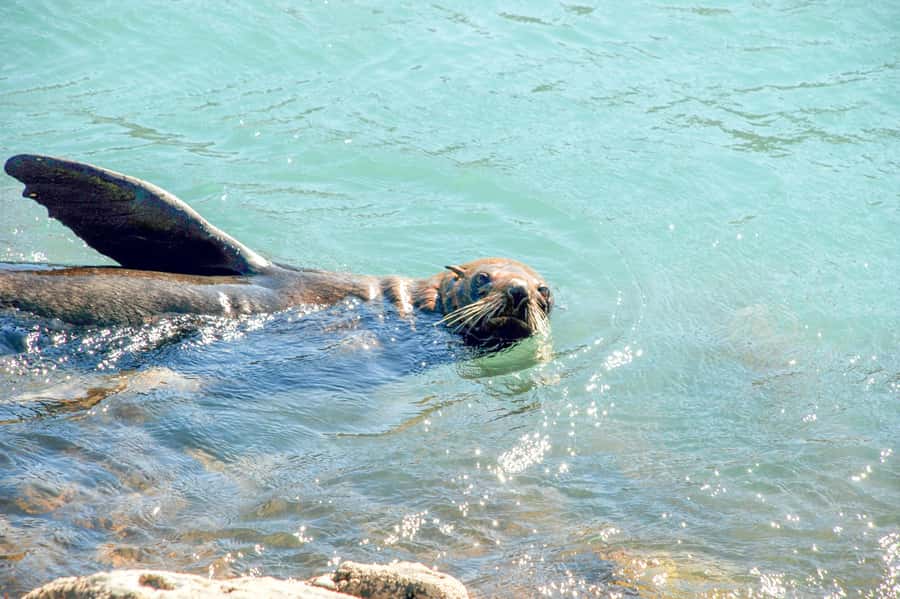
Do not book this tour on the assumption that you will see a large group of penguins in the open. You might see birds in nesting boxes, a penguin up close, or a few animals at the bay. You might also see none, depending on conditions. Fur seals are another possible wildlife bonus, and several visitors have spotted them along with sheep and penguins.
The guides handle this uncertainty well by making the conservation story central. Guides such as Meg and Joey have been praised for explaining the penguins’ lives and the family’s long-running work in the area. That makes the trip worthwhile even during the off-season, when penguin activity is limited.
Choosing between two and four hours
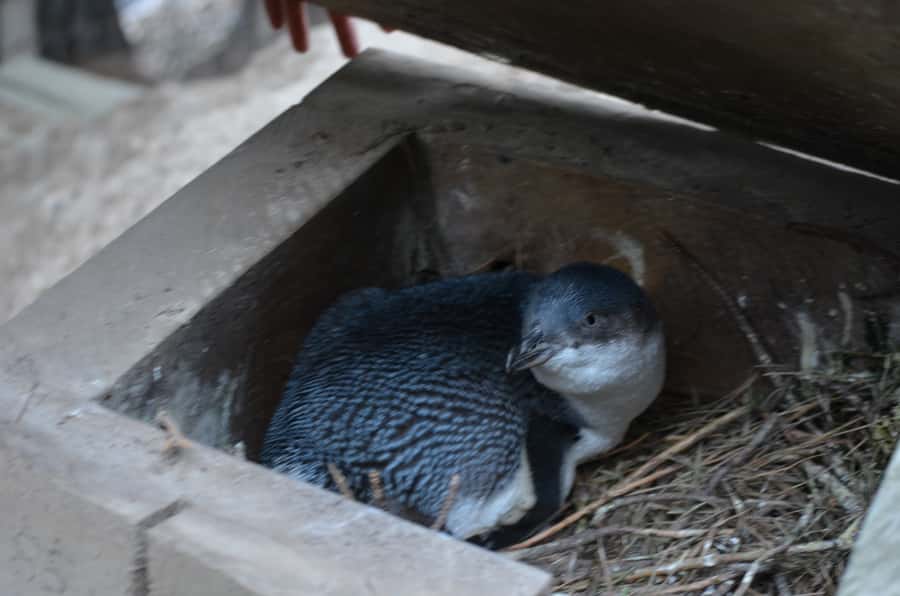
The two-hour tour is the practical choice if you have limited time in Akaroa, are visiting from a cruise ship, or want a compact introduction to the area. You still get the 4WD journey, scenic stops, guide commentary, the farm, and an introduction to the penguin program.
It is also a sensible choice if you are mainly interested in the crater rim views and the general setting rather than spending extra time at the colony. The shorter trip can still feel full because the drive, farm, wildlife, and conservation talk cover several different experiences.
The four-hour tour is the better choice if Pohatu is a main reason for visiting. It includes the extended visit to the Akaroa Heads Lighthouse Reserve, with spectacular cliff-top views, plus more time at Flea Bay. You also get tea, coffee, and homemade baking.
The longer option is especially useful during the mid-November to mid-February rehabilitation period, when viewing that work is limited to four-hour participants. It gives you more time to ask questions and observe the area without feeling hurried.
The tradeoff is not just time. Four hours means more exposure to the winding road, weather, and uneven outdoor conditions. If you are prone to motion sickness, the 4WD drive may be worth considering before you book, though the supplied information does not specify medication advice or vehicle seating arrangements.
Same place, a different morning in the field:
- Gannet Safaris Overland tour to Cape Kidnappers Gannet Colony
★ 5.0 · 942 reviews - Napier: Cape Kidnappers Gannet, Nature & Sightseeing Tour
★ 4.8 · 317 reviews - Albatross, seals, and sea birds-Wildlife Cruise
★ 5.0 · 189 reviews - Otago Peninsula In-Depth Tour & Blue Penguins Pukekura Experience
★ 5.0 · 163 reviews
What the guides add to the outing
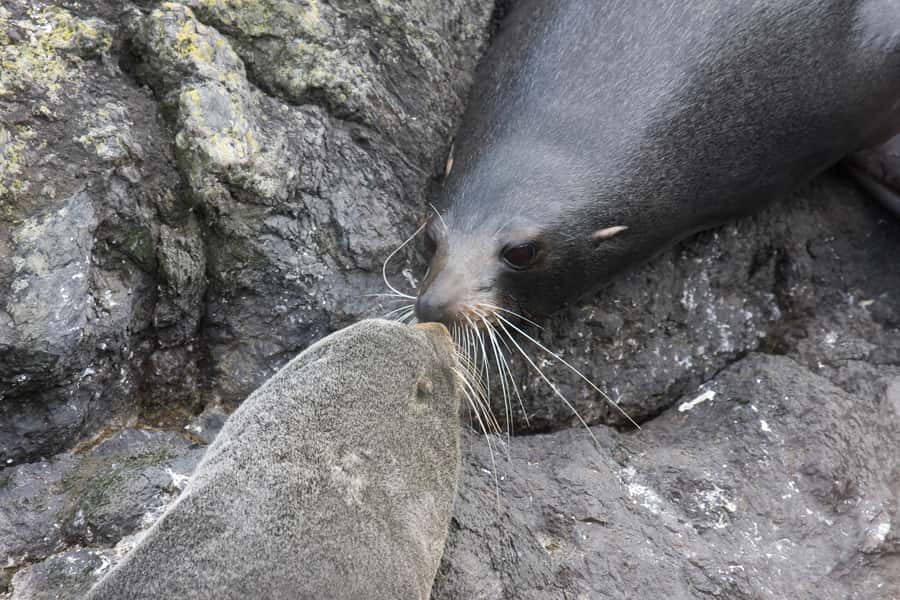
The guide can make or break a nature tour, and this one depends heavily on local interpretation. The strongest part of the experience is not simply reaching Pohatu Bay. It is understanding what you are seeing once you arrive.
Kevin has been praised for mixing humor with information about Akaroa, geology, and the farm. Joey is noted for local knowledge, careful driving, and a warm approach. Meg has been associated with the conservation side of the visit, while other guides have been praised for answering questions and adapting the pace for families.
The commentary covers the area’s past, the volcanic setting, flora and fauna, farming, seals, and little penguins. If you like asking questions, this is a good format. The guides are there to explain, not just point at a viewpoint and move on.
The experience also works for families. Children can feed sheep, look for penguins in nesting boxes, and see how an ecosystem is managed. The subject matter is substantial, but the mix of animals and stops keeps it from feeling like a lecture.
English is the tour language. If someone in your group does not understand much English, the experience may be harder to follow. One family used informal translation within their group and still enjoyed the outing, but no translated guide service is offered in the supplied details.
Weather, wildlife, and realistic expectations
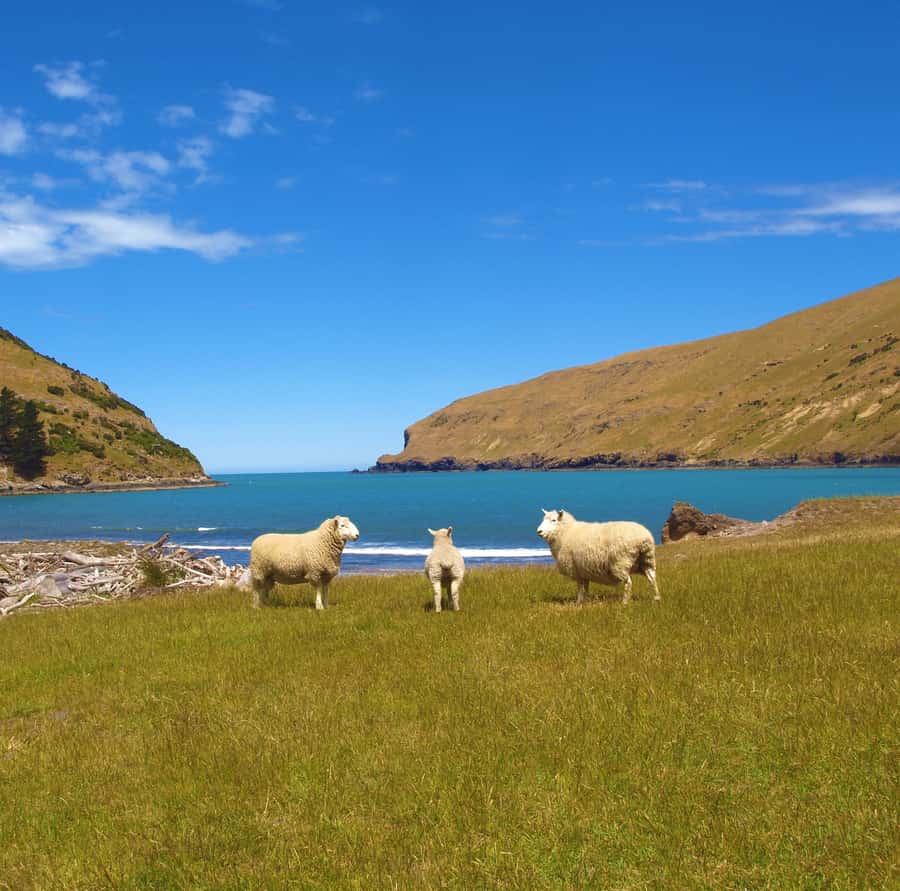
Akaroa weather can change the character of the tour. On a clear day, the harbor and Pacific views are the star. In rain or strong wind, the scenery may be muted, but the guide can still explain the geology, farm, and conservation program.
A poor-weather day does not erase the whole experience. The sheep visit, nesting boxes, local stories, and conservation work remain useful. Still, if your main goal is photography from the crater rim or lighthouse reserve, try to leave flexibility in your schedule so you can choose the day with the best forecast.
Wildlife is never fully predictable. Penguins may be in their boxes, out at sea, moulting, nesting, or simply hidden. The time of year affects what you can see, and the tour notes are clear that animals are seen in season.
This honest approach is important. The experience is best for someone who wants to learn how little penguins are protected, with sightings as a welcome reward. If you need a guaranteed close-up encounter, this may not be the right booking.
Is $56 a good value?
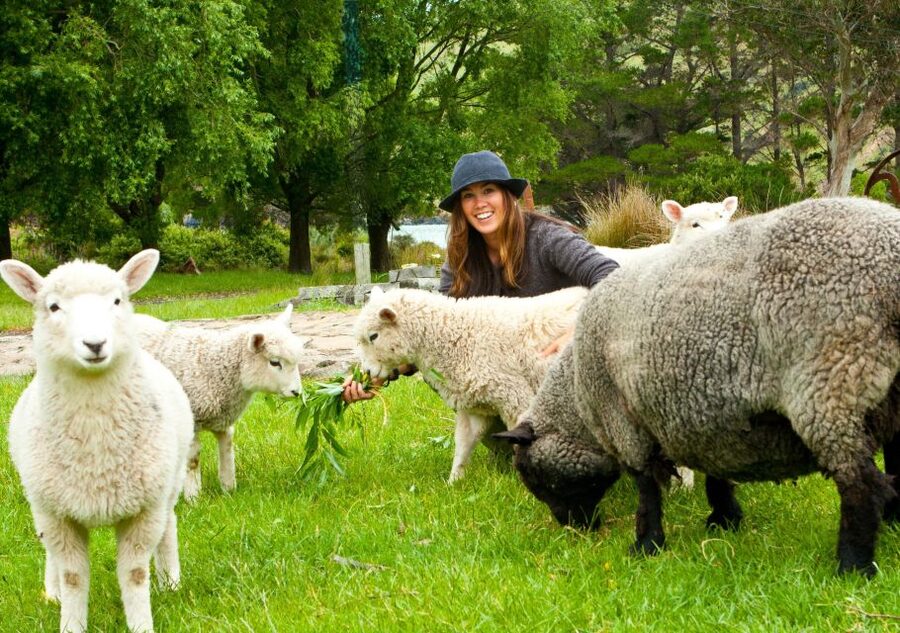
At $56 per person, the tour offers more than a standard drive to a viewpoint. You are paying for 4WD transport on a difficult access route, a local guide, several photo stops, a farm visit, wildlife interpretation, and direct support for conservation work at Pohatu Bay.
The value is strongest if you would otherwise need to hire a suitable 4WD and arrange your own access to Flea Bay. You would also miss the local commentary and the chance to learn how the nesting boxes and rehabilitation program operate.
The four-hour version offers the better value for visitors with time to spare because it adds the lighthouse reserve, more time at Flea Bay, and refreshments. The two-hour option is still good value for cruise visitors or anyone fitting Pohatu around other Akaroa plans.
The price does not buy certainty. It buys access, transport, interpretation, and a contribution to the conservation work. That distinction matters here. You are supporting a functioning wildlife program rather than simply purchasing a photo opportunity.
Who should book this tour?
I would recommend it to you if you enjoy scenery, animals, local stories, and practical conservation. It suits families, couples, solo visitors, and cruise passengers who want to get beyond central Akaroa.
Choose the four-hour option if you care most about the penguin program, want to visit the cliff tops, or are visiting during the main rehabilitation period. Choose two hours if your schedule is tight or you want a shorter outing with the essential stops.
You should reconsider if you need step-free access, have significant mobility limits, or dislike winding 4WD roads. The tour is not suitable for wheelchair users or people with mobility impairments. Comfortable shoes, water, and a camera are recommended, and flash photography and smoking are not allowed.
Booking is flexible, with cancellation permitted up to 24 hours before departure for a full refund. A cancellation within 24 hours is not refundable unless the local partner cancels the tour.
Should you book the Pohatu Penguins tour?
Book it if you want a thoughtful Akaroa outing built around place, wildlife, and conservation rather than a guaranteed animal show. The views are excellent, the farm visit is friendly and unusual, and the 4WD access gets you into a part of Banks Peninsula that is not easy to reach on your own.
I would choose four hours if the schedule allows. You get the best chance to understand the conservation work, more time at Flea Bay, the lighthouse reserve, and a welcome tea break. Pick two hours when time is short, but keep your expectations realistic: the penguins are wild, seasonal, and sometimes hidden.
FAQ
Where does the tour meet?
Meet at Unit 2, 8 Rue Balguerie in Akaroa. The building is behind the BNZ on Rue Lavaud and has shade sails.
How long is the tour?
You can choose a two-hour or four-hour tour. Check availability for the current starting times.
What transport is used?
The tour uses a 4WD minivan for the journey from Akaroa to Pohatu Bay and Flea Bay.
Will I definitely see penguins?
No. The penguins and other native wildlife are seasonal, and sightings depend on conditions and animal behavior. The tour focuses on nature and conservation, not guaranteed penguin viewing.
Can I see penguin rehabilitation work?
The main rehabilitation activity usually takes place from mid-November to mid-February. During that period, rehabilitation viewing is limited to participants on the four-hour tour.
What is included on the four-hour tour?
The four-hour tour includes tea, coffee, and a muffin or cake. It also includes more time at Flea Bay and visits to the cliff tops of the Akaroa Heads Lighthouse Reserve.
Can I feed animals?
At the family farm, you can meet friendly sheep and hand-feed them.
Is the tour suitable for wheelchair users?
No. The tour is not suitable for wheelchair users or people with mobility impairments.
What should I bring?
Bring comfortable shoes, water, and a camera. Smoking and flash photography are not allowed.
More 2-Hour Experiences in New Zealand
- 2 Hours Guided Whale and Bird Boat Tour in Bay Bulls
★ 5.0 · 557 reviews - Marco Island 2 hour Dolphin, Birding and Shelling tour
★ 5.0 · 503 reviews - 2 Hour Dolphin, Birding and Shelling Tour
★ 5.0 · 247 reviews - Marco Island: 2-Hour Dolphin, Birding, and Shelling Tour
★ 4.8 · 212 reviews
Just added around New Zealand
- One Day Birding Adventure★ 5.0 · 7 reviews
- Harbour, Albatross and Wildlife Cruise on Otago Harbour★ 4.5 · 22 reviews
- Iconic Wildlife Tour with Yellow Eyed Penguins & Royal Albatross★ 4.5 · 33 reviews
- Clearwater Private Penguin & Wildlife Tour from Port Otago (5hrs)★ 5.0 · 7 reviews
- Motuara Island Bird Sanctuary and Ship Cove Cruise from Picton★ 4.0 · 36 reviews
- Private tour to Cape Kidnappers Gannet Colony★ 5.0 · 10 reviews
- Dunedin City Highlights, Otago Peninsula Scenery & Albatross Guided Tour★ 5.0 · 41 reviews
- Wildlife and Penguin Tour★ 5.0 · 27 reviews
New Zealand Birdwatching Tours, compared.
Gannet Safaris Overland tour to Cape Kidnappers Gannet Colony
Read our review →
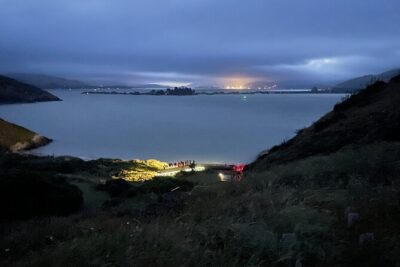
Guided Evening Penguin Viewing Otago Peninsula, Dunedin, New Zealand
Read our review →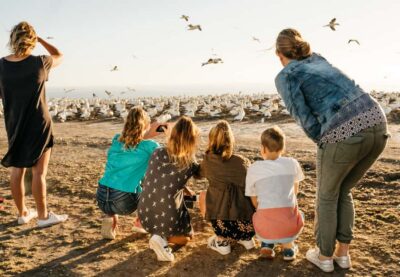
Napier: Cape Kidnappers Gannet, Nature & Sightseeing Tour
Read our review →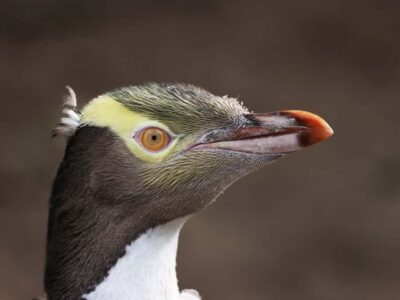
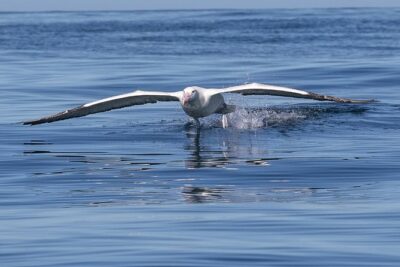
Albatross, seals, and sea birds-Wildlife Cruise
Read our review →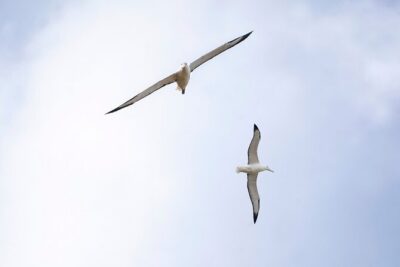
Otago Peninsula In-Depth Tour & Blue Penguins Pukekura Experience
Read our review →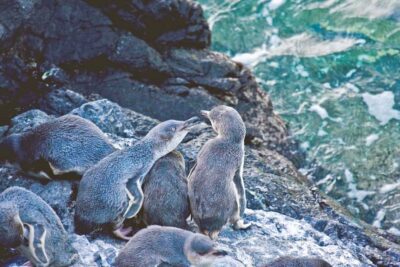
Akaroa: Pohatu Little Penguins 3-Hour Evening Experience
Read our review →Browse the lists this tour appears in