
Review · NEW ZEALAND BIRDWATCHING TOURS
Akaroa: Pohatu Little Penguins 3-Hour Evening Experience
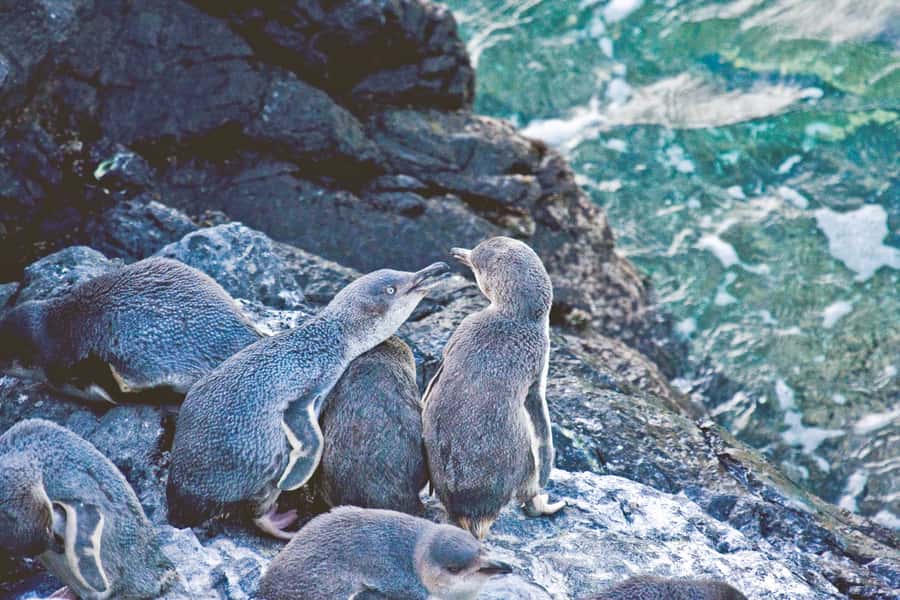
The real draw here is not a staged penguin show. You head into the remote Pohatu, or Flea Bay, colony at dusk and watch white-flippered penguins in their own habitat. You may see birds in nesting boxes, swimming offshore, or returning to land as the light fades.
I like the scenic 4WD ride over the Akaroa volcano rim, especially the stops looking across Akaroa Harbour and toward the Pacific. I also like that your visit supports a 30-year conservation and monitoring project, rather than putting wildlife on display for easy viewing. The catch is simple: penguins are wild, and the tour cannot promise that they will come ashore before darkness.
Key points to know before you go
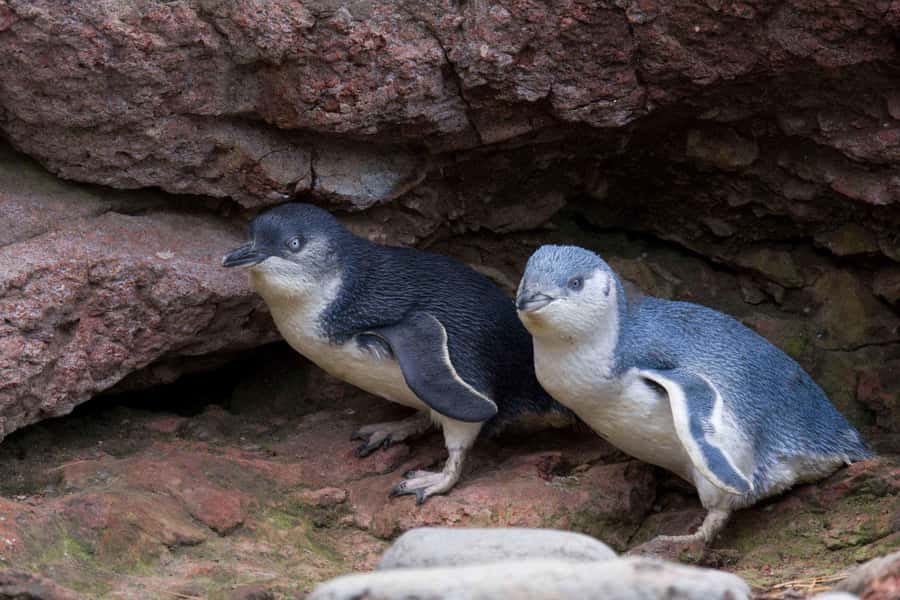
- Wild penguins, not a zoo visit: The birds are watched from guided areas and are not handled by visitors.
- The drive is part of the experience: The route to Flea Bay brings wide harbour and ocean views, with photo stops along the way.
- You help with real conservation work: The group checks nest boxes, collects data, and looks for signs that the birds are doing well.
- Season matters: Mid-September through December is breeding season, while early March to mid-April can have few or no penguins.
- Darkness changes the viewing: No artificial lighting is used, so sightings become harder as evening sets in.
- Prepare for uneven ground: Hiking shoes and weather-ready clothing matter, and the tour is not suitable for wheelchair users or people with mobility impairments.
The ride from Akaroa to Pohatu
The tour begins before St Peter’s Church in Akaroa, then heads out in a 4WD minivan toward Pohatu, also called Flea Bay. The drive takes about 30 minutes, but allow the full three hours for the complete outing. The departure time changes with sunset, so you need to check the operator’s message close to your date.
The road crosses the crater rim of the Akaroa volcano. That gives the journey more value than a simple transfer to a wildlife site. You are moving through the old volcanic setting of the peninsula, with guides explaining local plants, animals, geology, and the area’s past as you go.
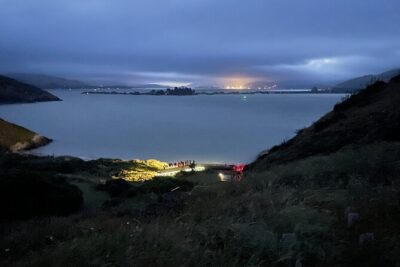
Two photo stops break up the drive. From these points, you can look across Akaroa Harbour and out toward the open Pacific. These are useful stops even if the penguins stay offshore later in the evening, since the views provide a strong reason to make the trip out to this quiet bay.
The minivan is a practical choice for the rougher route. This is not a self-drive outing, and the guide can focus on the road while pointing out wildlife and features of the peninsula. The group is limited to 12 people, although the number of vehicles and guides can vary. On some outings, guides divide people into smaller groups so the colony does not feel crowded.
More Penguin Tours in New Zealand
- Oamaru: Penguins Evening Viewing Ticket
★ 4.5 · 682 reviews - Guided Evening Penguin Viewing Otago Peninsula, Dunedin, New Zealand
★ 5.0 · 471 reviews - Dunedin: Wildlife and Penguin Tour
★ 4.6 · 239 reviews
Why the conservation work matters
Pohatu’s penguin story is the heart of the experience. White-flippered penguins are little birds, and their survival in this area has depended on long-running local protection and monitoring. The project has worked for more than 30 years to help the colony recover from the threat of extinction in the area.
You do not simply arrive, take photographs, and leave. The group walks around the colony to check small wooden nesting houses. Guides monitor the sites, collect data, and make sure the birds appear to be doing well. At certain times of year, you might also see rehabilitation work such as supplemental feeding.
That turns the visit into a useful lesson in wildlife care. You learn that conservation is often made up of repeated, practical jobs: checking nest boxes, tracking breeding activity, protecting habitat, and limiting disturbance. The ticket price of $68 per person helps support that work, which makes the cost feel fairer than a standard sightseeing transfer.
The rules are part of the value. Only guided groups can enter the sensitive breeding area, and visitors must stay quiet. Flash photography is forbidden, because sudden light can disturb the birds. No artificial lighting is used at night, either. That means the tour protects the colony even when it makes viewing less convenient.
What you may see at the nesting boxes
At Pohatu, the first wildlife viewing may happen around the nesting boxes. These small wooden shelters give the penguins a safer place to breed and rest. You may see a bird inside one, especially during the moulting season, when penguins spend time on land and replace their feathers.
The viewing can be close, but it is not a hands-on encounter. You remain with the guide, keep your voice down, and watch the birds in their homes. Binoculars are provided for views across the bay and for spotting movement that would be hard to see with the naked eye.
During the breeding season, which runs from mid-September to the end of December, you may see adults and young birds near the nesting sites. Several people have seen baby penguins in their shelters during this period. November can be a particularly rewarding time for that mix of nesting activity and adults making their evening return.
From January into mid or late February, the penguins moult. That period can offer a different kind of sighting, with birds resting in or near their boxes rather than coming and going constantly. A February outing may still produce close views, but you should not expect the same pattern as a peak breeding-season visit.
Watching the bay as daylight fades
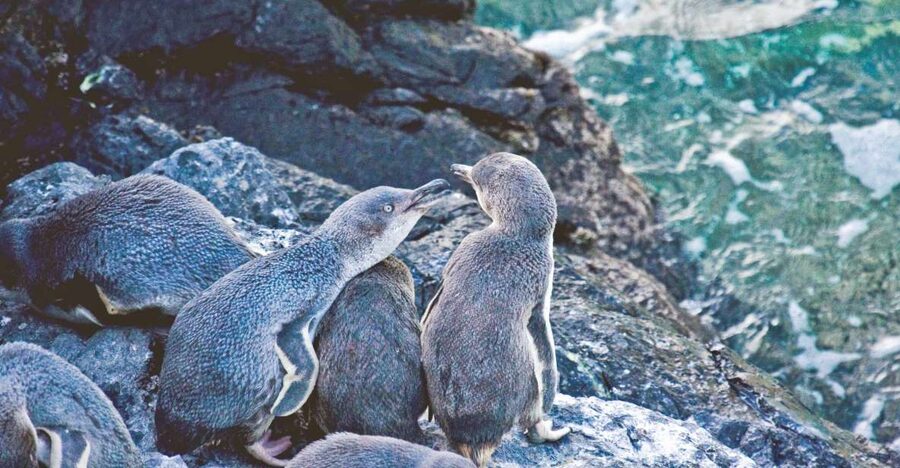
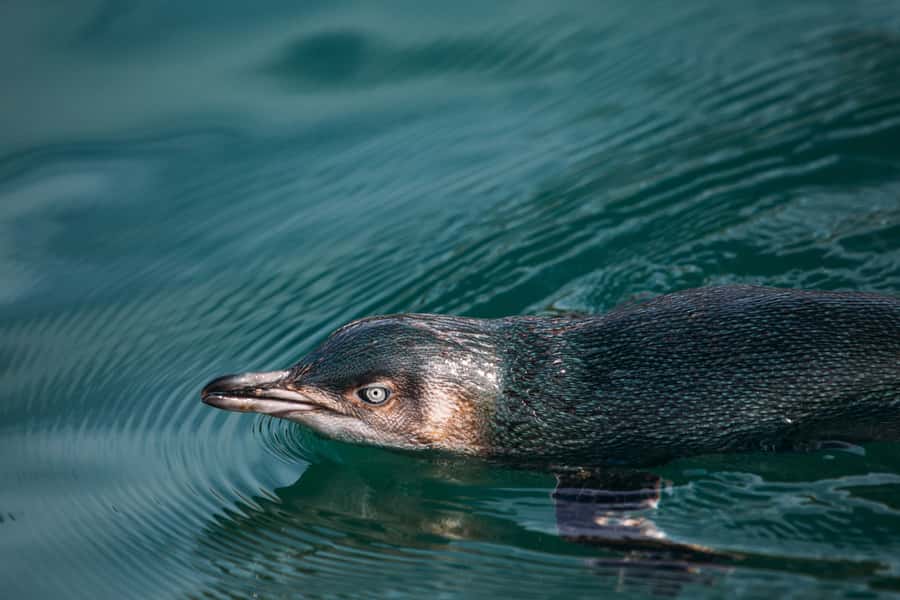
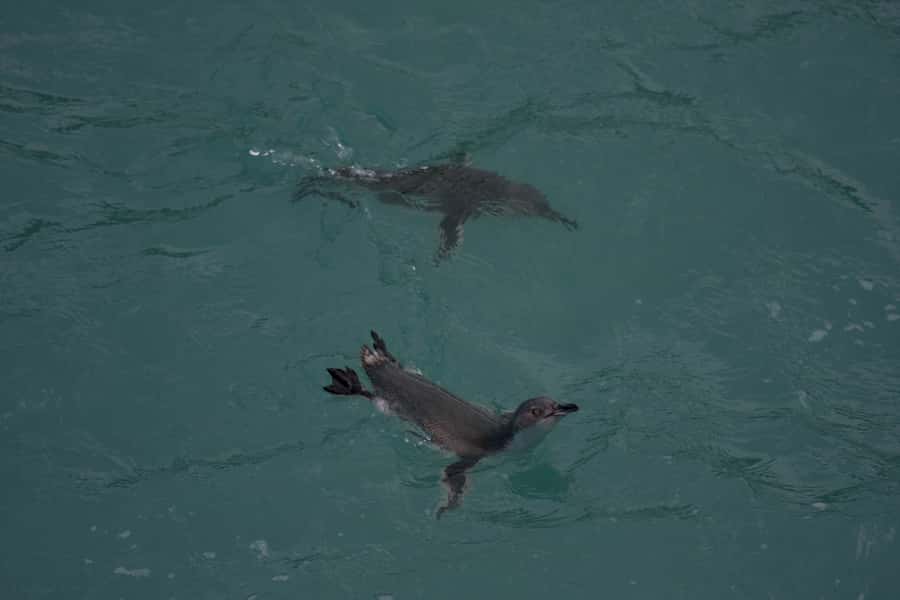
The second part of the wildlife viewing takes place around the water. Penguins may be seen socializing offshore, and binoculars help you follow them as they move through the bay. You might also see seals or sea lions in the area, and sheep are sometimes part of the farm setting around the colony.
As the sun drops, the group watches for birds coming back to shore. This is the moment many people hope for, but it is not guaranteed. The penguins decide when and where to move, and the tour refuses to use bright lights just to create a better show.
That honesty matters. You might watch adults climb onto rocks near sunset, or you might see only a few birds in the water and inside their shelters. You could also spend much of the final part of the tour in growing darkness. The experience works best if you see the return to shore as a fortunate result of good timing, not as a promised performance.
The lack of lighting also changes the mood. You are not standing beneath floodlights while birds are pushed into view. Instead, you use the remaining natural light, listen to the guide, and let the colony set the pace. Bring a camera if you like, but keep the flash turned off.
Same place, a different morning in the field:
- Gannet Safaris Overland tour to Cape Kidnappers Gannet Colony
★ 5.0 · 942 reviews - Napier: Cape Kidnappers Gannet, Nature & Sightseeing Tour
★ 4.8 · 317 reviews - Albatross, seals, and sea birds-Wildlife Cruise
★ 5.0 · 189 reviews - Otago Peninsula In-Depth Tour & Blue Penguins Pukekura Experience
★ 5.0 · 163 reviews
Penguin seasons and the best time to visit
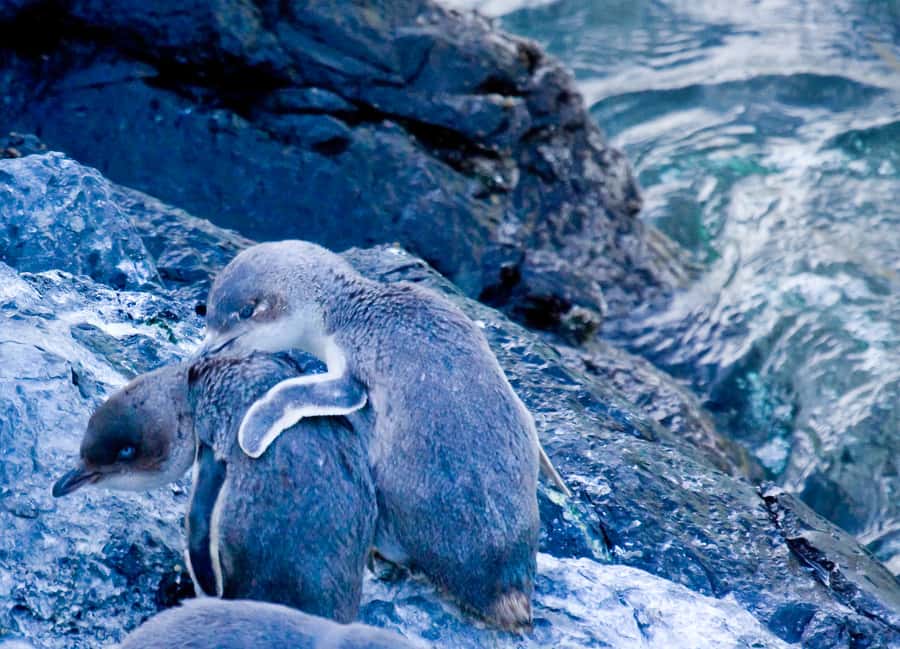
The time of year has a major effect on what you might see. This is one of the most important points to consider before booking.
- Mid-September through December: The colony breeds. Nesting activity is the main focus, and you may see young penguins in the boxes as well as adults returning to shore.
- January through mid or late February: The birds moult. Some penguins can be seen resting in their shelters, and guides may be able to show you birds up close without disturbing them.
- Early March through mid-April: There are generally no penguins in the colony. This is the weakest period if your main goal is a sighting.
- Winter: Penguins come and go. You might see a bird, but numbers can be low and the result is less predictable.
October and November make sense if you want the best chance of active nesting and young birds. January and February can still be rewarding, especially for close views of moulting penguins. From March to mid-April, I would book only if you are happy to value the drive, scenery, and conservation lesson even with no penguin sighting.
Guides make the three hours work
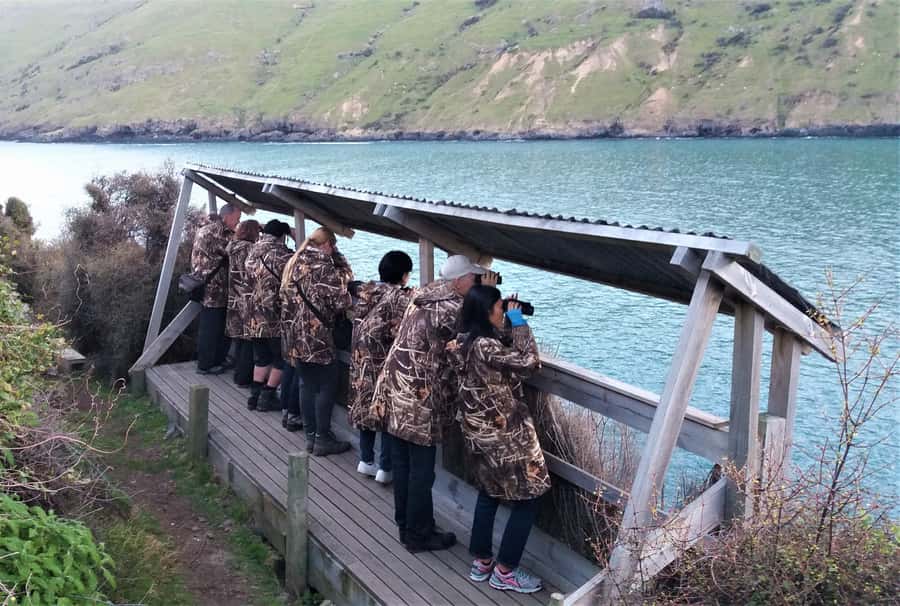
The guides are a major part of this tour. Names associated with the experience include Ben, Mona, Tayla, Kevin, Gayla, Joey, and Geraldine, although your own guide will depend on the day. The strongest guiding combines penguin behavior with wider stories about the peninsula.
You can expect information about native and introduced plants and animals, New Zealand wildlife, geology, local history, and the conservation project. That wider focus helps fill the time during the drive and during any quiet wait at the bay. It also means the outing remains worthwhile if the birds are shy.
A good example of the guide’s role is the way the evening can open up beyond the planned schedule. One guide pointed out that an aurora might be visible later that night, something the group would otherwise have missed. That kind of local awareness adds something a fixed audio guide cannot provide.
The small-group format helps, but you should still expect some walking and standing. The route around the nesting sites includes narrow and, in places, steep trails. Guides can explain what is happening, answer questions, and help keep the group from spreading into sensitive areas.
The $68 price and what you get
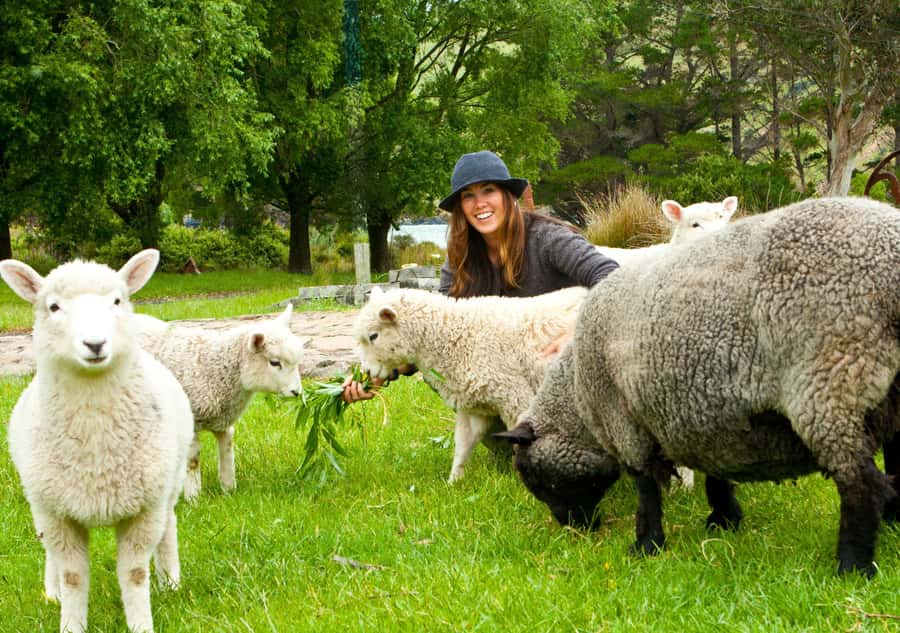
At $68 per person, the tour is priced as more than a basic penguin lookout. Your fee includes return transport in a 4WD minivan, an experienced English-speaking guide, scenic photo stops, binoculars, camouflage gear, penguin monitoring, and wildlife viewing.
The value comes from the combination. You are paying for transport to a remote bay, local interpretation, access to a protected colony, and a contribution to a long-running conservation effort. If you see penguins in their boxes, offshore, and returning to land, the price feels strong.
Still, the value depends on your expectations. One outing might show only a few penguins in their homes and a handful offshore. The drive takes a meaningful share of the three hours, and poor weather can make the views less pleasant. If you want guaranteed close-up viewing, this is not the right product.
I would compare it with the cost of any ordinary half-day excursion from Akaroa, then ask what kind of experience you want. The money here supports monitoring and habitat care, and the wildlife is not trained or lured into a viewing area. For me, that makes the price reasonable, particularly in the breeding months.
What to wear and how to manage the evening
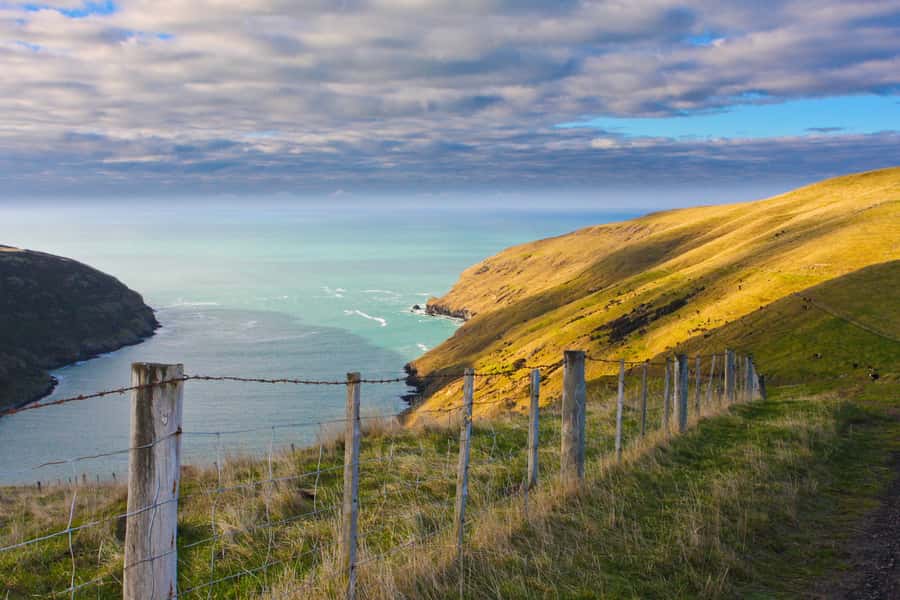
Wear hiking shoes. The colony paths can be narrow and steep, and regular street shoes will be less useful on uneven ground. Bring layers and weather-appropriate clothing because the bay can feel cold once the sun drops, even after a mild afternoon.
Pack your patience along with your camera. The guides work around natural behavior, not a strict animal timetable. You may wait quietly while looking over the bay, then suddenly see movement on the rocks or a bird returning from the water.
Camouflage gear and binoculars are supplied. The camouflage helps reduce the group’s visual impact, while binoculars make distant birds easier to follow. You should still keep noise low, avoid flash, and follow every instruction around the nesting areas.
The activity is not suitable for wheelchair users or people with mobility impairments. The combination of 4WD transport, narrow trails, uneven surfaces, and some steep sections makes this a poor fit if walking is difficult.
Who will enjoy this experience most
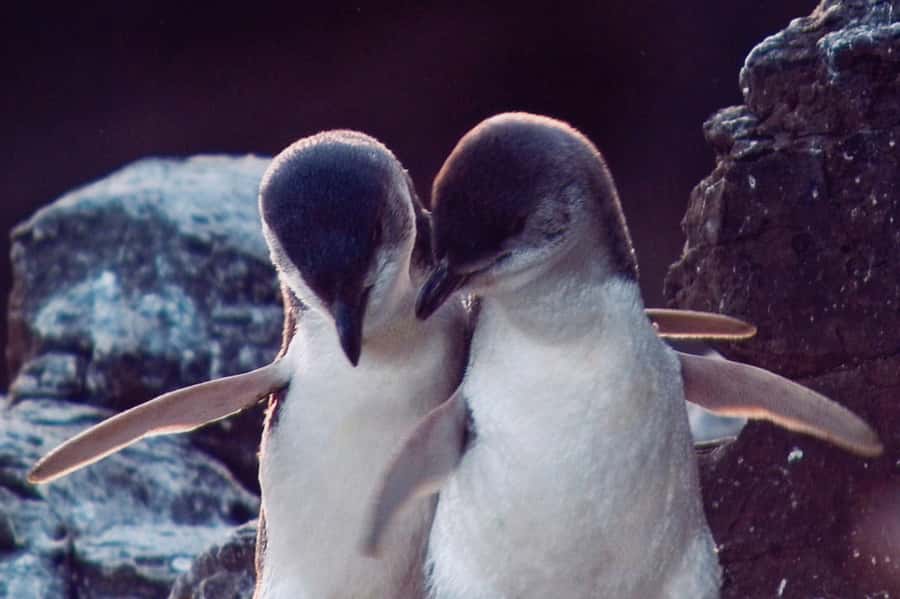
I would choose this tour if you care about wildlife welfare and real field work as much as getting a photograph. It suits people who enjoy learning, accept uncertain sightings, and want a quiet encounter rather than a staged animal presentation.
It is also a good choice for families with older children who can walk carefully and stay quiet. The penguins are small, so the binocular viewing and conservation explanation are just as important as the birds themselves.
Photography-minded visitors should come with realistic expectations. You may get memorable images at the boxes or during the brighter part of the evening, but darkness arrives before the tour ends. Flash is not allowed, and the best moments may be better remembered than photographed.
I would think twice if your schedule is tight around a flight or another fixed activity. The departure changes with sunset, and the operator sends the exact time and meeting details near the date of the tour. You need to be ready for an evening outing rather than treating it like a fixed daytime transfer.
Should you book the Pohatu penguin tour?
Book it if you want to see white-flippered penguins in a protected natural setting and you are comfortable with uncertainty. The scenic drive, strong guides, nesting-box checks, conservation work, and quiet bay create a fuller experience than a quick wildlife stop.
For the best odds of an active colony, aim for the breeding period from mid-September through December. January and February can still give you close moulting-season views, while early March to mid-April carries a real risk of seeing no penguins.
Skip it if you need guaranteed sightings, artificial lighting, easy paths, or fully accessible transport. But if you can walk uneven trails, dress for a cool evening, and let the birds decide the schedule, this is one of Akaroa’s more meaningful outings. Free cancellation up to 24 hours ahead and reserve-now, pay-later booking also make it easier to manage the uncertainty of a changing trip plan.
FAQ
Where does the Pohatu penguin tour meet?
The meeting point is before St Peter’s Church in Akaroa.
How long does the experience last?
The experience lasts three hours, including the return 4WD minivan journey from Akaroa.
What animals might I see?
The main focus is white-flippered penguins. You might also see seals or sea lions, sheep, and other local wildlife during the drive and at Pohatu.
Are penguin sightings guaranteed?
No. Sightings depend on the weather, season, and natural behavior of the birds. The tour cannot guarantee that penguins will come ashore before it becomes too dark.
Are lights used to help visitors see the penguins?
No. The tour relies on natural light because artificial lighting can disturb the birds.
What should I bring?
Bring hiking shoes and clothing suitable for the weather. Binoculars and camouflage gear are provided.
Is the tour suitable for wheelchair users?
No. The activity is not suitable for wheelchair users or people with mobility impairments because of the walking conditions around the colony.
More 3-Hour Experiences in New Zealand
- 3 Hour ATV Secluded Beach Tour from Tamarindo, Flamingo, Conchal & Grande
★ 4.5 · 54 reviews - flamingo tour in Rio Lagartos, Yucatan 3 hours
★ 4.8 · 25 reviews - Chennai, Guided Birding And Birding Photo Trip With Spot Scope, 2 to 3 Hours
★ 5.0 · 16 reviews - Chennai, Birding with Spotting Scope & Photography 2-3 hours
★ 5.0 · 5 reviews
More Evening Experiences in New Zealand
- Royal Albatross – Sunset Sail Cruise with 5-Course Seated Dinner
★ 5.0 · 467 reviews - Sunset Camel Trekking with Falcon Show & VIP BBQ Dinner
★ 5.0 · 466 reviews - Cape Town: Penguins and Cape of Good Hope Sunset Tour
★ 4.2 · 303 reviews - 2 Day & 2 Night Whitsunday Islands Sailing Adventure on Condor
★ 5.0 · 302 reviews
Just added around New Zealand
- One Day Birding Adventure★ 5.0 · 7 reviews
- Harbour, Albatross and Wildlife Cruise on Otago Harbour★ 4.5 · 22 reviews
- Iconic Wildlife Tour with Yellow Eyed Penguins & Royal Albatross★ 4.5 · 33 reviews
- Clearwater Private Penguin & Wildlife Tour from Port Otago (5hrs)★ 5.0 · 7 reviews
- Motuara Island Bird Sanctuary and Ship Cove Cruise from Picton★ 4.0 · 36 reviews
- Private tour to Cape Kidnappers Gannet Colony★ 5.0 · 10 reviews
- Dunedin City Highlights, Otago Peninsula Scenery & Albatross Guided Tour★ 5.0 · 41 reviews
- Wildlife and Penguin Tour★ 5.0 · 27 reviews
New Zealand Birdwatching Tours, compared.
Gannet Safaris Overland tour to Cape Kidnappers Gannet Colony
Read our review →
Guided Evening Penguin Viewing Otago Peninsula, Dunedin, New Zealand
Read our review →
Napier: Cape Kidnappers Gannet, Nature & Sightseeing Tour
Read our review →
Albatross, seals, and sea birds-Wildlife Cruise
Read our review →
Otago Peninsula In-Depth Tour & Blue Penguins Pukekura Experience
Read our review →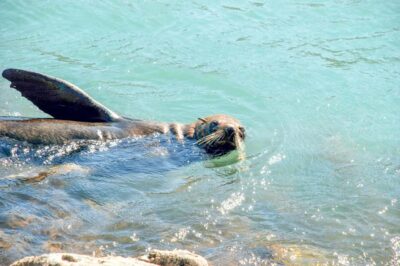
Akaroa: Pohatu Penguins Scenic Nature 2-Hour or 4-Hour Tour
Read our review →Browse the lists this tour appears in