
Review · NEW ZEALAND BIRDWATCHING TOURS
Dunedin: Wildlife and Penguin Tour
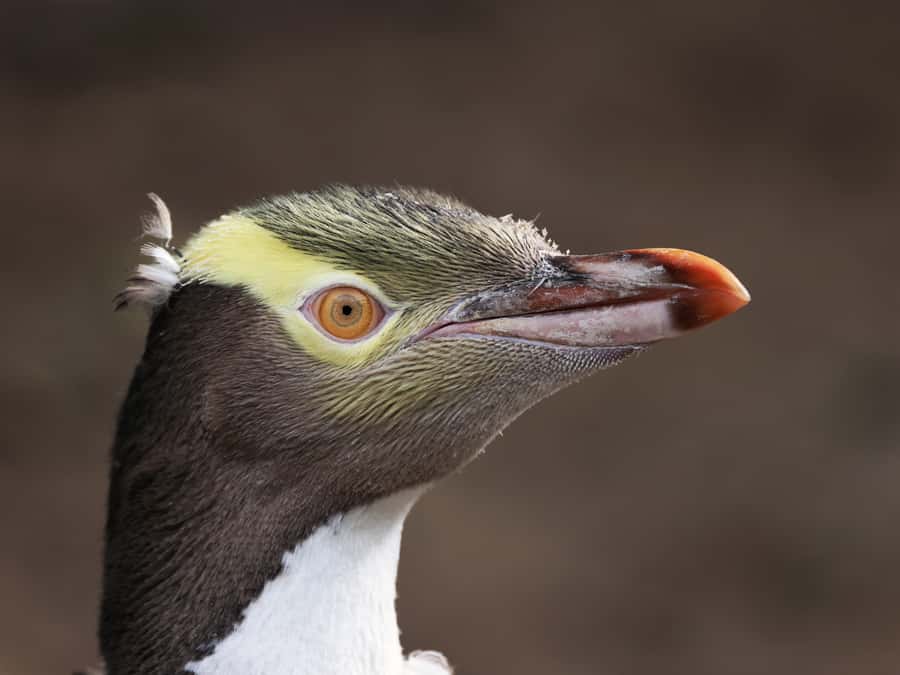
The rarest penguins in the world are the main draw here, but the most useful part of this Dunedin tour is that it does not treat wildlife as a guaranteed stage show. You learn why hoiho, or yellow-eyed penguins, need protection, then head into a private reserve where wild animals set the schedule.
I like the mix of conservation education and real habitat, rather than a quick photo stop. I also like the practical format: a short bus ride, a guided 2-kilometre walk, rain jackets if needed, and binoculars available when you do not have your own. The catch is simple: you may not see yellow-eyed penguins in the wild, and the walk is not suited to people with limited mobility or low fitness.
Key points to know before booking
- Yellow-eyed penguins are never guaranteed: Their numbers are declining, and sightings change by season and day.
- The tour has three parts: A conservation presentation, a rehabilitation-centre visit when penguins are present, and a guided reserve walk.
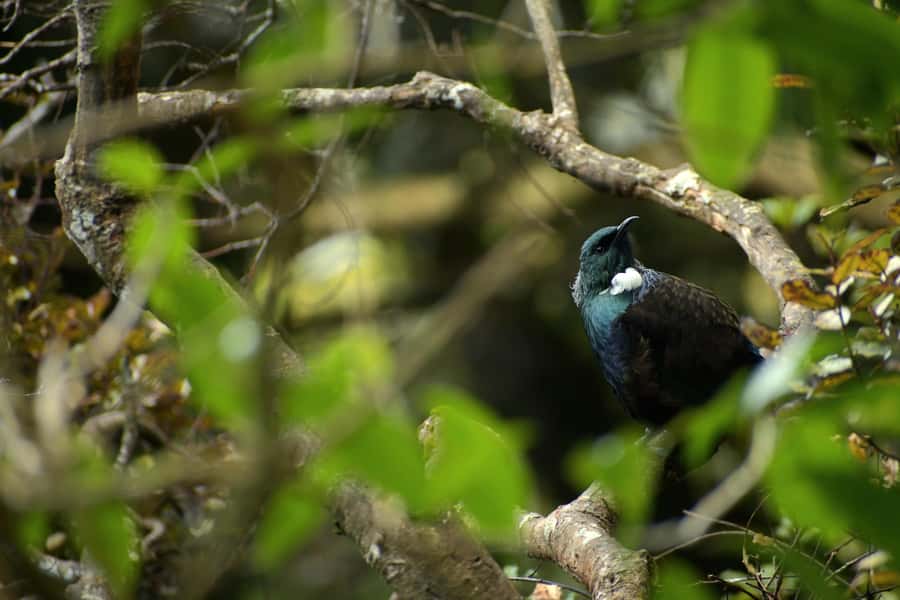
- Wildlife can be varied: You might see little penguins, New Zealand fur seals, sea lions, shorebirds, and forest birds as well as hoiho.
- The walk covers about 2 kilometres: Wear sturdy, comfortable shoes and bring outdoor clothing.
- Guides add real value: Emma, Eden, and other English-speaking guides have been praised for clear explanations and strong care for the animals.
- The $44 price is fair: You are paying for a guided reserve visit and conservation work, not just a short wildlife lookout.
Why this Otago Peninsula tour feels different
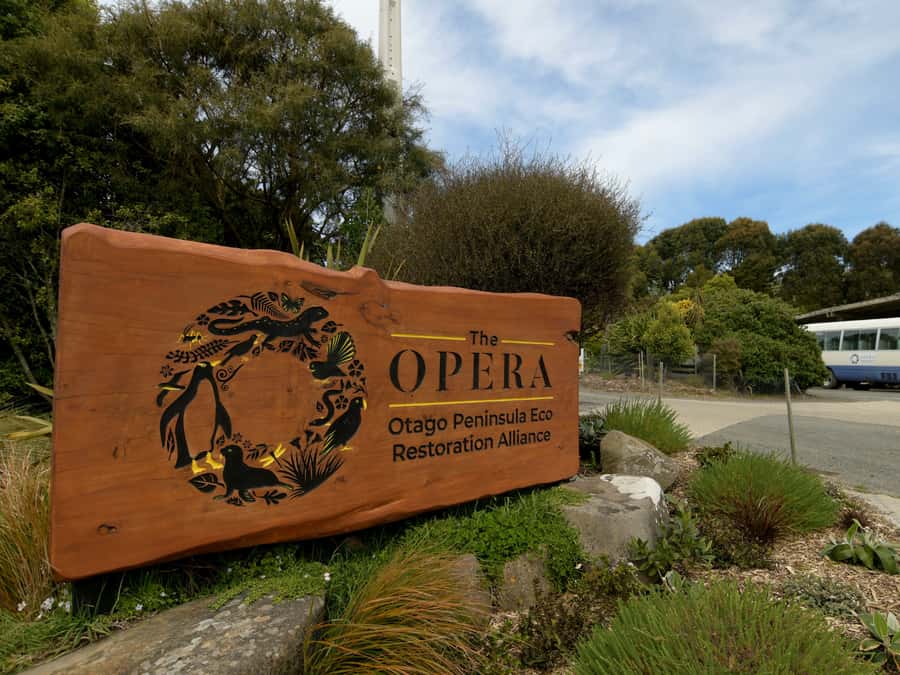
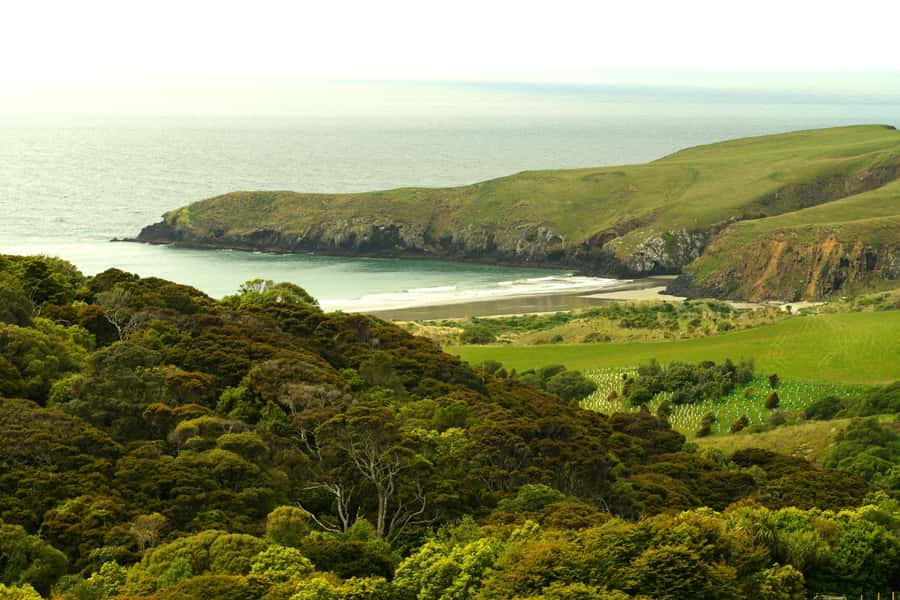
The OPERA tour takes place at a private eco-reserve on the Otago Peninsula, a short distance from Dunedin’s city centre by local standards, though the tour itself begins and ends at 45 Pakihau Road. The reserve is being restored to support native plants and animals, including penguins that need quiet, protected breeding areas.
That conservation purpose matters. You are not simply being driven to a viewpoint and told to scan the shore. The experience explains how habitat restoration supports wildlife, why yellow-eyed penguins are so sensitive, and what the reserve hopes to do next.
I especially like that the tour gives you context before asking you to look for animals. Without that background, a penguin can become just another item on a sightseeing checklist. Here, you learn why a distant bird matters and why guides may ask you to keep still, stay on the path, and avoid touching any animal.
The rating of 4.6 from 239 bookings suggests the experience has been consistently well received, with the guide’s enthusiasm and the conservation message earning the most praise. Still, this is a wildlife tour, not a zoo visit. A good outing may mean seeing seals close up, little penguins in nest boxes, or a bird in the distance rather than checking every species on your wish list.
More Penguin Tours in New Zealand
- Oamaru: Penguins Evening Viewing Ticket
★ 4.5 · 682 reviews - Guided Evening Penguin Viewing Otago Peninsula, Dunedin, New Zealand
★ 5.0 · 471 reviews - Otago Peninsula In-Depth Tour & Blue Penguins Pukekura Experience
★ 5.0 · 163 reviews
Part one: a clear introduction to penguins and habitat restoration
Your visit begins in a theatre setting. This presentation covers the reserve’s effort to return the area to a more natural state, along with the threats facing yellow-eyed penguins and the steps being taken to protect them.
The short film or talk gives the rest of the tour a purpose. You will hear about hoiho, the Māori name for the yellow-eyed penguin, and why this species is regarded as the rarest of the world’s penguins. Their numbers are currently declining, so even a quiet sighting can be important.
This is also where you learn about the other species in the reserve. Little penguins, also called little blue penguins, share the area with fur seals, sea lions, and several shore and land birds. The reserve’s work is not limited to one photogenic bird. It aims to support a wider native community.
Guides such as Emma and Eden have been singled out for their enthusiasm and strong command of the subject. That matters on a short tour. A guide who keeps the commentary going during transport and answers questions as they come up helps you make better use of the 90 minutes.
Part two: the rehabilitation centre and close penguin views
The rehabilitation-centre visit is included when penguins are present. This can be the best chance to see yellow-eyed penguins up close, especially on a day when none are active in the wild reserve.
The centre has held more than one penguin species at a time. Some visitors have seen three different kinds of penguin there, and one tour included three penguins in care. These encounters offer a close look at the birds while keeping the contact controlled and respectful.
There is a practical limit here. Wildlife rehabilitation areas must protect the animals first, so views may not be wide open or perfectly arranged for photographs. One booking noted that the rehab section offered limited visibility, while another mentioned not entering the trenches that had been expected. Access and viewing can depend on the animals present and the conditions on the day.
That is not a reason to skip the visit. It is a reason to set your expectations correctly. You may see a penguin at close range, but you should not expect an unrestricted animal encounter or a guaranteed photo opportunity.
The rehabilitation centre also helps explain why conservation work is needed. A bird in care is not just an attraction. It is part of a wider effort to protect a species that faces serious pressure in the wild.
Part three: the bus ride into the reserve
After the indoor introduction and centre visit, you take a short bus ride into the reserve. The ride saves walking time and gets you closer to the areas where wildlife may be active.
The bus is more than simple transport. Guides provide commentary along the way, pointing out features of the reserve and explaining the work being done there. One of the strongest practical details from the experience is that the guide keeps talking during the ride, so you are learning even before the walking portion begins.
The group may be divided into smaller sections, which helps when you stop to look at animals or listen to the guide. Exact group size is not stated, so you should not expect a private tour for just your booking. Still, the format is designed for guided viewing rather than sending a large crowd off on its own.
This is also a good time to have your camera and binoculars ready. Binoculars are recommended, and they may be available to borrow if you do not bring your own. A camera with a useful zoom is more practical than expecting every animal to come close.
Same place, a different morning in the field:
- Gannet Safaris Overland tour to Cape Kidnappers Gannet Colony
★ 5.0 · 942 reviews - Napier: Cape Kidnappers Gannet, Nature & Sightseeing Tour
★ 4.8 · 317 reviews - Albatross, seals, and sea birds-Wildlife Cruise
★ 5.0 · 189 reviews - Akaroa: Pohatu Penguins Scenic Nature 2-Hour or 4-Hour Tour
★ 4.9 · 125 reviews
The 2-kilometre nature walk
The guided walk covers roughly 2 kilometres, or 1.25 miles, through the private reserve. It is not described as a strenuous hike, but it does require enough fitness for an outdoor walk over natural ground. The experience is specifically not suitable for wheelchair users, people with mobility impairments, people with visual impairments, or those with a low level of fitness.
Wear comfortable walking shoes. Bring outdoor clothing, because weather on the Otago Peninsula can change quickly, and accept the provided rain jacket if conditions turn wet. The operator can provide wet-weather gear when needed, but you should not rely on a rain jacket to replace warm layers or proper footwear.
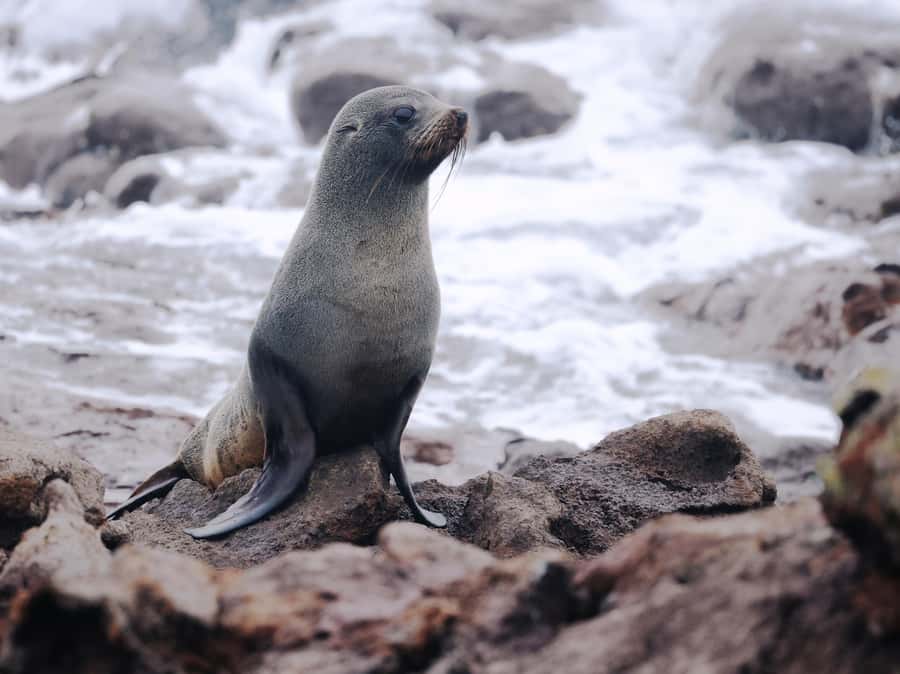
The walk gives you time to look beyond penguins. You might see New Zealand fur seals resting near the shore, sea lions moving close to the route, or little penguins tucked into nest boxes. Forest and shore birds add interest when penguins are quiet.
Several bookings describe fur seals and sea lions as a highlight because they can be seen close up and may be active enough to watch for a while. That is worth remembering when you judge the tour. A day without a wild yellow-eyed penguin can still produce excellent wildlife viewing.
The guide controls the pace. If the group wants to stop for photographs or watch an animal longer, the tour may allow time rather than rushing everyone along. That flexibility is useful, but the total experience remains 90 minutes, so the exact amount of time at each stop will change with the conditions.
What you may see, and what you may miss
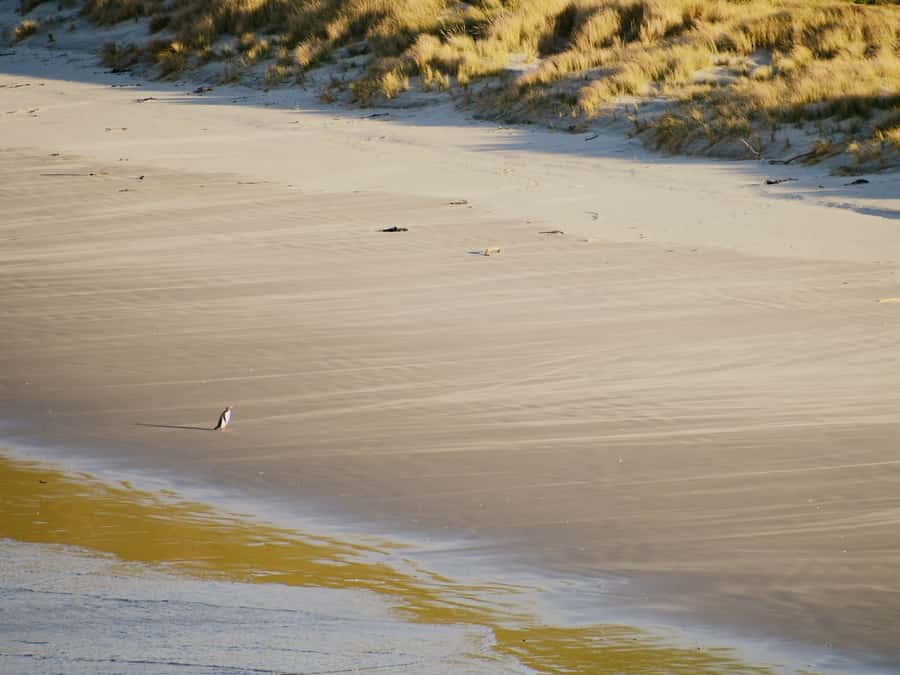
Yellow-eyed penguins are the headline species, but they are also the least predictable part of the outing. Their activity changes through the year and from one day to the next. You might see one coming ashore, or you might see none in the wild.
Some people have watched yellow-eyed penguins on the beach or close to the walking route. Others have seen them only in rehabilitation. Another common possibility is spotting little penguins inside their nest boxes rather than out in the open.
That range is not a flaw in the tour. It is the honest result of visiting wild animals. The operator says viewing cannot be guaranteed, and that warning should guide your booking decision.
You may also see:
- New Zealand fur seals
- New Zealand sea lions
- Little penguins
- Yellow-eyed penguins in care, when present
- Forest birds
- Shorebirds
- Other native plants and animals in the reserve
Bring binoculars if you have them. They are especially useful when a penguin stays at a distance or when birds are moving through vegetation. If you forget them, binoculars may be provided, but availability should not be treated as a promise for every individual guest.
The conservation value behind the $44 price
At $44 per person, this is a reasonably priced wildlife outing for a 90-minute guided experience. The price includes the reserve walk, bus transport within the reserve, the rehabilitation-centre visit when penguins are present, the presentation, a live English-speaking guide, and rain jackets.
The value improves if you care about where your admission money goes. The visit supports a private reserve working to restore habitat and protect native wildlife. You are helping fund conservation rather than paying only for transport to a lookout.
It is less compelling if your only goal is a guaranteed close-up of a yellow-eyed penguin. No responsible wildlife operator can promise that here, and the rehabilitation visit may not always have birds present.
I would compare this tour with larger wildlife operations by asking what sort of experience you want. This one offers a short, focused introduction to a conservation project, with the chance to see animals in a protected setting. It does not promise a long safari-style outing or a full evening of penguin activity.
The free cancellation option up to 24 hours before the start and the reserve-now, pay-later choice make it easier to fit into a changing Dunedin schedule. Starting times vary, so check availability when you book.
The guides are a big part of the experience
The strongest personal touch comes from the guides. Emma and Eden are both noted for their enthusiasm, and the commentary is not limited to memorised facts. The best guides connect the animals to the reserve’s work and explain why visitors must keep their distance and follow instructions.
That attitude matters with penguins. Yellow-eyed penguins are particularly sensitive to disturbance, so a guide who treats quiet observation as part of the experience is doing more than protecting the rules. They are helping protect the animal.
The guide may also adjust the pace for photography or extended wildlife watching. That does not mean every group will have unlimited time, but it does suggest a less rushed approach than a basic stop-and-go coach tour.
The tour is conducted in English. If you want detailed explanations about penguin behaviour, habitat restoration, and the rehabilitation work, you should be comfortable following spoken English.
Who should book this experience
I would choose this tour if you want a short wildlife outing with a strong conservation focus and you are comfortable with uncertain sightings. It suits visitors who want to learn about yellow-eyed penguins, walk through a private reserve, and see whatever wildlife is active that day.
It is also a good choice if you have limited time in Dunedin. Ninety minutes is long enough to include an indoor introduction, the rehabilitation centre, a bus ride, and a nature walk without taking over your whole day.
Families and casual wildlife watchers may enjoy the variety. You are not waiting for just one species, and sea lions, fur seals, little penguins, and birds can keep the walk interesting.
I would think twice if you need step-free access, cannot manage a 2-kilometre outdoor walk, or would be disappointed without a wild yellow-eyed penguin sighting. You should also avoid booking if you expect to touch animals or pose beside them. That is not allowed, and the guide’s instructions are part of responsible viewing.
What to bring for a better outing
Pack light, but prepare for outdoor conditions:
- Comfortable walking shoes
- Warm outdoor clothing
- A camera
- Binoculars, if you have them
- A willingness to stay quiet and follow the guide’s directions
Smoking is not allowed. Food and drinks are not included, so plan those separately.
A telephoto lens or binoculars will help more than a standard phone camera if the penguins remain far away. A rain jacket is supplied, but extra layers still make sense on a cool or wet day.
Should you book the Dunedin Wildlife and Penguin Tour?
Book it if you want a conservation-led reserve visit, not a guaranteed penguin performance. The rehabilitation centre can provide close views when birds are present, while the reserve walk gives you a fair chance of seeing little penguins, seals, sea lions, and birds in the wild.
The strongest reasons to go are the thoughtful conservation message, the guide commentary, and the variety of wildlife. Emma, Eden, and the other guides add warmth and useful detail, and the $44 price is fair for the time and access provided.
Just keep your expectations sensible. Yellow-eyed penguins may appear, but they may not. If you can accept that uncertainty, this is a worthwhile and responsible way to spend 90 minutes on the Otago Peninsula.
FAQ
Where does the tour start?
Check in at reception at 45 Pakihau Road. The tour returns to the same address.
How long does the experience last?
The guided experience lasts 90 minutes, including the presentation, rehabilitation-centre visit when penguins are present, bus ride, and nature walk.
Will I definitely see a yellow-eyed penguin?
No. Yellow-eyed penguin sightings in the wild are not guaranteed, and activity changes throughout the year and from day to day. Penguins may be present in the rehabilitation centre, depending on the time of your visit.
What animals might I see?
Possible sightings include yellow-eyed penguins, little penguins, New Zealand fur seals, sea lions, forest birds, shorebirds, and other native plants and animals.
What should I bring?
Bring comfortable walking shoes, outdoor clothing, a camera, and binoculars if you have them. Rain jackets are included.
Is the tour suitable for wheelchair users or people with limited mobility?
No. The experience is not suitable for wheelchair users, people with mobility impairments, people with visual impairments, or people with a low level of fitness.
More Wildlife Tours in New Zealand
- Dunedin Wildlife Cruise-Albatross, seals and harbour
★ 5.0 · 115 reviews - Iconic Wildlife Tour with Yellow Eyed Penguins & Royal Albatross
★ 4.5 · 33 reviews - Wildlife and Penguin Tour
★ 5.0 · 27 reviews - Akaroa: Wildlife Cruise with Dolphins and Penguins
★ 5.0 · 27 reviews
Just added around New Zealand
- One Day Birding Adventure★ 5.0 · 7 reviews
- Iconic Wildlife Tour with Yellow Eyed Penguins & Royal Albatross★ 4.5 · 33 reviews
- Clearwater Private Penguin & Wildlife Tour from Port Otago (5hrs)★ 5.0 · 7 reviews
- Harbour, Albatross and Wildlife Cruise on Otago Harbour★ 4.5 · 22 reviews
- Motuara Island Bird Sanctuary and Ship Cove Cruise from Picton★ 4.0 · 36 reviews
- Private tour to Cape Kidnappers Gannet Colony★ 5.0 · 10 reviews
- Dunedin City Highlights, Otago Peninsula Scenery & Albatross Guided Tour★ 5.0 · 41 reviews
- Wildlife and Penguin Tour★ 5.0 · 27 reviews
New Zealand Birdwatching Tours, compared.
Gannet Safaris Overland tour to Cape Kidnappers Gannet Colony
Read our review →
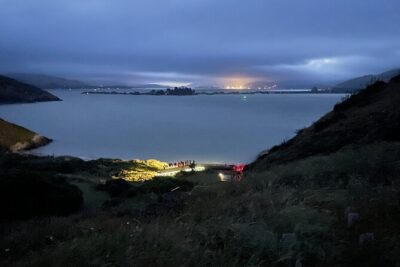
Guided Evening Penguin Viewing Otago Peninsula, Dunedin, New Zealand
Read our review →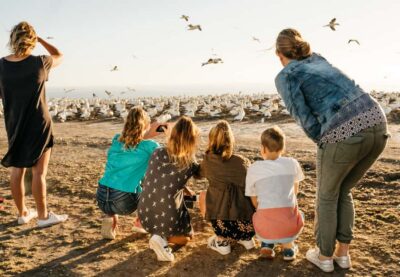
Napier: Cape Kidnappers Gannet, Nature & Sightseeing Tour
Read our review →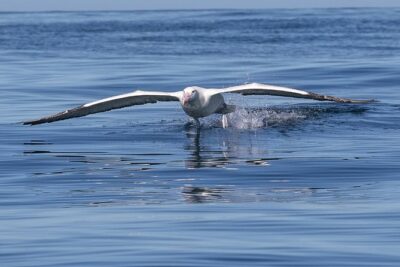
Albatross, seals, and sea birds-Wildlife Cruise
Read our review →
Otago Peninsula In-Depth Tour & Blue Penguins Pukekura Experience
Read our review →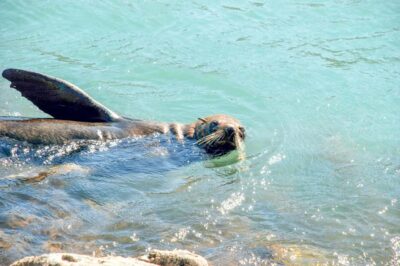
Akaroa: Pohatu Penguins Scenic Nature 2-Hour or 4-Hour Tour
Read our review →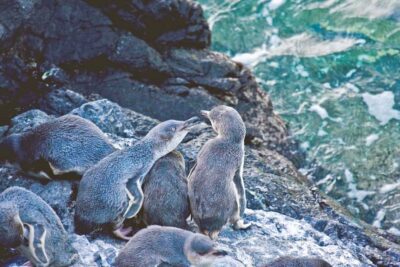
Akaroa: Pohatu Little Penguins 3-Hour Evening Experience
Read our review →Browse the lists this tour appears in