
Review · NEW ZEALAND BIRDWATCHING TOURS
Albatross, seals, and sea birds-Wildlife Cruise
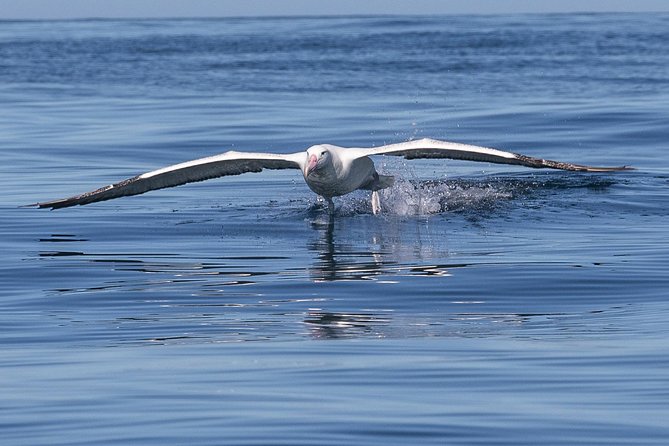
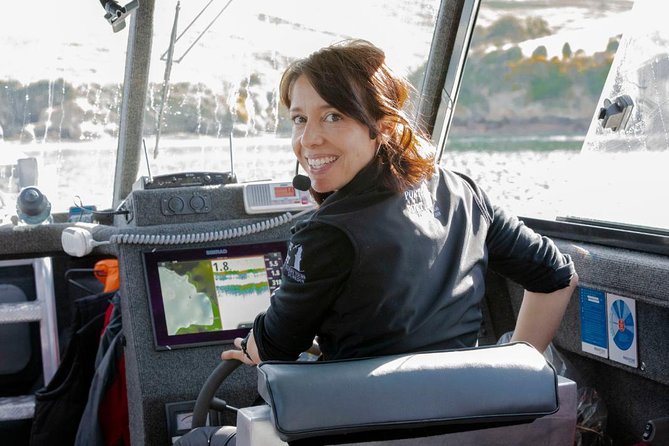
The best reason to book this cruise is the chance to watch royal albatross and New Zealand fur seals from a small boat rather than from a distant lookout. Rachel pilots the vessel herself, pointing out birds, seals, historic buildings, shipwrecks, and working boats as you travel toward Taiaroa Head.
I like the 14-person limit, which gives you room to use the binoculars and ask questions. I also like the heated cabin and open deck, a useful combination when the Otago weather turns cold or spray comes over the side.
The main consideration is that wildlife is never guaranteed. Wind affects albatross activity, and some trips produce only a modest number of sightings. The boat can also feel choppy in rough conditions, so dress warmly and plan for sea spray.
Key points to know before booking
- Royal albatross is possible, not promised: Wind and bird behavior shape the day.
- Rachel is both skipper and guide: Expect clear commentary on wildlife, harbor history, and boat handling.
- Small boat, maximum 14 people: You avoid the feel of a packed sightseeing vessel.
- Port Chalmers departures take about 90 minutes: Trips from Portobello run closer to two hours.
- Heated cabin and open deck: You can warm up, then step outside for photographs.
- Easy cruise-port option: The meeting point is described as a short walk from the cruise ship dock, with pickup available.
Why this Otago Harbour cruise is worth your time
Dunedin is famous for its wildlife, but reaching the best viewing points by land can take time and effort. This cruise offers a more relaxed way to see the Otago Peninsula from the water. You stay seated for most of the trip, yet the scenery keeps changing as the boat leaves Port Chalmers, passes historic harbor sites, and heads toward the open water near Taiaroa Head.
The cruise is not only about ticking off animals. You get a working harbor, old quarantine stations, shipwrecks, fishing boats, dredges, workboats, and large ships. That mix gives the trip a useful sense of place. You see how the harbor functions today while learning why its shoreline and headlands matter.
Rachel provides the commentary throughout the trip. Her role matters here because many sea birds appear only briefly or sit at a distance. A guide who can identify a bird quickly makes the difference between seeing a bird over there and understanding what you are looking at.
The strongest praise is for Rachel’s bird knowledge, friendly manner, and boat handling. Several outings took place in wind or rougher water, yet the skipper adjusted her approach and kept checking that people could hear and were comfortable. That does not remove the motion of the sea, but it is reassuring when conditions become bumpy.
More Seabird Tours in New Zealand
- Gannet Safaris Overland tour to Cape Kidnappers Gannet Colony
★ 5.0 · 942 reviews - Napier: Cape Kidnappers Gannet, Nature & Sightseeing Tour
★ 4.8 · 317 reviews - Dunedin Wildlife Cruise-Albatross, seals and harbour
★ 5.0 · 115 reviews
Leaving Port Chalmers and entering the harbor
The default departure is from Port Chalmers, with a cruise lasting about one and a half hours. If you join at Portobello, the trip takes about two hours. Check your meeting point carefully when booking, since the two options change the length and route of your outing.
Port Chalmers is a practical departure point for cruise passengers. The meeting place is described as an easy walk from the ship dock, and pickup is also offered. Clear directions and on-time arrangements have been important parts of the experience, especially for people working around a ship departure schedule.
Once underway, the boat moves through one of the most scenic parts of Otago Harbour. You pass the historic quarantine stations and old shipwrecks while Rachel explains what you are seeing. This opening section gives you time to settle into the boat before the wildlife search begins.
You also pass Carey’s Bay and Port Chalmers, where fishing boats, dredges, workboats, and ships provide a reminder that this is a working harbor, not simply a pretty waterway. I like this part because it adds context without taking attention away from the wildlife.
The custom-built vessel is designed for sightseeing rather than carrying a large crowd. You can sit inside the warm, enclosed cabin or step onto the outer deck. The deck is the better place for photographs, but the cabin becomes valuable when the wind rises or spray reaches the boat.
Searching the shoreline for birds and seals
As the cruise continues, the focus turns to shallow areas, rocky outcrops, and places where birds feed or rest. Wading birds may appear along the edges of the harbor, while shags and other sea birds use rocks and shoreline areas as resting spots.
Binoculars and wildlife identification sheets are available. Those small details improve the outing because not every animal will be close to the boat. The sheets also help children and first-time birdwatchers follow along instead of waiting for the next large animal to appear.
You may look for New Zealand fur seals, sea lions, blue penguins, dolphins, and several types of albatross. Sightings can be remarkably close. Some trips have included fur seals with pups near rock formations, blue penguins moving on the water, dolphins, and albatross flying near the vessel.
Still, you should set sensible expectations. One calm, sunny outing produced little albatross flight activity, with only one bird waiting on a hill. Another trip in weak wind found albatross taking off and landing rather than gliding. The same waters can produce very different results from one day to the next.
That uncertainty is part of any genuine wildlife cruise, but it is also the main weakness for anyone expecting a constant parade of animals. A comparison with wildlife cruises elsewhere may leave you disappointed if you are hoping for hundreds of birds or regular whale sightings. This cruise is better suited to patient watching and local interpretation than to guaranteed high-volume wildlife viewing.
Taiaroa Head and the albatross search
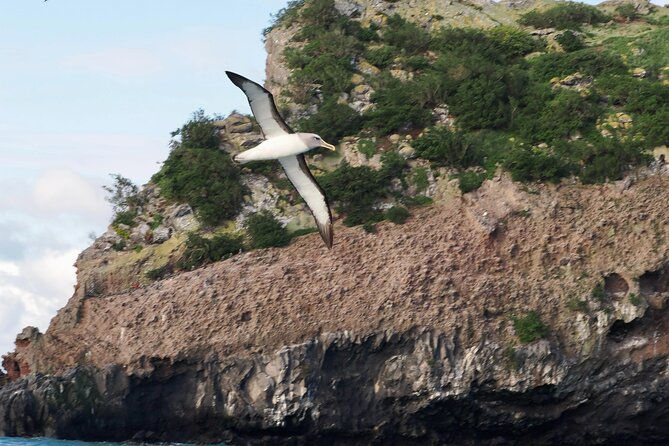
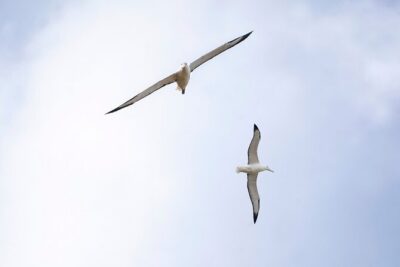
The journey toward Taiaroa Head is the central wildlife section. The headland is associated with royal albatross, and the boat gives you a chance to see these large birds from the water. When the wind is right, they can glide above the boat with little visible effort. Their long wingspan makes even a distant sighting memorable.
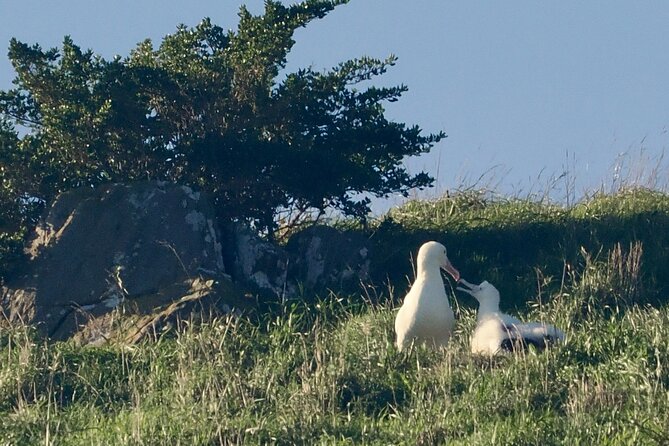
The best encounters can be sudden. An albatross may pass close to the boat, circle overhead, or sit on the water. Past trips have included several albatross species, including northern albatross, and some outings have produced three or four different types.
Do not treat this as a guaranteed albatross flight. Wind is an important factor. Calm conditions may keep birds on the ground or water, while stronger wind can make the air movement more useful for gliding. Rachel may spend extra time looking or move farther out when conditions allow, but nature still sets the schedule.
This is where a small group helps. A 14-person boat gives you a better chance to hear the explanation and take your time with a sighting. On a larger vessel, a brief bird appearance can become a scramble for viewing space. Here, the experience is more focused, though the compact boat also means you feel the movement of the sea more directly.
Same place, a different morning in the field:
- Oamaru: Penguins Evening Viewing Ticket
★ 4.5 · 682 reviews - Guided Evening Penguin Viewing Otago Peninsula, Dunedin, New Zealand
★ 5.0 · 471 reviews - Dunedin: Wildlife and Penguin Tour
★ 4.6 · 239 reviews - Otago Peninsula In-Depth Tour & Blue Penguins Pukekura Experience
★ 5.0 · 163 reviews
A closer look at seals, penguins, and sea birds
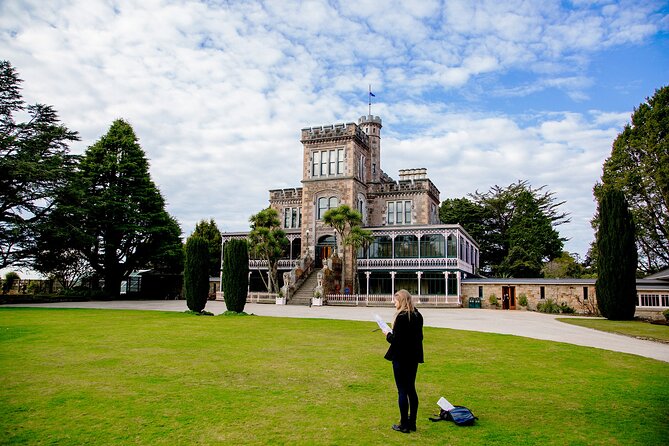
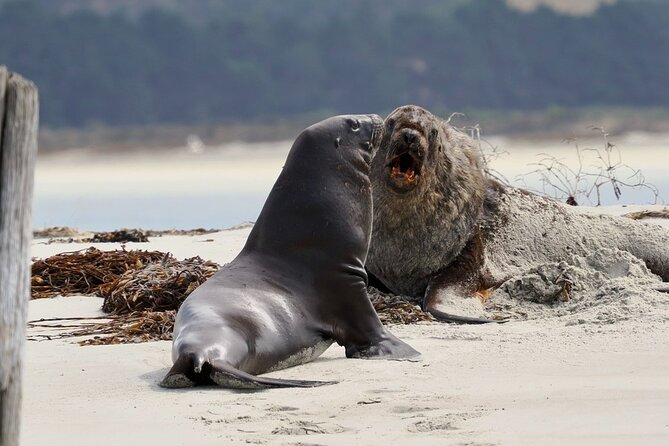
Fur seals are among the more reliable possibilities, especially around rocky areas. You might see adults resting on the rocks, pups, or animals entering and leaving the water. Sea lions are also possible, but sightings are not assured.
Blue penguins can be especially exciting because they are small and easy to miss. One trip produced a close view of penguins bobbing on the waves. That kind of sighting depends heavily on timing and animal behavior, so it is best treated as a fortunate bonus rather than the main promise of the cruise.
The bird list may include shags, wading birds, and several other local sea birds. Rachel’s commentary gives you more than names. She helps identify where birds feed, where they roost, and how to distinguish one species from another.
Photography is possible, but you need to be ready. The boat may move, birds may appear for only seconds, and bright light or wind can make a sharp photograph difficult. I would bring a camera with a secure strap and spend at least some of the trip watching with your eyes rather than trying to capture every moment.
The boat, weather, and comfort level
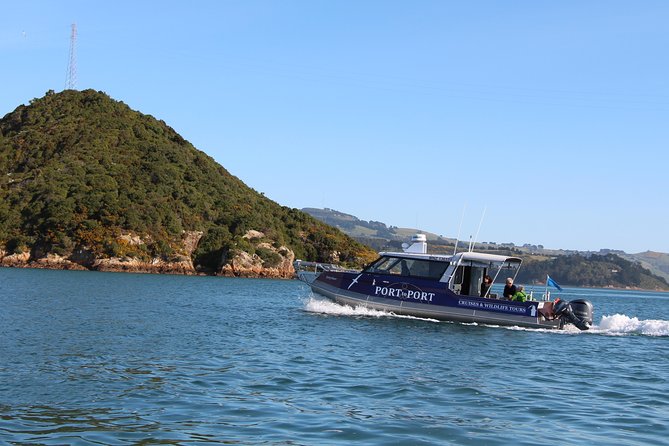
The Sootychaser is a fast, custom-built vessel with a warm enclosed cabin and an open outer deck. This setup is a practical response to Otago’s changeable weather. You can go outside for photos and close views, then return indoors when the wind becomes uncomfortable.
Sea spray is possible, and the ride can be choppy. Several outings have had rougher conditions, with Rachel handling the boat carefully while trying to keep the ride comfortable. Even with good seamanship, a small fast vessel will not feel as stable as a large ferry.
Wear warm layers, including a jacket that can handle spray. The instruction to dress warmly is not a formality. A calm day can still feel cold on the open deck, and standing outside for wildlife viewing exposes you to wind.
Most people can participate, and service animals are allowed. The operator is near public transportation, and the experience has received positive comments about support for people with disabilities. Still, the information does not give detailed boarding or mobility specifications, so contact the operator directly if you need specific assistance.
What the $105.50 price includes in practical terms
At $105.50 per person, this is not the cheapest way to spend time around Dunedin. The value depends on what you want from the outing. You are paying for a small group, a dedicated skipper-guide, a purpose-built boat, equipment such as binoculars and identification sheets, and access to harbor and coastal views without a long land walk.
The price looks strongest for cruise passengers with limited time. A short walk from the ship, a roughly 90-minute cruise, and the possibility of seeing albatross, seals, penguins, and dolphins make this an efficient shore activity. You also get commentary on the working harbor and its historic sites, not just a fast ride to one wildlife location.
For dedicated birdwatchers, the small group and extra time near sightings may justify the higher cost. For someone who only wants a guaranteed close look at one particular animal, the price may feel less certain because wildlife conditions change.
The experience has been booked frequently and receives a 4.8 rating from 189 reviews, with 96 percent recommending it. Those figures point to strong overall satisfaction, but they should not be read as a promise of perfect weather or a full wildlife list on every departure.
Who should book this cruise
I would choose this outing if you enjoy birds, marine animals, local history, and being on the water. It also suits families, since the identification sheets and frequent animal searches give children something to do between sightings.
It is a good match for cruise passengers who want an activity close to the port and do not want to spend the day on a long peninsula excursion. The duration leaves time to explore Port Chalmers afterward, provided your ship schedule allows it.
You should think twice if you dislike boat motion, get seasick easily, or need a guaranteed number of animal sightings. Rough water is possible, and one outing may produce several albatross species while another offers only a few birds and seals.
The cruise also works well for people who prefer explanation over spectacle. Rachel covers the wildlife, the harbor, and historic features such as pilots’ houses, a searchlight, and gun emplacements. You get a broader understanding of the area rather than a simple boat transfer.
Booking, timing, and cancellation details
Confirmation is sent within 48 hours, subject to availability. The maximum group size is 14 people, and the trip is offered with a mobile ticket.
You can cancel up to 24 hours before the local start time for a full refund. Changes or cancellations made less than 24 hours before departure are not accepted for a refund.
The trip depends on good weather and a minimum number of participants. If the operator cancels for poor weather or insufficient numbers, you can choose another date or experience, or receive a full refund.
Should you book the Port Chalmers wildlife cruise?
Book it if you want a small, well-guided search for Otago wildlife with a real chance of seeing royal albatross, fur seals, sea birds, and perhaps penguins or dolphins. The combination of Rachel’s clear commentary, a warm cabin, an open deck, and easy cruise-port access gives the outing practical value.
Go in with the right expectations. This is not a guaranteed wildlife show, and the sea may be rough. But if you can accept changing conditions, the chance to see a huge albatross pass close overhead or a fur seal resting near the rocks makes the $105.50 worthwhile.
FAQ
Where does the wildlife cruise depart from?
The standard departure is from Port Chalmers. A longer version can be joined from Portobello.
How long does the cruise last?
The Port Chalmers trip takes about one and a half hours. If you join from Portobello, the outing lasts about two hours.
What animals might I see?
Possible sightings include royal albatross and other albatross species, New Zealand fur seals, sea lions, blue penguins, dolphins, shags, wading birds, and other sea birds. Sightings are not guaranteed.
Is the boat suitable in cold weather?
The vessel has a heated, enclosed cabin as well as an open outer deck. Sea spray is possible, so warm clothing is recommended.
How many people can join the cruise?
The maximum group size is 14 people.
Can I cancel for a full refund?
Yes. You can cancel at least 24 hours before the experience’s local start time for a full refund. Weather or minimum-participant cancellations may also result in a different date, another experience, or a full refund.
More Wildlife Tours in New Zealand
- Iconic Wildlife Tour with Yellow Eyed Penguins & Royal Albatross
★ 4.5 · 33 reviews - Wildlife and Penguin Tour
★ 5.0 · 27 reviews - Akaroa: Wildlife Cruise with Dolphins and Penguins
★ 5.0 · 27 reviews - Harbour, Albatross and Wildlife Cruise on Otago Harbour
★ 4.5 · 22 reviews
Just added around New Zealand
- One Day Birding Adventure★ 5.0 · 7 reviews
- Harbour, Albatross and Wildlife Cruise on Otago Harbour★ 4.5 · 22 reviews
- Iconic Wildlife Tour with Yellow Eyed Penguins & Royal Albatross★ 4.5 · 33 reviews
- Clearwater Private Penguin & Wildlife Tour from Port Otago (5hrs)★ 5.0 · 7 reviews
- Motuara Island Bird Sanctuary and Ship Cove Cruise from Picton★ 4.0 · 36 reviews
- Private tour to Cape Kidnappers Gannet Colony★ 5.0 · 10 reviews
- Dunedin City Highlights, Otago Peninsula Scenery & Albatross Guided Tour★ 5.0 · 41 reviews
- Wildlife and Penguin Tour★ 5.0 · 27 reviews
New Zealand Birdwatching Tours, compared.
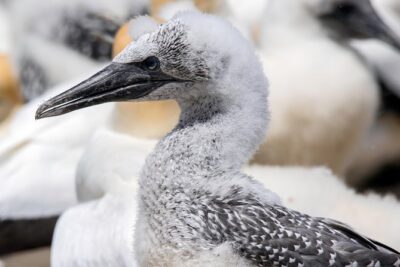
Gannet Safaris Overland tour to Cape Kidnappers Gannet Colony
Read our review →
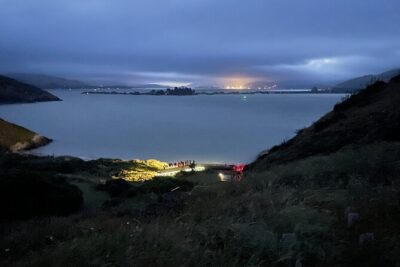
Guided Evening Penguin Viewing Otago Peninsula, Dunedin, New Zealand
Read our review →
Napier: Cape Kidnappers Gannet, Nature & Sightseeing Tour
Read our review →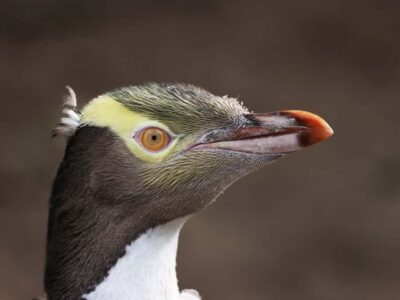
Otago Peninsula In-Depth Tour & Blue Penguins Pukekura Experience
Read our review →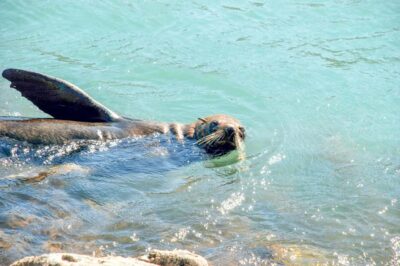
Akaroa: Pohatu Penguins Scenic Nature 2-Hour or 4-Hour Tour
Read our review →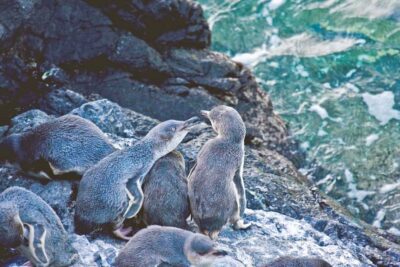
Akaroa: Pohatu Little Penguins 3-Hour Evening Experience
Read our review →Browse the lists this tour appears in