
Review · ITALY BIRDWATCHING TOURS
Discover the fantastic world of birds of prey in the Pollino National Park.
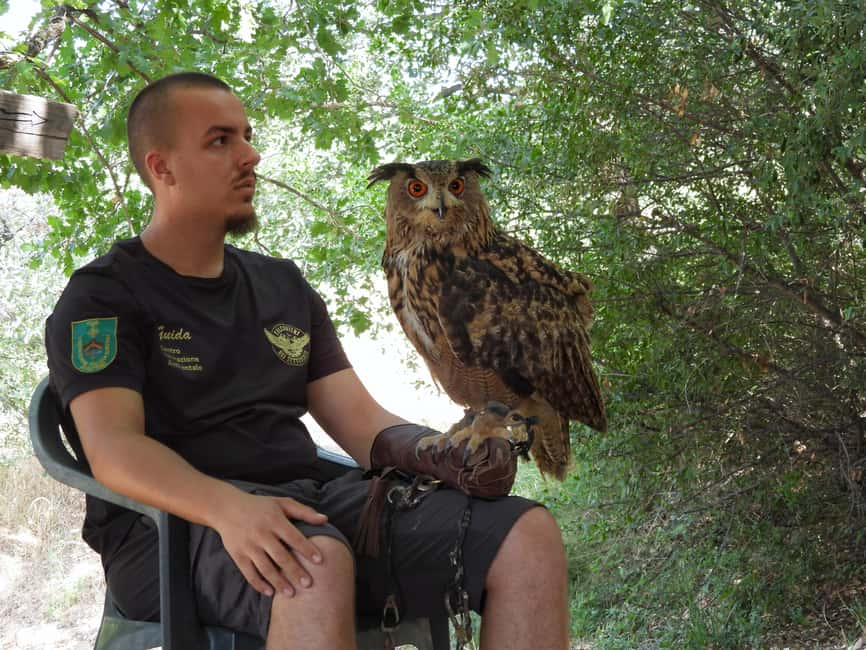
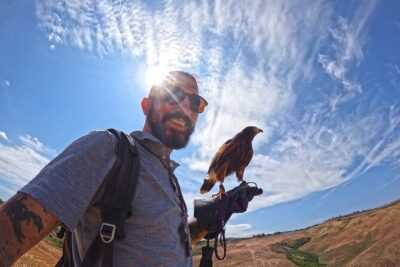
The most unusual thing here is what you will not find: no cages, no circus tricks, and no staged applause. Instead, you spend three hours learning about birds of prey at an interactive nature center near Pollino National Park, with the birds close enough to make the encounter feel personal.
I like the clear respect for the animals, and I like the link to UNESCO falconry, a tradition built on a long relationship between people and birds. The main consideration is language: the live guide speaks Italian, so this tour suits you best if you understand Italian or are comfortable with some content in its original language.
Key points at a glance
- A three-hour education experience: The visit focuses on the lives, behavior, and place of birds of prey rather than a quick photo stop.
- Birds close to you: The center promises direct proximity, with no cages and no flash photography.
- Respectful falconry tradition: The program explains the mutual respect at the heart of UNESCO-recognized falconry.
- A quiet setting near Civita: You enter from a small dirt road off Provincial Road 263, about 1.4 kilometers from the Civita junction.
- Italian-language guidance: The live tour is in Italian, and some material remains in its original language.
- A serious conservation-minded project: Cesario specifically praised the staff’s competence and the owner’s project, a useful sign for visitors who care about the purpose behind the activity.
Meeting birds of prey without the circus
Many bird-of-prey attractions are built around spectacle. This one takes a different route. The goal is to help you understand these animals, not make them perform for applause.
That difference matters. A short demonstration can give you a thrilling picture of a falcon or owl, but an educational visit asks you to pay attention to the animal itself. You are encouraged to approach with quiet and humility. The center describes the birds as close enough for you to hear their heartbeats, a vivid way of explaining the intimacy of the encounter.
You should not arrive expecting a theatrical flight show. The experience is designed as an interactive educational journey, with the birds and their lives at the center. The lack of circus tricks is not a missing feature. It is the point.
The rules reinforce that approach. Smoking, littering, loud noise, flash photography, and professional cameras are not allowed. These limits may feel strict if you are used to casual attractions, but they protect the calm setting and help keep the focus on the birds.
More Falconry Tours in Italy:
- Interactive Educational Course on Birds of Prey
★ 5.0 · 230 reviews - Falconry experience in Tuscany
★ 5.0 · 24 reviews - Experience with birds of prey in Tuscany
★ 5.0 · 4 reviews
What the three-hour visit is really about
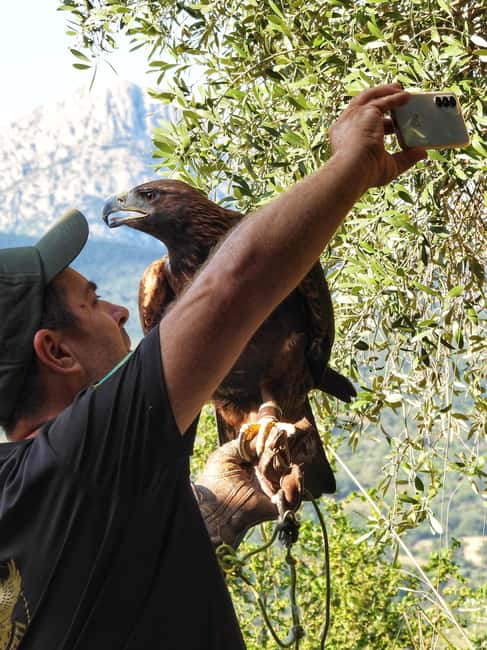
The full visit lasts three hours, which gives the subject room to breathe. You are not simply walking past an enclosure, taking a photograph, and moving on. The format is meant to build understanding through close contact and explanation.
The first part of the visit is best understood as orientation. You learn what the center is trying to do and why its approach differs from a zoo or show. The focus is environmental education, with birds of prey used as a way to discuss nature, responsibility, and the old bond between people and animals.
From there, the visit centers on the birds themselves. The supplied details do not provide a fixed list of species or a minute-by-minute route, so you should not expect a named collection or guaranteed sighting of a particular bird. What is clear is that the specimens are presented at close range, in a setting designed for direct observation.
This is where the three-hour length earns its keep. You have time to watch rather than rush. You can notice posture, movement, sound, and the way the birds respond to a quiet human presence. The center’s message is not simply that birds of prey are impressive. It is that they deserve attention on their own terms.
The final part of the visit connects the encounter to falconry. The experience presents UNESCO falconry as more than a hunting technique or an old custom. It explains a relationship based on mutual respect between human and bird. That context gives the close encounter a wider meaning, especially if you want your time in southern Italy to include cultural education as well as scenery.
The value of UNESCO falconry
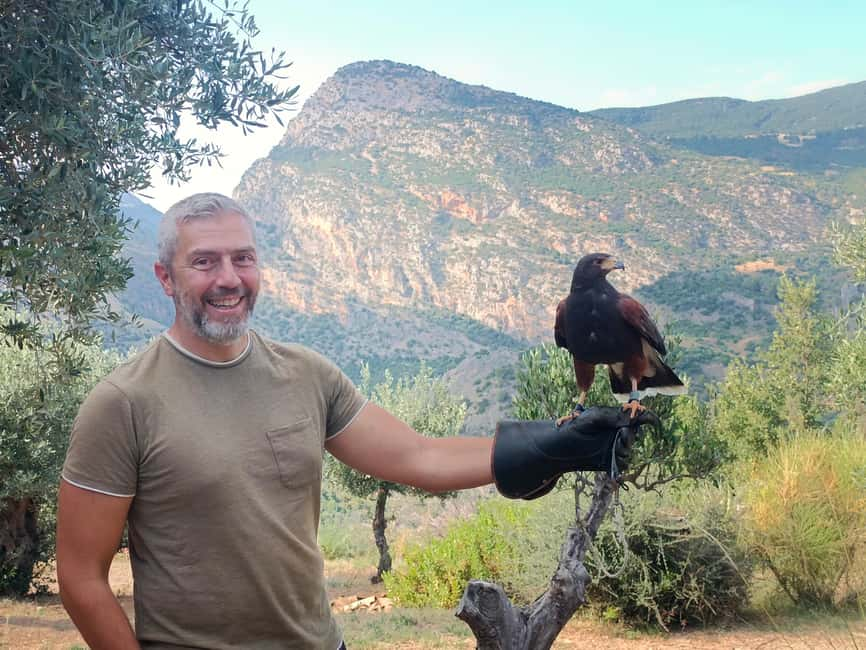
Falconry can be misunderstood if it is reduced to dramatic photographs of a bird perched on a gloved hand. Its deeper idea is the relationship between a person and a bird that remains powerful, independent, and difficult to command in the way a domestic animal might be.
This center uses falconry to discuss that relationship. The emphasis is on respect, patience, and understanding. You are not being sold a quick thrill. You are being asked to see the bird as a living creature with its own nature.
That approach also gives the visit a cultural layer. The connection between people and birds of prey reaches back many centuries, and UNESCO recognition helps explain why falconry is treated as an important shared tradition. You will not just be looking at birds. You will be learning why this relationship has lasted.
I find that especially useful for families and adults who want more than a photograph. Children can see the size and power of the birds up close, while adults can place the encounter in a wider cultural and environmental setting. The quiet rules also turn the visit into a practical lesson in responsible contact with wildlife.
Close contact, quiet behavior, and useful limits
The promise of close proximity is one of the strongest reasons to book. Seeing a bird at a distance is one thing. Being near enough to hear its heartbeat is a far more focused experience.
That closeness comes with responsibilities. You must keep noise down, avoid flash, and leave professional cameras at home. The restrictions may disappoint serious photographers, especially those hoping to capture detailed images, but they signal that the center puts animal welfare and calm ahead of polished souvenir pictures.
Bring comfortable shoes and comfortable clothes. The entry is by a small dirt road, so practical clothing makes sense even though the exact walking conditions and route length are not specified. You should also plan to keep your attention on the guide and the birds rather than treating the visit as a free-form photo session.
Unaccompanied minors are not allowed. The available information does not specify a minimum age or the exact arrangements for children with an adult, so families should check those details before booking. Wheelchair access is available, which makes the experience more usable for visitors with mobility needs, although the dirt-road entrance is worth keeping in mind.
More National Park Trips in Italy:
- Vendicari – Sicily’s best coast nature reserve ( Birdwatching & Archeology )
★ 5.0 · 8 reviews - Lisbon: Tagus Estuary Nature Reserve Birdwatching Boat Tour
★ 4.9 · 117 reviews - Snorkel and Island Experience at Laughing Bird Caye National Park
★ 5.0 · 93 reviews - King Penguin Nature Reserve – Tierra del Fuego Island
★ 4.0 · 73 reviews
Finding the center near Civita
The meeting point is easy to describe but easy to miss if you are driving quickly. The entry is on a small dirt road directly from Provincial Road 263.
If you are coming from the SS106, look for the entrance about 1.4 kilometers before the Civita junction. If you are approaching from the motorway, it is about 1.4 kilometers after the Civita junction. These directions are particularly important because the experience is not described as beginning in a town square or at a major public building.
Give yourself a little time to identify the turn. The information does not include a transfer service, so you should plan to reach the meeting point independently. The center is in Basilicata, close to the Pollino National Park area, making it a natural addition to a day spent exploring this part of southern Italy.
Because the location is reached by a dirt-road entrance, comfortable footwear is sensible even if you do not expect a long hike. The center’s surroundings are part of the appeal, but you are booking an educational bird encounter rather than a marked nature walk or a scenic transport tour.
The Italian guide and the language question
The live guide speaks Italian. That is the most important practical detail for international visitors.
If you understand Italian, the language adds a direct local quality to the visit. If you do not, you may still appreciate seeing the birds and following the central ideas, but the educational value will depend on how much of the explanation you can follow. Some content is presented in its original language, so this is not a tour designed around full English translation.
I would treat language as a booking decision, not a minor footnote. The center’s purpose is education. You are paying for explanation and interpretation, not only access to the birds. Italian speakers will get the fullest version of the program, while other visitors should confirm whether they have a practical way to understand the guide before committing.
The provider is Falconieri dei Setteventi. Cesario praised the staff’s competence and the owner’s wider project, which fits the experience’s stated purpose. The strongest appeal here is not a famous presenter or a named celebrity falconer. It is the seriousness of the people running a project built around respect and environmental education.
Is $47 a fair price?
At $47 per person, this is not the cheapest way to spend three hours in the Pollino area. It can still be good value if you want a focused educational experience rather than a general sightseeing stop.
The price includes the tour. It does not list transportation, meals, or additional activities, so you should budget for reaching the center yourself and for anything else you plan to do that day. The value comes from the time with the birds, the guide’s interpretation, and the project’s careful approach.
I would compare it with the price of a standard attraction in simple terms. If you only want a quick photograph, $47 may feel high. If you want a three-hour encounter built around animal welfare, falconry tradition, and environmental education, the cost is easier to justify.
The lack of a show also changes the value calculation. You are not paying for repeated tricks or a dramatic performance. You are paying for a slower kind of attention, one that asks you to listen, observe, and learn. That will appeal to some people far more than a polished spectacle. Others may find it too quiet, especially if they expect constant action.
Who will enjoy this most
I would recommend this visit to you if you have a real interest in birds, wildlife, conservation, or traditional falconry. It also suits people who prefer thoughtful local projects to standard tourist entertainment.
Families can find useful lessons here, but children must be accompanied. The no-noise rule means this is not a place for running around or treating the birds as props. Adults should explain the purpose of the visit before arriving so younger children understand that calm behavior is part of the experience.
Photographers need to think carefully. Flash photography and professional cameras are forbidden, so this is not the right choice if your main goal is a serious bird portfolio. Casual phone photography may still be possible, but the supplied rules do not specifically confirm every camera or phone policy. Follow the guide’s instructions.
Visitors with mobility needs may appreciate the wheelchair-accessible format. Still, because the meeting point is reached through a small dirt road, it is wise to ask about the exact surface and route before booking if you need highly specific access information.
Booking details worth knowing
You can cancel up to 24 hours before the start time for a full refund. That gives you some protection if your plans around Basilicata change.
The reserve-now-and-pay-later option also helps if you are organizing several parts of a trip at once. You can hold your place without paying immediately, subject to the booking terms shown at the time you reserve.
Starting times vary, so check availability for the day you want. The visit lasts three hours, and the available information does not provide a fixed daily schedule or group size. Plan around the full time rather than assuming you can fit it into a short gap between other activities.
Wear comfortable shoes and clothes. Do not bring professional camera equipment, and leave smoking materials behind. Most important, arrive ready to keep noise low. The calm atmosphere is not an optional extra. It is what allows the close encounter to work.
Should you book Falconieri dei Setteventi?
Book it if you want quiet contact, serious education, and a respectful view of falconry near Pollino National Park. The strongest features are the close presence of the birds, the three-hour format, and the clear refusal to turn them into circus performers.
Think twice if you need English guidance, a fast-paced show, guaranteed sightings of specific species, or professional photography access. The Italian-only format and strict behavior rules can shape the entire visit.
For Italian speakers and wildlife-minded visitors, $47 buys more than a quick look. It supports a focused project where the birds are treated as animals to understand, not props for applause. That makes this a worthwhile choice for the right kind of visitor.
FAQ
Where is the birds of prey experience located?
It is in Basilicata near Civita and the Pollino National Park area. The entrance is on a small dirt road directly from Provincial Road 263, about 1.4 kilometers before or after the Civita junction, depending on your direction of approach.
How long does the tour last?
The experience lasts three hours.
What language is the live tour in?
The live guide speaks Italian. Some content is shown in its original language.
What is included in the price?
The tour is included. The listed price is $47 per person.
Can I cancel for a full refund?
Yes. You can cancel up to 24 hours in advance for a full refund.
Can I reserve now and pay later?
Yes. The reserve-now-and-pay-later option allows you to book without paying immediately.
Is the experience wheelchair accessible?
Yes, the activity is listed as wheelchair accessible.
What should I bring, and what is not allowed?
Bring comfortable shoes and comfortable clothes. Smoking, professional cameras, flash photography, littering, unaccompanied minors, and making noise are not allowed.
Just added around Italy
- Lio Piccolo: Flamingos & Birdwatching Bike Tour in the Lagoon★ 5.0 · 7 reviews
- Falconry experience in Tuscany★ 5.0 · 24 reviews
- Vendicari – Sicily’s best coast nature reserve ( Birdwatching & Archeology )★ 5.0 · 8 reviews
- Birdwatching at Saline Maria Stella in Trapani★ 5.0 · 3 reviews
- Vendicari private visit 3 hours The Bird Hotel.★ 5.0 · 2 reviews
- Flamingos Sightseeing Segway Tour★ 5.0 · 45 reviews
- Combo: Cagliari Old Town and the Oasis of Flamingos★ 5.0 · 22 reviews
- Birdwatching by boat in a small group in the Pialassa Baiona★ 5.0 · 45 reviews
Italy Birdwatching Tours, compared.
Interactive Educational Course on Birds of Prey
Read our review →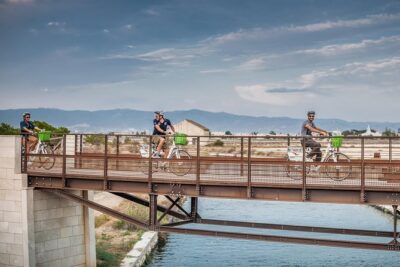
Cagliari E-Bike Tour: Gulf, Canals & Flamingos at Molentargius
Read our review →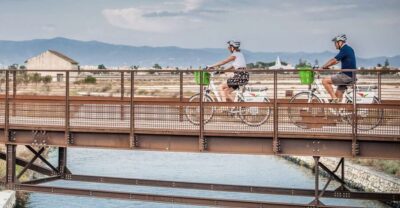
Cagliari E-Bike Tour: Canals & Flamingos at Molentargius
Read our review →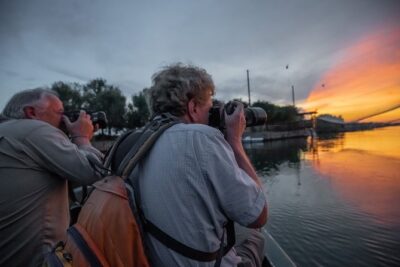
Birdwatching by boat in a small group in the Pialassa Baiona
Read our review →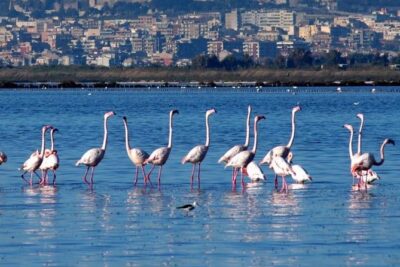
Combo: Cagliari Old Town and the Oasis of Flamingos
Read our review →
Cagliari city tour and flamingo park by minivan and on foot
Read our review →Browse the lists this tour appears in