
Review · ITALY BIRDWATCHING TOURS
Birdwatching at Saline Maria Stella in Trapani
Trapani’s salt pans are at their best when the light turns gold and pink flamingos appear across the evaporation pools. This small private visit takes you to the Maria Stella mill area for birdwatching in a place where nature and traditional salt production share the same setting. It is a quiet, focused way to see a less polished but highly memorable side of western Sicily.
I like two things here. The flamingos are seen in their natural setting, not in a zoo or formal bird park. I also like the link to old salt-making methods: the restored windmill, museum displays, salt tasting, and working pans give the birds a cultural backdrop. The main consideration is timing. The advertised activity lasts about one hour, while the wider salt-pan visit can run closer to two hours, so check exactly what your booking includes.
Key points at a glance
- Birdwatching beside the Maria Stella mill: Meet at Via Carlo Messina, 2, near Mulino Maria Stella, then begin the activity on foot in the salt-pan area.
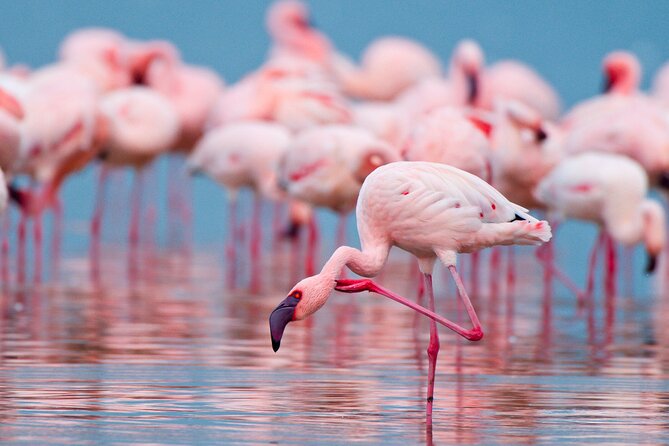
- Pink flamingos are the star sight: You may see them in the evaporation tanks, especially in the soft light around sunset.
- A private activity for your group: No other booking group joins you, which makes it easier to set the pace and ask questions.
- The wider visit adds salt culture: Museum explanations, traditional extraction methods, a restored windmill, and local salt tasting may form part of the broader Saline Culcasi visit.
- Bring your own birdwatching gear: The activity is self-equipped, so binoculars and any camera equipment you want are your responsibility.
- Good value at $21.76: The price is modest for a private, English-language visit, but confirm whether your booking is the one-hour birdwatching format or a longer museum and salt-pan tour.
Why Trapani’s salt pans are worth your time
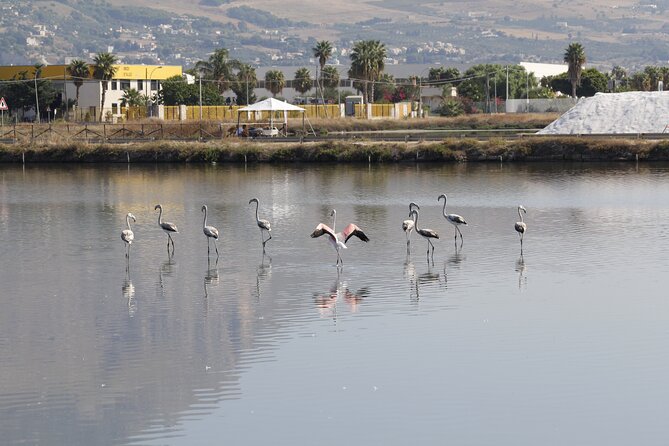
The salt pans south of Trapani offer a different kind of Sicilian outing. You are not heading to a church, market, or crowded viewpoint. Instead, you are entering a broad working area of shallow evaporation pools, windmills, water, and open sky.
The setting matters because the salt pans serve two purposes at once. They are part of an old local industry, and they also provide feeding and resting areas for birds. That combination gives the visit more depth than a simple bird checklist. You can watch birds while seeing how salt is still produced through a traditional process.
The pans are especially striking late in the day. The shallow water reflects the sky, and the colors change as the sun drops. Flamingos can appear pink against the pale pools, while the windmill gives the view a strong human mark. You might find the area less immediately dramatic than a mountain or ancient temple, but its quiet character grows on you.
This is also a useful choice if you have already seen Trapani’s old center and want an outing with a slower rhythm. It does not require a full day, and the private format keeps the visit personal.
A few more birdwatching trips around Italy worth a look
- Trapani: Salt Pans Sunset Tour and Flamingo Way
★ 4.4 · 252 reviews - Interactive Educational Course on Birds of Prey
★ 5.0 · 230 reviews - Cagliari: Bike Tour in the Flamingo Oasis
★ 4.7 · 141 reviews
Meeting at Mulino Maria Stella
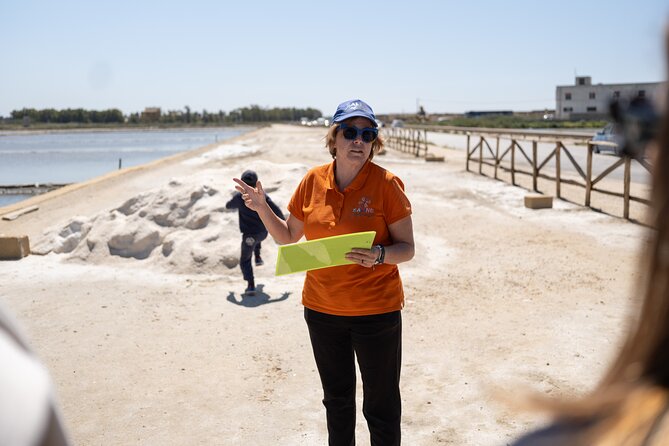
The activity begins near Mulino Maria Stella at Via Carlo Messina, 2, 91100 Trapani. You check in with the staff, then begin the birdwatching visit. The ticket redemption point is listed at Saline di Trapani e Paceco, Via Carlo Messina, 1, just across the road at number 1.
That difference between the meeting address and ticket point is small, but I would pay attention to it. Arrive with both addresses saved on your phone. The experience ends back at the meeting point, so you do not need to arrange a separate pickup from the salt pans.
The location is practical for anyone staying in Trapani, but the supplied information does not include transport from your hotel. You should plan your own way to Via Carlo Messina. The provider also says you must be self-equipped. That wording is important for birdwatchers: bring your own binoculars, camera, guidebook, water, and anything else you need for an hour outdoors.
An English-language option is available. Since this is a private activity, the guide can focus on your group rather than moving a large crowd from one point to another. That should suit you if you prefer to stop often, ask questions, or simply spend more time watching.
What happens during the one-hour birdwatching visit
The listed itinerary has one stop, Mulino Maria Stella, with about one hour set aside for the activity. This does not mean you spend the whole time staring through binoculars at one pool. The mill area is the starting point for a wider look at the salt works and bird habitat.
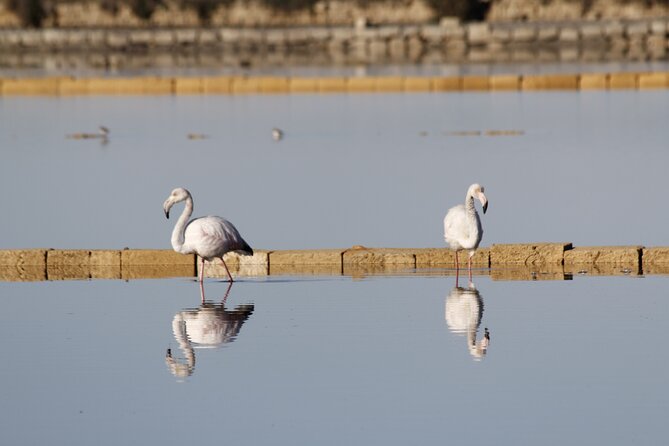
You can expect an introduction from the staff, followed by time in the salt-pan setting. The water tanks, raised paths, and mill provide the visual frame. The main reward is patience. Birds may not perform on command, and the private format lets you stay with a sighting instead of being rushed along.
Flamingos are the major draw, but the supplied information does not promise a particular number of birds or guarantee a sighting. That is normal for wildlife watching. You are visiting a natural area, not a staged show. The best approach is to enjoy the reflections, sounds, and changing light even if the birds keep their distance.
Sunset is a particularly good time to consider. The most detailed visit description connected with this salt-pan setting includes flamingos in the pools at sunset, with golden light across the water. Another account specifically recommends late-day timing for both the sunset and the birds. Still, the one-hour product details do not state that every departure is scheduled at sunset, so check your chosen start time before booking.
The tour requires good weather. If conditions are poor, the provider offers another date or a full refund. That policy is useful here because birdwatching in open salt pans loses much of its appeal in rain or rough weather.
The Maria Stella mill and the working salt tradition
The windmill is more than a backdrop for photographs. It helps explain how the salt pans functioned before modern equipment took over much of the work. In the broader visit, the restored mill can be entered, and you may climb to the top for views over the pools.
The museum adds another layer. The explanations cover the long local tradition of harvesting salt, along with the methods used to move and process the water. You see how the evaporation tanks, wind, and human labor fit together.
I like this part because it gives the birdwatching a clear sense of place. A flamingo in a pool is attractive, but a flamingo in a pool shaped by centuries of salt production tells a more complete story. The visit connects natural behavior with a working tradition rather than treating the salt pans as a decorative photo stop.
The scale of the visit is worth clarifying. The advertised birdwatching activity is about one hour. The wider museum, mill, salt-pan, and tasting visit has been described as taking about two hours. If your main goal is birds, the shorter format may be enough. If you want the full Saline Culcasi story, allow more time and confirm what your reservation covers.
Same place, a different morning in the field:
- Cagliari E-Bike Tour: Gulf, Canals & Flamingos at Molentargius
★ 5.0 · 79 reviews - Cagliari E-Bike Tour: Canals & Flamingos at Molentargius
★ 4.8 · 60 reviews - Flamingos Sightseeing Segway Tour
★ 5.0 · 45 reviews - Birdwatching by boat in a small group in the Pialassa Baiona
★ 5.0 · 45 reviews
Salt tasting adds a useful local detail
A tasting of different local salts can be part of the broader visit, including a garlic-flavored flower salt. This is a small detail, but it turns an abstract explanation of salt production into something you can understand with your own senses.
The tasting also shows that salt is not just a souvenir or an industrial product. Different types have different textures and kitchen uses. You may find this most appealing if you enjoy food traditions and want a simple local purchase to take home.
Products can be bought on site. The provided information does not list prices or the full range of goods, so I would treat shopping as an optional extra rather than part of the tour’s core value. The main experience remains the salt pans, mill, and birds.
Why the private format matters
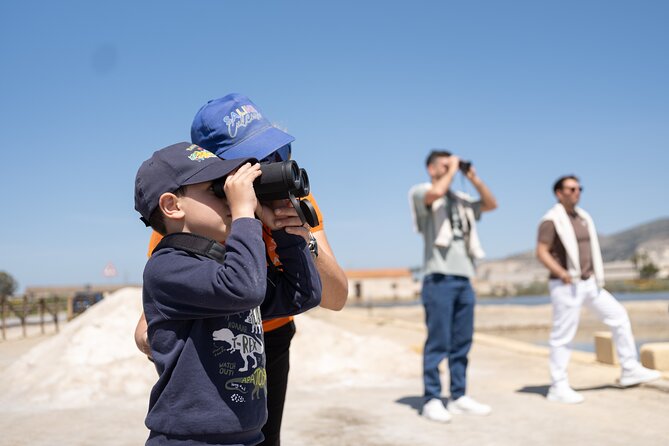
At $21.76 per person, this is priced within reach of most Sicily itineraries. The value becomes stronger when you consider that it is a private activity for your group, not a large departure where everyone must follow the same pace.
A private visit is especially useful for birdwatching. You can ask the guide to explain what you are seeing, pause at a pool, or spend more time with the mill if that interests you. Families and mixed-age groups may also find the format easier than a fixed public tour.
The price is less of a bargain if you expect a long guided nature excursion with specialist equipment supplied. You must bring your own gear, and the listed duration is only about one hour. Think of it as a compact introduction to the salt pans, not a full-day birding expedition.
The booking pattern suggests planning ahead can help, with reservations made an average of nine days before the visit. That does not establish a strict deadline, but I would not leave it until the last minute if your Trapani schedule is tight.
The guide can shape the visit
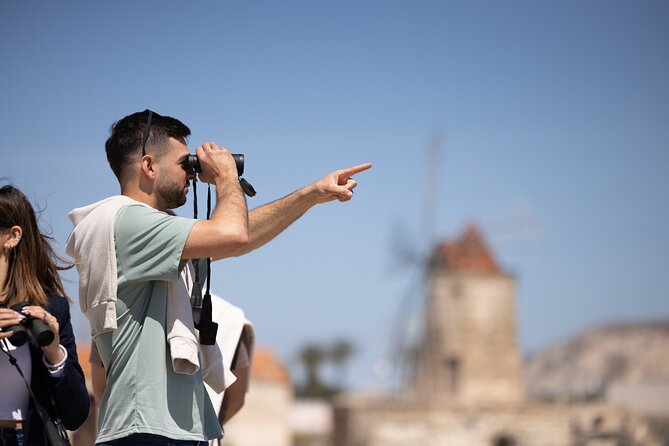
The available information identifies Enrico as a guide connected with the salt-pan experience. His role is praised for making the visit feel personal and authentic, with clear explanations of the mill, salt production, and birds.
You should not assume Enrico will lead every departure, but his involvement shows the importance of the human side of this outing. The salt pans are easier to appreciate when someone explains what the tanks are doing, why the mill matters, and how the salt reaches the final product.
The staff are also described as competent, friendly, and thorough. That matters in a short tour. With only an hour, a guide who explains clearly can help you understand the place without filling every minute with talk.
The best balance is a guide who gives you the background, then lets you watch in silence. This setting rewards quiet. Bird sounds, wind, and the reflections on the water can be as memorable as the spoken explanation.
Who will enjoy this most
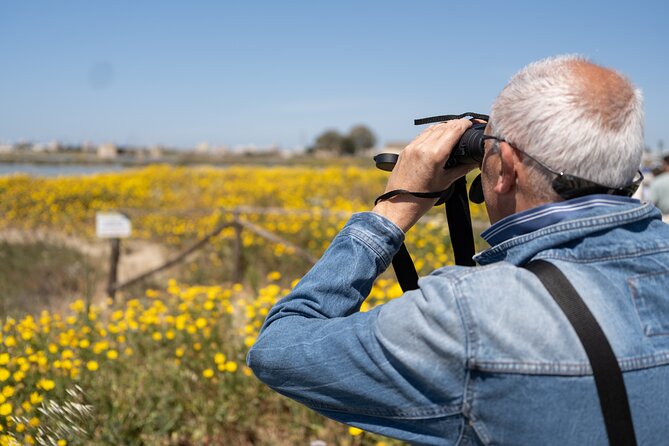
I would recommend this activity to you if you like nature but do not want to spend an entire day on a specialist excursion. It works well for couples, families, photographers, and anyone curious about traditional Sicilian food production.
It is also a good fit if you have limited time in Trapani. The one-hour format can fit beside a visit to the city or other nearby sights. Sunset timing makes it especially attractive as a late-day plan, provided your booking time matches the light you want.
You will get the most from it if you have at least some interest in birds, salt, or local industry. If you only want a guaranteed close-up view of flamingos, no wild setting can promise that. Bring patience and accept that the birds control the schedule.
Most travelers can participate, and service animals are allowed. The activity is not described as requiring special fitness, but you should be ready to spend time outdoors and bring your own supplies. The provider does not list supplied binoculars or cameras.
Practical details before you book

The price is $21.76 per person, and the activity is offered in English. Confirmation arrives at the time of booking. The tour begins and ends near Mulino Maria Stella, with the listed addresses at Via Carlo Messina, 2 and Via Carlo Messina, 1.
Free cancellation is available if you cancel at least 24 hours before the start time. Changes or cancellations made within 24 hours are not accepted for a refund. Since the activity depends on good weather, a cancellation by the provider due to poor conditions brings an alternative date or a full refund.
I would book this for a day when you can keep your schedule flexible around the weather. I would also bring binoculars, a camera if you use one, water, and comfortable outdoor clothing. The exact equipment list is not provided, so being self-equipped is the safest assumption.
One final tip: ask at booking whether you are reserving the one-hour Maria Stella birdwatching visit or a longer Saline Culcasi program that includes the museum, windmill interior, salt tasting, and broader salt-pan tour. Both sound worthwhile, but they offer different amounts of time and value.
Should you book Birdwatching at Saline Maria Stella?
Book it if you want a short, private look at Trapani’s salt pans, with a real chance to see flamingos and a useful introduction to traditional salt production. The modest price, English option, and private format make it an easy addition to a Trapani itinerary.
Choose the sunset timing if available. The pools, mill, birds, and fading light work together especially well at that hour. If you want museum explanations, a mill visit, salt tasting, and a longer tour, confirm those inclusions before paying.
Skip it if you need guaranteed wildlife sightings, supplied birdwatching equipment, or a long specialist excursion. For everyone else, this is a calm and distinctive way to see western Sicily beyond the usual monuments.
FAQ
Where does the birdwatching activity begin?
It begins at Via Carlo Messina, 2, 91100 Trapani, near Mulino Maria Stella. The ticket redemption point is listed at Saline di Trapani e Paceco, Via Carlo Messina, 1.
How long does the activity last?
The advertised birdwatching activity lasts approximately one hour. A broader visit that includes the museum, salt pans, mill, and tasting may take about two hours.
Does the activity end at the starting point?
Yes. The activity ends back at the meeting point.
Is this a private tour?
Yes. Only your group participates in the private activity.
Is the experience offered in English?
Yes. English is one of the available languages.
Do I need to bring my own birdwatching equipment?
Yes. The activity states that you must be self-equipped. Bring your own binoculars, camera, or other equipment you want to use.
What happens if the weather is bad?
The experience requires good weather. If it is canceled because of poor conditions, you can choose another date or receive a full refund.
Just added around Italy
- Lio Piccolo: Flamingos & Birdwatching Bike Tour in the Lagoon★ 5.0 · 7 reviews
- Falconry experience in Tuscany★ 5.0 · 24 reviews
- Vendicari – Sicily’s best coast nature reserve ( Birdwatching & Archeology )★ 5.0 · 8 reviews
- Vendicari private visit 3 hours The Bird Hotel.★ 5.0 · 2 reviews
- Flamingos Sightseeing Segway Tour★ 5.0 · 45 reviews
- Combo: Cagliari Old Town and the Oasis of Flamingos★ 5.0 · 22 reviews
- Birdwatching by boat in a small group in the Pialassa Baiona★ 5.0 · 45 reviews
- Matera: Handmade Clay Bird Workshop★ 5.0 · 4 reviews
Italy Birdwatching Tours, compared.

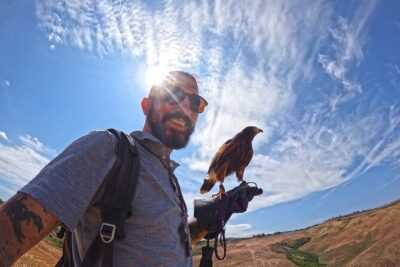
Interactive Educational Course on Birds of Prey
Read our review →
Cagliari E-Bike Tour: Gulf, Canals & Flamingos at Molentargius
Read our review →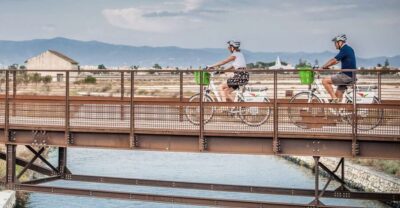
Cagliari E-Bike Tour: Canals & Flamingos at Molentargius
Read our review →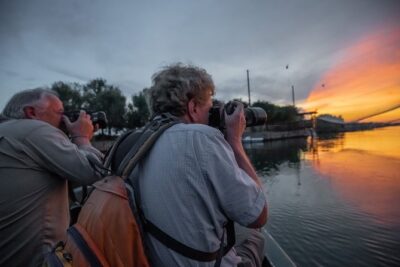
Birdwatching by boat in a small group in the Pialassa Baiona
Read our review →

Combo: Cagliari Old Town and the Oasis of Flamingos
Read our review →
Cagliari city tour and flamingo park by minivan and on foot
Read our review →Browse the lists this tour appears in