
Review · NEW ZEALAND BIRDWATCHING TOURS
Auckland (Tawharanui): Wild Kiwi Bird Spotting Encounter
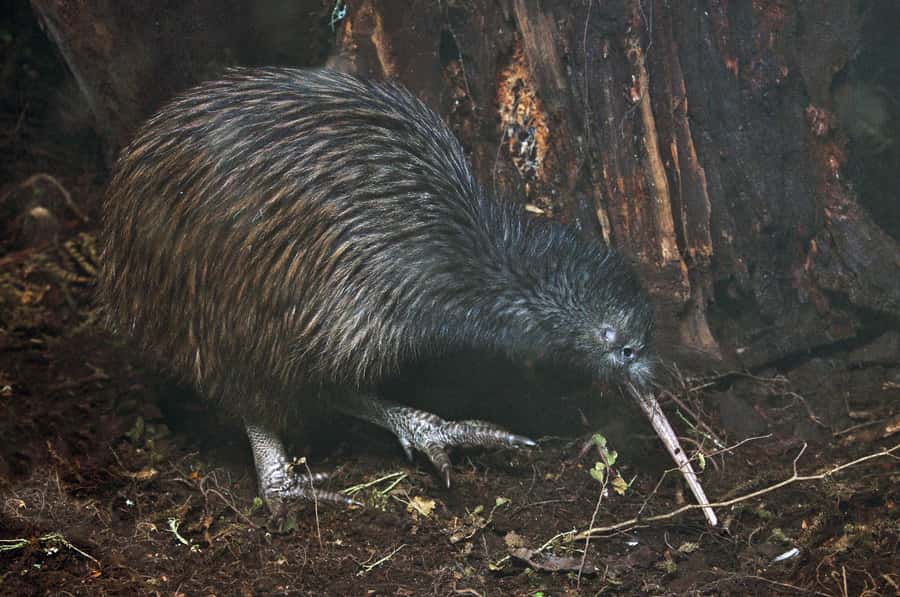
Seeing a wild kiwi in the dark is the main event here. At Tāwharanui Regional Park, you move slowly through native bush while your guide listens for calls, watches the track, and points out tiny signs of activity. The birds are free-ranging and genuinely wild, not presented in an enclosure.
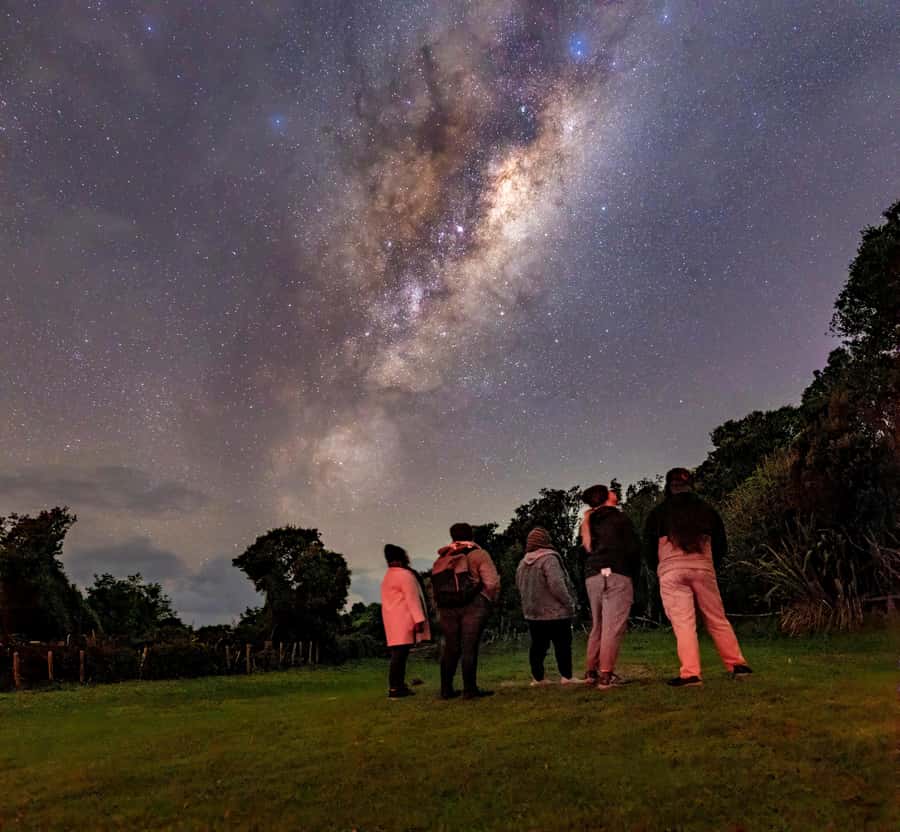
I like the mix of kiwi tracking and dark-sky stargazing, especially when guides such as Legend, Chris, Millie, Lucas, or Sean add stories about Māori astronomy and local wildlife. I also like that the tour supports a protected reserve where kiwi conservation is part of the experience. The catch is simple: kiwi spotting demands patience, and sightings are never guaranteed. Clouds can also wipe out the stars.
Key points to know before booking
- Wild kiwi in their natural habitat: You may see anything from no kiwi to several, with recent outings recording between two and more than 15 birds.
- A quiet, slow-paced walk: The best sightings come when the group moves carefully and keeps noise low.
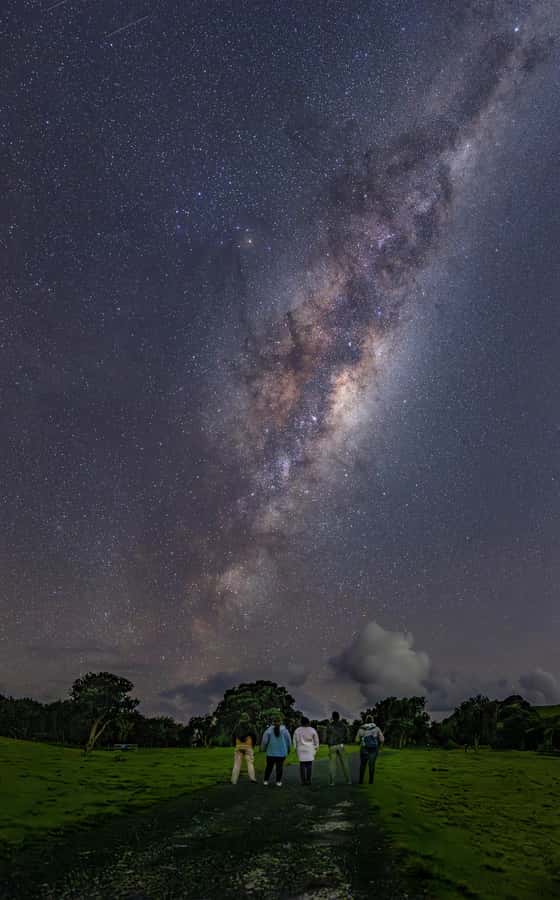
- Stars, planets, and Māori astronomy: Clear nights can bring views of Venus, Jupiter, Saturn, the Moon, and seasonal constellations.
- Tāwharanui is outside Auckland: The drive is scenic, but transport is not included in the $89 base price.
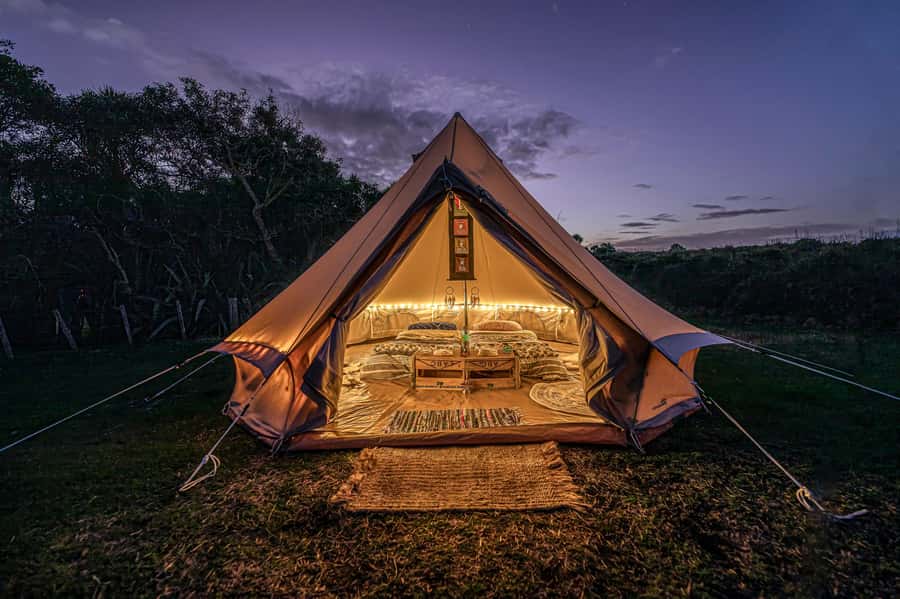
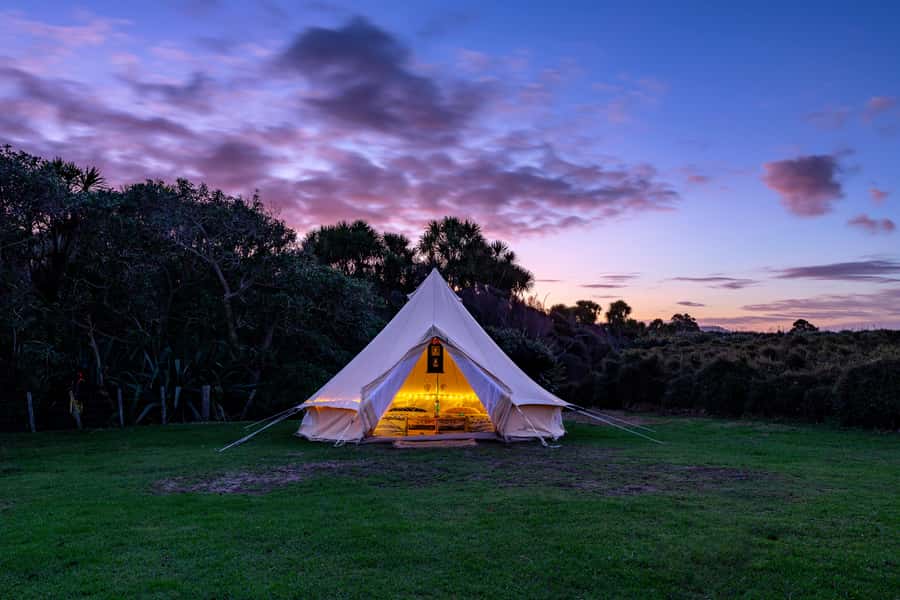
- Optional glamping: You can add an overnight stay, though campsite booking and fees are separate.
- Dress for a cool night: Bring warm clothing, comfortable shoes, and water.
Why Tāwharanui is a fine place to see kiwi
Tāwharanui Regional Park sits north of Auckland at the end of Takatu Road. It protects native forest, open coastal country, and a dark night sky far from the city’s glare. That setting matters. Kiwi are nocturnal, and the reserve’s night-time quiet gives you a better chance to notice them behaving naturally.
The experience begins near the public bathrooms at the end of the road. This is a practical meeting point, but do not expect a city-style visitor center or a row of shops. You are heading into a protected park, so arrive prepared with what you need for the evening.
Your guide first explains the plan, safety, and rules for moving through the reserve. You learn why the group must stay calm and quiet, how the lights are used, and what signs might reveal a kiwi nearby. This short introduction helps you understand that the goal is not to chase a bird or force a sighting. It is to give the bird space while your guide reads the surroundings.
That approach makes the outing feel more like field observation than a standard sightseeing walk. You may hear a kiwi before you see one. You might notice movement in the undergrowth, a shape crossing the path, or the quick probing action of a bird searching for food.
A few more birdwatching trips around New Zealand worth a look
- Gannet Safaris Overland tour to Cape Kidnappers Gannet Colony
★ 5.0 · 942 reviews - Oamaru: Penguins Evening Viewing Ticket
★ 4.5 · 682 reviews - Guided Evening Penguin Viewing Otago Peninsula, Dunedin, New Zealand
★ 5.0 · 471 reviews
The two-hour kiwi search
The core experience lasts about two hours, though the full evening can be longer if you choose transport or an overnight option. You walk through native bush and open areas with your guide leading the search. The pace is deliberately slow, and there may be stretches when nothing seems to happen.
That quiet time is part of the deal. One group began with a long wait before seeing anything, then found several kiwi close together near the end. Another outing recorded only two birds, while others saw six, seven, eight, 10, 14, or even more than 15. These numbers show the possible range, not a promise.
Your guide’s skill matters a great deal. Experienced guides such as Legend have been praised for spotting movement that less practiced eyes would miss. Chris, Millie, Lucas, Sean, Ryan, Sharn, and others have led outings with a friendly, relaxed style. Names and guide combinations can vary, so do not book expecting one particular person unless the operator confirms it.
The guides also explain kiwi behavior, habitat needs, and the dangers these birds face. You learn why conservation work is needed and how protected areas help native species recover. Some guides also talk about other creatures in the reserve, along with native plants, insects, and ruru calls heard in the bush.
If you are hoping for a photograph, keep expectations sensible. Kiwi move quickly and may appear only briefly. One fortunate group saw a bird sit still long enough for several photographs, but that is a lucky bonus rather than the normal pattern. A clear sighting, even for a few seconds, is the real prize.
What the guide adds to the night
The guide is not just there to point a torch. The strongest part of this experience is the local interpretation. You hear how guides track kiwi, recognize calls, and judge where a bird may be moving. Their stories also connect the reserve to Māori culture and the wider natural world of Aotearoa New Zealand.
Several guides have been praised for keeping the mood light without making the walk noisy or careless. That balance matters. A silent group can feel tense, especially when you are waiting in the dark. A warm and conversational guide makes the pauses easier, then knows when everyone needs to quiet down.
Legend appears often in the guide team and is especially associated with stories about kiwi, stars, animals, and New Zealand more broadly. Lucas has also been praised for mixing kiwi facts with information about stars, medicinal plants, and the area. Sean has a strong focus on kiwi behavior. Hayley has even served hot chocolate on one outing, though refreshments should not be assumed as part of every booking.
The English-language tour suits most visitors who are comfortable listening and asking questions in English. Private and small-group formats are available, which can make it easier to ask questions and keep the walk calm.
The dark sky after sunset
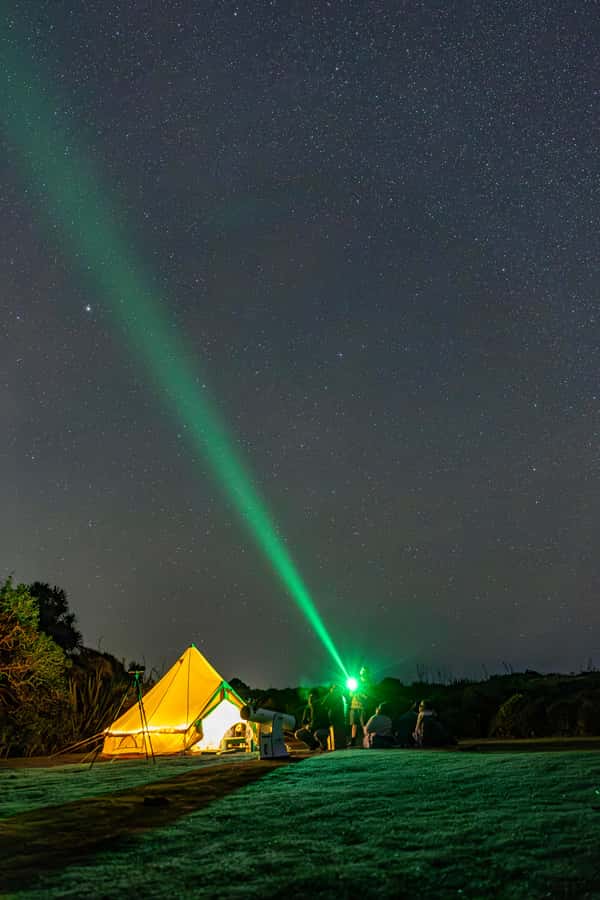
Stargazing gives the evening a second focus. Once the sky darkens, your guide may bring out stargazing equipment such as binoculars or a telescope. On clear nights, you can see many stars and may view planets such as Venus, Jupiter, or Saturn. One outing used the telescope to show the Moon’s craters.
The exact display depends on weather, season, and cloud cover. A cloudy night may mean little or no stargazing, as happened on one outing. In that case, the group spent more time looking for kiwi instead. This flexibility is useful, but you should not treat the astronomy portion as guaranteed.
Guides also explain Southern Hemisphere constellations and Māori star lore. This adds meaning beyond simply pointing at bright objects. You get a sense of how the night sky can guide stories, seasonal knowledge, and navigation.
For many people, the stars are an added treat after a kiwi sighting. For others, especially anyone interested in astronomy, they may be nearly as important as the birds. I would choose a clear evening if possible, but the booking information does not provide a weather guarantee or a fixed stargazing schedule.
Same place, a different morning in the field:
- Napier: Cape Kidnappers Gannet, Nature & Sightseeing Tour
★ 4.8 · 317 reviews - Dunedin: Wildlife and Penguin Tour
★ 4.6 · 239 reviews - Albatross, seals, and sea birds-Wildlife Cruise
★ 5.0 · 189 reviews - Otago Peninsula In-Depth Tour & Blue Penguins Pukekura Experience
★ 5.0 · 163 reviews
A possible glow along the shore
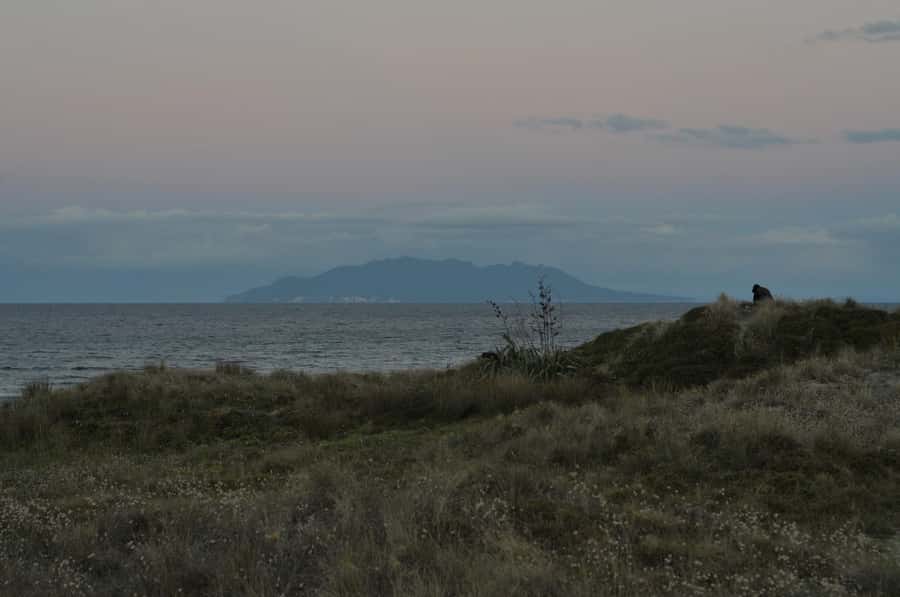
Under the right conditions, you might see bioluminescence near the shoreline or in shallow water. Movement in sand or water can trigger a faint electric-blue glow caused by microscopic organisms.
This is not a scheduled performance and is never guaranteed. Think of it as a chance extra, not a reason to book on its own. If it appears, your guide can explain the science behind glowing water and how the organisms produce light.
The possibility fits the rest of the evening well. Kiwi, stars, and bioluminescence each show a different part of the park’s night life. Still, weather, water conditions, and wildlife activity control what you actually see.
Transport, timing, and the optional overnight stay
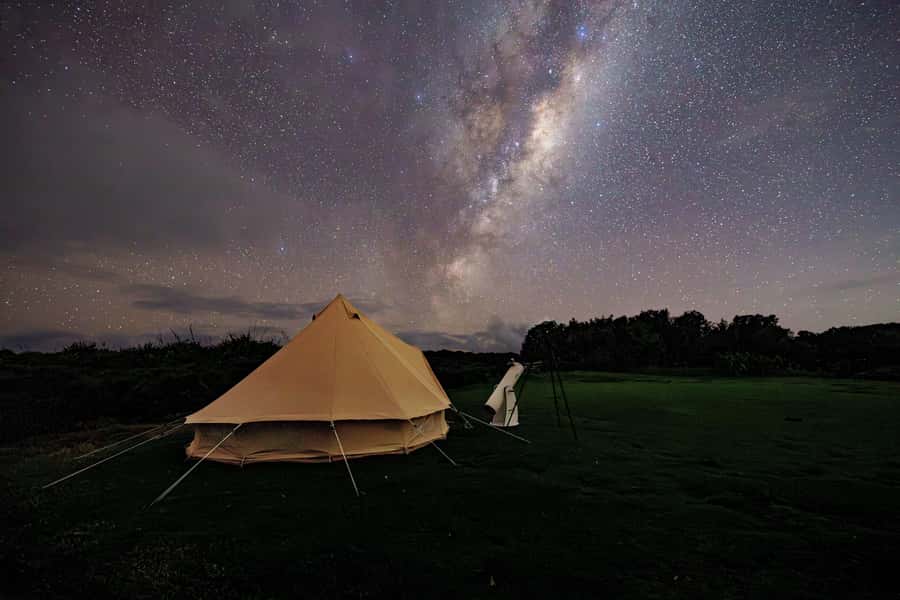
The meeting point is at the public bathrooms at the end of Takatu Road in Tāwharanui Regional Park. Transport is not included in the $89 per-person price, but it can be added at checkout. That option is important if you do not have a car, since the tour finishes late and the park is outside Auckland.
One recent booking included pickup from Auckland city and a return around 2 a.m. The ride was described as comfortable, and the guide made sure the group reached its accommodation safely. Check the current transport option when booking, since the base activity and added transfer are separate choices.
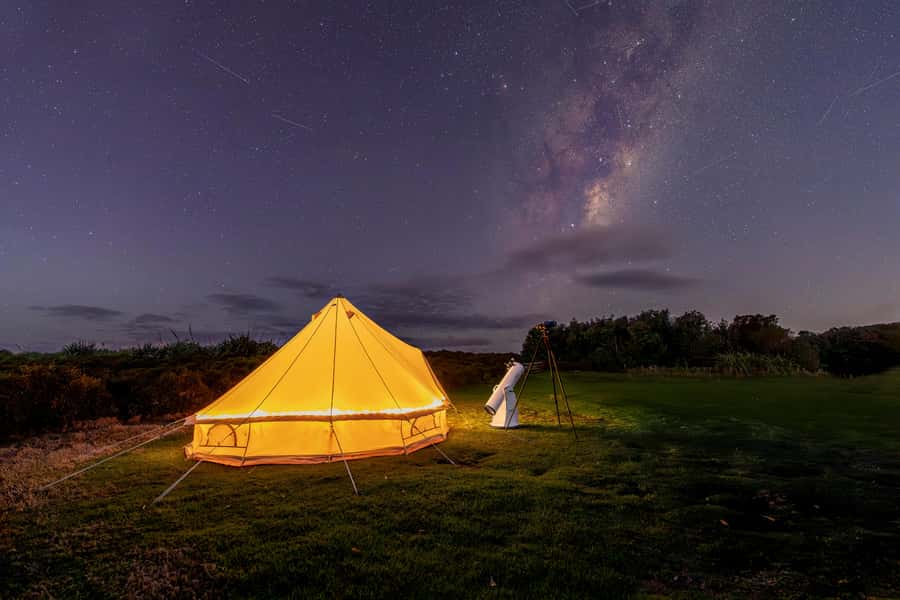
The listed activity lasts two hours, but the wider schedule can include extra time for the walk, stargazing, transport, or an overnight stay. The glamping option includes a prepared stay, and one booking included a tent, blankets, foam mattresses, small snacks, and basic necessities. Campsite booking and fees are not included, so read the final price carefully before paying.
Staying overnight makes sense if you want to avoid a late return to Auckland or enjoy more time in the reserve. It adds cost and camping-style conditions, though, so it is not the best choice for someone seeking a quick evening outing.
Is $89 good value?

At $89 per person, the tour is not the cheapest way to take a night walk. You are paying for a specialist guide, tracking help, stargazing equipment, interpretation, and access to an experience that would be very difficult to arrange well on your own.
The value rises sharply if you do not have a car, are new to kiwi spotting, or want to understand what you are seeing. A kiwi can be hard to find even for a keen birdwatcher. One participant described being poor at spotting birds in the wild but still managed to see three with the guide’s help.
You should also judge the price against the sighting risk. A successful outing may bring several kiwi, a telescope session, and a memorable night in the reserve. A less fortunate one could bring only distant calls or brief movement, especially in poor weather. The guide, conservation setting, and night-sky program still have value, but the bird sighting itself cannot be purchased on demand.
Free cancellation up to 24 hours before the activity and a reserve-now, pay-later option make it easier to fit into a changing New Zealand itinerary. Those terms are useful, especially when weather may affect the stars, but check the conditions shown at booking.
Who will enjoy this most
I would recommend the experience to wildlife fans, birdwatchers, families with older children, couples, and anyone who wants an unusual night near Auckland. A nine-year-old enjoyed the outing, and another group with an 11-year-old and two seniors managed it well.
You need to be comfortable walking outdoors at night and waiting quietly. Comfortable shoes, warm clothing, and water are essential. Winter outings can feel cold, and even summer evenings may turn cool once you stop moving.
This is not ideal if you want a fast-moving tour, guaranteed photographs, or a tightly scheduled attraction. It also may not suit anyone uncomfortable with darkness, uneven outdoor walking, or a late finish.
My practical advice before you go
Arrive ready for changing conditions. Wear warm layers rather than relying on one heavy jacket, and choose shoes you can walk in comfortably. Bring water, since extra food and drinks are not included.
Keep your expectations flexible. Some groups see a single kiwi, while others see 10 or more. The best attitude is to value the search, the guide’s stories, and the protected setting, then celebrate a sighting if it comes.
If stars matter to you, check the forecast before choosing your date, but remember that cloud is not a reason to assume the whole night will fail. The kiwi search can continue even when the telescope stays packed away.
Should you book the Tāwharanui kiwi encounter?
Book it if seeing a wild North Island brown kiwi is high on your New Zealand wish list and you are willing to be patient. The combination of careful tracking, conservation stories, Māori astronomy, and a remote coastal night makes this far more meaningful than a quick animal photo stop.
I would add transport if you are staying in Auckland and do not want to drive unfamiliar roads late at night. Consider glamping if you prefer to remain near the park, but confirm the added campsite and overnight costs.
Skip it if you need a guaranteed sighting or a short, predictable evening. For everyone else, $89 is a fair price for a specialist-led chance to meet one of New Zealand’s most elusive birds where it actually lives.
FAQ
Where does the kiwi spotting tour meet?
Meet near the public bathrooms at the end of Takatu Road in Tāwharanui Regional Park.
How long does the main experience last?
The guided kiwi-spotting experience lasts about two hours. Extra time may apply if you add transport, stargazing time, or an overnight option.
How much does the tour cost?
The listed price is $89 per person. Transport, extra food and drinks, and campsite booking or fees are not included.
Is transport from Auckland included?
No. Transport is not included in the base price, but it can be added at checkout.
Are kiwi sightings guaranteed?
No. Kiwi are wild animals, so sightings depend on conditions and wildlife activity. Some outings see only a few birds, while others see many more.
What should I bring?
Bring comfortable shoes, warm clothing, and water. Night conditions can feel cold, especially in winter.
Is stargazing included?
Stargazing and kiwi-spotting equipment are included. Clear skies are not guaranteed, so clouds may limit the stars and planets you can see.
Can I stay overnight?
Yes, a glamping stay is available if you select that option. Campsite booking and fees are separate, so check the added cost when booking.
Just added around New Zealand
- One Day Birding Adventure★ 5.0 · 7 reviews
- Harbour, Albatross and Wildlife Cruise on Otago Harbour★ 4.5 · 22 reviews
- Iconic Wildlife Tour with Yellow Eyed Penguins & Royal Albatross★ 4.5 · 33 reviews
- Clearwater Private Penguin & Wildlife Tour from Port Otago (5hrs)★ 5.0 · 7 reviews
- Motuara Island Bird Sanctuary and Ship Cove Cruise from Picton★ 4.0 · 36 reviews
- Private tour to Cape Kidnappers Gannet Colony★ 5.0 · 10 reviews
- Dunedin City Highlights, Otago Peninsula Scenery & Albatross Guided Tour★ 5.0 · 41 reviews
- Wildlife and Penguin Tour★ 5.0 · 27 reviews
New Zealand Birdwatching Tours, compared.
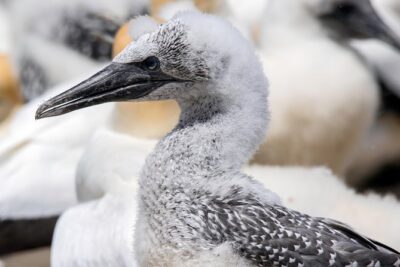
Gannet Safaris Overland tour to Cape Kidnappers Gannet Colony
Read our review →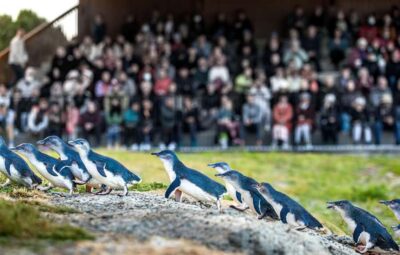
Guided Evening Penguin Viewing Otago Peninsula, Dunedin, New Zealand
Read our review →
Napier: Cape Kidnappers Gannet, Nature & Sightseeing Tour
Read our review →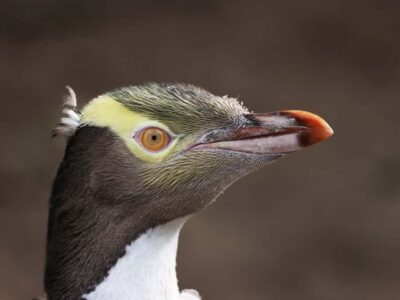
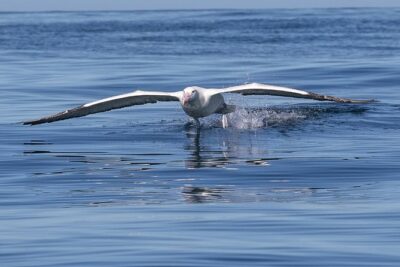
Albatross, seals, and sea birds-Wildlife Cruise
Read our review →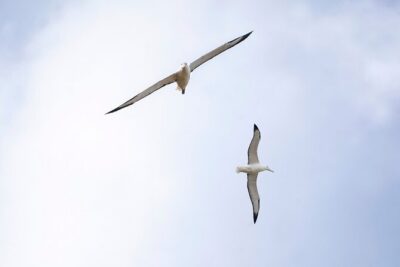
Otago Peninsula In-Depth Tour & Blue Penguins Pukekura Experience
Read our review →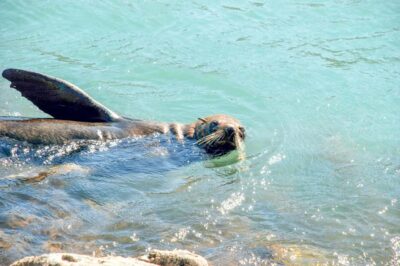
Akaroa: Pohatu Penguins Scenic Nature 2-Hour or 4-Hour Tour
Read our review →Browse the lists this tour appears in