
Review · ITALY BIRDWATCHING TOURS
Vendicari private visit 3 hours The Bird Hotel.
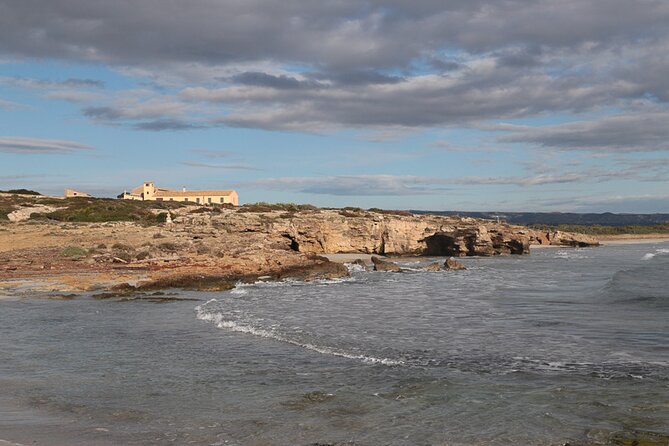
Vendicari is more than a beach stop. This three-hour private walk takes you through a wetland where flamingos rest, salt pans still shape the scenery, and old fishing buildings recall Sicily’s working coast. Gregorio Chiarenza guides the visit in Italian, bringing together birds, plants, and local history.
I especially like the easy route, which covers about 1 kilometer with only a slight change in height, and the mix of nature and archaeology. You can see the Swabian Tower, the old tuna fishery, salt pans, and ancient fish-processing tanks in one outing. The main consideration is that the guide service is in Italian, and the reserve entrance and car parking cost extra.
Key points
- Flamingo country: Vendicari’s marshes provide a resting place for migratory birds moving between Africa and Europe.
- An easy 1-kilometer route: The walk has only a slight difference in altitude and suits most participants.
- Four layers of history: The route includes the Swabian Tower, tuna fishery, salt pans, and ancient garum tanks.
- A truly private outing: Only your group takes part, rather than joining a large walking party.
- Guide Gregorio Chiarenza: The visit is led in Italian by a guide praised for his understanding of Vendicari’s plants, birds, and local traditions.
- Budget for extras: The tour costs $63.67 per person, plus €3.50 for reserve entry and €4 per car for private parking.
Why Vendicari feels different from a standard beach visit
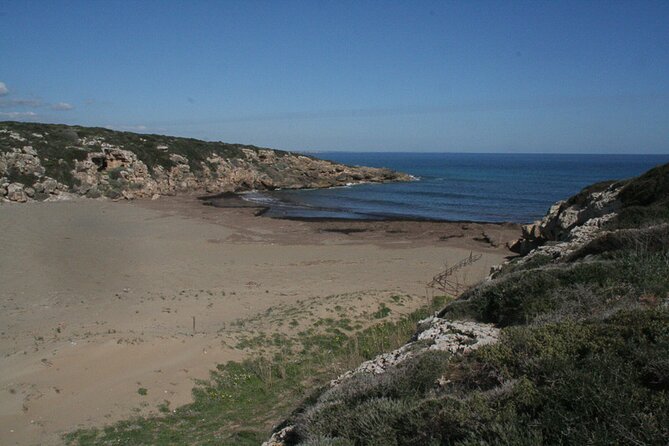
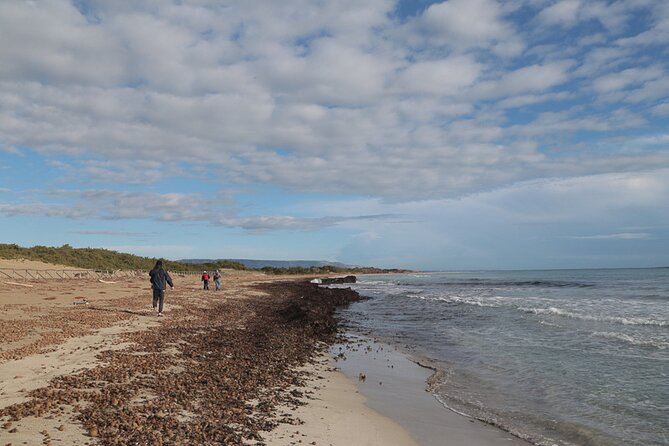
The Vendicari Wildlife Reserve brings together several sides of south-eastern Sicily in a small area. You get salt marshes, dunes, beaches, Mediterranean plants, historic buildings, and an important route for migratory birds.
The birdlife is the main reason to come with a guide. The marshes act as a stopping place for birds traveling between Africa and Europe. Pink flamingos are among the most striking visitors, though sightings are part of nature, not a fixed promise. If you care about birds, bring patience and give yourself time to watch the water and marsh edges.
I like the way this visit avoids treating the reserve as scenery alone. The wetlands are not simply pretty backdrops for photographs. They explain why Vendicari matters, how salt was produced, how fish were processed, and why this coast has long supported both wildlife and people.
The setting also has a calm, almost hushed quality. That makes the outing a good change of pace after busy towns such as Noto or Syracuse. You are not racing from one monument to the next. The reward comes from noticing small plants, distant birds, shallow water, and the way old buildings fit into the coast.
More Private Birdwatching Tours in Italy:
- Table Mountain, Boulder’s Penguins & Cape Point Private Tour from Cape Town
★ 5.0 · 359 reviews - Table Mountain, Boulders Penguins & Cape point Private Day Tour
★ 5.0 · 236 reviews - Private Tour Of Penguins, Cape Of Good Hope & Peninsula.
★ 5.0 · 175 reviews
The easy route from the main entrance
The walk begins at the main entrance of the reserve and follows an easy route of roughly 1 kilometer. The altitude change is slight, so you do not need to be an experienced hiker to take part.
That short distance does not mean the visit feels thin. The route is designed around several important points, and the guide can explain what you are seeing as you move across the marsh area. Trekking poles are available free on request, a useful option if you prefer extra support on the path.
Most people should be able to participate, and service animals are allowed. Still, this remains an outdoor visit. Comfortable footwear, sun protection, and water are sensible choices, especially during the warmer part of the year. The supplied information does not specify shade, seating, or restroom locations, so plan for a simple nature outing rather than a fully serviced attraction.
Because this is a private activity, the pace can suit your group better than a large scheduled walk. You can spend longer looking toward the marshes or ask for more explanation about a building that catches your eye. The trade-off is the Italian-only guiding. If you do not speak Italian, confirm before booking how much you will be able to follow.
Watching flamingos at the Vendicari marshes
The marshes are the heart of the experience. Vendicari is known as a major wetland in Europe, and its shallow waters offer rest and feeding areas for migratory birds. Flamingos are the star sighting, with their pink color making them easy to spot when they are present.
A guide adds value here because birds can blend into the distance, especially when you are unfamiliar with wetland habitats. Gregorio Chiarenza is praised for his attention to both fauna and flora, and this is the part of the visit where that strength matters most.
Do not expect a wildlife park with guaranteed encounters. Bird numbers and positions change with the season, weather, and conditions in the marshes. One useful point from the experience is that the excursion can be taken at different times of year, so repeat visits may show Vendicari in a different mood.
If you are keen on photography, a long lens or binoculars could help, but no equipment is included in the tour details. The activity information promises the setting and guide, not special birdwatching gear. You will get the most from this section if you are willing to slow down rather than treat it as a quick stop on the way to the beach.
Mediterranean plants around the salt marsh
Vendicari’s plant life is another reason to take the walk slowly. The reserve includes endemic plants, halophytic plants that tolerate salty conditions, and sclerophytic plants typical of Mediterranean scrub.
The names tell you something about the place. Glasswort grows in salty environments, while carob, wild olive, mastic, myrtle, and juniper coccolone reflect the dry Mediterranean climate. Some juniper trees reach monumental proportions, adding a sense of age to the coastal setting.
This plant life helps explain why the reserve is protected. The marsh is not an empty patch of water beside the sea. It is a specific habitat shaped by salt, sun, wind, and seasonal water levels.
Gregorio’s role is important here. A good nature guide helps you connect a plant to its surroundings instead of leaving you with a list of names. The strongest praise attached to this experience focuses on his command of the local flora and fauna, along with his affection for the area. The guiding is in Italian, so language will determine how fully you benefit from that detail.
A few more birdwatching trips around Italy worth a look
- Akaroa: Pohatu Little Penguins 3-Hour Evening Experience
★ 4.8 · 119 reviews - 3 Hour ATV Secluded Beach Tour from Tamarindo, Flamingo, Conchal & Grande
★ 4.5 · 54 reviews - flamingo tour in Rio Lagartos, Yucatan 3 hours
★ 4.8 · 25 reviews - Chennai, Guided Birding And Birding Photo Trip With Spot Scope, 2 to 3 Hours
★ 5.0 · 16 reviews
The Swabian Tower and Vendicari’s coastal watch
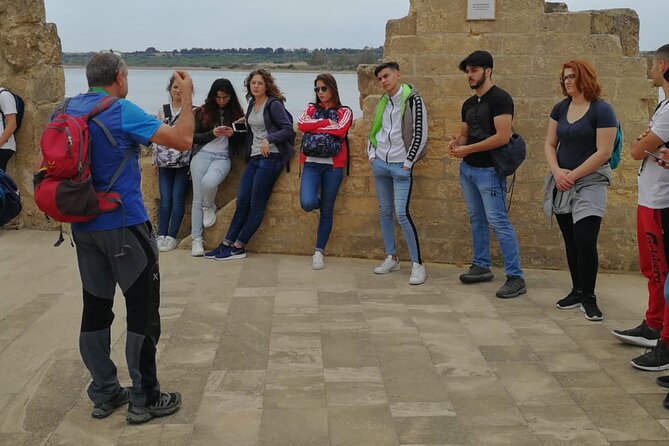
After crossing the large marsh, the route reaches the ancient Swabian Tower of Vendicari. Its position gives the visit a strong historical marker, but the point is not just to photograph an old stone building.
The tower belongs to the wider story of Sicily’s exposed coast, where watchtowers helped monitor the shoreline. The details of its construction and use are not given here, so you should not expect a formal museum presentation or a long indoor visit. Instead, Gregorio provides context as part of the outdoor walk.
I like this stop because it changes the way you see the reserve. The birds and marshes can make Vendicari feel untouched, but the tower reminds you that people have watched, worked, and defended this coast for centuries.
The tower also gives the route a clear sense of progress. You begin with wetland and wildlife, then reach a substantial historic structure. That mixture makes the outing more satisfying than a walk focused on scenery alone.
The tuna fishery and an old working coast
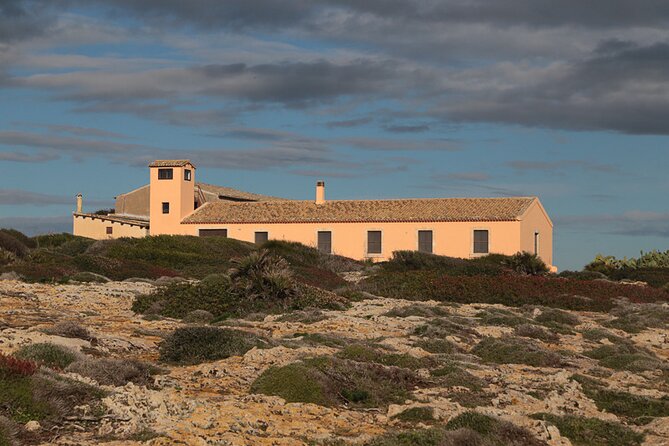
The former tuna fishery is one of the most distinctive parts of the route. Substantial structures remain, giving you a direct look at the industrial side of Vendicari’s past.
This is not a polished attraction built for visitors. The value lies in seeing the remains in their original coastal setting. The buildings connect the reserve to fishing, food production, and the seasonal work that once shaped local life.
The route does not promise that every part of the tuna fishery can be entered, nor does it list exhibits or restored interiors. Think of it as an archaeological and architectural stop along a nature walk. Gregorio’s explanations help turn old walls and tanks into evidence of how the site functioned.
For me, this is where the private format earns its keep. You can ask about the structures as you see them instead of waiting for a fixed group lecture. Since the guiding is in Italian, the benefit depends on your ability to communicate with the guide.
Salt pans and the ancient garum tanks
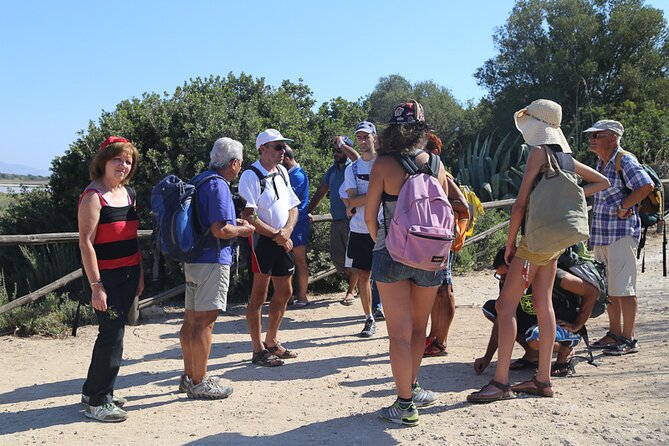
Near the salt pans, the route reaches another important bird area. The pans are now used by countless birds, but they also show how people once worked with the natural saltwater environment.
Salt pans can look simple at first glance. Their value becomes clearer when you understand that shallow water, evaporation, and careful control made salt production possible. At Vendicari, the old salt-working area sits beside a habitat now important for birds, linking human use and conservation in one place.
Close by is a fish-processing plant with tanks used to make garum. This strong, seasoned fish sauce was used by the Greeks and Romans to flavor food. The remains give you an unusually direct connection to ancient daily life. Instead of seeing only temples and grand monuments, you see the practical side of food production.
I find this one of the most memorable details in the whole visit. A set of tanks may sound modest, but it tells you what people ate, how they preserved fish, and how coastal resources supported communities long before modern tourism.
A possible swim at Calamosche after the walk
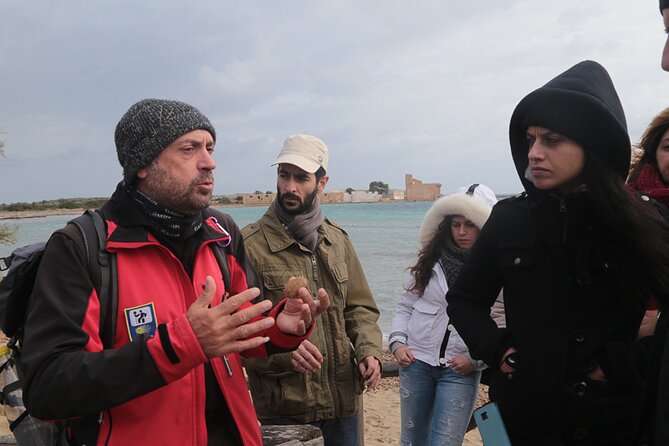
The experience ends back at the meeting point, but the area offers a useful option for a longer day. The information for the outing notes that, in summer, you may stay afterward for a swim in the clear water.
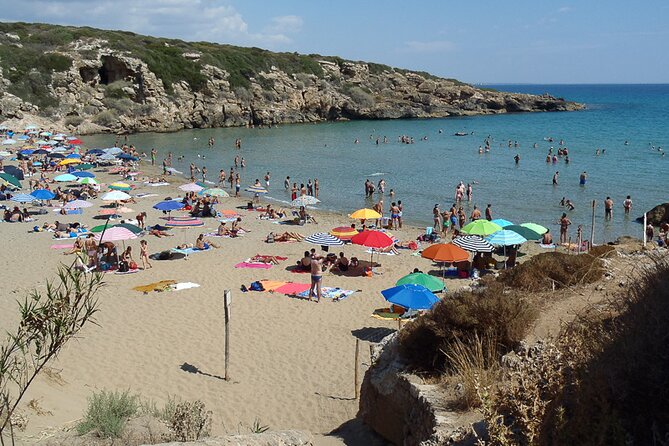
You can also ask to be accompanied to Calamosche Beach. The walk there is described as a sunny route leading to a striking beach setting. This beach visit is not the core three-hour tour, so clarify with Gregorio how this extra plan works before you count on it.
That distinction matters. If you want a focused nature and history walk, the three-hour schedule is enough. If you want a full day of wetlands and swimming, you need to allow extra time and make arrangements directly.
Do not assume that beach access is included in the $63.67 price. The stated experience finishes at the meeting point, and the reserve entrance fee and parking are separate. Treat Calamosche as a possible add-on, not part of the guaranteed itinerary.
What the $63.67 price really covers
At $63.67 per person, this is not the cheapest way to enter Vendicari, especially once you add the €3.50 reserve ticket and €4 private parking fee. The price also does not include tips.
The value comes from the private guiding rather than transportation or special equipment. You are paying for about three hours with Gregorio, a route that joins nature and archaeology, and the chance to ask questions within your own group.
That makes the price easier to justify if you care about the reserve’s birds, plants, salt pans, or old buildings. It is less compelling if you simply want a short walk to the beach and are happy exploring without guidance.
The private format is especially useful for families, couples, or small groups with a shared interest in wildlife. It also helps if you want to move at a relaxed pace. Since only your group participates, you avoid being tied to the interests or speed of a larger party.
Times, meeting point, and practical planning
The meeting point is the Riserva naturale orientata Oasi Faunistica di Vendicari in Contrada Vendicari, near Noto. The activity returns to this same point.
Available time slots are 9:30 AM to 12:30 PM and 3:30 PM to 6:30 PM, every day during the stated operating period from April 9, 2024, through June 18, 2026. The morning slot may suit you if you want cooler conditions, while the afternoon visit leaves room for a slower morning elsewhere in south-eastern Sicily.
A mobile ticket is provided, and booking confirmation is issued at the time of booking. Parking is not included, and the private car park costs €4 per car. The reserve entrance costs €3.50 per person, so add both charges when comparing the total cost with other ways to visit.
Free cancellation is available up to 24 hours before the start time. Changes or cancellations inside that window are not accepted for a refund. The visit depends on good weather and a minimum number of participants. If poor weather or insufficient numbers cancel the activity, you are offered another date, another experience, or a full refund.
Who should book the Vendicari private visit
I would choose this outing if you want more than a beach stop and can follow an Italian-language guide. It suits anyone who enjoys birds, plants, coastal archaeology, and an easy walk rather than a demanding hike.
It is also a good fit for visitors who prefer a private setting. The group-only format lets you ask questions and set a more natural pace, while the short route keeps the physical demands modest.
You may want to choose another option if you require English guiding, want transport from your hotel, or are mainly interested in swimming. None of those services is included in the stated tour.
Should you book it?
Book this Vendicari visit if you want the reserve explained as a living wetland and a historic workplace, not just a pretty coastline. Gregorio Chiarenza appears to be at his best when pointing out local birds and plants, and the route packs an unusual amount into three easy hours.
Skip it if the Italian-only guide is a barrier or if you want a simple self-guided beach outing. For the right audience, the price is fair: you get a private nature and history walk, but you should budget separately for entry, parking, and any swim or Calamosche plan.
FAQ
How long does the Vendicari private visit last?
The activity lasts approximately three hours, from either 9:30 AM to 12:30 PM or 3:30 PM to 6:30 PM.
Where does the experience begin?
It begins at the Riserva naturale orientata Oasi Faunistica di Vendicari, Contrada Vendicari, 96017 Noto SR, Italy.
Where does the tour end?
The activity ends back at the meeting point at the Vendicari reserve entrance.
Is the tour private?
Yes. Only your group participates in this activity.
What language does the guide speak?
The guide service is provided in Italian. The guide is Gregorio Chiarenza.
How difficult is the walking route?
The easy route covers about 1 kilometer and has a slight difference in altitude. Most people can participate.
Are trekking poles provided?
Trekking poles are available free of charge on request.
Are reserve entry and parking included?
No. The reserve entrance costs €3.50 per person, and private car parking costs €4 per car.
Can I cancel for a full refund?
Yes. You can cancel at least 24 hours before the experience start time for a full refund. Poor weather or failure to meet the minimum number of participants may also lead to a date change or full refund.
Just added around Italy
- Lio Piccolo: Flamingos & Birdwatching Bike Tour in the Lagoon★ 5.0 · 7 reviews
- Falconry experience in Tuscany★ 5.0 · 24 reviews
- Vendicari – Sicily’s best coast nature reserve ( Birdwatching & Archeology )★ 5.0 · 8 reviews
- Birdwatching at Saline Maria Stella in Trapani★ 5.0 · 3 reviews
- Flamingos Sightseeing Segway Tour★ 5.0 · 45 reviews
- Combo: Cagliari Old Town and the Oasis of Flamingos★ 5.0 · 22 reviews
- Birdwatching by boat in a small group in the Pialassa Baiona★ 5.0 · 45 reviews
- Matera: Handmade Clay Bird Workshop★ 5.0 · 4 reviews
Italy Birdwatching Tours, compared.

Interactive Educational Course on Birds of Prey
Read our review →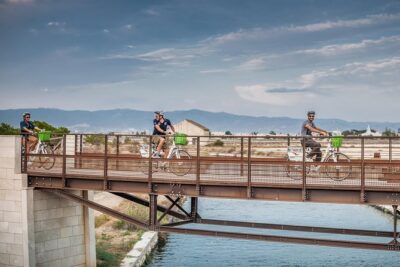
Cagliari E-Bike Tour: Gulf, Canals & Flamingos at Molentargius
Read our review →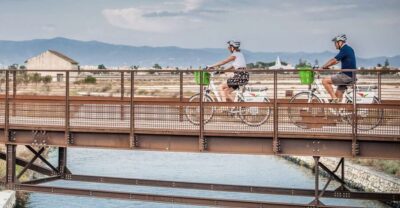
Cagliari E-Bike Tour: Canals & Flamingos at Molentargius
Read our review →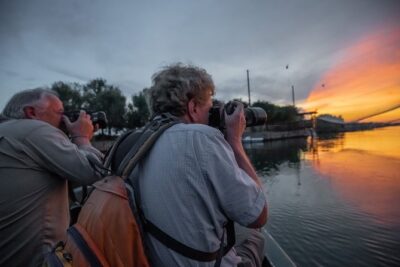
Birdwatching by boat in a small group in the Pialassa Baiona
Read our review →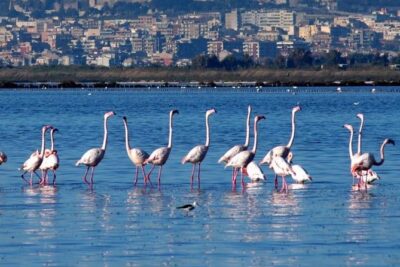
Combo: Cagliari Old Town and the Oasis of Flamingos
Read our review →
Cagliari city tour and flamingo park by minivan and on foot
Read our review →Browse the lists this tour appears in