
Review · NEW ZEALAND BIRDWATCHING TOURS
Harbour, Albatross and Wildlife Cruise on Otago Harbour
Otago Harbour is at its best from the water, where the cliffs of the peninsula rise around you and Northern Royal Albatross sweep low over the waves near Taiaroa Head. This small-boat trip also gives you a fresh view of Carey’s Bay, fishing boats, seabirds, and the harbor’s shipwreck stories.
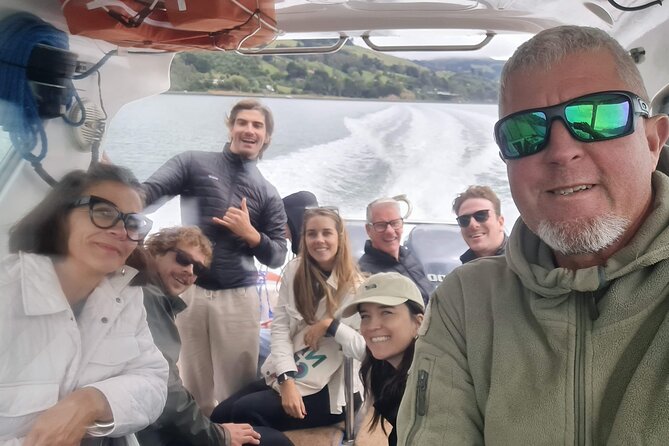
I like the intimate group size, capped at 18, and the effort guides Rob and Holly make to get close to wildlife areas. I also like the option to finish near the old Carey’s Bay Hotel for seafood or a local drink. The tradeoff is comfort: this is an open, sometimes bumpy boat ride, and rain or wind can make it feel much rougher than the short duration suggests.
Key points to know before you book
- Albatross at Taiaroa Head: This is the main reason to go, with views of the only mainland breeding colony of Northern Royal Albatross.
- Small boat, small group: A maximum of 18 people can make wildlife spotting more personal than a large sightseeing vessel.
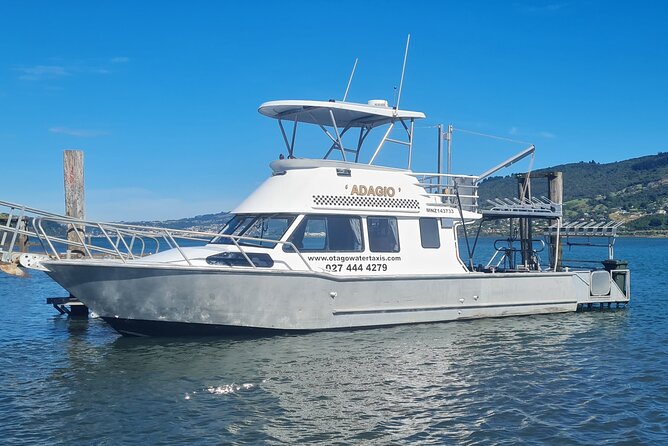
- Back Beach departure: If you are leaving from Dunedin, check the directions carefully, since the jump-on point is at Port Chalmers.
- Wildlife beyond albatross: You may see seals, shags, and other harbor birds, though sightings depend on conditions.
- Bring warm layers and water: Bottled water is not provided, and wind and spray can make the trip feel cold.
- Carey’s Bay finish: You can end near the historic Carey’s Bay Hotel, a handy place for seafood, coffee, beer, or wine.
Why Otago Harbour is best seen from a small boat
Otago Harbour is not just a route to Dunedin. It is a long, sheltered waterway edged by the Otago Peninsula, fishing settlements, working wharves, cliffs, and wildlife sites. From the road, you see only pieces of it. From the boat, the harbor makes more sense as one connected place.
This tour is built around that change of viewpoint. You are not simply being carried to Taiaroa Head for a quick bird sighting. You are moving past the peninsula, listening to stories about shipwrecks and local wildlife, and seeing small harbor villages from the water.
The boat carries no more than 18 people. That matters when you are trying to spot a bird or seal. A guide can point toward a distant shape, then adjust the boat to give you a better look. Rob has been praised for his wildlife knowledge and his ability to make good decisions when searching for different species. Holly may also be part of the crew, and has been described as warm and professional.
The boat is small enough to feel close to the water. That is a strength for wildlife viewing, but it also means you feel the movement more clearly. This is not the place to expect a wide, padded sightseeing deck and a smooth ride at all times.
More Seabird Tours in New Zealand
- Gannet Safaris Overland tour to Cape Kidnappers Gannet Colony
★ 5.0 · 942 reviews - Napier: Cape Kidnappers Gannet, Nature & Sightseeing Tour
★ 4.8 · 317 reviews - Albatross, seals, and sea birds-Wildlife Cruise
★ 5.0 · 189 reviews
Finding Back Beach and getting on board
Back Beach is the starting point for the harbor cruise. It is a popular launch area for local trailer boats, and tour boats leave from here for trips around Otago Harbour. Toilets are available at departure and drop-off points, and there is also a restroom on board.
Pay close attention to the meeting instructions. The tour information can refer to a Dunedin jump-on point while the actual departure is at Back Beach in Port Chalmers. That distinction matters, especially if you are visiting from a cruise ship or relying on a tight transport schedule.
Getting into the boat requires a step down of about 20 centimeters. That is not a major obstacle for most people, but you should be ready to board without a high ship-style gangway. Most people can take part, though the operator does not present this as a fully step-free activity.
Bring your own drink bottle. Water is not included. A warm jacket is also essential, even on a sunny day, because the boat is exposed to wind and spray. If rain is forecast, add waterproof clothing. One wet-weather trip was especially uncomfortable because the passengers got soaked, so it is wise to prepare for the harbor rather than trusting the weather at the dock.
The first harbor views and Otago Peninsula
Once the boat leaves Back Beach, the trip settles into a moving tour of Otago Harbour. You will see the Otago Peninsula from a low, unusual angle, with the water separating you from the roads and hills you may have passed by land.
This part is valuable even before the wildlife appears. The guide explains points of interest around the harbor and shares local stories, including shipwrecks and the way wildlife uses the area. You get a sense of the harbor as a working place, not just a scenic backdrop.
The water conditions will shape the experience. On a calm day, the boat can feel relaxed and easy to photograph from. In rougher conditions, you can expect a more active ride, with bumps and spray. One account described the ride as fun but quite bumpy, with an uncomfortable metal seating box at that time. The operator later said cushions had been added, which should improve the seat, but you should still expect small-boat conditions.
This is a good point to decide what kind of outing you want. If you enjoy being close to the water and do not mind a little motion, the boat’s size is a clear advantage. If you want a dry, steady platform, a larger vessel may suit you better.
Carey’s Bay from the water
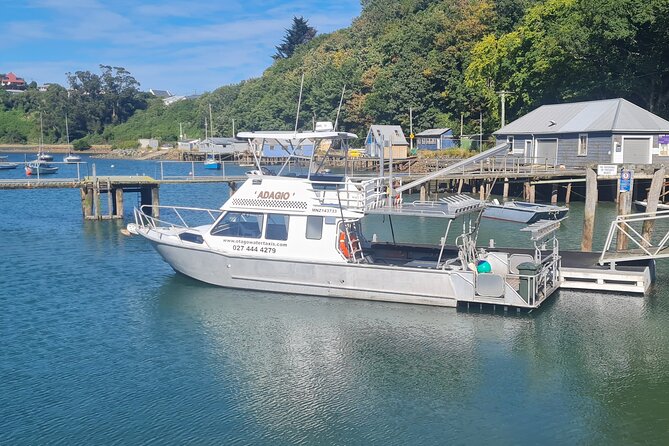
Carey’s Bay is one of the most appealing stops because it brings you close to a real harbor-side village. You will see fishing boats and may spot wildlife around the bay. From the water, the setting feels more intimate than it does from the road.
The stop is brief, about five minutes in the stated schedule, so think of it as a close look and orientation point rather than a long shore visit. You are not being given a large block of time to wander around the village at this stage.
The bay also sets up the final option at the Carey’s Bay Hotel. The hotel is described as one of the oldest in the country and offers fresh seafood, local beer and wine, and coffee. If your schedule allows, ending the tour there can turn a short wildlife cruise into a pleasant half-day outing.
The food and drink are not part of the $80.67 tour price. You pay separately, and you should treat the hotel stop as an optional extra rather than part of the cruise itself.
Same place, a different morning in the field:
- Oamaru: Penguins Evening Viewing Ticket
★ 4.5 · 682 reviews - Guided Evening Penguin Viewing Otago Peninsula, Dunedin, New Zealand
★ 5.0 · 471 reviews - Dunedin: Wildlife and Penguin Tour
★ 4.6 · 239 reviews - Otago Peninsula In-Depth Tour & Blue Penguins Pukekura Experience
★ 5.0 · 163 reviews
Taiaroa Head and the Northern Royal Albatross
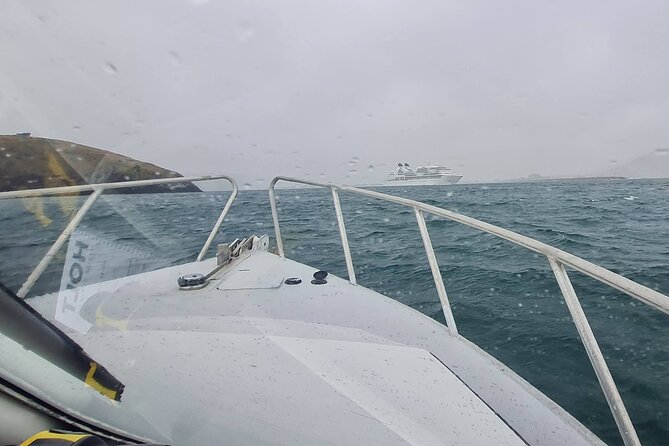
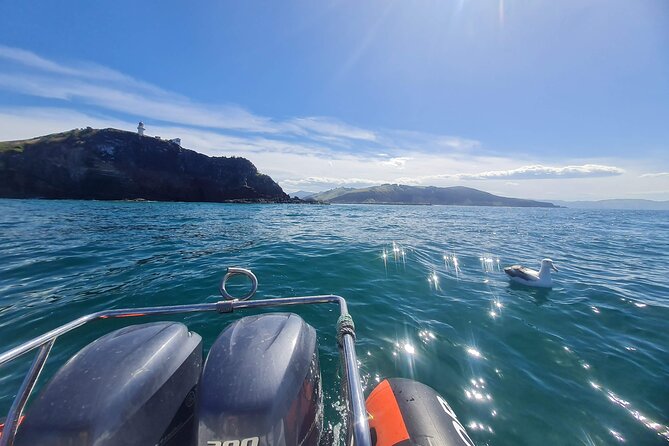
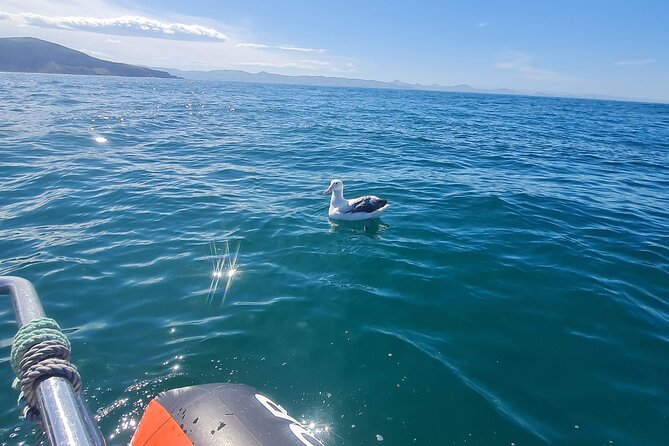
Taiaroa Head is the central event of the trip. It is home to the only mainland breeding colony of Northern Royal Albatross, and the boat gives you a view of the colony from below the cliffs.
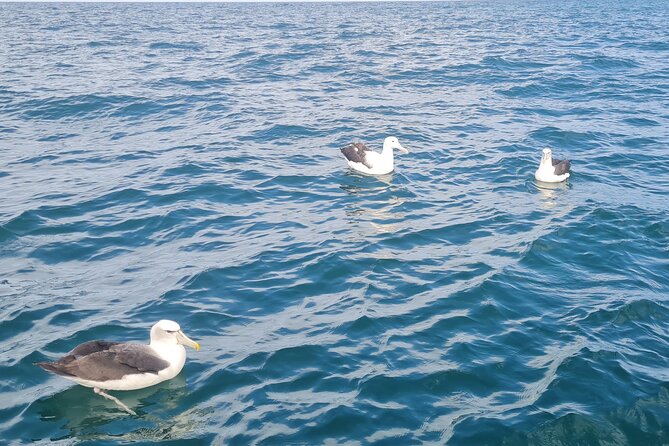
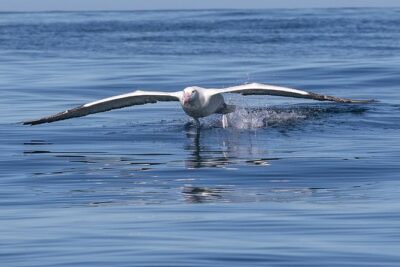
The best part is often not a bird sitting still on a cliff. Look up and out over the water for albatross gliding along the waves or swooping down near the boat. Their flight is the reason this site feels special. These are large seabirds using the wind with very little visible effort, and the water-level viewpoint helps you appreciate their size and speed.
The planned stop lasts about 20 minutes. That is enough time for the skipper to point out the albatross center, the colony, and birds in flight, but sightings remain subject to weather, timing, and animal behavior. No wildlife tour can promise a close pass or a particular number of birds.
The small vessel helps here. A guide can spend time looking for the best angle rather than simply passing the cliffs at a fixed distance. Rob has been praised for making a special effort to find wildlife areas and for locating a range of species. Along with albatross, you might see seals, shags, and other seabirds.
There is a practical point to remember. Taiaroa Head lies where the harbor meets more open water, so conditions can feel bigger here than they did near Back Beach. The boat may encounter larger waves. If you are prone to motion sickness, take that possibility seriously and plan accordingly.
Wildlife spotting without unrealistic expectations
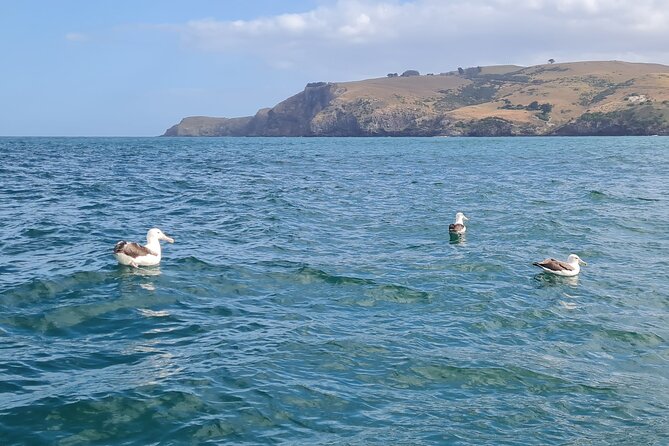
The tour’s headline animal is the albatross, but the experience works best when you treat the whole harbor as the subject. Seals may appear near the water, shags may sit or fly around the shoreline, and other birds can add interest between the main stops.
The guide’s role is important. Wildlife can be easy to miss when you do not know where to look. A skipper who understands the area can slow down, adjust the route, and explain what you are seeing. Several outings have been praised for this active approach, including efforts to find birds and sea lions rather than simply following a fixed line.
Still, sightings are never guaranteed. You may see primarily common harbor birds on a less fortunate outing. That does not mean the trip has failed, but it does mean you should book this for the chance to see wildlife, not for a guaranteed close encounter.
The commentary adds value even when animals stay distant. You hear about local natural sites, shipwrecks, the peninsula, and the harbor’s communities. In that sense, the cruise remains worthwhile for people who like place-based stories as much as they like photographs.
The Carey’s Bay Hotel finish
The trip can finish at the Carey’s Bay Hotel, which gives you a useful choice at the end. You can leave after the cruise or stay for a drink, coffee, or a bite to eat.
The hotel’s fresh seafood makes sense after a harbor outing, and the local beer and wine give you an easy way to linger. It is also a practical stop if you want to continue exploring Carey’s Bay rather than returning straight to your starting point.
Check your onward plans before choosing this option. The tour information describes the hotel as an option for finishing, but it does not include meals or drinks. If you need to be back in Dunedin or at a ship by a set time, allow room for the extra stop and your return transport.
Price, timing, and comfort
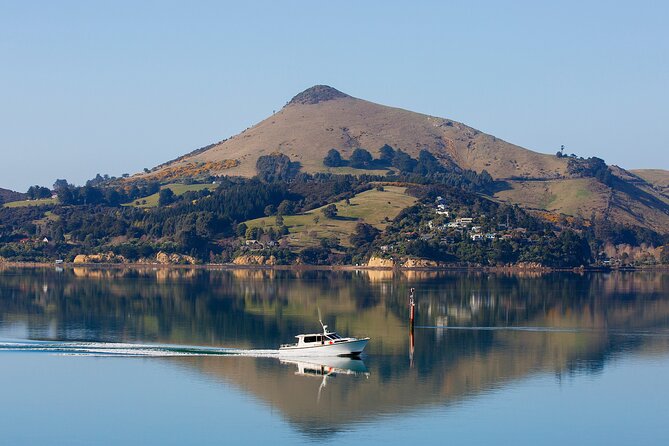
At $80.67 per person, this is not the cheapest way to look at Otago Harbour, but the price is reasonable if you value a small group and a dedicated wildlife route. You are paying for a one to two-hour boat experience with a skipper who provides commentary and actively searches for animals.
The value is strongest for people who would otherwise only see Taiaroa Head from land. The water-level view changes the scale of the cliffs and gives you a better chance of seeing albatross gliding over the waves. The maximum group size of 18 also makes it easier to hear the guide and get a clear view than it would be on a large boat.
The value is weaker if your main concern is comfort. Conditions can be wet and bumpy, and feedback about the boat has not been uniformly positive. The operator says the vessel holds a commercial survey, while one past account raised concerns about its condition and the visibility of life jackets. Ask any safety questions you have before boarding, and pay attention to the crew’s instructions.
The duration is short enough to fit into many Dunedin or Port Chalmers plans. It is also long enough for a real run toward Taiaroa Head, rather than a quick harbor loop. Because weather and minimum numbers can affect operations, avoid placing this immediately before an important departure if your schedule has no flexibility.
The tour offers free cancellation up to 24 hours before the start time. If poor weather cancels the trip, you can be offered another date or a full refund. The operator also requires a minimum number of people, so a very small booking may be canceled and replaced with another date, another experience, or a refund.
Who should book this cruise
I would choose this trip if you like wildlife, local stories, and small boats. It suits couples, families with older children, and people who want a short outing rather than a full-day peninsula tour.
It is particularly useful if you are staying in Dunedin and want to see Otago Harbour from the water without committing to a long excursion. It can also work well for people based in Port Chalmers, provided they confirm the departure point and leave enough time for transport.
I would think twice if you dislike spray, motion, or uncertain weather. The boat may be lively, and the best wildlife moments cannot be scheduled. Bring warm clothes, waterproof layers, and a water bottle, and you will be better prepared for the conditions.
Should you book the Otago Harbour wildlife cruise?
Book it if the chance to see Northern Royal Albatross from the water is worth more to you than a perfectly smooth ride. The combination of Taiaroa Head, Carey’s Bay, peninsula views, and a small group gives the outing real character, while Rob and Holly add useful local guidance when they are on duty.
Skip it if you need a guaranteed wildlife sighting, a dry cabin, or a very firm departure schedule. For everyone else, this is a compact and worthwhile way to connect the harbor, the peninsula, and its wildlife in one outing. Bring a jacket, confirm Back Beach, and keep your eyes on the waves.
FAQ
Where does the cruise depart from?
The cruise starts at Back Beach in Port Chalmers. If you are leaving from Dunedin, check the directions carefully because the Dunedin jump-on information and the Port Chalmers departure location can be easy to confuse.
How long does the cruise last?
The experience lasts approximately one to two hours. The listed schedule includes about 20 minutes at Taiaroa Head, with shorter stops or viewing time at Back Beach and Carey’s Bay.
What wildlife can I see?
The main attraction is the Northern Royal Albatross colony at Taiaroa Head. You might also see seals, shags, and other seabirds around the harbor, though wildlife sightings depend on conditions and animal behavior.
Is the tour suitable for most people?
Most people can participate, but you need to step down into the boat by about 20 centimeters. The boat can be bumpy, and warm or waterproof clothing is recommended.
Is there a restroom?
Yes. A restroom is available on board, and toilets are also available at the departure and drop-off points.
Should I bring food or water?
Bring your own drink bottle because bottled water is not included. If you choose to finish at the Carey’s Bay Hotel, you can buy seafood, local beer, wine, or coffee there.
What happens if the weather is poor or the tour needs more bookings?
The experience requires suitable weather and a minimum number of participants. If the operator cancels for either reason, you can be offered another date or experience, or receive a full refund.
More Wildlife Tours in New Zealand
- Dunedin Wildlife Cruise-Albatross, seals and harbour
★ 5.0 · 115 reviews - Iconic Wildlife Tour with Yellow Eyed Penguins & Royal Albatross
★ 4.5 · 33 reviews - Wildlife and Penguin Tour
★ 5.0 · 27 reviews - Akaroa: Wildlife Cruise with Dolphins and Penguins
★ 5.0 · 27 reviews
Just added around New Zealand
- One Day Birding Adventure★ 5.0 · 7 reviews
- Iconic Wildlife Tour with Yellow Eyed Penguins & Royal Albatross★ 4.5 · 33 reviews
- Clearwater Private Penguin & Wildlife Tour from Port Otago (5hrs)★ 5.0 · 7 reviews
- Motuara Island Bird Sanctuary and Ship Cove Cruise from Picton★ 4.0 · 36 reviews
- Private tour to Cape Kidnappers Gannet Colony★ 5.0 · 10 reviews
- Dunedin City Highlights, Otago Peninsula Scenery & Albatross Guided Tour★ 5.0 · 41 reviews
- Wildlife and Penguin Tour★ 5.0 · 27 reviews
- Kaikoura Albatross Encounter Tour from Christchurch★ 4.5 · 2 reviews
New Zealand Birdwatching Tours, compared.
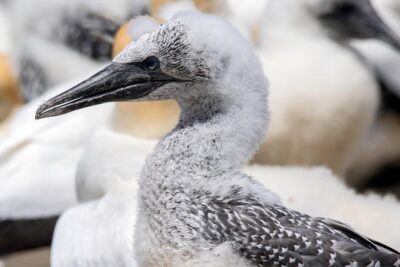
Gannet Safaris Overland tour to Cape Kidnappers Gannet Colony
Read our review →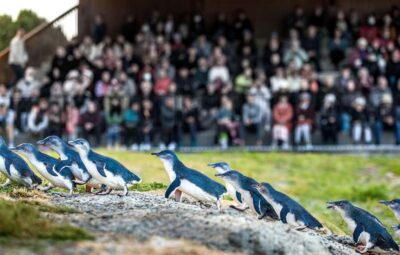
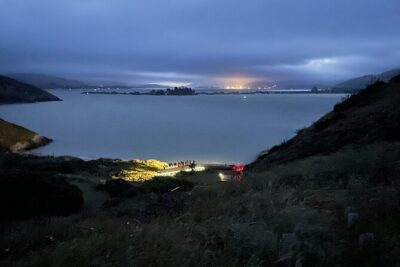
Guided Evening Penguin Viewing Otago Peninsula, Dunedin, New Zealand
Read our review →
Napier: Cape Kidnappers Gannet, Nature & Sightseeing Tour
Read our review →
Albatross, seals, and sea birds-Wildlife Cruise
Read our review →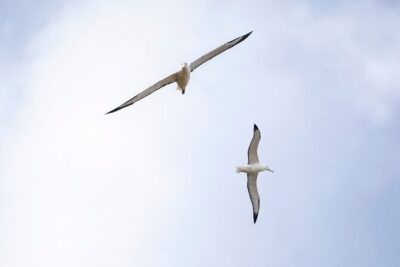
Otago Peninsula In-Depth Tour & Blue Penguins Pukekura Experience
Read our review →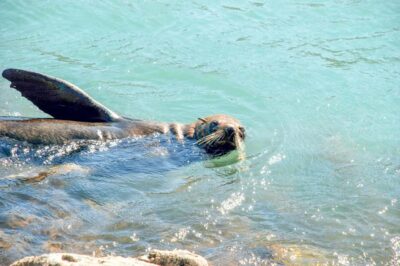
Akaroa: Pohatu Penguins Scenic Nature 2-Hour or 4-Hour Tour
Read our review →Browse the lists this tour appears in