

Review · CAMBODIA BIRDWATCHING TOURS
Phnom Penh & Kirirom National Park Birds Tour
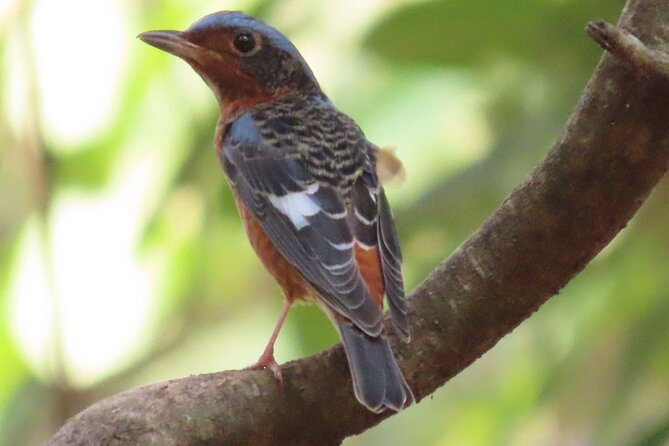
The best part of this two-day trip is the change of scene. You leave Phnom Penh before sunrise, cross the Mekong by ferry, and spend the day among lotus ponds, rice fields, vegetable plots, and woodland rather than city traffic. The next morning brings forest birding in Kirirom National Park, with a good chance of seeing species such as White-rumped Shama, Blue-eared Barbet, and Greater Racket-tailed Drongo.
I like the small group size, capped at eight, and the mix of habitats, which gives you a better shot at a long species list. I also like the local focus: guide Thong follows bird calls with skill, speaks good English, and brings real enthusiasm to the work. The trade-off is a very early start, humid weather, occasional rain, and moderate walking with some hard-to-find birds.
Key points at a glance
- A 5:30 am start from Phnom Penh: The early departure helps you reach the countryside when birds are most active.
- Two very different birding settings: Day one covers lotus fields, rice paddies, cultivation, and woodland, while day two focuses on Kirirom forest.
- A local overnight stay: You spend the night at Chambok Community Based Ecotourism instead of returning to the city.
- A possible list of 50 to 80 species: Targets include Cambodian Tailorbird, Oriental Pratincole, Collared Kingfisher, and Mountain Imperial-pigeon.
- A small group with practical transport: The price includes an air-conditioned vehicle, local birding and community guides, breakfast, and two lunches.
- Good for beginners with moderate fitness: The pace is manageable, but some birds are tricky and conditions can be hot and damp.
Why this tour works for birders based in Phnom Penh
This is not a quick stop at an urban park. It is a compact field trip into several Cambodian habitats, with the chance to see how birdlife changes from open farmland to tropical forest.
The variety matters. Open lotus ponds and rice fields can produce birds that are easy to spot at a distance, while woodland edges may reveal flycatchers, shrikes, bee-eaters, and kingfishers. Kirirom adds a different set of forest species, including babblers, drongos, barbet, shama, and pigeon.
The expected total is 50 to 80 species. That is a useful target rather than a promise, since bird numbers depend on weather, season, habitat conditions, and how well the birds choose to show themselves. Some species are common enough to give you steady sightings. Others are heard first and seen only with patience.
The tour is particularly useful if you are new to Cambodian birds. Thong can help identify calls and locate birds that you might otherwise miss. One of the strongest parts of a guided birding trip is not simply naming a bird after you see it. It is learning where to look and what sound to listen for next time.
More National Park Trips in the world:
- Lisbon: Tagus Estuary Nature Reserve Birdwatching Boat Tour
★ 4.9 · 117 reviews - King Penguin Nature Reserve – Tierra del Fuego Island
★ 4.0 · 73 reviews - Private Birding Hike in Rocky Mountain National Park
★ 5.0 · 58 reviews
The 5:30 am departure and Mekong crossing
Your pickup begins at 5:30 am. That is early, even by birding standards, so arrange your evening before the trip around an early night. The timing is practical: morning is often the best part of the day for bird activity, and the tour has a long first day ahead.
You cross the Mekong by ferry before continuing toward the birding areas. The crossing is part of the shift from Phnom Penh to rural Cambodia, where the scenery opens into farmland and water-based cultivation.
The tour uses an air-conditioned vehicle, which matters in Cambodia’s humid lowlands. You will still spend time outside, but the cool vehicle gives you a break between stops. With up to eight people in the group, the experience should feel more personal than a large coach outing, though the available space may feel tighter when everyone carries binoculars, cameras, and day bags.
Day one: lotus fields, rice paddies, and Chambok
The first stop centers on a natural lake where local farmers grow lotus, paddy rice, and vegetables. This is a good place to begin because open water and cultivated ground offer a clear contrast with forest birding on day two.
The habitats covered on this first day include lotus fields, cultivation, rice fields, and woodland. You might find birds perched in open view, moving along field edges, or calling from low cover. The target list includes Oriental Pratincole, Brown Shrike, Collared Kingfisher, Asian Brown Flycatcher, Green Bee-eater, and Black-naped Oriole.
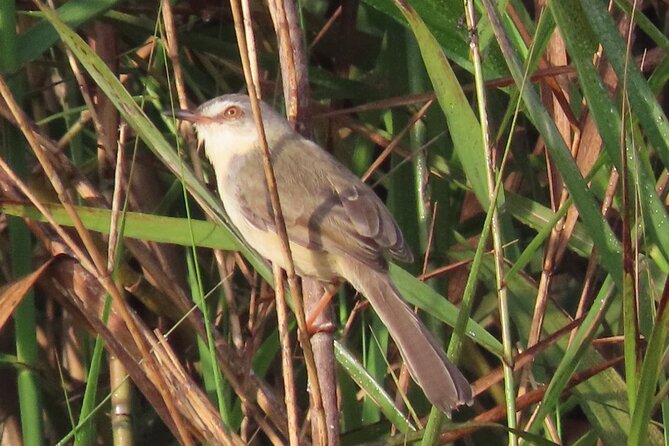
The Cambodian Tailorbird and Dark-necked Tailorbird are also listed among the key species. Tailorbirds can be difficult because they stay low and move through dense vegetation, so this is where a guide who knows the calls earns his keep.
Photographers should find this section rewarding, especially in open areas where birds may be easier to frame than in thick forest. Still, good photographic chances do not mean guaranteed close views. A long lens, patience, and a willingness to photograph habitat scenes rather than only perfect portraits will serve you well.
The first day lasts about nine hours. That is a full outing, not a gentle sightseeing morning with a little birding added. Heat and humidity can build, and occasional rain showers are possible. Bring water, sun protection, and clothing that handles damp conditions.
The Chambok homestay
You spend the night at Chambok Community Based Ecotourism. The overnight stay gives the trip a local, rural character and saves you from making the long return to Phnom Penh after a full day outside.
A homestay is also part of the tour’s value. You are supporting a community-based operation rather than using the city only as a base. Do not expect a polished hotel format. The attraction here is the setting and the connection to local ecotourism, not luxury.
The entrance fee at Chambok Ecotourism Community is not included and is listed as $7. Dinner is also not included, so budget for that separately. Breakfast and two lunches are included, although the meal wording is not fully clear about which meals fall on each day. If food planning matters to you, ask the operator to confirm the meal schedule before departure.
A few more birdwatching trips around the world worth a look
- Penguin Parade, & Wildlife Encounters Eco Tour from Melbourne
★ 5.0 · 3,774 reviews - Cape Town: Cape of Good Hope & Penguins Day Tour with Pickup
★ 4.7 · 3,362 reviews - Cape Point and Boulder’s Penguins Full Day Tour
★ 5.0 · 3,118 reviews - Cape of Good Hope & Boulder Penguins Full-Day Tour from Cape Town
★ 5.0 · 2,347 reviews
Day two: sunrise birds in Kirirom National Park
Day two starts with sunrise birdwatching in Kirirom National Park. This is the forest section of the trip, and it brings a different rhythm. Instead of scanning broad fields and water, you will listen for calls, watch branches and canopy gaps, and move at an easy pace along forest routes.
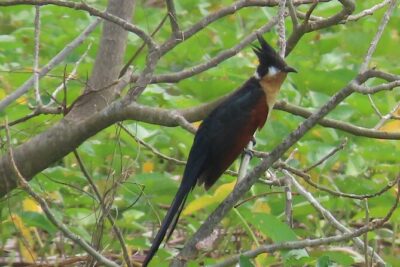
The listed targets include Greater Racket-tailed Drongo, Forest Wagtail, White-rumped Shama, Red-whiskered Bulbul, Puff-throated Babbler, and White-crested Laughingthrush. You may also search for Blue-bearded Bee-eater, Common Flameback, Ashy Drongo, Grey-headed Canary-flycatcher, Black-naped Monarch, and Mountain Imperial-pigeon.
Forest birding rewards attention more than speed. A bird may appear for only a few seconds, or remain hidden while calling nearby. Some species on the list are described as very tricky, so a quiet group and an experienced guide can make a real difference.
The route is described as an easy-paced walk, but the overall tour requires moderate physical fitness. That distinction is worth noting. You are not signing up for a hard trek, yet you will be outside for long periods and may need to walk and stand while searching for birds. Heat, damp ground, and rain can make an otherwise simple route feel harder.
Kirirom also gives you the best chance of seeing the tour’s forest specialists. The White-rumped Shama, for instance, is a strong target for anyone interested in songbirds, while barbet, laughingthrush, babbler, and monarch sightings help round out the forest list.
The bird list: what you might realistically see
The advertised range is 50 to 80 species. The list includes enough variety to appeal to both beginners and experienced birders, but you should treat the upper number as a favorable result rather than a fixed guarantee.
Among the more distinctive targets are:
- Cambodian Tailorbird
- Oriental Pratincole
- Collared Kingfisher
- Blue-bearded Bee-eater
- White-throated Rock Thrush
- Chinese Francolin
- Common Flameback
- Greater Racket-tailed Drongo
- Forest Wagtail
- White-crested Laughingthrush
- Blue-eared Barbet
- Mountain Imperial-pigeon
The mix also includes familiar and attractive birds such as Green Bee-eater, Red-whiskered Bulbul, Black-naped Oriole, Ashy Drongo, Brown Shrike, and Asian Brown Flycatcher.
For a first Cambodian birding experience, this range is useful because it introduces you to open-country birds, forest birds, and species associated with cultivated land. For an experienced birder, the appeal is the possibility of adding regional specialties and less familiar birds to a personal list.
Keep your expectations sensible. Tropical forest species often stay concealed, and weather can change the result. A good day may bring many species but only a few clear photographs. Another day might produce fewer birds but one memorable sighting of a hard target.
Guide Thong and the value of local knowledge
Guide Thong is the name to know here. He is described as a professional bird guide with strong English and a clear passion for birds. His skill in following calls is especially important in Cambodia, where many forest birds may be heard before they are seen.
A local guide can also make the trip more useful for beginners. You can ask why a bird favors a particular habitat, how to separate similar calls, or where to aim your binoculars when the sound comes from dense cover.
The tour also includes a local community guide. That combination gives you birding support alongside local assistance at Chambok. It is a sensible setup for a trip that crosses several rural areas and includes a community-based overnight stay.
Price and what the $350 includes
At $350 per person, this is not the cheapest way to spend two days near Phnom Penh. The price makes more sense when you count what is included: a local birding guide, a local guide, air-conditioned transport, one night at the Chambok homestay, two lunches, and two breakfasts.
You are also paying for route planning and access to several habitats in a short period. Arranging a Mekong crossing, rural birding, an overnight stay, and Kirirom National Park on your own would take time and local coordination.
Still, add the costs that are not included. The $7 Chambok entrance fee, dinner, tips, personal expenses, and travel insurance are extra. Admission tickets for the activity are also listed as not included, so confirm the exact entrance costs before booking.
I would consider the price fair for a birder who values a small group and a specialist guide. It is less compelling if you only want a general countryside outing or if you are not interested in spending long hours looking and listening for birds.
Comfort, weather, and what to pack
The lowlands are humid, with occasional rain showers. An air-conditioned vehicle helps, but you should prepare for warm and wet conditions once you are outside.
Bring binoculars, a camera if you use one, a waterproof layer, sun protection, insect protection, and comfortable walking shoes. Neutral clothing can help you feel less conspicuous around birds, though no special outfit is required in the information provided.
The moderate fitness rating should guide your decision. You do not need to be a serious hiker, but you should be comfortable with two long days, an early start, outdoor heat, and walking at Kirirom. If rain arrives, the footing and photography may become less convenient.
The group maximum is eight people. That limit is important for birding because a smaller group makes it easier to stop quietly, hear calls, and give everyone a look when a bird appears. The tour also offers pickup, which removes one of the usual headaches of an early Phnom Penh departure.
Who should book this birding trip
I would recommend it most strongly to:
- First-time birders who want an introduction to Cambodian species
- Experienced birders building a Cambodia list
- Photographers who are comfortable with field conditions and imperfect views
- People who prefer rural ecotourism to markets and heavily visited city sights
- Visitors with two full days and moderate physical fitness
It is not ideal if you dislike early mornings, humid weather, rural lodging, or birds that remain hidden. It also may not suit anyone seeking a relaxed sightseeing schedule, since both days run for about nine hours.
The trip has a useful conservation angle, too. Supporting community-based ecotourism gives local people a reason to value natural areas. That does not solve Cambodia’s problems with forest loss and poaching, but choosing a local birding operation is a practical way to put some tourism money behind nature protection.
Booking details and cancellation terms
The tour starts at 5:30 am, offers pickup, and accepts mobile tickets. Confirmation is provided at booking, and group discounts are available.
You can cancel for a full refund if you do so at least 24 hours before the local start time. Cancellations or changes made within 24 hours are not refunded or accepted. Poor weather or failure to reach the minimum number of participants can lead to a new date, another experience, or a full refund.
Should you book the Phnom Penh and Kirirom bird tour?
Book it if you want serious birding in a short window and like the idea of moving from lotus fields and rice paddies to Kirirom’s forest in one trip. The combination of Thong’s call-based guiding, a small group, local homestay, and air-conditioned transport gives the $350 price real value for dedicated birders.
Skip it if you want a casual day outside Phnom Penh or need a late start and hotel-level comfort. For everyone else, this is a focused, useful introduction to Cambodia’s birds, with enough habitat variety to keep both beginners and experienced birders interested.
FAQ
How long does the Phnom Penh and Kirirom National Park bird tour last?
The experience lasts approximately two days. Each listed day includes about nine hours of activity.
What time does the tour begin?
Pickup begins at 5:30 am.
How many people can join the tour?
The maximum group size is eight people.
Is transportation included?
Yes. An air-conditioned vehicle is included, and pickup is offered.
Where do you stay overnight?
You spend one night at Chambok Community Based Ecotourism.
Which meals are included?
The tour includes breakfast and two lunches. Dinner is not included.
Is the Chambok entrance fee included?
No. The entrance fee at Chambok Ecotourism Community is listed as $7 and must be paid separately.
What happens if bad weather cancels the tour?
If poor weather causes cancellation, you can receive a different date or a full refund.
Just added around the world
- Walvis Bay: Pelican Point Seal and Sandwich Harbour Tour★ 4.8 · 15 reviews
- Walvis Bay Shore Excursion: Flamingos, Dune 7, Swakopmund★ 5.0 · 3 reviews
- Victoria Falls: Private Birdwatching Safari near the town★ 5.0 · 2 reviews
- Vila Franca do Campo: Marine Life & Bird Watching & Islet Tour★ 4.4 · 9 reviews
- VIP falconry taster session★ 5.0 · 2 reviews
- Vestmannaeyjar: Puffin, Island, and Volcano Boat Tour★ 4.4 · 7 reviews
- Victoria Falls: Private Zambezi River Birdwatching Safari★ 4.7 · 14 reviews
- USHUAIA | Navigation: Sea Lions, Birds and Lighthouse★ 3.3 · 4 reviews
Cambodia Birdwatching Tours, compared.
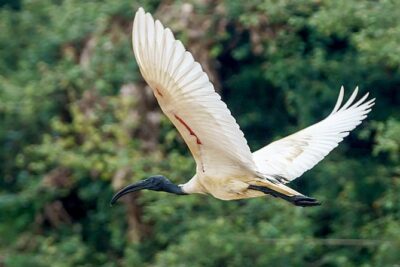
Prek Toal Birds Sanctuary and floating Village Private Day Tour
Read our review →Prek Toal Bird Sanctuary Day Trip from Siem Reap
Read our review →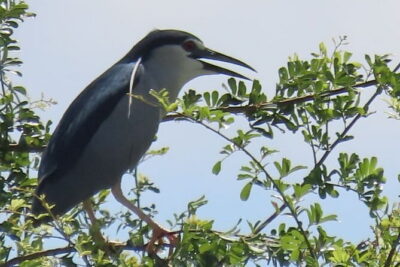
Beyond The Oudong Temple and Birdwatching in Phnom Penh
Read our review →
Bird Watching at Tonle Sap Forest and Lotus Farm Siem Reap
Read our review →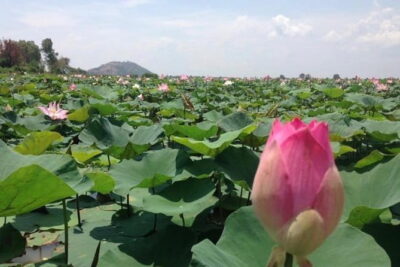
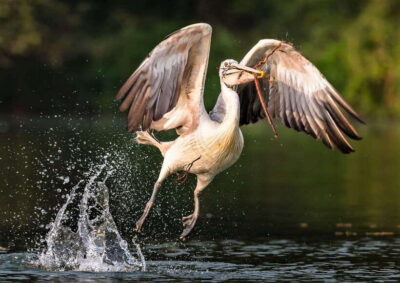
Prek Toal Birds Sanctuary & floating Village Private Tour
Read our review →
Prek Toal Bird Sanctuary and Great Lake Tour in Cambodia
Read our review →Browse the lists this tour appears in