
Review · PERU BIRDWATCHING TOURS
Cusco: Chonta Canyon and Condor Flight Tour with Lunch
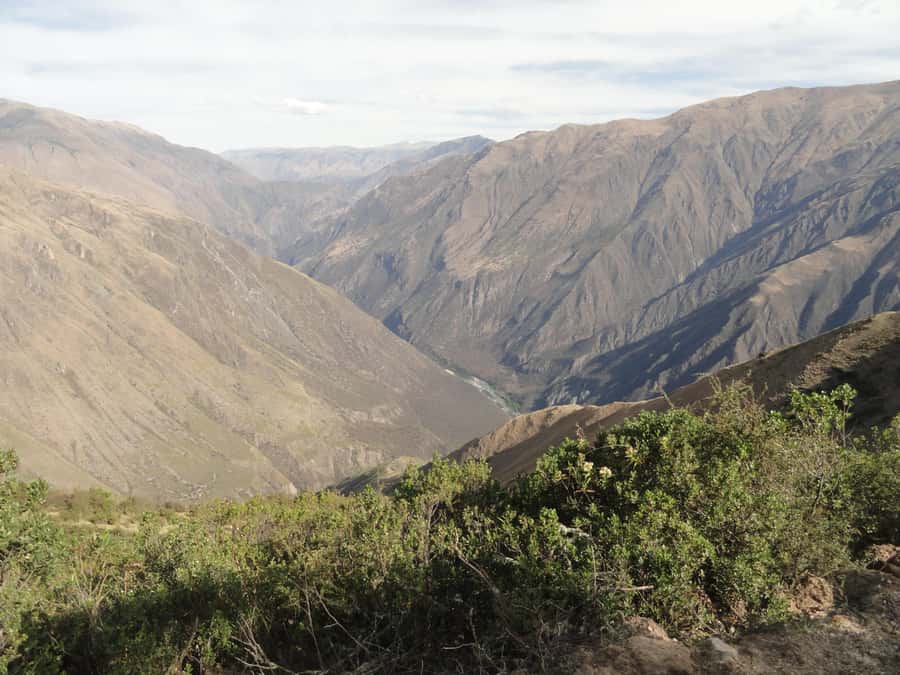
Andean condors are the star here, and Chonta Canyon gives you a real chance to watch these huge birds ride warm air above the cliffs. The best part is the combination of wildlife and archaeology: you visit Killarumiyoq and Tarawasi before reaching the canyon, rather than spending the whole day in a van.
I like the careful pacing at the viewpoints, with about two hours for watching and photography. I also like the practical touches, including lunch, hotel pickup in central Cusco, camouflage vests, and a guide such as Rafael, who has taken groups to the best condor-watching spots. The drawback is the long day: about 12 hours, much of it on the road, with a 50-minute hike and extra entrance fees.
Key points to know before booking
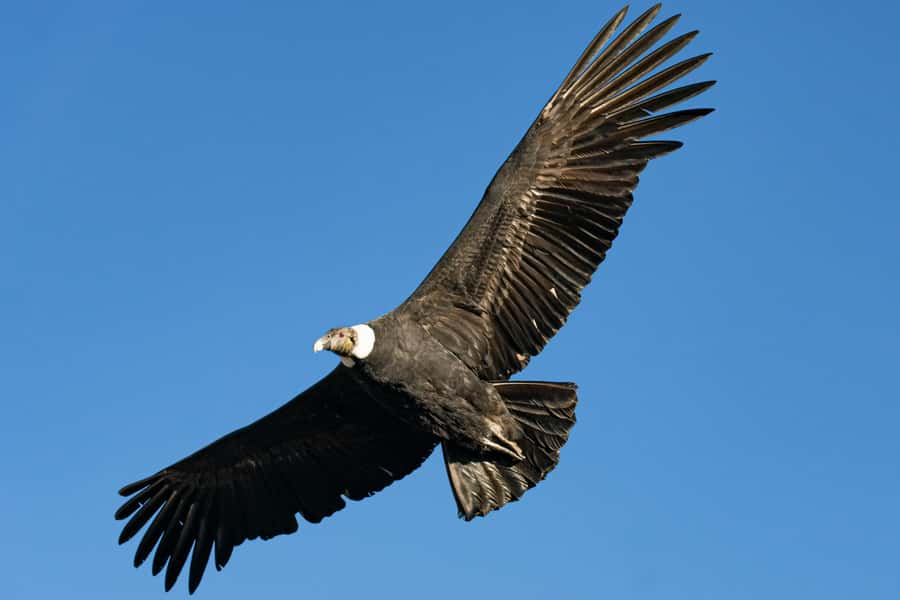
- Condor viewing lasts about two hours: You have time to wait, watch, and take photos instead of making a rushed stop.
- Killarumiyoq and Tarawasi add real variety: The day combines an archaeo-astronomical site with an Inca ceremonial platform.
- The hike to Chonta’s three viewpoints takes about 50 minutes: Comfortable shoes and steady footing matter.
- Lunch is served in Limatambo: Food is included, but water and snacks are not.
- The $150 price does not cover entrance tickets: Budget another $20 per person for Killarumiyoq, Tarawasi, and Chonta Canyon.
- Pickup is limited to central Cusco: If your hotel is outside the city center, you’ll meet at the Main Square.
Why Chonta Canyon is worth the long ride
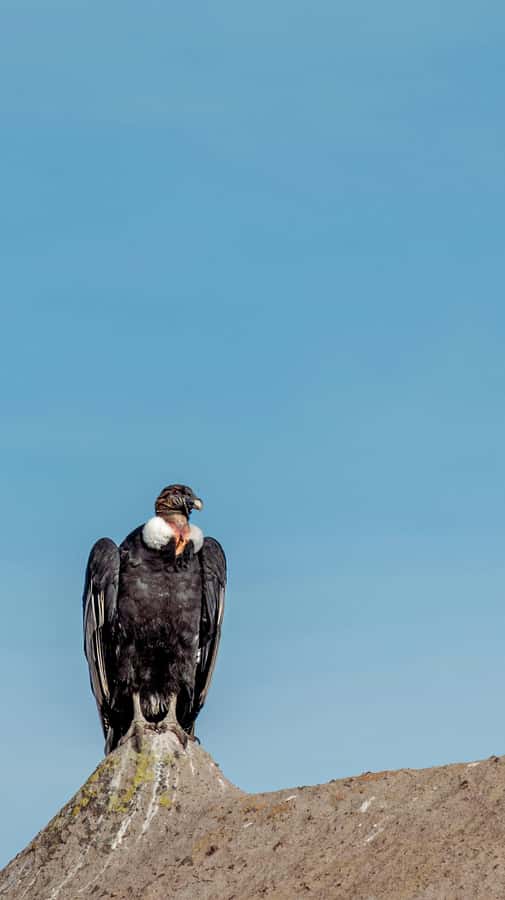
The Andean condor is not a bird you simply tick off a list. Its size, slow wingbeats, and habit of circling on rising air make it best seen from a fixed lookout, where you can wait for the right moment.
Chonta Canyon is valued for that viewing setup. The three viewpoints give you different angles across the canyon, and the schedule allows around two hours in the area. That is important because wildlife never follows a tour clock. You may see condors quickly, or you may need patience.
A particularly strong outing with guide Rafael included several condors, some seen from very close range, over several hours. That does not guarantee the same sighting on every departure, but it shows why the extra time at the canyon matters. Bring a camera, but do not let it keep your eyes glued to the screen. A condor crossing the canyon can be gone before you frame the shot.
The trip is also a good choice if you want something different from the more familiar Cusco circuit. You are not visiting Machu Picchu or spending the day among packed ruins. Chonta feels more open and quieter, with the canyon and the birds providing the main drama.
More Falconry Tours in the world:
- High Red Dunes with Camel Ride, Sandboarding, Falcon Show and VIP BBQ Dinner
★ 5.0 · 1,453 reviews - Dubai: Bedouin Camp, Dune Safari, Falcon Show & BBQ Dinner
★ 4.6 · 1,186 reviews - Sunset Camel Trekking with Falcon Show & VIP BBQ Dinner
★ 5.0 · 466 reviews
Leaving Cusco at 7:00 in the morning
The tour begins at about 7:00 am with pickup from your hotel lobby if you stay in the historic center. If not, you meet near the Main Square. The return is planned for about 7:00 pm, with drop-off near the main square or at your central hotel.
That timetable makes this a full-day outing, not a casual half-day escape. The first drive takes about two and a half hours, so bring water, a small snack, and something warm for the road. Water and snacks are not included.
You travel in tourist transportation with a professional driver, accompanied by a Spanish and English-speaking guide. The trip includes several long road sections, so the vehicle is a major part of the experience. The scenery on the way through the Andes helps break up the driving, but you should still be comfortable sitting for long periods.
The tour is listed as a private group, which is useful if you prefer a more personal pace. It also means you can ask questions about the sites and the condors without competing with a large crowd. Exact group size is not given, so do not assume this means a private vehicle for only two people.
Killarumiyoq, where stone and sky meet
Your first stop is Killarumiyoq in the Anta area, with about an hour for a guided visit. The site is described as archaeo-astronomical, so the interest here is not only in old stonework but also in how the place relates to observation, ritual, and the sky.
This is a smart first stop. After sitting in the vehicle, you get time to walk, look closely, and hear the guide explain what makes the site important. It also gives the day an archaeological beginning before the focus shifts to the canyon and wildlife.
Entrance to Killarumiyoq is not included. The separate admission cost for Killarumiyoq, Tarawasi, and Chonta Canyon is $20 per person in total. Carry cash, since the tour specifically advises bringing it.
Do not expect a long archaeological circuit here. The visit lasts about an hour, so think of Killarumiyoq as a focused introduction rather than a full morning at a major ruin. Comfortable shoes are still useful because this is a walking stop.
Tarawasi and the surviving Usno platform
The next major stop is Tarawasi, near Limatambo. This site is home to one of the few remaining Andean ceremonial platforms known as an Usno.
An Usno was used for rituals, and that detail gives Tarawasi a different character from Killarumiyoq. You are not simply seeing another set of stone walls. You are looking at a ceremonial space tied to the religious and political life of the Andes.
The stop also breaks up the journey at a useful point. After Killarumiyoq, you continue by van for about an hour before reaching Tarawasi. Then comes lunch in the village of Chonta, according to the tour description, while the route schedule places the lunch break in Limatambo. Either way, lunch is part of the route near the archaeological stops, and the exact restaurant or menu is not specified.
That is worth noting for practical planning. Lunch is included, but you should not expect to choose from a published menu in advance. If you have strict dietary needs, ask the operator before departure. The provided information confirms lunch, not special meal options.
A few more birdwatching trips around the world worth a look
- Phillip Island Penguin Parade Small-Group with Lunch and Wine
★ 5.0 · 197 reviews - Djerba Flamingo Island Pirate Boatrip – Trip, Lunch & Pick-up
★ 3.5 · 84 reviews - Penguin Watching Navigation Cachagua Lunch From STGO Private Tour
★ 5.0 · 50 reviews - Cartagena Fishing, Crabbing, Birdwatching Experience + Lunch
★ 5.0 · 21 reviews
Lunch before the climb to Chonta
A meal before the canyon walk is sensible. The afternoon includes another hour by vehicle and then a hike, so eating beforehand gives you a better base than trying to push through on snacks.
Bring extra food if you tend to get hungry between meals. Snacks are not included, and there may not be a convenient shop at the exact point you need one. Water is also your responsibility.
The tour provides a first aid kit and an oxygen balloon. Those are useful safety provisions in a high-altitude region, but they do not remove the need to pace yourself. Walk steadily, take breaks when needed, and tell your guide if you feel unwell.
The use of camouflage vests is an unusual touch. They are intended to help you blend in while watching wildlife. Do not expect them to turn you into a professional bird photographer, but they add a bit of fun and support a quieter approach at the viewpoints.
The road to Chonta and the 50-minute hike
After lunch, the route continues toward the Huayronka Bridge. From there, you take a scenic detour with about an hour of ascent through Andean scenery to the village of Chonta.
This section is where the day begins to feel more remote. The vehicle climbs, the road takes time, and the destination becomes less about a single monument and more about reaching a viewing point above the canyon.
From the village, the walk to the three viewpoints takes about 50 minutes. The route details also allow roughly two hours for the visit in the Andes, which includes the walk, guided time, and condor watching.
You need comfortable shoes with a good grip. Warm clothing is also important because conditions can shift as you gain height and wait in exposed places. A hat, sunscreen, and a camera belong in your day bag. Oversize luggage is not allowed, so pack light.
This portion is not suitable for people with mobility impairments, vertigo, or a strong fear of heights. Pregnant women and people with heart problems are also advised not to take the tour. Those restrictions make sense given the ascent, the walk, and the canyon viewpoints.
Two hours above the canyon
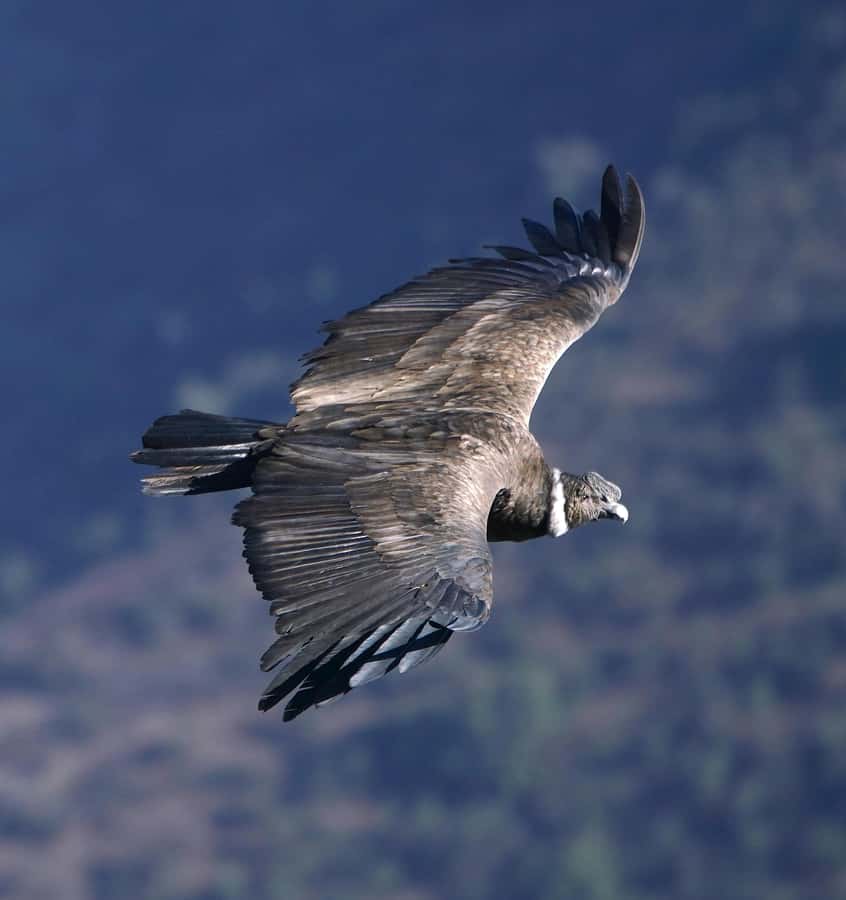
At Chonta, the goal is simple: watch for condors as they cross the canyon on rising air. You visit three viewpoints, giving you more than one place to look and photograph.
The schedule allows around two hours for the condor flight. That is the right kind of timing for a wildlife stop. You can wait through quiet spells, listen to the guide explain the birds and local nature, and then react when one appears.
Do not treat the sighting as a guaranteed performance. The tour is built around one of Peru’s best places to see the Andean condor, but no operator can command a wild bird to fly past on cue. The strong report from Rafael’s outing, with several condors visible for hours and some at close range, is encouraging, but nature still sets the terms.
Your guide’s role matters here. A good guide can help you notice birds before they become obvious, point out the strongest viewing spots, and explain what you are seeing. Rafael was specifically praised for being friendly, capable, and for leading people to good positions. If he is guiding your departure, his experience should be especially helpful at the canyon.
Keep your voice low and follow the rules. Smoking, alcohol in the vehicle, littering, and touching plants are not allowed. The simple restrictions protect the setting and make the viewing more respectful.
Is $150 a fair price?
At $150 per person, the tour is not a budget day trip, especially once you add the $20 entrance charge. The real question is what you value.
The price covers central hotel pickup, transport, a professional driver, an English or Spanish-speaking guide, lunch, camouflage vests, and basic first aid equipment. You also receive a full day with two archaeological stops and a substantial amount of time at the condor viewpoints.
For a self-organized visit, you would need to arrange transport to several places, coordinate the timing, find the canyon route, and manage the return to Cusco. The value here is convenience and guidance, not simply admission to a single attraction.
I think the cost makes the most sense for you if condors are a priority and you want the archaeological stops included. It is less appealing if you dislike long drives, want a relaxed morning, or are mainly looking for ruins. In that case, the canyon may feel too far for the amount of walking and viewing involved.
The private-group format also adds value if you want a less rigid day. Still, ask how many people will be in your departure before booking, since the available information does not give a precise group size.
What to pack for a long Andean day
Pack for changing conditions rather than for one fixed temperature. Your basic kit should include:
- Comfortable walking shoes
- Warm clothing and a hat
- Sunscreen
- Water and snacks
- Camera
- Cash for entrance tickets and personal spending
A small daypack is better than bulky luggage. Oversize bags are not permitted, and you will be moving between a vehicle, archaeological sites, a village, and canyon viewpoints.
The tour provides lunch, but do not count on it covering every drink or snack you want. Water is specifically excluded. Alcoholic drinks are not allowed in the vehicle, and pets are not permitted.
Who should book this Chonta tour?
I would choose this day if you want a mix of nature, archaeology, and mountain scenery, and if you are willing to spend most of the day getting there and back. It suits people who can walk for about 50 minutes and wait outdoors at viewpoints.
It is especially good for photographers, bird watchers, and anyone who wants a less standard day from Cusco. You get a proper viewing window instead of a quick roadside stop, and the archaeological visits keep the day varied.
I would not choose it for a traveler with limited mobility, serious heart concerns, vertigo, or a strong fear of heights. It is also a poor fit if you need a short excursion or do not enjoy long vehicle journeys.
The free cancellation period is up to 24 hours before departure, and you can reserve now and pay later. That gives you some flexibility, but check the starting time and pickup point carefully. Central hotel pickup is included, while hotels outside the city center use the Main Square as the meeting point.
Should you book the Chonta Canyon condor tour?
Book it if you want the best chance to spend real time watching Andean condors and you like the idea of adding Killarumiyoq and Tarawasi to the same day. The combination is the main strength: birds, ceremonial stones, lunch, and a high canyon viewpoint in one organized route.
Skip it if the $150 price plus $20 in entrance fees feels high for a long day, or if walking and altitude-related conditions may trouble you. The condors are wild, the road is long, and the hike is part of the deal.
For the right person, this is a memorable Cusco-region outing. Guide Rafael’s reported ability to find strong viewing spots is a useful sign, and the two-hour viewing window gives the birds time to put on their own show.
FAQ
How long does the Chonta Canyon tour last?
The tour lasts about 12 hours, beginning at approximately 7:00 am and returning to Cusco at about 7:00 pm.
Where does pickup take place?
Pickup is available from your hotel lobby if your hotel is in Cusco’s city center. If it is outside the city center, the meeting point is the Main Square.
Where does the tour finish?
Drop-off is next to the main square or at your hotel in the city center.
Are entrance tickets included?
No. Entrance tickets for Killarumiyoq, Tarawasi, and Chonta Canyon cost an additional $20 per person.
Is lunch included?
Yes. Lunch is included at a local restaurant during the route. Water and snacks are not included.
What languages does the guide speak?
The tour is available with a live guide who speaks Spanish or English.
How long is the walk to the condor viewpoints?
The walk from the village of Chonta to the three viewpoints takes about 50 minutes.
Is the tour suitable for people with mobility impairments or vertigo?
No. The tour is not suitable for people with mobility impairments, people afraid of heights, or people with vertigo. It is also not suitable for pregnant women or people with heart problems.
What is included in the $150 price?
The price includes central hotel pickup, tourist transportation, a professional driver, an English or Spanish-speaking guide, camouflage vests, lunch, a first aid kit, and an oxygen balloon.
Just added around the world
- Walvis Bay: Pelican Point Seal and Sandwich Harbour Tour★ 4.8 · 15 reviews
- Walvis Bay Shore Excursion: Flamingos, Dune 7, Swakopmund★ 5.0 · 3 reviews
- Victoria Falls: Private Birdwatching Safari near the town★ 5.0 · 2 reviews
- Vila Franca do Campo: Marine Life & Bird Watching & Islet Tour★ 4.4 · 9 reviews
- VIP falconry taster session★ 5.0 · 2 reviews
- Victoria Falls: Private Zambezi River Birdwatching Safari★ 4.7 · 14 reviews
- Vestmannaeyjar: Puffin, Island, and Volcano Boat Tour★ 4.4 · 7 reviews
- USHUAIA | Navigation: Sea Lions, Birds and Lighthouse★ 3.3 · 4 reviews
Peru Birdwatching Tours, compared.
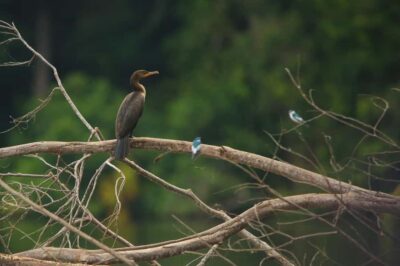
Sandoval Lake & Parrot Clay lick 3 Days/2 Nights
Read our review →
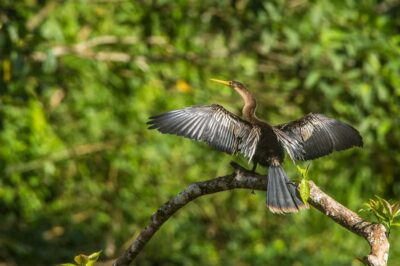
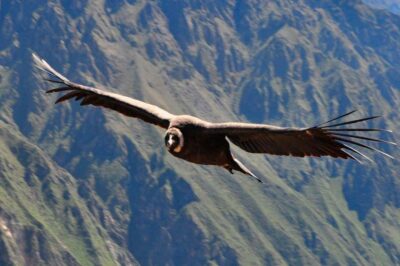
From Arequipa: Colca Canyon and Condor Watching Day Trip
Read our review →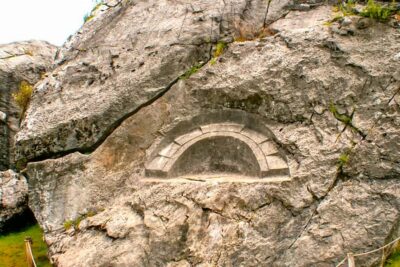
Browse the lists this tour appears in