
Review · SRI LANKA BIRDWATCHING TOURS
Bundala National Park Safari – Birding Paradise Tour
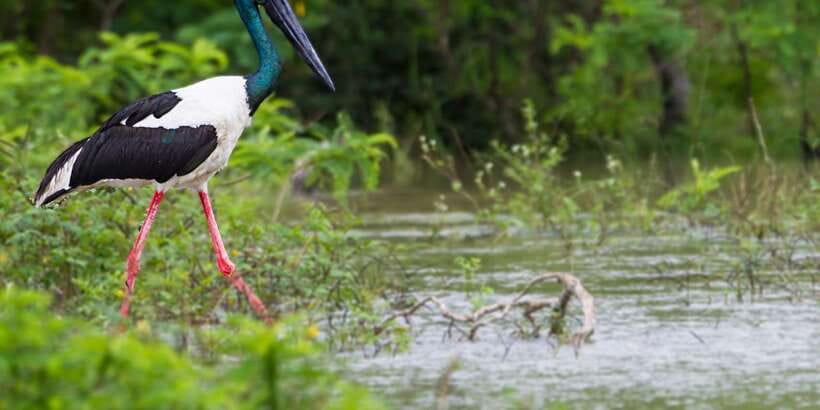
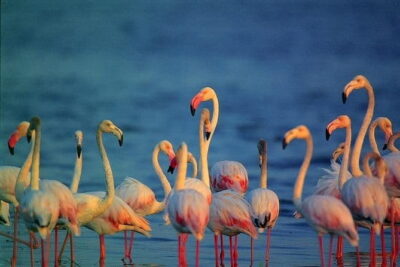
Bundala is a fine choice if birds matter more to you than ticking off Sri Lanka’s biggest animals. Its brackish lagoons, marshes, thorn scrub, and sand dunes create several habitats in one short safari, with up to 200 bird species and large numbers of migrants between September and March.
I like the small jeep size, capped at six passengers, and the choice of morning or evening timing. I also like that the guide handles the driving while helping identify birds and animals. The main catch is that the $43 price does not include the park entrance fee, so confirm the current charge before you go.
Key points to know
- Bird-rich wetlands: Bundala is home to about 200 bird species and can receive up to 10,000 migratory birds from September to March.
- Three-hour safari: You get a focused morning or evening drive, not a full-day outing.
- Small group jeep: Each vehicle carries a maximum of six participants.
- Wildlife beyond birds: Keep watch for wild boar, spotted deer, buffalo, mongoose, porcupine, monkeys, crocodiles, turtles, and jackals.
- Golden-hour photography: The morning and evening light can make animals, lagoons, and dunes especially rewarding to photograph.
- Check entrance costs: Park admission is separate, and one guest reported being quoted more than the official cost.
Why Bundala suits bird watchers better than big-animal chasers
Bundala National Park offers a different kind of safari from the famous elephant parks. Its appeal is the mix of wetlands, lagoons, scrub, and coastal sand, all packed into a three-hour outing. You are not simply driving from one large animal sighting to another. You are scanning reeds, mudflats, water edges, and low trees for movement.
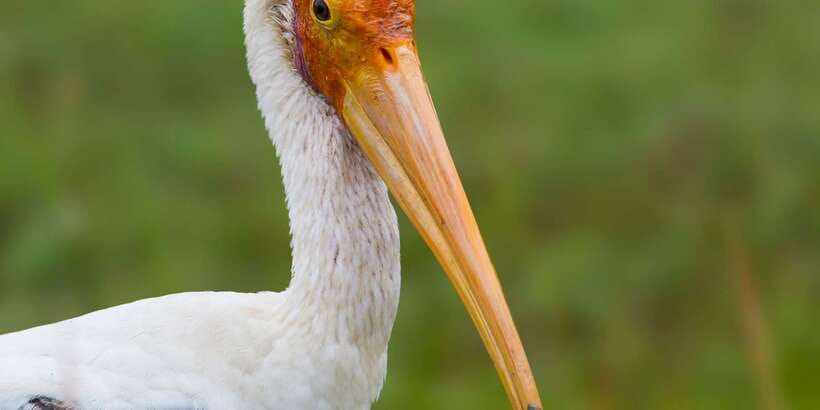
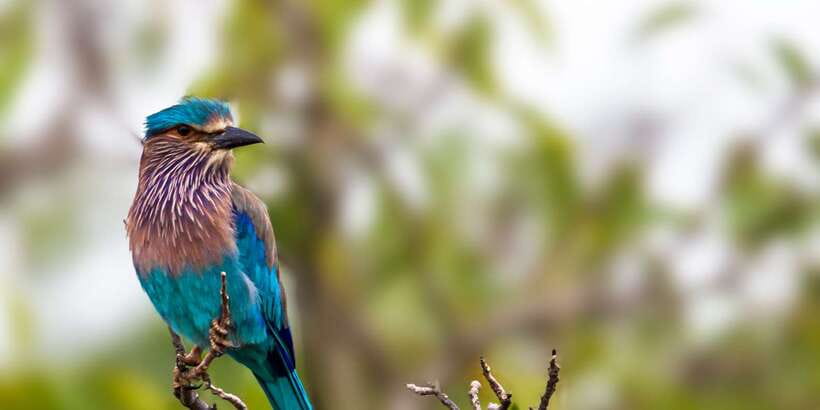
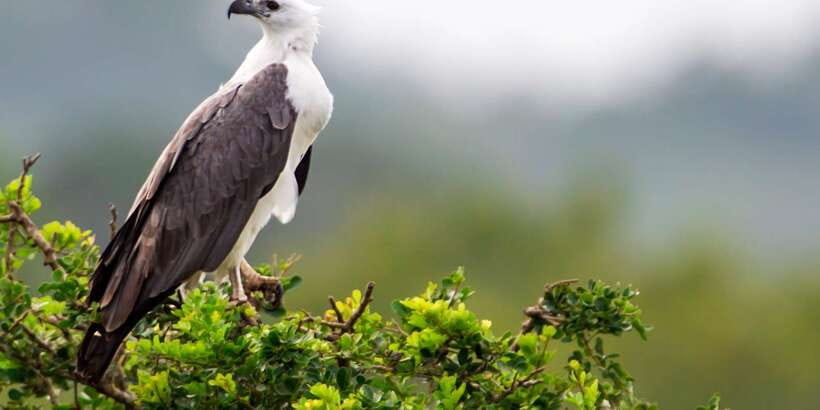
The park is home to 32 mammal species and about 200 bird species. From September through March, as many as 10,000 migratory birds may pass through the area. That seasonal change matters. If you care about birding, those months give you the strongest reason to choose Bundala.
You might see wild boar, spotted deer, porcupine, mongoose, wild buffalo, jackals, monkeys, lizards, and crocodiles. Fishing cats and rusty-spotted cats are also listed among the possible wildlife, but treat those as lucky sightings rather than expected ones. A three-hour safari can produce a satisfying range of animals, but nature keeps its own schedule.
The most highly praised part of this experience is the guide’s ability to spot and identify birds while driving. Hishan, a guide named in one outing, drove slowly and carefully while pointing out birds along the route. Another outing had a driver rather than a dedicated tracker, yet the driver still found birds and animals in muddy conditions and offered information about habitats. That tells you what to value here: patient eyes and steady driving may matter more than a polished presentation.
More Safaris in Sri Lanka:
- Bundala National Park Birds Watching Safari Tour
★ 5.0 · 15 reviews - Bundala Birds Safari by Jeeps
★ 5.0 · 5 reviews - Húsavík: Original Big Whale Safari & Puffins by Speedboat
★ 4.7 · 1,221 reviews
Meeting your guide near Tissamaharama or the park gate
You can arrange pickup from a hotel in the Tissamaharama or Weerawila area, or meet at the Bundala National Park gate. Pickup from outside those areas costs extra. If you are already staying near the park, meeting at the gate may be the simplest option.
The location details deserve a quick check when you book. The experience is associated with the southern part of Sri Lanka and is described as 251 kilometers from Colombo, while the pickup area is Tissamaharama and Weerawila. Ask the operator to confirm the exact meeting point, transfer cost, and estimated pickup time before setting out.
Your safari jeep carries no more than six participants. That is a useful limit in a park where you may need to look in several directions at once. A smaller group also gives you a better chance of seeing past other passengers when a bird lands near the track.
The jeep is practical rather than luxurious. On muddy ground, the driver may need to work carefully around soft surfaces and rough sections. That can slow the outing, but slow driving is a benefit when you are trying to identify birds or photograph animals.
The first hour: thorn scrub, marshes, and open water
Once inside Bundala, the scenery changes often. Thorny shrubs give way to swampy marshes, then open lagoons and golden sand dunes. This variety is the reason the park supports so many kinds of wildlife in a fairly compact safari.
The marshes are your best reminder that Bundala is built around water. Look along the edges rather than only into the middle. Birds often gather where shallow water, mud, and vegetation meet. Your guide may stop or slow down when something catches the eye, giving you time to follow the movement.
The thorn scrub has a different character. It offers cover for mammals such as mongoose, wild boar, and jackals, while birds may sit low in the branches. The scrub can also make sightings brief. You may get only a quick view before an animal disappears, so keep your camera ready but do not spend the whole drive looking through it.
The park’s habitats also explain why this safari is good for photographers. You can frame birds against open water, animals against dry scrub, and distant shapes against sand. The morning and evening golden hours soften the light, but they also reduce the harsh glare that can make wildlife photography difficult in the middle of the day.
Lagoon stops and the value of brackish water
Bundala’s lagoons are not just attractive scenery. Their brackish water, a mix of fresh and salt water, supports an important part of the park’s ecosystem. That water draws birds and aquatic wildlife, while the surrounding mud and vegetation provide feeding areas.
Crocodiles may be seen around the wetland areas, and rare types of turtles are also possible. Do not expect every lagoon to produce a sighting. The value is in the habitat itself, and your guide’s job is to help you read it.
I like this part of the safari because it gives the outing some shape. You are not only hoping for a large mammal. You are watching how water, mud, scrub, and open ground attract different creatures. Even when an animal remains hidden, the lagoon explains why it is there.
The three-hour length works well for this format. You have enough time to see several habitats without committing most of your day. The tradeoff is that a shorter safari gives you less flexibility when a promising area is quiet or when muddy ground slows the jeep.
More National Park Trips in Sri Lanka:
- Lisbon: Tagus Estuary Nature Reserve Birdwatching Boat Tour
★ 4.9 · 117 reviews - Snorkel and Island Experience at Laughing Bird Caye National Park
★ 5.0 · 93 reviews - King Penguin Nature Reserve – Tierra del Fuego Island
★ 4.0 · 73 reviews - Rafting to Chilkat Bald Eagle Preserve from Haines
★ 4.5 · 73 reviews
Birds from September through March
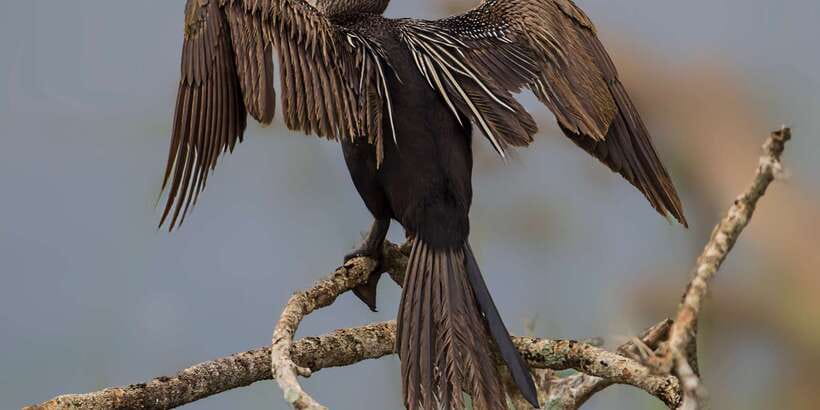
If you can choose your travel dates, September through March is the strongest window for Bundala’s migratory birds. Up to 10,000 migratory birds may arrive during this period, adding to the park’s resident bird population.
The activity is called a birding paradise tour for good reason, but you should still set realistic expectations. The number of species in the park does not mean you will see all of them in three hours. Sightings depend on season, weather, water levels, animal movement, and the guide’s ability to locate them.
A guide who knows how to spot birds can make a major difference. One successful drive involved slow progress and frequent identification of birds along the route. You may get more from a careful driver who notices small movements than from a rushed safari that covers more ground.
If you want photographs, bring the longest lens you have and keep your equipment ready. The golden-hour timing is helpful, but this is still a moving vehicle and wild animals will not pose on request. You will get the best results by enjoying the sighting first and treating the photograph as a bonus.
Mammals, reptiles, and lucky sightings
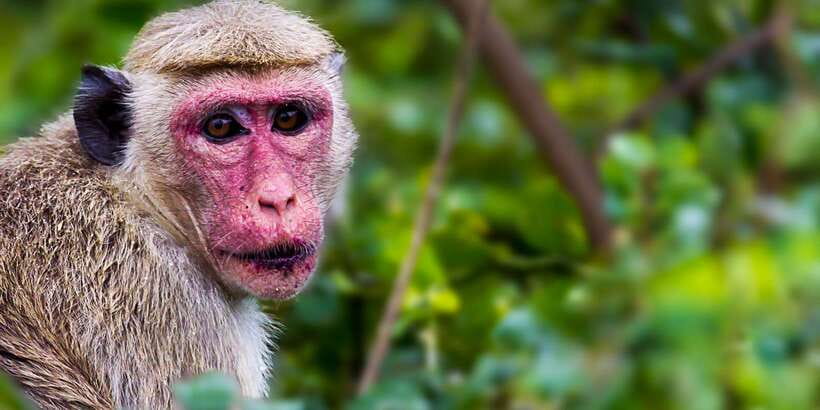
Birds are the main attraction, but Bundala is not a one-subject park. Wild boar, spotted deer, buffalo, porcupines, mongoose, monkeys, and jackals may appear during the drive. The exact mix will vary, and the park should not be treated as a guarantee of any single animal.
A successful outing can include elephants, buffalo, monkeys, and lizards, along with many birds. Elephants are not listed as one of the main highlights in the activity details, so I would not book this safari solely for elephants. If seeing elephants is your top goal, ask the operator what conditions are like before paying.
The park also offers the possibility of fishing cats and rusty-spotted cats. These are rare and elusive sightings. Consider them a prize, not part of the basic promise.
Crocodiles and turtles add another layer to the wetland experience. They can be easier to miss than large mammals, especially if they remain still along the water. Listen when the guide points toward a quiet shape. In a wetland, what looks like a log may deserve a second look.
Morning or evening: choosing the better departure
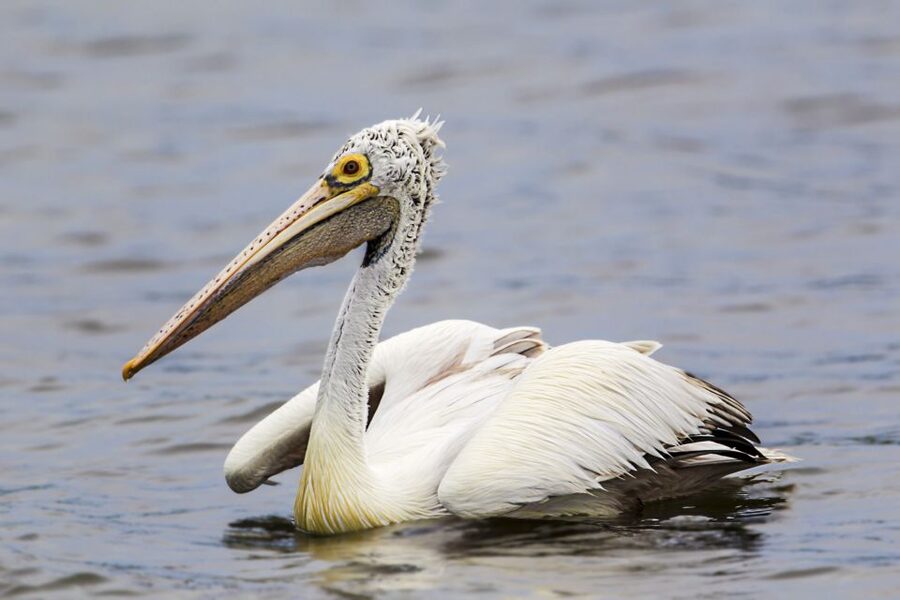
You can choose a three-hour morning or evening safari. Both options offer the softer light that makes the experience appealing, but your choice should depend on your schedule and priorities.
The morning option gives you the day ahead after the safari. It may also suit you if you prefer to begin with wildlife before the heat builds. The evening option places you in the park during late-day light and can work well if you have already spent the morning elsewhere.
The activity description does not promise exact animal behavior at either time, so I would not assume one departure will always produce more sightings. Instead, choose based on transport, energy, and photography. If you want warm light for pictures, either golden-hour period can help.
A three-hour safari is also easier to fit around other southern Sri Lanka plans. You get a real national park outing without giving up a whole day. That is one of the strongest practical reasons to choose this experience.
What $43 does and does not cover
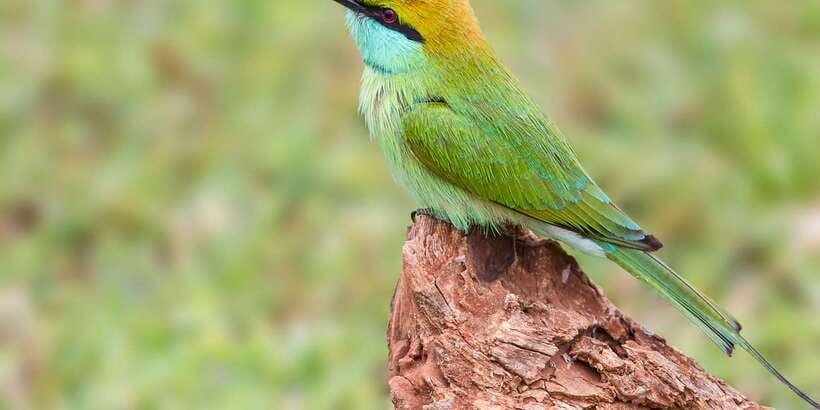
At $43 per person, the price can be fair for a private-style small group drive with hotel pickup in the Tissamaharama or Weerawila area. You are paying for the jeep, driver, guide service, and three hours inside the park. With six or fewer people in the vehicle, the cost is easier to justify than a crowded jeep with many passengers.
The important detail is the separate park entrance fee. Food and drinks are also not included. Your actual cost is therefore higher than the advertised tour price.
Confirm the entrance fee directly before the safari. One participant reported being asked for 11,000 Sri Lankan rupees per person, while the park entrance cost appeared to be 6,500 Sri Lankan rupees per person when arranged independently. I cannot tell you which figure applies to your date, nationality, or booking arrangement, but the difference is large enough to discuss in advance.
Ask for a clear breakdown of the park ticket, jeep charge, pickup charge, and any extra cost for hotels outside the stated area. This is not an awkward question. It is the simplest way to avoid a surprise at the gate.
Guide quality and the limits of a small safari
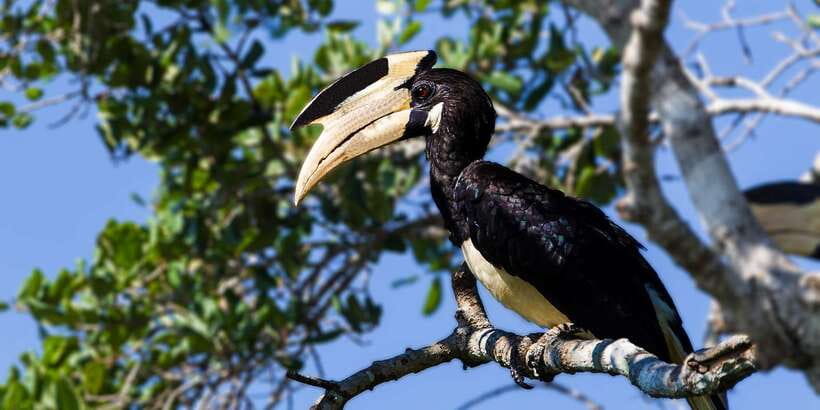
The guide speaks English, and the experience is offered as a small group. The strongest guide skill here is practical: spotting animals, driving safely, and explaining what you are seeing.
One outing with Hishan involved careful, slow driving and bird identification. Another had a driver who was not a dedicated tracker but still located many birds and animals while handling muddy tracks. You should understand the distinction. The driver may be your main wildlife guide, rather than a separate tracker riding along.
That arrangement can work very well when the driver has good local experience. It can also mean that the amount of explanation varies. If detailed birding instruction is important to you, ask whether a dedicated bird guide or tracker will be present.
The small group limit helps. Six passengers is still enough that window and seat positions matter, but it is far better than a packed vehicle for photography and quiet observation. If you are booking as a couple or small family, you will have a reasonable chance to share the viewing space without turning the drive into a crowd.
Weather, park closures, and sensible flexibility
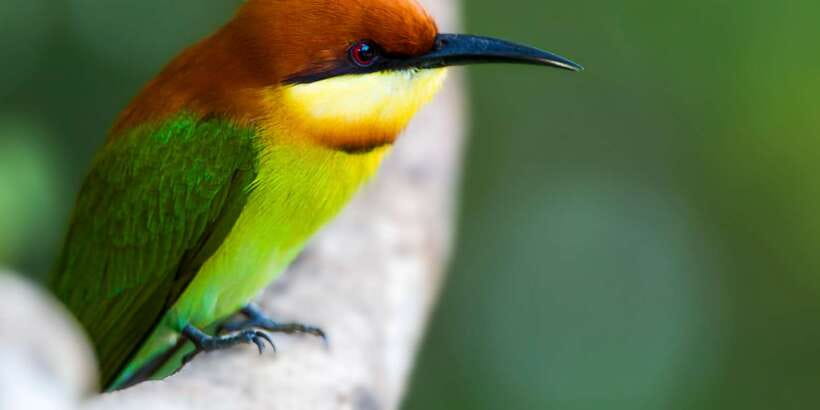
Wildlife tours depend on park conditions. A cyclone caused Bundala to close for one outing, and the group was taken to Udawalawe National Park instead. That change may have saved the day, but it also shows why you should keep some flexibility in your schedule.
Ask what happens if Bundala is closed, whether the alternative park is included at the same price, and how entrance fees are handled. These questions are especially useful during unsettled weather.
Mud can also affect the drive. One safari involved difficult, muddy surfaces, yet the driver continued carefully and slowly. Expect the route to be practical rather than smooth. Wear clothes and shoes you can get dusty or muddy, and protect camera equipment from road spray.
The activity permits free cancellation up to 24 hours before the start time, and you can reserve now and pay later. Those terms are helpful if weather or park conditions might affect your plans, but they do not remove the need to confirm any same-day change with the operator.
Who should book this Bundala safari
I would choose this tour if you are staying near Tissamaharama or Weerawila and want a short, bird-focused national park outing. It also suits photographers who value early or late light, and anyone who prefers a small jeep to a large group.
It is a good match for you if you enjoy wetlands, reptiles, and birdwatching as much as large mammals. Families and first-time safari visitors may appreciate the three-hour length, especially if a full-day drive feels too long.
I would think twice if your only goal is to see elephants or a particular rare cat. No safari can promise those sightings, and Bundala’s main strength is its range of habitats and birds.
Should you book it?
Book it if you want a compact, small-group safari with strong birding potential, varied wetland scenery, and the choice of morning or evening light. The guide’s ability to drive slowly, spot birds, and handle muddy tracks can make the difference between a rushed ride and a rewarding one.
Before paying, confirm the park entrance fee, pickup location, total transfer cost, and what happens if the park closes. If those details are clear, the $43 tour price offers good value for a three-hour outing near Sri Lanka’s southern parks. Choose Bundala for birds and habitat variety, not as a guaranteed big-animal hunt.
FAQ
How long is the Bundala National Park safari?
The safari lasts three hours. You can choose a morning or evening departure, subject to availability.
What animals can I see at Bundala National Park?
Possible wildlife includes wild boar, porcupine, spotted deer, mongoose, wild buffalo, jackal, fishing cats, rusty-spotted cats, monkeys, lizards, crocodiles, and turtles. Sightings are not guaranteed.
How many bird species are found in Bundala?
Bundala is home to about 200 bird species. From September through March, up to 10,000 migratory birds may visit the park.
Is hotel pickup included?
Pickup is included from hotels in the Tissamaharama and Weerawila areas. You can also meet the guide at the Bundala National Park gate.
Is pickup available outside Tissamaharama and Weerawila?
Yes. Pickup from hotels outside those areas is available for an additional charge.
How many people fit in the safari jeep?
The jeep holds a maximum of six passengers.
Is the park entrance fee included in the $43 price?
No. The park entrance fee is separate. Food and drinks are also not included.
What language does the guide speak?
The live guide speaks English.
Can I cancel the safari for a full refund?
You can cancel up to 24 hours in advance for a full refund. You can also reserve the activity and pay later.
Just added around Sri Lanka
- Bundala Birding Paradise – All Inclusive Tour★ 4.0 · 5 reviews
- Negombo Lagoon & Muthurjawela Bird Watching Boat Tour★ 3.5 · 7 reviews
- Muthurajawela Bird Watching Tour from Negombo / Colombo★ 4.5 · 7 reviews
- Bundala National Park Birds Watching Safari Tour★ 5.0 · 15 reviews
- Bundala Birds Safari by Jeeps★ 5.0 · 5 reviews
- Kalametiya Bird Sanctuary Catamaran Bird Watching Tour★ 5.0 · 9 reviews
- Bird Watching Tours in Sinharaja Rain Forest★ 5.0 · 8 reviews
- Kalametiya Sanctuary Birdwatching Boat Ride★ 4.5 · 2 reviews
Sri Lanka Birdwatching Tours, compared.
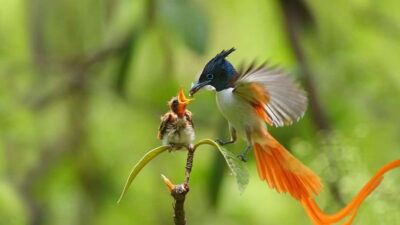
Kalametiya Sanctuary: Bird Watching by Private Boat Tour
Read our review →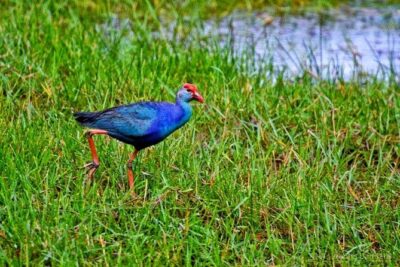
Exclusive: Muthurajawela Bird Watching Tour with Transfers
Read our review →
Muthurajawela Bird Watching Tour From Colombo & Negombo
Read our review →
Bundala National Park Birds Watching Safari Tour
Read our review →
Kalametiya Bird Sanctuary Catamaran Bird Watching Tour
Read our review →
Muthurajawela Bird Watching Tour from Negombo / Colombo
Read our review →Browse the lists this tour appears in