
Review · SPAIN BIRDWATCHING TOURS
Tarragona: Southern Delta Birdwatching Private Tour
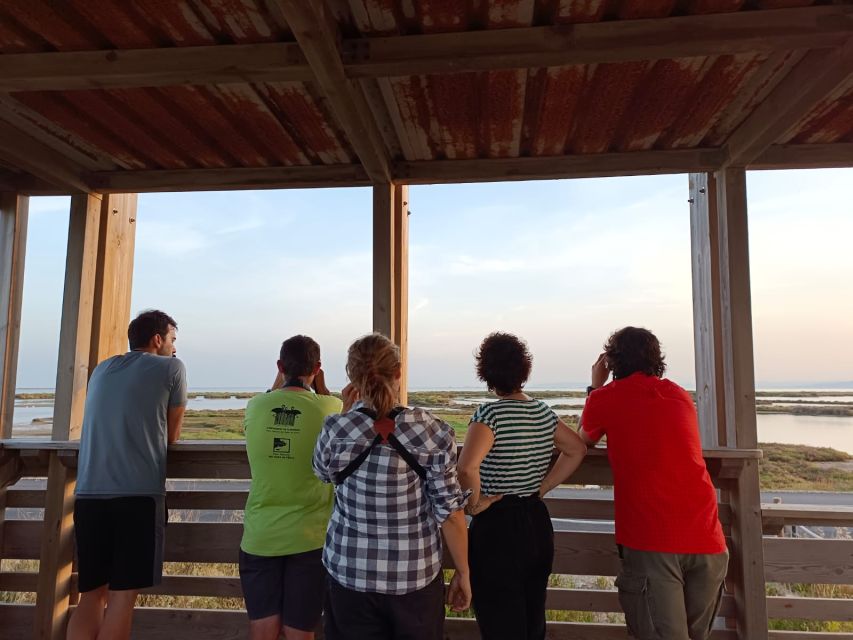
The big draw here is simple: you get a local guide, a car, and three hours among the Ebro Delta’s lagoons, rice fields, salt pans, and bird hides. The best moment may come at La Tancada, where flamingos are often the main event, but the changing scenery gives the tour more range than a single birdwatching stop.
I like the private format, which lets you ask questions and keeps the outing comfortable for a family or small group. I also like that binoculars are supplied, so you can arrive without a full birding kit. The main consideration is that the quality of bird identification may depend on the guide assigned: David receives especially strong praise for his bird and park knowledge, while one guest found Angel better at local places and history than at birding itself.
Key points to know before you book
- Flamingos at La Tancada Lagoon: This is the tour’s clearest birdwatching highlight.
- A private car for up to four people: You travel with your own guide rather than in a large group.
- Stops across several delta settings: Expect lagoons, a village, Alfacs Bay, a sandbar, salt pans, and bird hides.
- Binoculars are provided: Useful if you are new to birdwatching or do not own a pair.
- Local insight adds depth: Guides such as David bring knowledge of Delta culture, rice production, and the national park.
- A short, focused three-hour outing: A good fit if you have limited time, though serious birders may want longer.
Starting at La Casa de Fusta
Your meeting point is the entrance to the Barraca Information Point at La Casa de Fusta. This places you at a practical starting point for exploring the southern part of the Ebro Delta, rather than wasting time on a long transfer from Tarragona.
The tour is private for your group, with a maximum of four people. That matters in a birdwatching setting. You can stop when something catches your eye, ask about a bird or local custom, and keep the pace suited to your group. A family with interested children will have more freedom here than on a rigid coach outing.
The guide provides the car and binoculars. I would still bring your own pair if you have one, since birdwatching is easier when more than one person wants to scan at once. The supplied binoculars are a real convenience, especially for visitors who are testing the waters before buying birding equipment.
The outing lasts three hours. That is enough time to sample several parts of the delta, but not enough for a slow, all-day birding session. Think of it as a well-packed introduction, not a complete survey of every wetland.
More Private Birdwatching Tours in the world:
- Table Mountain, Boulder’s Penguins & Cape Point Private Tour from Cape Town
★ 5.0 · 359 reviews - Table Mountain, Boulders Penguins & Cape point Private Day Tour
★ 5.0 · 236 reviews - Private Tour Of Penguins, Cape Of Good Hope & Peninsula.
★ 5.0 · 175 reviews
Watching the Encanyissada Lagoon from El Pont del Través
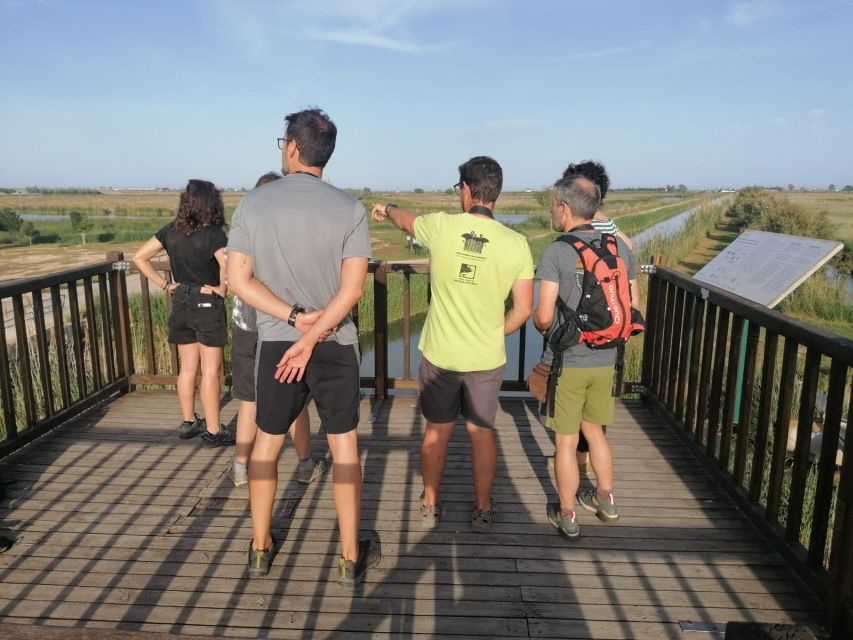
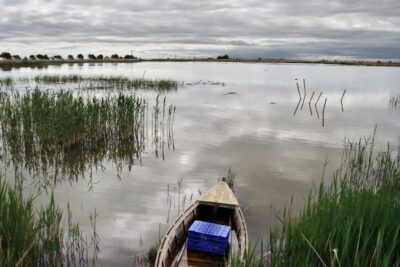
The first major stop is El Pont del Través, set in the middle of the Encanyissada lagoon. This gives you an early look at the watery character of the delta and lets the guide introduce the birds, channels, and working land around you.
Encanyissada is important because the Ebro Delta is not just one open wetland. It is a patchwork of lagoons, fields, waterways, reeds, and shoreline. A stop here helps you understand how the area works as a whole. You may find birds using the open water, reed edges, or muddy margins, depending on conditions.
This is also where a guide can make a big difference. An ordinary photo stop gives you a view. A local guide can point out what deserves attention and explain how rice farming fits beside the bird habitat. The experience includes a look at rice production, and that connection is worth noting: the delta is both a protected natural area and a place where people farm.
The stop may not produce the same instant excitement as a large group of flamingos. That is part of the rhythm. You are learning how to look, not simply collecting one famous sight after another.
Poble Nou del Delta and its white houses
From the lagoon, the route continues to Poble Nou del Delta. This small town was built during Franco’s time and is known for its white houses and palm trees.
It is a brief but useful change of pace. After watching water and reeds, you get a glimpse of the human story of the delta. The village shows how settlement and agriculture were shaped in this low, flat region. Its appearance is distinct from the surrounding wetlands, with simple white buildings and palms giving it a planned, almost unusual character.
I like this part because it keeps the tour from becoming a narrow bird checklist. You are seeing a place where farming, settlement, and protected nature sit close together. The guide may also add local history and cultural context, something that guests especially valued in the guiding.
Do not expect a long town visit with museums or a formal walking tour. Museum tickets are not included, and the outing’s main purpose remains birdwatching. Poble Nou is best understood as a short cultural stop within a wider drive.
Along Alfacs Bay toward La Tancada
The route follows Alfacs Bay toward La Tancada Lagoon. This stretch helps connect the separate parts of the delta in your mind. You move from inland lagoon scenery toward the bay and coastal edge, with the guide showing how quickly the surroundings change.
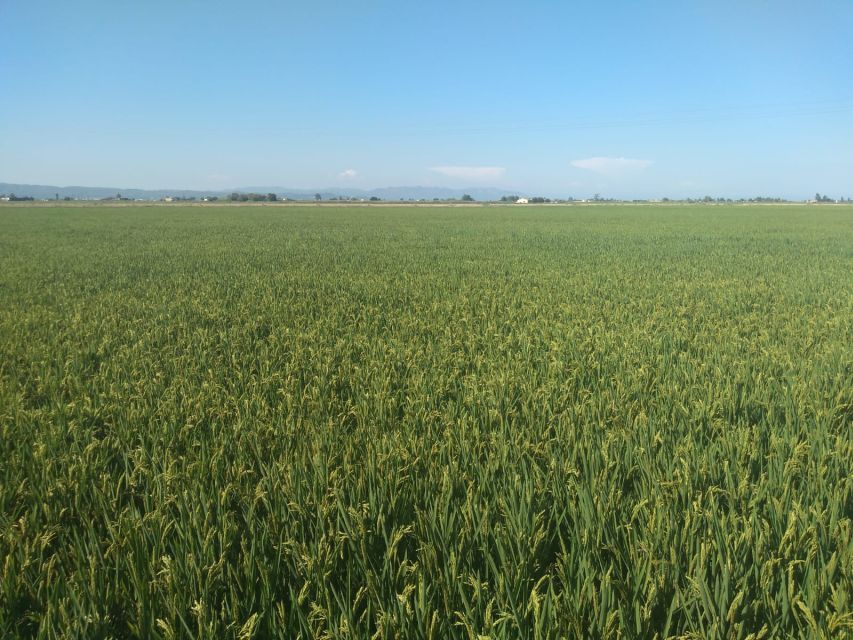
The Ebro Delta can look spare and open. There are few dramatic hills or old stone towns to frame the view. Its appeal comes from water, sky, reeds, cultivated fields, and the small movements of birds. If you prefer grand monuments, this may feel quiet. If you enjoy open spaces and wildlife, the lack of visual clutter is part of the pleasure.
The route also gives the guide room to explain the relationship between the bay, salt production, rice fields, and bird habitat. This is where local knowledge matters more than a memorized list of species. One guest found Angel’s bird identification less strong but praised his local knowledge and sense of the best places. That is a useful reminder that the tour can still work well for people who want the region explained, even if they are not expert birders themselves.
A few more birdwatching trips around the world worth a look
- Penguin Parade, & Wildlife Encounters Eco Tour from Melbourne
★ 5.0 · 3,774 reviews - Cape Town: Cape of Good Hope & Penguins Day Tour with Pickup
★ 4.7 · 3,362 reviews - Cape Point and Boulder’s Penguins Full Day Tour
★ 5.0 · 3,118 reviews - Cape of Good Hope & Boulder Penguins Full-Day Tour from Cape Town
★ 5.0 · 2,347 reviews
La Tancada Lagoon and the flamingos
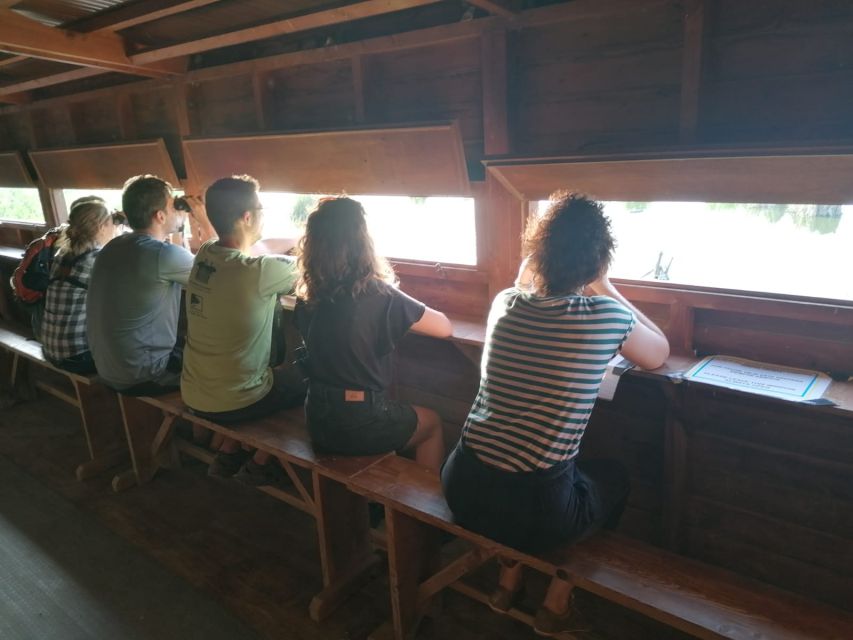
La Tancada is the tour’s headline stop. It is described as the best lagoon on this route for watching flamingos, and the possibility of seeing a large group is a strong reason to book.
Flamingos give the delta an immediate visual hook. They are easy for first-time birdwatchers to appreciate, even if you cannot name many other species. With binoculars, you can watch them at a more useful distance without crowding the birds or relying only on a camera zoom.
The experience is not limited to flamingos. La Tancada is part of a larger wetland system, so you may see other waterbirds around the lagoon. The precise sightings will depend on conditions, season, and bird movement, so you should treat the tour as a chance to observe rather than a guarantee of a fixed list.
Season matters in a broad way, though the supplied information does not promise particular species by month. A February visit, for example, is still a sensible time for wetland birdwatching, while a spring outing may bring different activity. The guide can help you make sense of what is in front of you that day.
One family with teenage birdwatchers saw more than ten species and a striking number of flamingos. That makes this outing suitable for young people who already enjoy birds, but the flamingos also give less experienced visitors an easy starting point.
El Trabucador and the salt pans
From La Tancada, you reach the thin sandbar of El Trabucador and the salt pans at the edge. This is one of the most memorable changes in scenery on the route.
A sandbar gives you a strong sense of how exposed the delta is. Water lies on both sides, and the land narrows to a thin strip. The salt pans add another working feature to the area, showing that the delta supports more than rice farming and wildlife protection.
This stop is valuable even if the birds are quiet. You see the edge of the Ebro Delta in a more coastal form, with the bay, sand, and salt production creating a setting unlike the reed-filled interior. The route is doing more than driving from one viewing point to another. It is showing you the different environments that make up the region.
Conditions can affect how comfortable this part feels. Bring comfortable shoes and clothing, as recommended. Open coastal areas can feel more exposed than the sheltered spots around a lagoon. Food and drinks are not included, so carry what you need for a short outing if you want a snack or water along the way.
The final hides at SeoBirdLife and Riet Vell
The last stop is at SeoBirdLife and Riet Vell, described as some of the best hides in the Ebro Delta. This natural reserve is supported by volunteers who help nesting species.
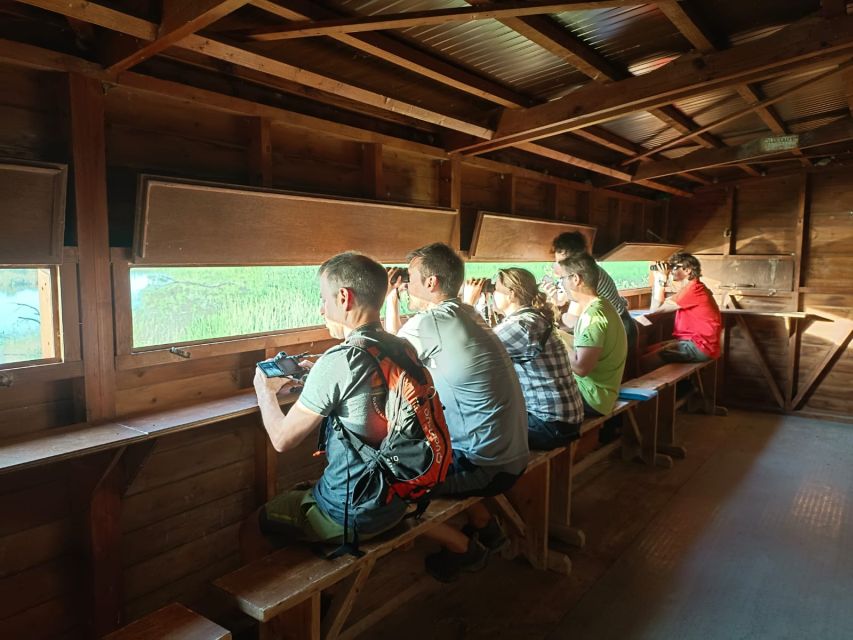
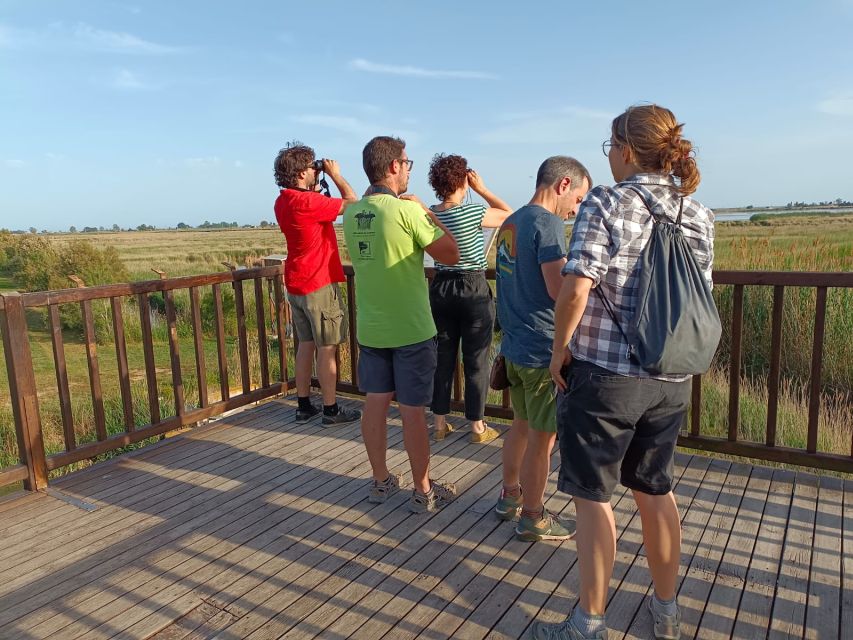
For many visitors, this is the strongest finish. Bird hides give you a better chance to pause, scan carefully, and watch without standing in the open. The setting also adds a conservation angle. You are not simply looking at birds as scenery. You are seeing a place where people work to support nesting species and protect the wetland.
The final stop may appeal most to anyone who already enjoys careful observation. You may spend more time looking through binoculars and less time moving from one attraction to the next. That slower finish balances the drive-heavy nature of the tour.
The guide’s role is especially useful here. David is praised for clearly loving the area and for explaining both the birdlife and the national park. He also shared local culture and his connection to the Delta. If your assigned guide has a similar local background, this final reserve can feel less like a quick photo stop and more like an introduction to how the area is cared for.
What the private format is worth
The price is $177 per group of up to four people, not per person. For four people, that works out to about $44.25 each. For two people, the per-person cost is higher, but you are still paying for a private car, a guide, supplied binoculars, and a route that links several distant points.
I see the strongest value for families and small groups. A family of four can share the cost while keeping the outing private. Parents also avoid the pressure of keeping children quiet in a larger group, and the guide can adjust explanations to suit both adults and younger birdwatchers.
Solo visitors and couples should compare the price with their priorities. If you mainly want a cheap ride through the delta, this may feel costly. If you want local context, help finding good viewing places, and transport between lagoons, the price is easier to justify.
The private format also saves planning time. You do not need to work out how to connect La Casa de Fusta, Encanyissada, Poble Nou, La Tancada, El Trabucador, and Riet Vell on your own. In a flat, spread-out wetland, that convenience has real value.
Guides, languages, and what to expect
The tour can be conducted in Spanish, Catalan, English, or French. You should confirm your preferred language when booking, especially if bird names and conservation details matter to you.
David is the guide most strongly associated with the best feedback. He is from the Delta, knows the area well, and combines bird information with local culture and national park context. That blend is a major strength. You are not just getting species names. You are getting a sense of how people live and work in the region.
Angel also receives positive attention for being pleasant, helpful, and well informed about local places and history. The one caution is that his birding knowledge was described as more limited. If precise identification is your main goal, it is worth asking about the guide assigned to your date.
The overall rating is five out of five from eight verified bookings, with repeated praise for clear explanations, friendly guiding, and the personalized nature of the outing. I would read that as a strong sign of dependable service, while still remembering that wildlife sightings and guide specialties can vary.
Who will enjoy this three-hour outing
This tour suits you if you want a compact introduction to the Ebro Delta without arranging a car or studying a birding map beforehand. It is especially good for:
- Families with children or teenagers who enjoy wildlife
- Couples who want a private, easy-going outing
- First-time birdwatchers who need binoculars and basic guidance
- Visitors interested in rice farming and local life as well as birds
- Anyone with only three hours to spare in the Delta
It may be less satisfying if you are a serious birder hoping to spend a full day at one hide. The duration limits how long you can wait at each place, and there is no promise of a particular species beyond the strong chance to look for flamingos.
Comfortable shoes and clothing are enough for the basic requirements. Binoculars are recommended even though a pair is included. Food, drinks, and museum tickets are not included, so plan around those omissions.
The tour is wheelchair accessible, another practical advantage for visitors who need an accessible option. Since the group is private, you can also communicate your needs directly to the provider before the outing.
Should you book the Ebro Delta birdwatching tour?
Book it if you want to see the Ebro Delta through several lenses at once: birds, rice farming, coastal salt pans, village life, and wetland conservation. The flamingos at La Tancada are the obvious lure, but the route is strongest because it also includes Encanyissada, Poble Nou, El Trabucador, and the Riet Vell hides.
I would be most comfortable recommending it to a group of three or four, where the $177 price spreads well. Couples should book if personal guiding and convenient transport matter more than finding the lowest-cost way into the delta.
Ask about the guide if bird identification is your top priority, and bring your own binoculars if you have them. Otherwise, this is a practical, focused way to meet the Delta in a short time, with enough local detail to make the wetlands feel like a living place rather than just a stop for flamingo photographs.
FAQ
Where does the tour meet?
You meet at the entrance of the Barraca Information Point at La Casa de Fusta.
How long does the birdwatching tour last?
The tour lasts three hours.
How many people can join the private tour?
The price covers one private group of up to four people.
Are binoculars provided?
Yes. Binoculars are included, though bringing your own pair is recommended if you have one.
Which languages are available?
The live guide can conduct the tour in Spanish, Catalan, English, or French.
Will the tour visit La Tancada Lagoon?
Yes. The route includes La Tancada Lagoon, which is especially suited to looking for flamingos.
What other places are included?
The route includes El Pont del Través in Encanyissada Lagoon, Poble Nou del Delta, Alfacs Bay, La Tancada Lagoon, El Trabucador sandbar, the salt pans, and the SeoBirdLife and Riet Vell natural reserve.
Is the tour wheelchair accessible?
Yes, the activity is listed as wheelchair accessible.
Are food, drinks, or museum tickets included?
No. Food, drinks, and museum tickets are not included.
Just added around the world
- Walvis Bay: Pelican Point Seal and Sandwich Harbour Tour★ 4.8 · 15 reviews
- Walvis Bay Shore Excursion: Flamingos, Dune 7, Swakopmund★ 5.0 · 3 reviews
- Victoria Falls: Private Birdwatching Safari near the town★ 5.0 · 2 reviews
- Vila Franca do Campo: Marine Life & Bird Watching & Islet Tour★ 4.4 · 9 reviews
- VIP falconry taster session★ 5.0 · 2 reviews
- Victoria Falls: Private Zambezi River Birdwatching Safari★ 4.7 · 14 reviews
- Vestmannaeyjar: Puffin, Island, and Volcano Boat Tour★ 4.4 · 7 reviews
- Ushuaia: Gable Island and Penguin Colony with Lunch★ 4.8 · 2 reviews
Spain Birdwatching Tours, compared.
Birding & Photography Day Trip to Doñana from Seville
Read our review →
Flamingo-Birdwatching in the Ebro Delta at Sunset
Read our review →
Flamingo Beach: Guided SUP and Snorkeling experience
Read our review →
Nightlife Tour – Barcelona Bar Crawl with Flamingos
Read our review →
Stand Up Paddle Boarding Lesson in Playa Flamingo
Read our review →
Trekking, wineries, birdwatching, local gastronomy, etc.
Read our review →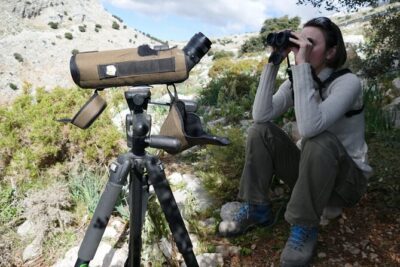
Browse the lists this tour appears in