
Review · MEXICO BIRDWATCHING TOURS
SIerra Madre Highland bird and Tuito
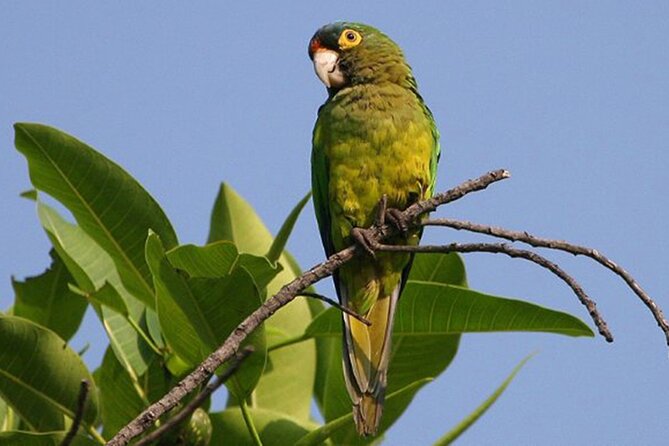
The best reason to take this Sierra Madre birding tour is simple: it gets you far beyond Puerto Vallarta’s resort strip and into the meeting point of tropical forest and mountain country. In a single morning, you might see macaws, hummingbirds, motmots, buntings, cuckoos, and more than 60 species. Guides Cynthia and Michael know where to look, and Cynthia is especially quick at identifying birds by call.
I like the maximum group size of seven, which keeps the van from becoming a rolling crowd and lets the guide stop when someone spots a bird. I also like the thoughtful extras: breakfast from a local bakery, fruit and granola bars, borrowed binoculars, a telescope, field guides, and a donation to Rancho Primavera. The main drawback is the ride. Roads can be rough, the van can feel bumpy, and the trip is not designed for long walks or hiking.
Key points to know before you book
- More than a city excursion: The route reaches El Tuito, mountain birding sites, and a Military Macaw Sanctuary.
- Small groups help: With no more than seven people, you get better access to the guide, telescope, and roadside bird stops.
- Come ready for an early start: The day begins at the Ecotours Vallarta office before dawn, with a drive of roughly 45 to 60 minutes to the first town.
- Food is part of the appeal: Breakfast includes coffee, sweet rolls, fruit, juice, bottled water, and a granola bar, followed by snacks and refreshments in El Tuito.
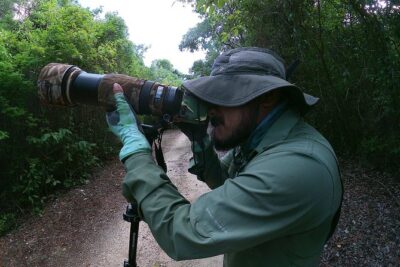
- Photography is a major strength: Bring a telephoto lens if you have one, since the tour includes close attention to bird behavior and good viewing positions.
- Expect roads, not trails: You spend most of the day riding or standing at viewing spots, with limited walking.
Why this Puerto Vallarta bird tour is different
Many Puerto Vallarta excursions keep you close to the coast. This one heads inland, where the climate and elevation shift quickly. The result is a useful mix of bird habitats, from warmer tropical areas to higher forest zones. That variety helps explain the long species list possible in one day.
I like that this is not just a drive to a single lookout. You visit several birding areas, stop in El Tuito, and spend time at the Military Macaw Sanctuary. The route gives you a better sense of the communities and countryside outside Puerto Vallarta, not just a quick photo stop.
The tour lasts about six to seven hours and uses an air-conditioned van. Since hotel pickup and drop-off are not included, you need to reach the Ecotours Vallarta office at Proa 20 in Marina Vallarta. The activity finishes at the same meeting point.
The group limit matters here. Birding is a patient activity. You may need to wait quietly, listen for a call, or let one person use the telescope before moving on. A group of up to seven makes that practical. It also gives the guide room to answer beginner questions without losing the pace of the day.
Other birding trips people book around Mexico:
- Snorkel & Explore Pelican Rock by Glass Boat + Photos
★ 5.0 · 201 reviews - Sian Ka’an & Birdwatching Tours By Eddy
★ 5.0 · 120 reviews - Birdwatching in Sian Ka´an Muyil from Tulum – Shared Group Tour
★ 5.0 · 117 reviews
Starting before dawn at Ecotours Vallarta
The early meeting time is part of the deal. The van leaves Puerto Vallarta before sunrise, with one recorded start around 6:45 a.m. That may sound severe on vacation, but early morning is useful for birding. Birds are often easier to hear and locate before the heat builds.
Breakfast helps make the early start manageable. The package includes coffee, sweet rolls, fruit, juice, bottled water, and a granola bar. The pastries may come from a small bakery in the first town, where bread is prepared in large clay ovens. That detail gives the morning a local feel instead of making breakfast feel like a generic bus-tour stop.
You meet your guide at the office, receive the basic orientation, and can borrow binoculars if you did not bring your own. A telescope, checklist, and field guides are also available. If you have serious camera equipment, this is the time to organize it before the van leaves.
I would bring a hat, sunscreen, comfortable shoes, and a telephoto lens if you own one. You do not need professional gear to enjoy the tour, but the guide’s quick spotting can make a camera very useful.
El Tuito and the first birding stops
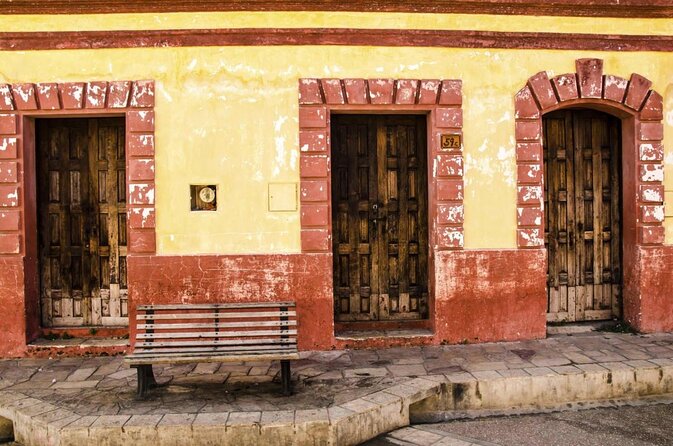
El Tuito has cobblestone streets, traditional buildings, and the feel of an older Mexican town. It is also one of the best birding areas near Puerto Vallarta because of its position in the Sierra Madre foothills.
The route may reach a small town first, then continue about 15 minutes to an early birding site. These stops are not obvious tourist attractions. That is part of their value. You would probably not find them on your own, and the guide can tell you where to stand, what calls to listen for, and how to scan the trees.
The first stop may produce species such as Masked Tityra or Black-headed Siskin. Those names will mean more once you see them in context, so the checklist and field guide are useful. You are not simply being handed a list at the end. The guide explains what you are seeing as the morning develops.
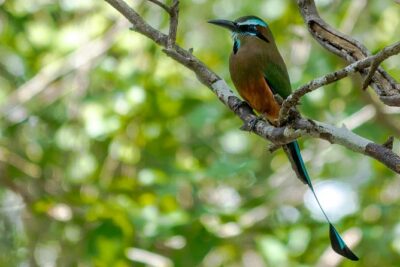
Keep watching from the van, too. Birding does not always happen at a formal stop. Cynthia has been willing to pull over when she or someone in the group notices a bird along the road. A surprise roadside stop can produce a memorable sighting, such as a Russet-crowned Motmot.
The tradeoff is comfort. Roads can be uneven, and the ride is described as quite bumpy. If you have had motion sickness before, taking your usual preventive medicine may be sensible. The rough ride is not a fault of the guide, but it is part of the practical reality of reaching these rural birding areas.
The Military Macaw Sanctuary
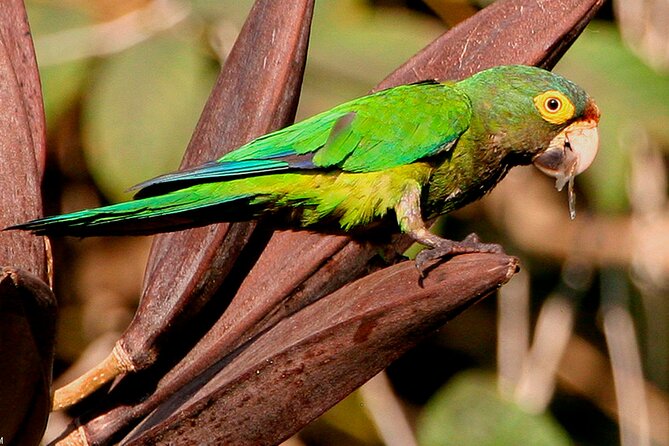
The Military Macaw Sanctuary is the central wildlife stop. Here you can see macaws and other birds being rehabilitated, along with wild species in the surrounding area. The sanctuary also supports conservation work, and the tour includes a donation to Rancho Primavera on behalf of the group.
This stop is valuable because it connects birdwatching with habitat protection. You see birds in care, then continue looking for wild birds nearby. That gives you a more complete picture than a simple viewing enclosure would.
The sanctuary covers more than one viewing area, and you travel between spots by van. You do not need to prepare for a long hike. There are washrooms here, which is useful because this stop often comes two or three hours into the day.
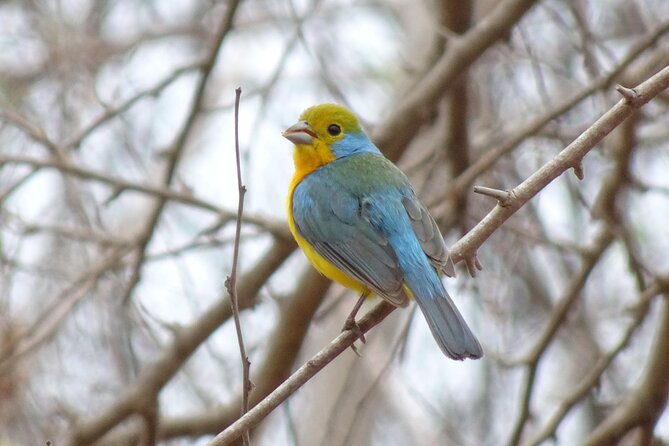
The list of possible sightings is impressive. You might see a Russet-crowned Motmot, Squirrel Cuckoo, Painted Buntings, White-faced Ibis, Sora, Indigo Buntings, Blue Grosbeaks, or Groove-billed Ani. Hummingbirds may include Cinnamon, Calliope, and Plain-capped Starthroat species.
Of course, bird sightings are never guaranteed. Weather, season, noise, and luck all matter. The strength of this tour is not a promise of one particular bird. It is the guide’s ability to work several sites and respond quickly when something appears.
Cynthia receives especially strong praise for her field skills. Her voice recognition is quick, and she can identify a bird by sound, then locate it for the group. That is a major advantage for a beginner. You may not know what you heard, but you can learn by following her process.
Same place, a different morning in the field:
- Rio Lagartos and Las Coloradas: Safari Flamingo Luxury
★ 4.9 · 90 reviews - Private Ría Lagartos Boat Tour: Flamingos & Crocodiles
★ 4.9 · 84 reviews - Desembocada and Ameca River Bird Paradise (Wetland and Tropical birds in PV)
★ 5.0 · 83 reviews - Birdwatching Cancun
★ 5.0 · 80 reviews
A relaxed break in El Tuito
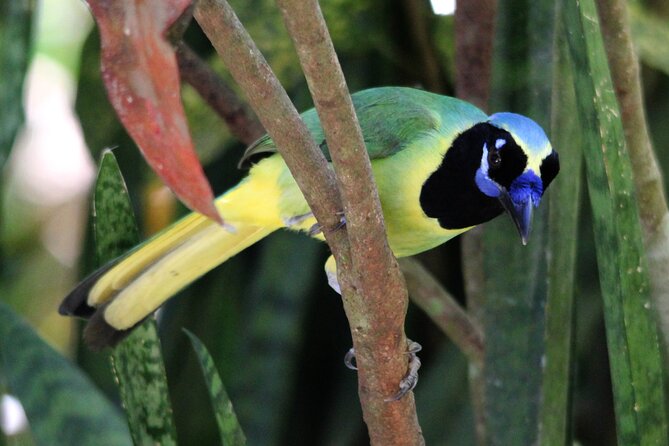
After the sanctuary, the group returns to El Tuito for snacks and refreshments at a local restaurant. The basic food and drinks are included. Larger plates and additional drinks are available at your own expense.
I like this break because it gives the day a human rhythm. You are not standing at a viewing point for six straight hours. You get a place to sit, use the washroom, and compare notes with the guide and other birders.
The group also reviews the bird list here. That may sound minor, but it is useful. With dozens of species, it is easy to forget what you saw at the first stop. Going through the list helps separate a definite sighting from a possible one and gives you a chance to ask about birds you missed.
El Tuito is not presented as a long cultural tour, so do not book this expecting a detailed historical walk through town. The stop is short and practical, with time for food, refreshments, and bird-list review. Still, it offers a welcome look at a traditional Mexican town outside the main resort area.
The guide makes the difference
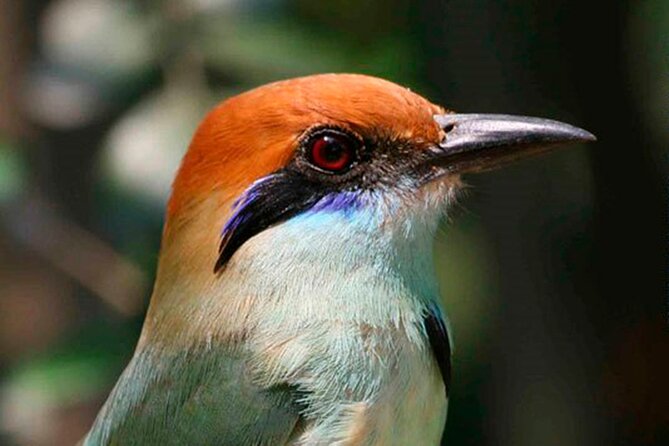
Birding tours rise or fall on the guide. Here, Cynthia and Michael are named guides associated with the experience, and both bring strong bird identification skills. Cynthia’s fast ear for bird calls is particularly useful when a species is hidden in thick vegetation.
A good guide also manages different skill levels. You may share the van with experienced birders carrying impressive camera equipment, but you do not need that level of experience to participate. The guide provides field guides, a checklist, binoculars, and a telescope, while other members of the small group may also help point out what they see.
That mix can work well for a beginner. You learn from the guide and from the people around you, without the crowding found on a large vehicle. If you are already an experienced birder, the range of habitats and local guide skill gives you a good chance to add new species to your list.
The photography opportunities are strong, but this is not a staged photo session. Birds move, hide, and appear briefly. Bring the longest lens you have, but also be ready to enjoy the sighting without a camera. A checklist can be just as satisfying as a photograph.
What the ride and walking are really like
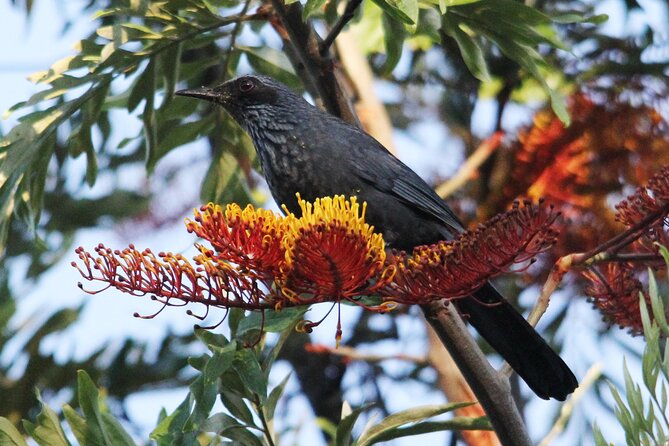
This is a vehicle-based birding day. You drive between the main sites, including different areas within the sanctuary. At stops, you spend time standing and looking rather than walking long distances.
That makes the tour suitable for many people who do not want a strenuous outing. It is not suitable for anyone expecting a forest hike. The tour is also not recommended for people with knee problems, and the bumpy ride may be uncomfortable for anyone sensitive to rough roads.
You should plan for a full half-day with limited personal space in the van. Air conditioning helps, but the roads remain rough in places. The drive back to Puerto Vallarta can take 60 to 90 minutes and may include traffic.
The practical upside is that you cover more ground than you could on foot. You can reach several birding habitats in one morning and still return to the original meeting point. The practical downside is that the road itself becomes part of the experience.
Food, equipment, and overall value
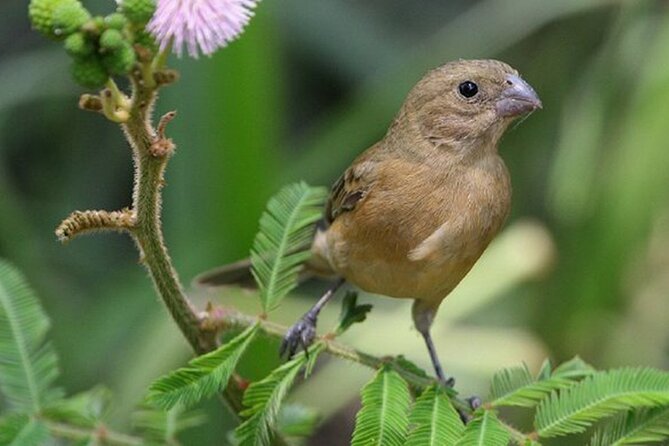
The tour includes more than transportation and guiding. You receive breakfast, snacks, refreshments, bottled water, field materials, access to binoculars and a telescope, travel insurance, and a conservation donation. That package matters because birding gear and food can add up on a long day.
A price is not provided here, so I cannot judge the exact cost against competing tours. I can say what you are paying for: a very small group, local guiding, access to multiple sites, equipment for people who need it, and a route that would be hard to arrange independently in one morning.
The conservation donation is another useful part of the value. It gives the trip a direct connection to Rancho Primavera and the macaw sanctuary rather than treating wildlife as a backdrop for sightseeing.
The food is generous enough to keep the early start comfortable, but do not confuse the included restaurant stop with a full lunch. Larger plates and extra drinks cost extra. If you tend to get hungry after several hours outdoors, bring any additional food you need.
Who should book this tour
I would choose this tour if you want birds first and sightseeing second. You do not need to be an expert. Beginners can follow the guide’s explanations, borrow binoculars, and learn how to recognize birds by shape and sound.
It is also a good fit for photographers, especially anyone carrying a telephoto lens. The small group and guide’s willingness to stop when a bird appears can make a real difference.
This is less suitable if you want a relaxed late-morning start, a smooth scenic drive, or a serious hike. The van is bumpy, the start is early, and much of the day involves standing at roadside or sanctuary viewing points.
The tour accepts children when accompanied by an adult, and most people can participate. Anyone with knee problems should think carefully before booking. The group is capped at seven, which is one of the strongest reasons to choose this outing over a larger birdwatching vehicle.
Should you book the Sierra Madre birding tour?
Book it if you want a serious birding day with a local guide, small group, varied habitats, and a good chance of seeing species far outside Puerto Vallarta. The macaw sanctuary, El Tuito, breakfast from a local bakery, and included optics give the trip more substance than a simple nature drive.
Skip it if your idea of a perfect day means easy roads, lots of walking, or a leisurely start. The journey is rough in spots, and bird sightings depend on nature rather than a fixed schedule.
For the right person, this is one of the better ways to use a morning in Puerto Vallarta. Bring patience, a camera or borrowed binoculars, and a willingness to listen. The birds may be high in the trees, but the guide gives you a much better chance of finding them.
FAQ
Where does the tour begin?
It begins at Ecotours Vallarta, at Dive ShopProa 20 in Marina Vallarta, Puerto Vallarta, Jalisco. The activity ends back at the same meeting point.
How long does the tour last?
The tour lasts approximately six to seven hours.
Is hotel pickup and drop-off included?
No. Hotel pickup and drop-off are not included. You must make your own way to the Ecotours Vallarta meeting point.
How many people can join the tour?
The group has a maximum of seven travelers.
What food and drinks are included?
Breakfast includes coffee, sweet rolls, fruit, juice, bottled water, and a granola bar. Snacks and refreshments are also provided at a local restaurant in El Tuito.
Are binoculars and a telescope provided?
Yes. Binoculars are available to borrow, and the tour includes access to a telescope, checklist, and field guides.
Is much walking required?
No. There is limited walking. You mainly ride between locations and stand at birding spots. The tour is not designed as a hiking excursion.
Is the tour suitable for children?
Children must be accompanied by an adult.
Can I cancel for a full refund?
Yes. You can cancel at least 24 hours before the start time for a full refund. Poor weather or failure to meet the minimum number of participants may result in a different date or a full refund.
Just added around Mexico
- Tulum: Pink Lake, Rio Lagartos, Crocodile Flamingo Adventure★ 4.5 · 2 reviews
- Birdwatching Sian Ka’an Biosphere Reserve★ 5.0 · 9 reviews
- Small-Group Birdwatching Sian Kaan with professional guide★ 5.0 · 3 reviews
- Private Birdwatching Tour in Sian Ka’an Muyil★ 5.0 · 12 reviews
- Birding for beginners★ 5.0 · 2 reviews
- Snorkeling at Pelicans Rock★ 4.5 · 11 reviews
- Cabo birding | Bird watching at bird sanctuary★ 5.0 · 2 reviews
- Flamingos Tour in Rio Lagartos Yucatan 2 hours★ 5.0 · 4 reviews
Mexico Birdwatching Tours, compared.
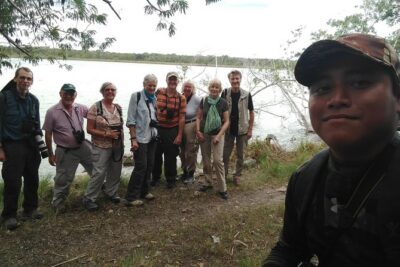
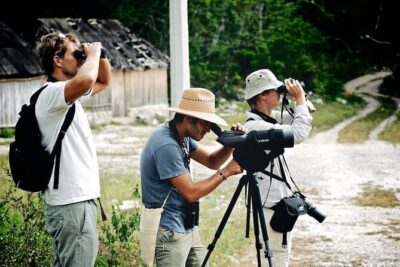
Birdwatching in Sian Ka´an Muyil from Tulum – Shared Group Tour
Read our review →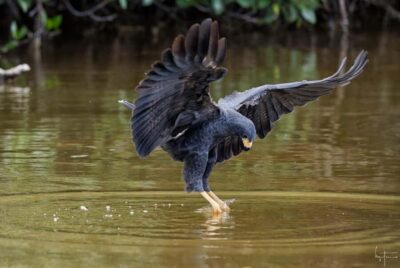
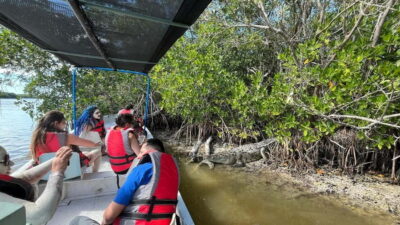
Private Ría Lagartos Boat Tour: Flamingos & Crocodiles
Read our review →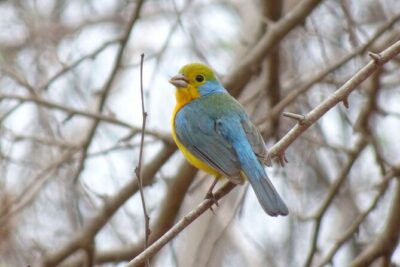
Desembocada and Ameca River Bird Paradise (Wetland and Tropical birds in PV)
Read our review →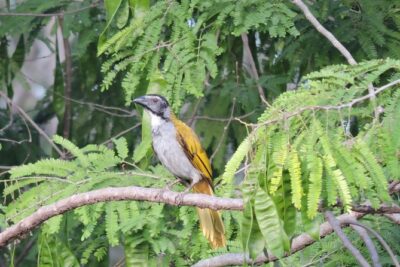
Browse the lists this tour appears in