
Review · REYKJAVIK BIRDWATCHING TOURS
Reykjavik: Puffin Watching Tour
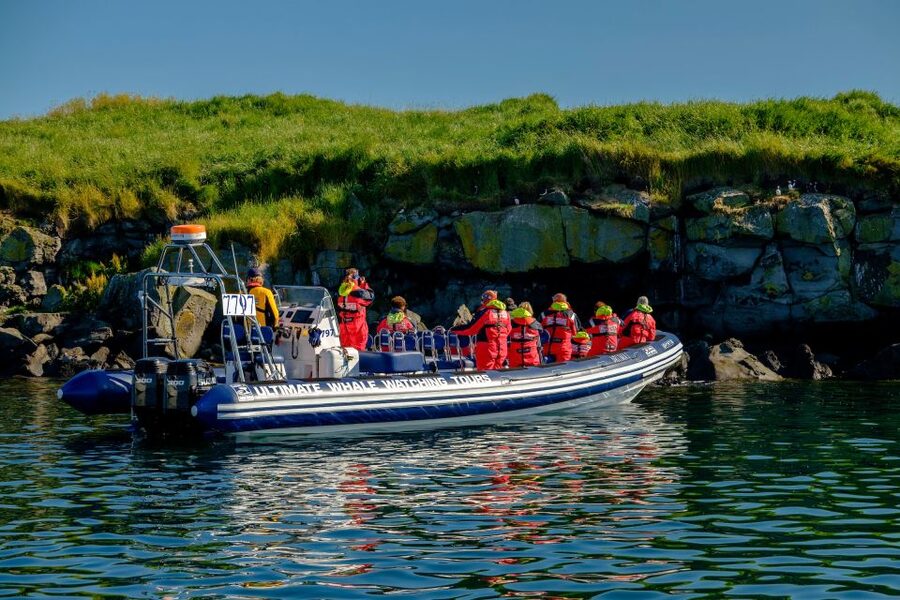
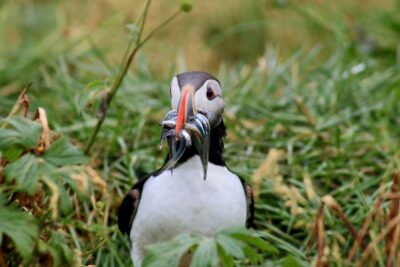
Faxaflói Bay turns a short boat trip into a close look at Iceland’s most lovable seabird. The RIB boat gets near the rocky islands and cliffs, letting you watch puffins sitting on the water, carrying fish, flying past the boat, and gathering around their nesting grounds.
I like the one-hour length, which fits neatly into a busy Reykjavik day, and I like the lively ride out from the Old Harbour. Guides such as Anna, Maria, Mikel, and Megan have been praised for clear bird facts and friendly care. The main catch is the rough ride: the RIB can slap hard against the waves, so it may not suit anyone with back trouble or a low tolerance for bumpy seas.
Key points to know before you book
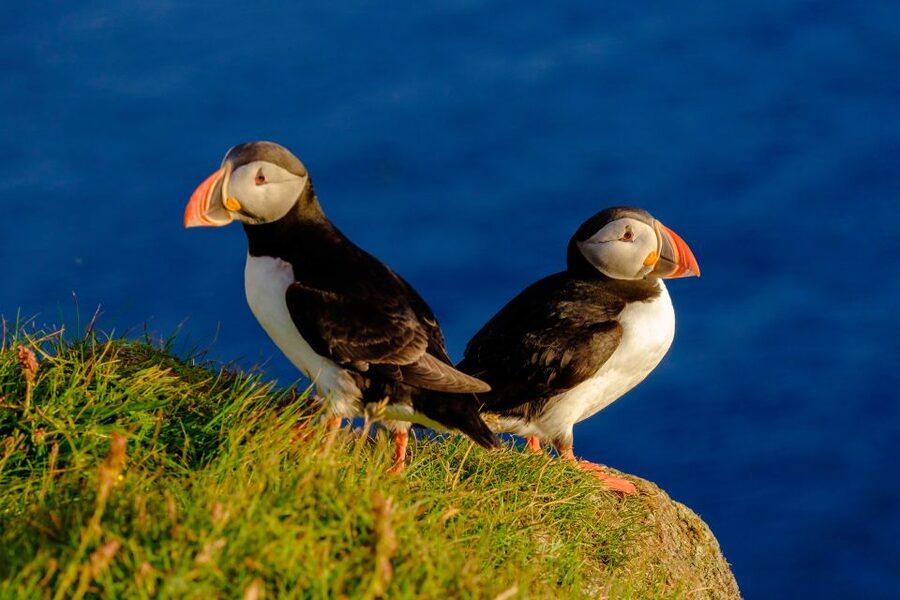
- Puffins in their natural setting: Watch them around the islands where they nest from May through August.
- A fast, open-air RIB ride: The trip across Faxaflói Bay is part wildlife outing, part short sea adventure.
- Close viewing from a small boat: The RIB can approach the rocks more closely than a larger sightseeing vessel, though the captain must keep a respectful distance.
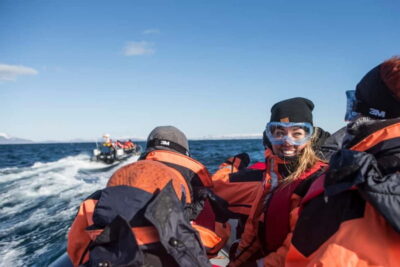
- Warm gear is supplied: Coveralls and safety equipment help protect you from cold wind, spray, and rain.
- More than puffins: Keep watch for gannets, auks, fulmars, Arctic terns, seals, porpoises, and the occasional whale.
- A compact Reykjavik activity: The tour leaves from the Old Harbour and lasts about an hour, making it easy to pair with other city plans.
Why this puffin trip works so well in Reykjavik
Puffins are a big reason many people hope to see Iceland’s coast, but finding them on your own is not always easy. Along the south coast, you might spot a few birds from a cliff, or miss them entirely because of weather, timing, or distance. This trip removes much of that guesswork by taking you from central Reykjavik straight to the islands in Faxaflói Bay.
The attraction is not just the birds. You also get a quick, energetic boat ride across the bay, views back toward Reykjavik, and a chance to see a working piece of Iceland’s coastal world. It is a good choice when you want wildlife without committing half a day to a larger excursion.
At $101 per person, this is not a cheap hour on the water. Iceland rarely offers bargain-priced activities, and the cost reflects the boat, captain, guide, safety gear, and small-group style of viewing. I think the price is fair if seeing puffins is one of your Iceland priorities. If puffins are merely a nice extra, you may prefer to spend the money on a longer whale-watching trip or another major excursion.
More Puffin Tours in Iceland
- Reykjavik: Puffin Watching Boat Tour
★ 4.6 · 1,052 reviews - Puffin Cruise with Expert Tour Guide from Reykjavik
★ 4.5 · 636 reviews - Reykjavik: Whales and Puffins Express Cruise Combo Tour
★ 4.4 · 552 reviews
Meeting the crew at Reykjavik Old Harbour
You make your own way to the Whale Safari office in Reykjavik’s Old Harbour. This is convenient if you are staying in the central area, and the meeting point is straightforward to find within the harbor district. Hotel pickup and drop-off are not included, so leave time to walk or arrange your own ride.
Before boarding, staff provide a short safety briefing and help you put on the supplied coveralls and flotation equipment. The coveralls matter more than they might sound on paper. The ride is exposed to wind and spray, and several people found the suits useful even in damp weather. They also have pockets, which are handy for keeping a phone or glasses secure.
Wear warm layers underneath, closed-toe shoes, and something comfortable. Do not bring luggage or a large bag. You need both hands free for the grab rails, and loose belongings can become a problem on a moving boat.
The tour is not suitable for children under 10, pregnant women, people with back problems, people with mobility impairments, or anyone shorter than 145 centimeters. Those restrictions are important. The boat is small, the ride can be forceful, and getting on or off requires a reasonable level of mobility.
The RIB ride across Faxaflói Bay
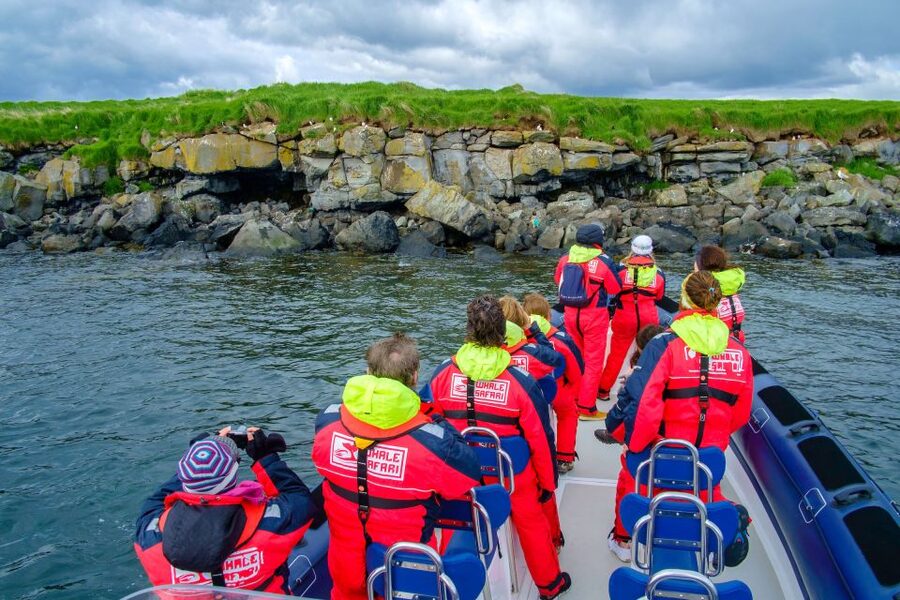
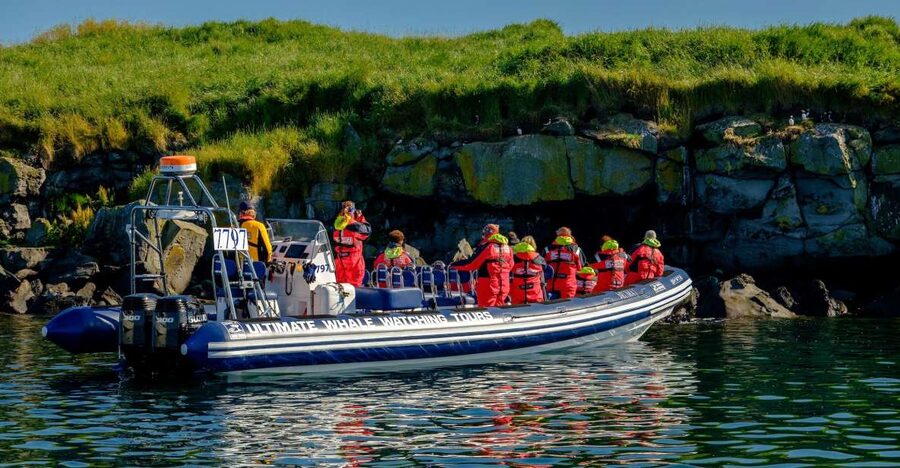
Once everyone is dressed and seated, the captain points the RIB toward the bay. The boat is an inflatable rigid-hulled craft, built to cover water quickly and approach narrow areas around the islands. It is much more active than a large, steady sightseeing boat.
That speed is part of the appeal. You feel the boat skim across the water, and the trip to the colonies becomes an enjoyable ride rather than a slow transfer. The open design also gives you a clear view in every direction. You can look toward the horizon, back at Reykjavik, or scan the water for birds and marine life.
The same design creates the main drawback. In choppy conditions, the boat can pound onto the tops of the waves. One older passenger found the ride uncomfortable and offered a useful tip: keep both feet planted, hold the handles, and slightly lift yourself from the seat when the boat hits hard. Store your phone in a secure coverall pocket until you reach the viewing area.
The crew explains how to sit and hold on, and safety equipment is provided. Still, you should be honest about your comfort with a bumpy ride before booking. This is not a gentle harbor cruise.
Reaching the puffin islands and cliffs
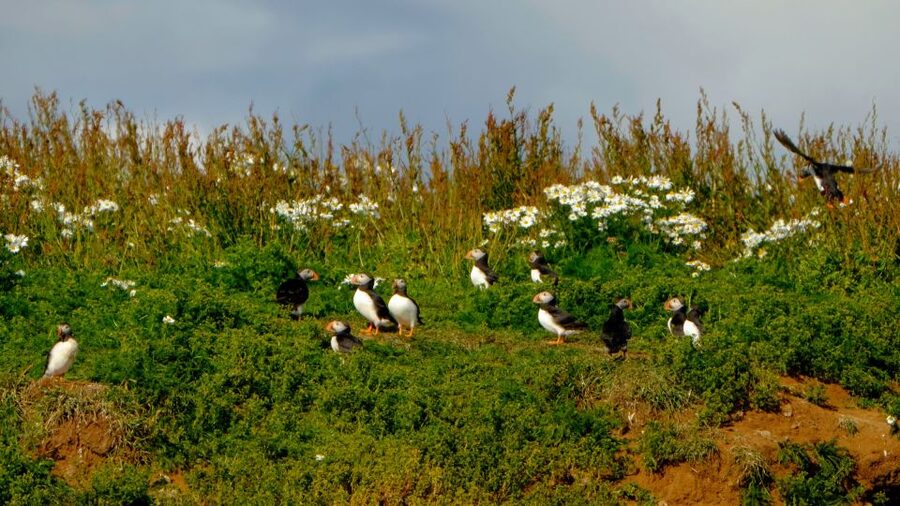
The exact pattern of the outing can vary with conditions, but the boat heads toward the rocky islands and sea cliffs where puffins gather during the nesting season. The islands are the heart of the trip. Here, the birds may sit in dense groups on the rocks, float on the sea, fly low over the water, or disappear into burrows.
Past outings have included views around two islands, with Lundey among the locations associated with the puffin colony. The captain positions the boat so people on board can see the birds from different angles. Because the RIB is compact, it can approach inlets and cliff edges that would be harder to reach with a larger vessel.
Do not expect the boat to pull right up to every bird. Puffins are wild animals, and they move when a boat gets too close. One important piece of practical advice is to keep your expectations realistic: you may get close enough for excellent views, but not always within a few feet. On one trip, the boat stayed hundreds of feet from shore, which made photographs harder.
That variation can be caused by sea conditions, bird behavior, or the captain’s decision to respect the colony. A good wildlife trip is not measured only by physical distance. The crew should give the birds space, and you should value watching natural behavior over forcing a close approach.
More Puffin Tours in Reykjavik
- Reykjavik: 1-Hour Puffin Watching Tour
★ 4.5 · 305 reviews - Reykjavik: Whale and Puffin Watching RIB Boat Tour
★ 4.7 · 293 reviews - Classic Puffin Watching Cruise from Downtown Reykjavík
★ 4.5 · 276 reviews - Premium Small-Group Puffin & Bird Watching tour from Reykjavík
★ 5.0 · 124 reviews
Watching puffins feed, fly, and gather
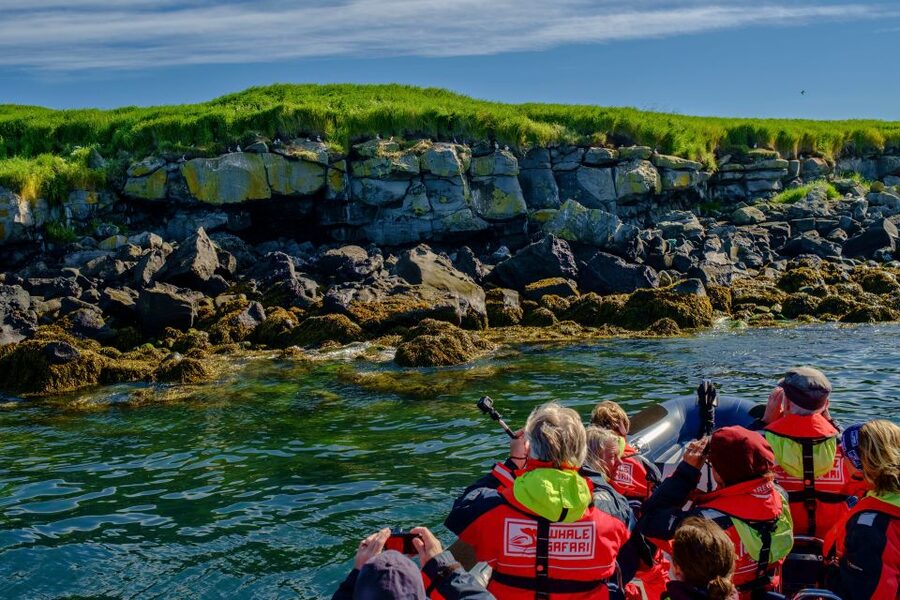
Puffins are entertaining birds to watch because they are active in several different ways. You may see them floating in small groups, lifting off with quick wingbeats, or returning toward the cliffs with fish in their bills. They can look a little awkward in flight, then remarkably graceful once they hit the water.
Your guide explains their habits, diet, nesting behavior, and the way they use the cliffs and burrows. Guides including Anna, Maria, Mikel, and Megan have been praised for making the commentary both informative and easy to follow. The best guides do not bury you in facts. They point out what is happening in front of you, then explain why it matters.
The boat may pause near the colony while you watch the birds from the water. On good outings, people have seen hundreds or even what felt like thousands of puffins spread across the cliffs, sea, and air. That number is never guaranteed, but the nesting season gives you the strongest chance.
The normal puffin season here runs from May through August. Early-season trips can still produce excellent sightings, as shown by outings in April and May, but the colony can be thinner near the end of the season. A late-August or early-September departure may offer fewer birds, so check the operating dates and seasonal timing carefully before you commit.
Other birds and possible marine life
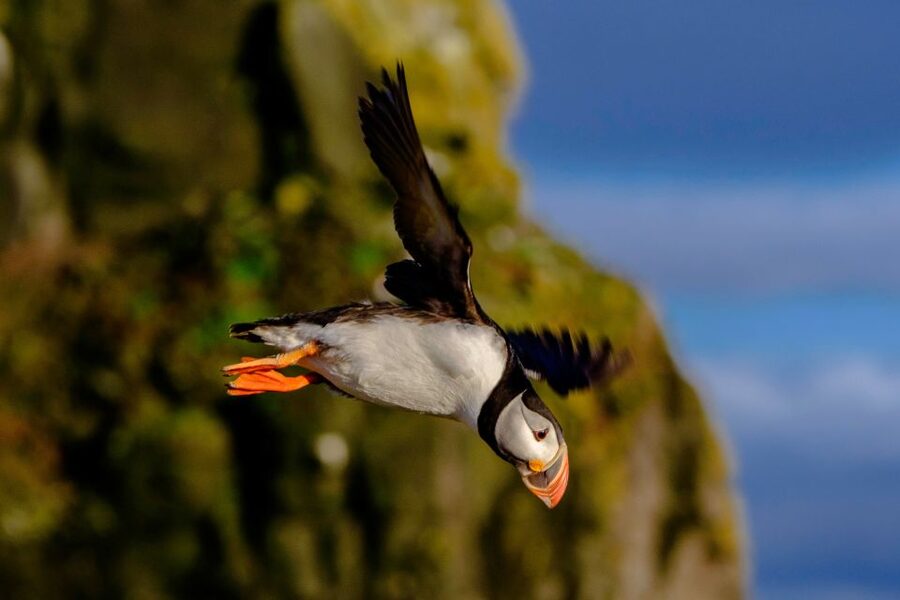
Puffins are the star, but you should keep your eyes moving. The bay also attracts gannets, auks, fulmars, and Arctic terns. These birds add variety to the trip and give you something to watch while the captain moves between viewing spots.
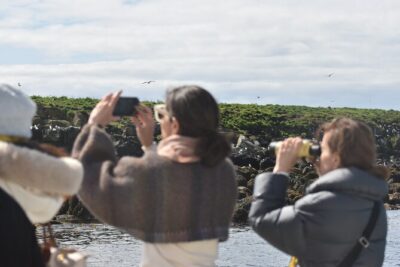
Gannets are large, bright seabirds with strong flight patterns. Auks share some of the puffin’s compact shape, while Arctic terns bring fast, sharp movement close to the water. You may not identify every bird from a phone photograph, but binoculars are supplied to help you see activity on the cliffs.
The outing can also produce a few unexpected sightings. Past trips have included seals, a harbor porpoise, and humpback whales. These animals are extras, not promises, so book the tour for puffins rather than expecting a whale-watching trip. Still, it pays to scan beyond the colony. A blow on the horizon or a seal resting on a rock can make the short cruise even better.
Photography from a moving RIB
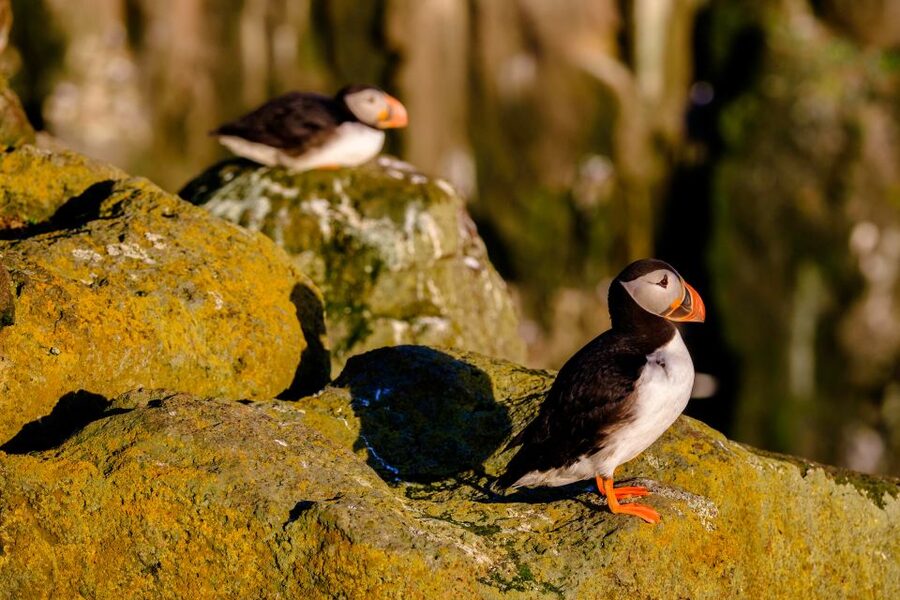
Photography is possible, but you need to plan for motion. A phone can capture the broad scene and close birds, but getting a sharp puffin image while the boat rises and falls takes luck and good timing. The small boat helps by bringing you closer than a larger vessel, but it does not turn a wild bird into a stationary subject.
Use the coverall pockets to protect your phone while the boat is moving. Take it out once the captain slows near the colony, and keep one hand available for stability. If you have a long lens, you may get better results, though the boat’s motion still matters.
Some trips have included photographs taken by the guide with a zoom lens and sent afterward at no extra charge. That has been a welcome service, but it should not be treated as guaranteed on every departure. One outing had no crew camera, and another had only a small number of binoculars available.
The supplied binoculars are useful for watching birds on the cliffs. If many people want them at once, you may need to share. Bring your own pair if birdwatching matters to you, but do not bring a large case or bulky bag.
Comfort, safety, and the small-group feel
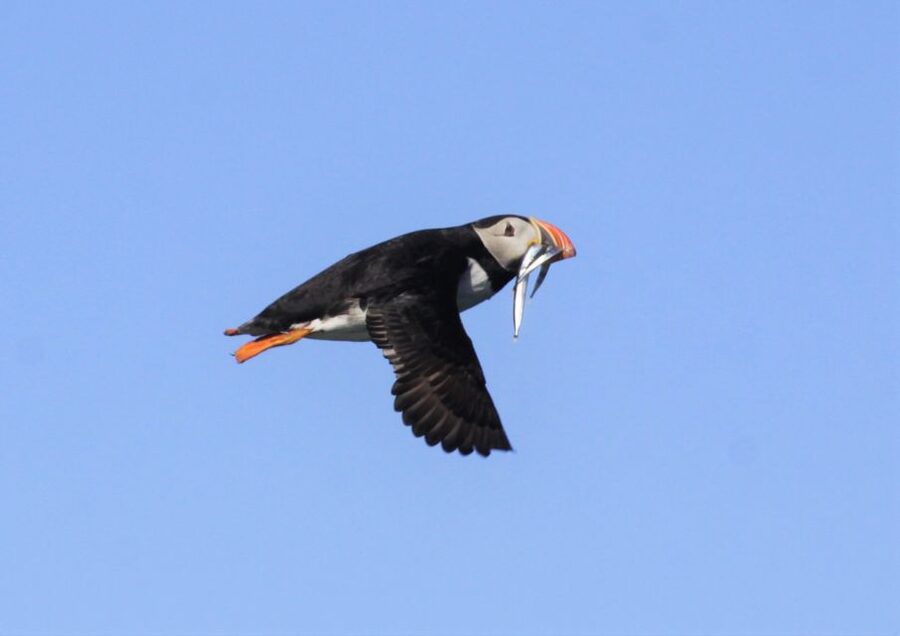
The RIB offers a more personal viewing setup than a large boat. People have described the group as relatively small, and the design means you are not stuck behind several rows of passengers. The captain can adjust position so the group gets views of the colony from the side and front.
You still need to be ready for a physical outing. The ride can be loud, windy, and wet around the edges, even with the coveralls. The suits help keep you warm and dry, but wear proper layers underneath rather than relying on them as your only insulation.
The crew’s role is especially important here. Captains have been praised for steady boat handling, while guides have helped with suits, safety equipment, and seating. The briefing is short, but listen closely. Knowing where to hold and how to sit makes the ride more comfortable.
If you are prone to seasickness, the fast pace may help in some conditions because the boat keeps moving, but there is no guarantee. The repeated impact on the waves can bother some people more than a slower boat would. Anyone with back or mobility concerns should choose a different way to see Iceland’s wildlife.
How the one-hour timing fits your day
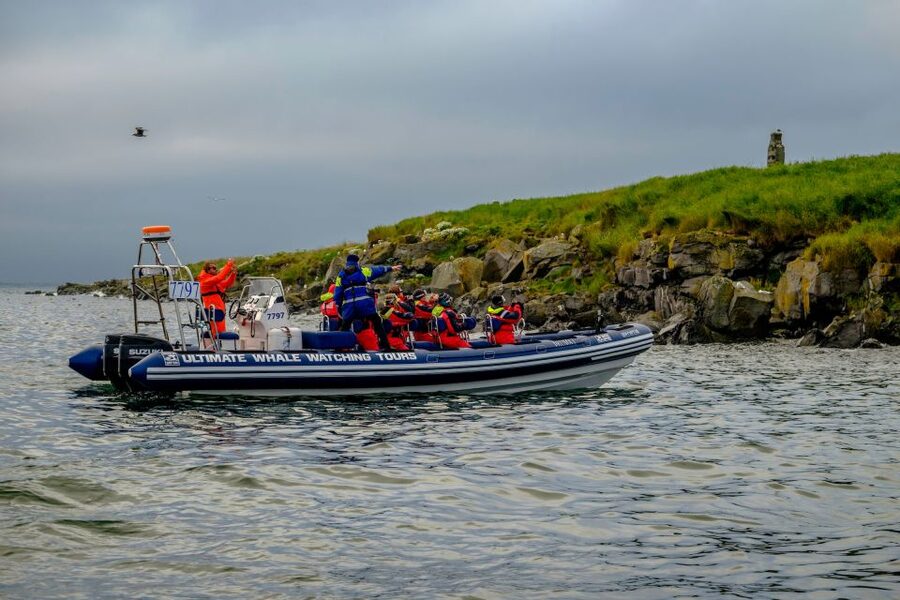
One hour is enough for the basic experience: harbor departure, ride across the bay, time near the islands, bird viewing, and return. You do not spend an entire morning waiting for the wildlife to appear. That makes this a smart add-on before lunch, after a city walk, or during a short Reykjavik stay.
The short length is also a limitation. You may wish for more time if the colony is especially busy or if the boat reaches an area with other wildlife. A longer wildlife cruise gives you more flexibility, while this trip keeps the experience brisk and focused.
I like the one-hour format for families with older children, first-time visitors, and anyone building a packed Iceland schedule. It gives you a real taste of the coast without taking over your day. Just remember that the activity itself may last about an hour, but you also need time to reach the harbor, suit up, and return to your plans.
Who should book this puffin excursion
Book it if you want a close look at puffins without leaving Reykjavik for a full-day trip. It suits confident boat passengers, bird lovers, photographers who can handle moving subjects, and visitors who enjoy a little speed with their wildlife.
It is especially useful if you have already tried to see puffins elsewhere and had poor luck. The boat reaches known island colonies, and the crew can explain where to look and what you are seeing. For many people, the chance to watch birds swimming, flying, feeding, and resting in the same outing makes the cost worthwhile.
Think twice if your main goal is a calm ride or perfect close-up photographs. The RIB can be rough, the birds may remain farther away than expected, and nature does not follow a fixed script. The supplied binoculars and possible crew photographs help, but neither removes the uncertainty.
The tour runs in English, with an expert wildlife guide and professional captain. Free cancellation is available up to 24 hours before departure, and you can reserve now and pay later, which helps if your Iceland schedule is still shifting.
Should you book the Reykjavik puffin RIB tour?
I would book this tour if puffins are high on your Iceland list and you are comfortable with a fast, bumpy boat. The strongest reasons are the convenient Old Harbour departure, the chance to reach the birds’ island habitat, the short time commitment, and the friendly, fact-filled guiding.
At $101, it is a splurge for one hour. Yet the experience offers more than a simple harbor ride: you get warm gear, safety equipment, binoculars, a skilled captain, and a direct route to one of Iceland’s best-known seabirds. Go during the May to August nesting period, secure your phone in a pocket, and expect wildlife rather than a staged photo opportunity.
FAQ
Where does the puffin tour leave from?
Meet at the Whale Safari office in Reykjavik’s Old Harbour. Hotel pickup and drop-off are not included, so you make your own way to the meeting point.
How long does the activity last?
The boat trip lasts one hour. Starting times vary, so check availability for the date you want.
What birds might I see besides puffins?
You may see gannets, auks, fulmars, and Arctic terns. Some outings have also included seals, harbor porpoises, and humpback whales, though these sightings are not guaranteed.
What should I wear?
Wear warm, comfortable clothing and closed-toe or sports shoes. Coveralls and necessary safety equipment are provided, and the coveralls help protect you from wind and rain.
Who cannot take this tour?
The activity is not suitable for children under 10, pregnant women, people with back problems, people with mobility impairments, or people under 145 centimeters tall.
Can I cancel or pay later?
You can cancel up to 24 hours before departure for a full refund. The activity also offers a reserve-now, pay-later option.
Just added around Reykjavik
- Puffin Watching Speedboat Express★ 5.0 · 7 reviews
- Puffin Jet ski tour in Reykjavík★ 5.0 · 43 reviews
- Puffin Express by RIB Speedboat from Reykjavík★ 4.0 · 2 reviews
- Puffin Travel choice – We decide where to go. Do it like locals★ 5.0 · 15 reviews
- Golden Circle – Puffin Travel Private tour★ 5.0 · 26 reviews
- Reykjavík: RIB Speed-Boat Puffin Watching Tour★ 4.5 · 22 reviews
- Reykjavik: Whale Watching and Puffin Excursion★ 4.8 · 35 reviews
- Reykjavik: Premium Whale and Puffin Watching Evening Tour★ 4.9 · 28 reviews
Reykjavik Birdwatching Tours, compared.
Puffin Cruise with Expert Tour Guide from Reykjavik
Read our review →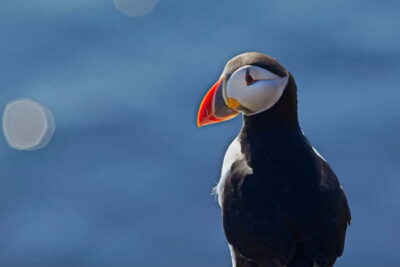
Classic Puffin Watching Cruise from Downtown Reykjavík
Read our review →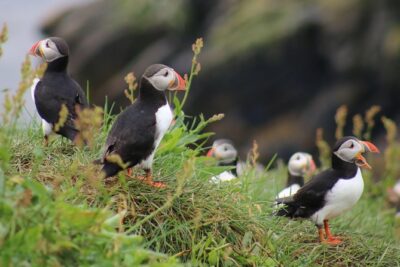
Premium Small-Group Puffin & Bird Watching tour from Reykjavík
Read our review →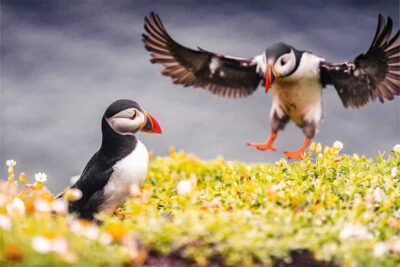
Browse the lists this tour appears in