
Review · PUNTA ARENAS BIRDWATCHING TOURS
Punta Arenas: Full Day Tierra del Fuego & King Penguins
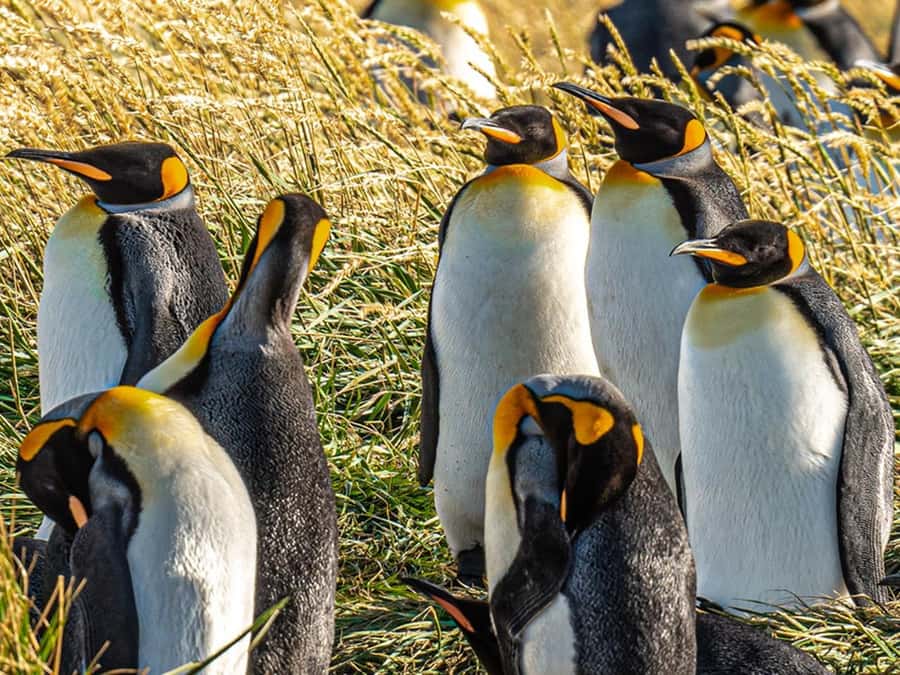
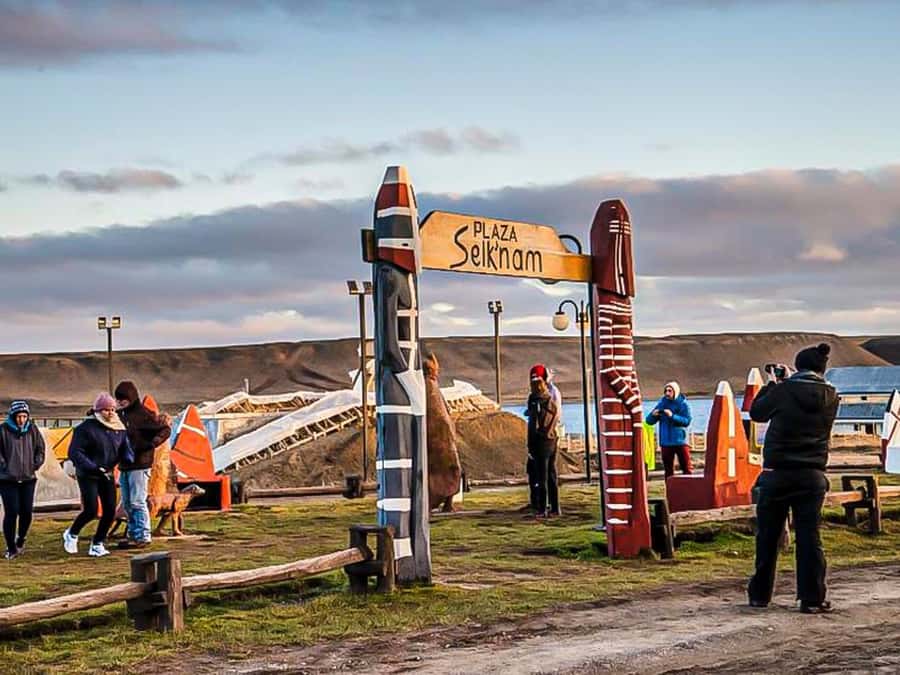
Seeing King Penguins in the wild is the heart of this 15-hour Tierra del Fuego trip. You cross the Strait of Magellan, reach the island’s remote northern plains, and visit the only King Penguin colony in South America. I like the ferry ride itself, where dolphins or whales may appear, and I like the guides’ strong storytelling about the Selk’nam people, ranching, and Patagonia. The catch is simple: you spend roughly seven hours in a minibus, and the penguins may be quite far away.
I also like that the tour gives you more than a quick wildlife stop. You see Porvenir, Cerro Sombrero, open steppe, cattle country, and the old Estancia San Gregorio. Guides including Christian, Alvaro, Katherine, and Irma have been praised for making the long drive useful. Bring cash for food, dress for fierce wind, and do not book this expecting a short penguin outing.
Key points to know before booking
- The King Penguin reserve is the main event: You get about one hour at the viewing area, and the birds may be close or 50 meters away.
- The ferry crossing takes about two hours: It is a scenic part of the trip, but rough weather can cause delays and a bumpy ride.
- This is a long road day: The island is remote, so expect extended stretches in a minibus with limited stops.
- Porvenir adds local character: The town was founded in 1894 to support cattle ranches and offers a chance for food and a museum visit.
- Wildlife is not limited to penguins: You may spot guanacos, llamas, dolphins, or whales, depending on conditions and luck.
- The price is competitive for the access provided: At $110 per person, transport, ferry tickets, pickup, drop-off, and a guide are included, but meals and entrance fees are extra.
Why the King Penguins are worth the long day
King Penguins are the reason to make this trip. Tierra del Fuego has South America’s only colony, and the reserve protects the birds in a natural setting rather than presenting them in a zoo-style enclosure.
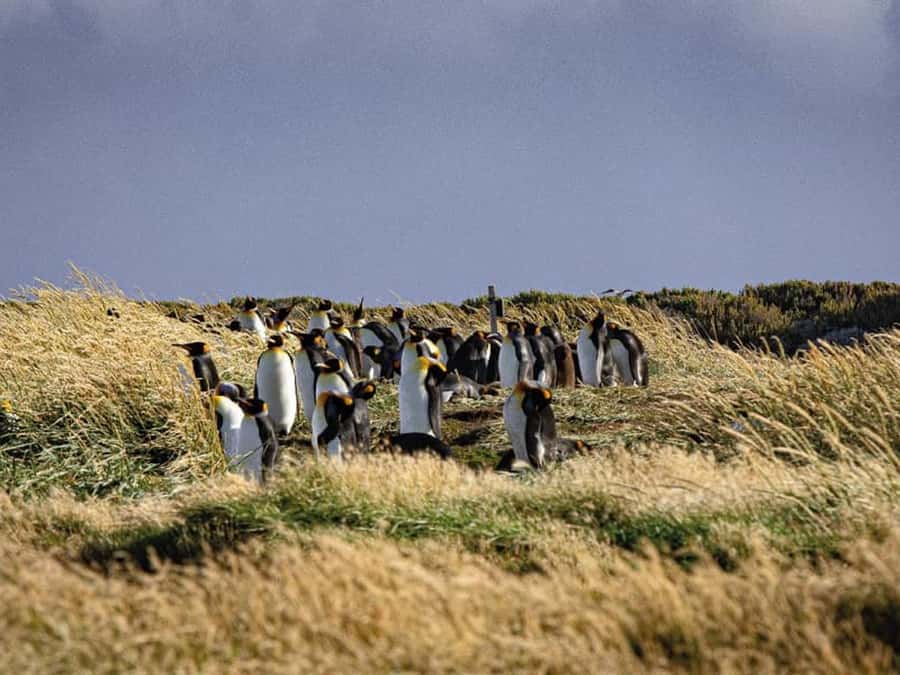
That distinction matters. You are not promised a huge flock gathered beside a viewing platform. The penguins move about in their own habitat, and the distance can vary. Some visits offer birds around 20 meters away. At other times, they may be 50 meters or more from the viewing area and look small through a camera lens.
You normally have about an hour at the reserve. That sounds generous until you allow time to walk to and from the viewing point. One practical account noted that roughly 16 minutes of the hour could be spent walking, leaving less time to watch the birds. Still, the sight is unusual enough to justify the effort if King Penguins are high on your list.
A limit of about 15 people per hour helps keep the reserve quiet. You will need patience, warm clothes, and realistic expectations. The birds may stand still, wander, call, or simply remain at a distance. Nature decides the quality of the viewing, not the tour company.
Take a camera and a charged phone, but do not spend the whole visit staring at a screen. The setting is part of the experience: low open country, strong wind, and a broad sense of distance around the colony.
More Penguin Tours in Chile:
- Punta Arenas: Walk with Penguins on Magdalena & Marta Island
★ 4.6 · 611 reviews - Punta Arenas: Full-Day Whales, Penguins, and Glaciers Tour
★ 4.9 · 325 reviews - Walk alongside Penguins on Magdalene Island and navigate Marta Island
★ 4.5 · 116 reviews
Leaving Punta Arenas for the Strait of Magellan
Pickup is provided at your accommodation in Punta Arenas. The first transfer takes you to the Tres Puentes terminal, where you board the ferry for Bahía Chilota.
The crossing lasts about two hours. That is a substantial boat ride, not just a quick transfer, so it becomes one of the day’s main experiences. You can move around, look over the Strait of Magellan, and watch for dolphins or whales. Sightings are not guaranteed, but the open water gives you a welcome break from sitting in the vehicle.
Weather is a serious factor here. Strong wind can make the ferry rough, and sailing schedules can change. Delays have even led to an unexpected overnight stay on Tierra del Fuego in difficult conditions. Guides and drivers have helped arrange accommodation, meals, and communication during such disruptions, but you should avoid booking this tour on a day when you have a tight onward connection.
The ferry also shapes the total length of the outing. You are not simply driving to a nearby reserve. You are crossing a major waterway, entering a remote island, and returning later the same day. That is why a 15-hour schedule is normal rather than excessive padding.
Porvenir, a small town with a useful stop
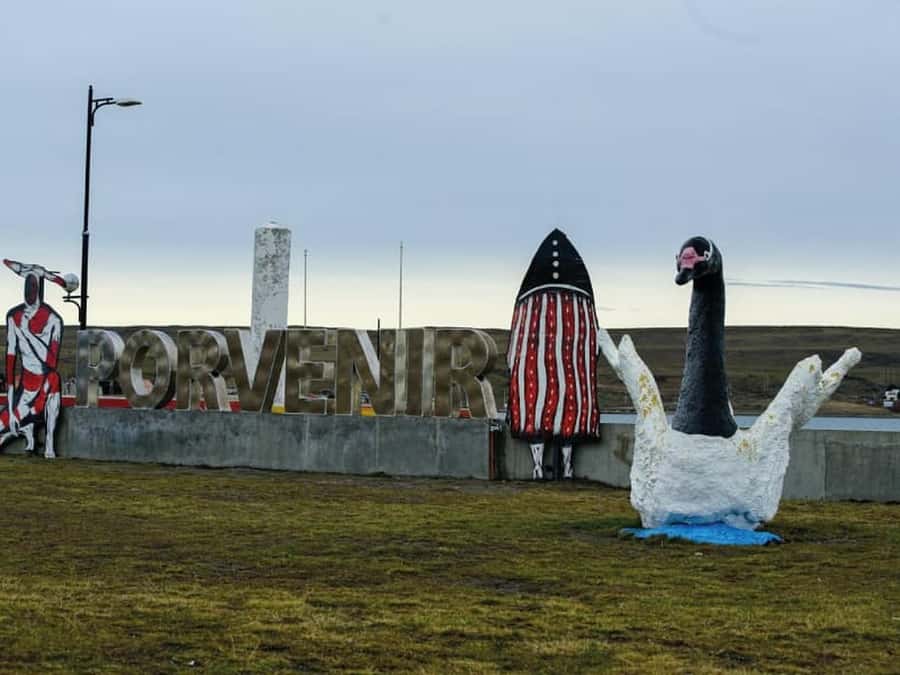
After reaching Bahía Chilota, the group continues toward Porvenir. The town was founded in 1894 to support the cattle ranches of Tierra del Fuego, and it gives you a clearer sense of how people live in this isolated part of Chile.
Porvenir is not a major sightseeing center. Think of it as a practical and historic stop rather than a full city tour. You may have time for food, a short walk, or the Porvenir museum, though the museum entrance is not included.
The food stop is important because there are few chances to buy meals along the route. You may eat in Porvenir or Cerro Sombrero, depending on the day’s timing. Empanadas and Chilean hot dogs have been singled out as good choices, while the restaurant experience has been less consistent. Some diners found the food plain and expensive, with no clear menu or prices.
Bring cash. Internet service can be weak, and card payments may not work. Chilean pesos are the safest choice for lunch, snacks, museum admission, and other small purchases. Meals are not included in the $110 price.
Crossing Tierra del Fuego by minibus
The road section is the part you need to understand before booking. The minibus carries about 10 other people on some departures, and you may spend around seven hours in the vehicle across the full route.
The driving is not a flaw in the sense that it takes you somewhere you cannot easily reach without a car. It is simply the cost of seeing this remote part of the island in one day. The northern zone is marked by open steppe and cattle ranches. Farther south, Tierra del Fuego changes toward forests, lakes, mountains, and glaciers, though this particular route focuses heavily on the open northern and central areas.
Expect long views, dirt roads, ranch country, and stretches where little changes outside the window. You may see guanacos and llamas along the way. Wildlife sightings can also include other birds and, from the ferry, dolphins or whales. The tour guide often turns these sightings into part of the day’s story.
Vehicle comfort varies. One account noted dust entering the minivan, while another found the lack of a luggage rack and USB charging a nuisance. The onboard microphone has also been hard to hear on at least one departure. Sit where you can hear the guide, keep your phone charged before pickup, and bring a small bag rather than bulky luggage.
The best guides make a real difference. Christian has been praised for clear explanations in English and Spanish. Alvaro has been described as turning the drive into a combination of wildlife lesson and history class. Katherine, Irma, Valentina, and others have also been noted for friendly service and strong local explanations.
The guide may discuss the Selk’nam, an Indigenous people of Tierra del Fuego, along with ranching, settlement, and regional figures such as Sara Braun. These stories give meaning to what can otherwise feel like a long, empty road.
A few more birdwatching trips around Chile worth a look
- Cape Point and Boulder’s Penguins Full Day Tour
★ 5.0 · 3,118 reviews - Cape of Good Hope & Boulder Penguins Full-Day Tour from Cape Town
★ 5.0 · 2,347 reviews - Full-Day Phillip Island Tour with Kangaroo, Koala and Penguin Parade
★ 4.5 · 658 reviews - Phillip Island: Penguins and Wildlife Full-Day Tour
★ 4.6 · 642 reviews
The King Penguin Natural Reserve
The reserve visit is brief but highly specific. You go there to watch the colony, not to walk a large park or fill several hours with different exhibits.
The setting protects the birds while allowing you to observe them from a designated area. You must remain within the visiting arrangement and accept the viewing distance available that day. If the penguins are near, the experience can be remarkable. If they are far off, binoculars or a camera with a good zoom will help, though neither is listed as supplied.
Strong wind is common enough that warm clothing is essential. A hat, gloves, and layers will make the hour more enjoyable. Even on a bright day, the exposure can feel cold.
It is worth taking a quiet approach. The appeal is seeing King Penguins behave in their own setting, not watching a staged performance. You may see them standing together, moving between the group and the water, or simply holding their position while the wind sweeps across the plain.
This is also where expectations matter most. The reserve may feel overpriced if your visit produces a distant group and only a short viewing period. It feels much better value when the birds are close and active. The entrance fee is not included, so add that cost before comparing this tour with other penguin trips.
Cerro Sombrero and the return route
After the reserve, the group continues by road toward Cerro Sombrero. This is another practical stop, usually used for a break or food, rather than a long guided attraction.
Cerro Sombrero is linked to the island’s oil industry and settlement, but the supplied schedule gives no detailed museum or attraction visit there. Treat it as a chance to stretch your legs, eat, and reset before the next long road section.
The return includes a shorter ferry crossing of about 30 minutes, followed by another drive. The exact order and timing can change with ferry schedules and weather, so do not expect every stop to run like a clock.
A photo stop at Estancia San Gregorio adds one last look at the area’s ranching past. It is a useful contrast to the penguin reserve. Earlier, the day is about wildlife and the Strait of Magellan. Here, the focus shifts to the built history of cattle country and the people who worked across these remote plains.
You then continue to Punta Arenas and receive transport back to your accommodation. A typical day can begin around 7 a.m. and end close to 11 p.m., depending on ferry conditions, traffic, stops, and delays.
Is $110 a fair price?
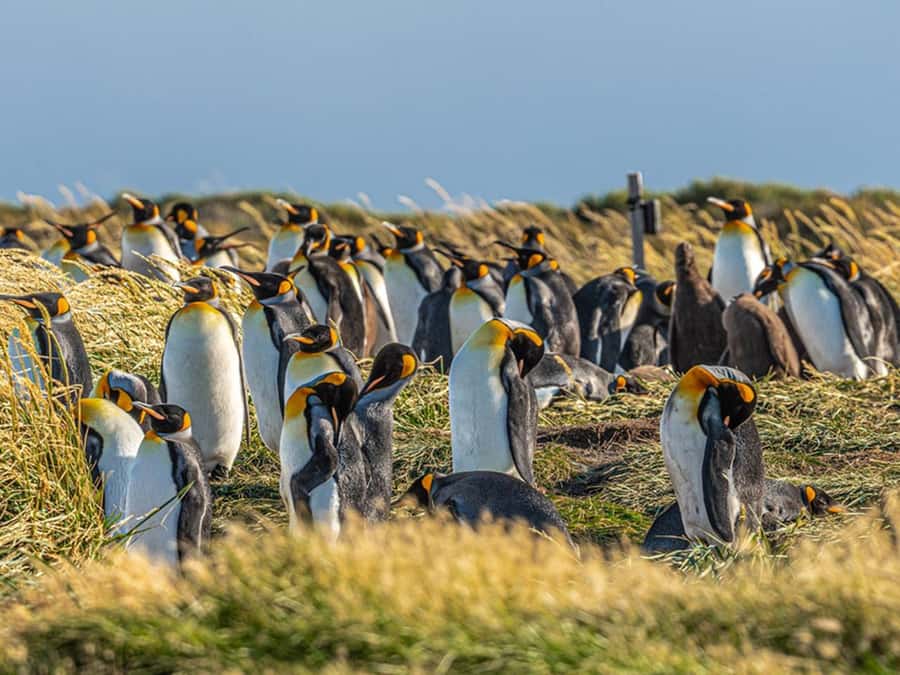
At $110 per person, this is a reasonable price for the amount of transport involved. Your accommodation pickup and drop-off, ferry tickets, minibus transport, and a live English or Spanish-speaking guide are included. Organizing the same route independently would require a vehicle, fuel, ferry arrangements, and careful timing.
The value depends on what you want from the day. If you mainly want to see penguins for a short time, the price may feel high because the reserve visit lasts about an hour and admission is extra. If you want access to remote Tierra del Fuego without renting a car, the cost is easier to justify.
Meals are not included, and neither is the King Penguin Park entrance. Porvenir museum admission is also extra. Keep cash available because poor signal can prevent card payments.
Compared with a shorter penguin outing from Punta Arenas, this tour gives you more island scenery and more historical context. It also demands much more patience. You are paying for access to a remote place, not for constant activity.
What to pack for this Tierra del Fuego day
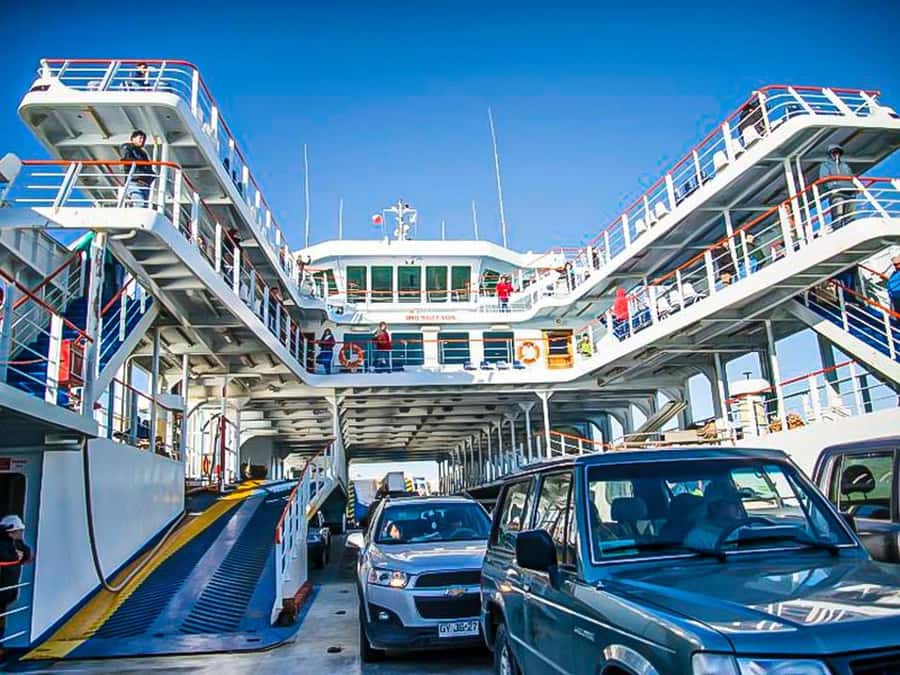
Pack for changing conditions and a long time outside the vehicle.
- Passport or identity card
- Warm layers and a windproof outer layer
- Camera or phone with enough battery
- Cash for food and extra admissions
- Charged smartphone
- Water and snacks, if you prefer not to rely on the food stops
Your passport or ID is especially important because the route crosses to Tierra del Fuego. Keep it easy to reach rather than buried in luggage.
Comfortable clothing matters more than stylish clothing here. You will sit for hours, walk to the reserve viewing area, stand in the wind, and board ferries. A small day bag is easier to manage than a large suitcase.
Who should book this tour?
I would choose this trip if seeing King Penguins in their natural setting is a major goal and you are willing to spend a full day reaching them. It also suits you if you want an introduction to Tierra del Fuego without driving yourself.
You should be comfortable with long transport times, basic meal stops, changing plans, and weather delays. The tour is not ideal if you dislike minibus journeys, need a relaxed schedule, or want a full day of close wildlife viewing.
It is especially good for people who enjoy context. A strong guide can turn the road into a lesson about the Selk’nam, cattle ranches, settlement, and the island’s changing climate zones. Christian, Alvaro, Katherine, Irma, Valentina, and other guides have helped make that part of the experience worthwhile.
Should you book the King Penguin and Tierra del Fuego tour?
Book it if the King Penguins are a priority and you accept that nature may keep them distant. The combination of ferry travel, Porvenir, remote roads, wildlife, and the reserve gives you a rare look at southern Chile that is difficult to arrange on your own.
Skip it if you want a quick penguin encounter or if seven hours of driving sounds exhausting. A shorter wildlife outing may suit you better, but it will not give you the same reach into Tierra del Fuego.
For the best chance of enjoying this tour, keep the day free, bring cash and warm clothes, and leave room for ferry delays. At $110, it offers solid access and capable guiding, but the true value comes from wanting the whole remote-island journey, not just the hour beside the penguins.
FAQ
Where does the tour begin?
Pickup is provided at your accommodation in Punta Arenas. You are taken to the Tres Puentes terminal to board the ferry.
How long is the tour?
The scheduled duration is 15 hours. The day may run longer if weather or ferry schedules cause delays.
How long is the ferry ride across the Strait of Magellan?
The main ferry crossing takes approximately two hours from Punta Arenas to Bahía Chilota. The return route also includes a shorter ferry crossing of about 30 minutes.
What languages does the guide speak?
Live guiding is available in English and Spanish.
Is hotel pickup included?
Yes. Pickup from your accommodation in Punta Arenas and transportation back to your accommodation are included.
Is lunch included?
No. Meals are not included. You may stop for food in Porvenir or Cerro Sombrero.
Should I bring cash?
Yes. Cash is strongly recommended because poor internet signal may prevent card payments at some stops.
Is the King Penguin Park entrance included?
No. Entrance to the King Penguin Park is not included in the tour price.
Can I visit the Porvenir museum?
The route includes a visit to Porvenir, and museum admission is available as an extra cost. The entrance fee is not included.
What should I bring?
Bring your passport or identity card, warm clothing, a camera, cash, and a charged smartphone.
Just added around Chile
- Puerto Natales: Cerro Benitez Half-Day Hike with Condors★ 4.9 · 15 reviews
- Magdalena Island: Walk with the penguins★ 4.6 · 17 reviews
- Whales & Humboldt Penguins: Chañaral or Damas island hiking★ 4.3 · 10 reviews
- Penguin Watching Navigation Cachagua Lunch From STGO Private Tour★ 5.0 · 50 reviews
- Fr STGO: WILD PENGUINS, SEALION, SANDBOARD, PARAGLIDING & PICNIC★ 5.0 · 50 reviews
- Fr VALPO: WILD PENGUINS, SEALION, SANDBOARD, PARAGLIDING & PICNIC★ 5.0 · 57 reviews
- Magdalena Island Penguin Tour by Boat from Punta Arenas★ 4.7 · 62 reviews
- Punta Arenas: King Penguin Park and Tierra del Fuego Trip★ 4.0 · 67 reviews
Punta Arenas Birdwatching Tours, compared.
Walk with Penguins on Magdalena & Marta Island
Read our review →
Walk alongside Penguins on Magdalene Island and navigate Marta Island
Read our review →
Magdalena Island Penguin Tour by Boat from Punta Arenas
Read our review →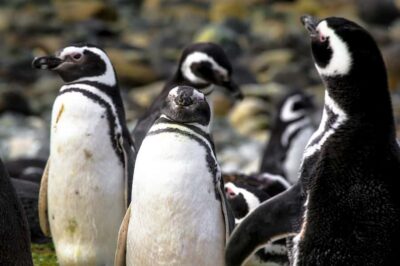
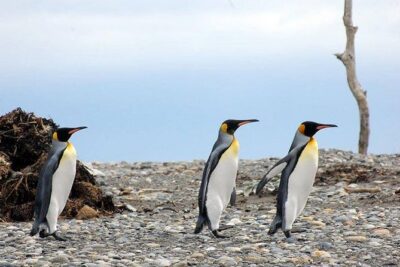
King Penguin Nature Reserve – Tierra del Fuego Island
Read our review →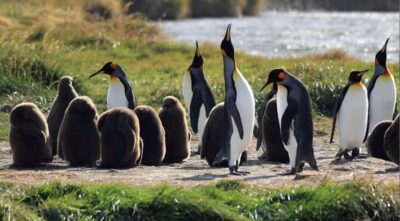
Magdalena Island Penguin Tour by Boat from Punta Arenas
Read our review →Browse the lists this tour appears in