
Review · SOUTH AFRICA BIRDWATCHING TOURS
Monkeyland, Birds of Eden, Jukani – Animal Sanctuaries
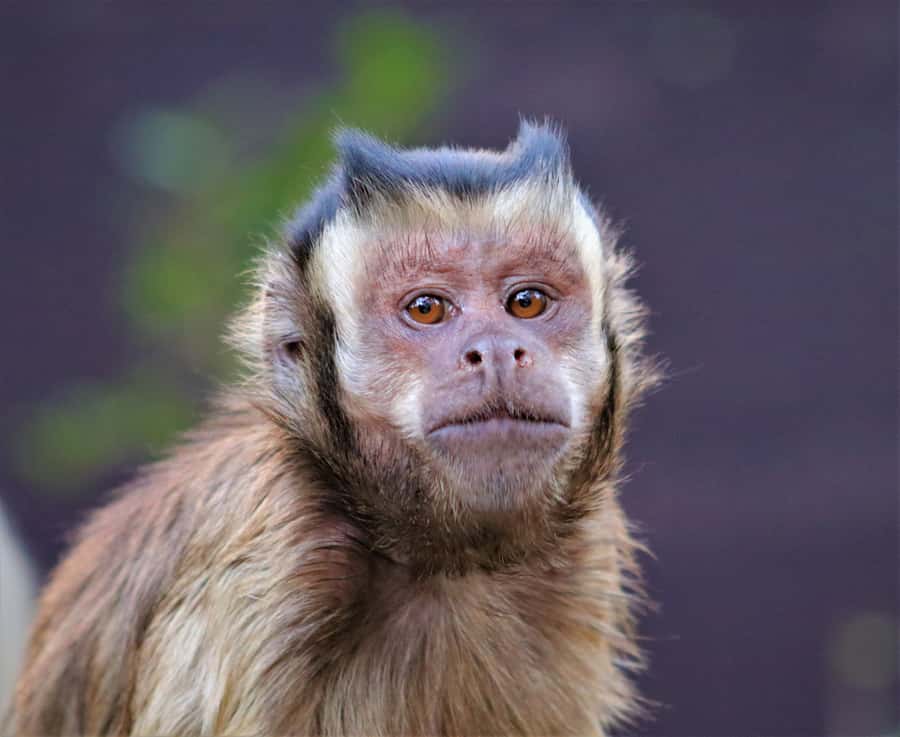
More than 550 rescued apes, monkeys, and lemurs live in a 12-hectare forest at Monkeyland, where a one-hour guided walk brings you close to animals living without cages. Then you can cross a 128-meter suspension bridge through the treetops, a fine extra for anyone who likes a little height with their wildlife.
I especially like the choice built into this outing. You can spend a focused morning at one sanctuary or use one to three days for all three, and the combination ticket costs less per sanctuary. I also like the different styles: Monkeyland and Jukani use guides, while Birds of Eden lets you set your own pace. The main drawback is that these sanctuaries are not all equally naturalistic, and Jukani can feel more managed than the forest setting at Monkeyland.
Key points to know before you go
- Monkeyland shelters more than 550 primates in a free-roaming, multispecies forest rather than separate cages.
- The 128-meter suspension bridge gives you a high view into the Monkeyland canopy.
- Birds of Eden houses more than 210 bird species and subspecies, with over 3,500 birds in a huge free-flight aviary.
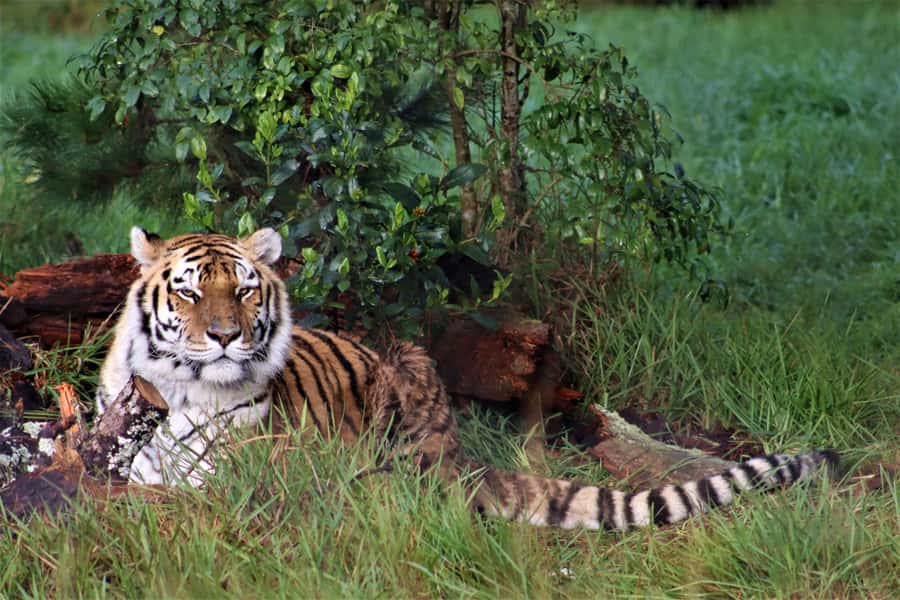
- Jukani focuses on rescued big cats, including lions, tigers, leopards, jaguars, cheetahs, and pumas.
- Guided walks last about one hour at Monkeyland and 90 minutes at Jukani, while Birds of Eden is mainly self-guided.
- Comfortable shoes matter, and binoculars help at Birds of Eden and Jukani, though you can visit without them.
Three sanctuaries, three different wildlife experiences
This attraction is best understood as three separate visits close together, not one continuous tour. You choose Monkeyland, Birds of Eden, Jukani Wildlife Sanctuary, or a combination of them.
That choice matters because each place has a different purpose. Monkeyland is about primate behavior in a forest. Birds of Eden is a large walk-through aviary where you control the pace. Jukani brings you face to face with rescued predators and other animals that need permanent care.
You can spend one day visiting all three, or take up to three days if your schedule allows. A single day gives you a full wildlife outing, but all three visits involve walking, and the pace can feel busy if you try to hurry through them. I would give each sanctuary enough time to enjoy its character rather than treating the sites as quick photo stops.
The listed price is $23 per person, and buying a combination ticket works out cheaper for each sanctuary. That makes the three-site option good value if you already plan to see all of them. If you mainly want birds or primates, choosing one sanctuary keeps both the cost and the walking time under control.
There is no hotel pickup or drop-off, and food and drinks are not included. Your meeting point depends on the option you book, so check that detail before setting out.
A few more birdwatching trips around South Africa worth a look
- Cape Town: Cape of Good Hope & Penguins Day Tour with Pickup
★ 4.7 · 3,362 reviews - Cape Point and Boulder’s Penguins Full Day Tour
★ 5.0 · 3,118 reviews - Cape of Good Hope & Boulder Penguins Full-Day Tour from Cape Town
★ 5.0 · 2,347 reviews
Monkeyland: a forest home for rescued primates
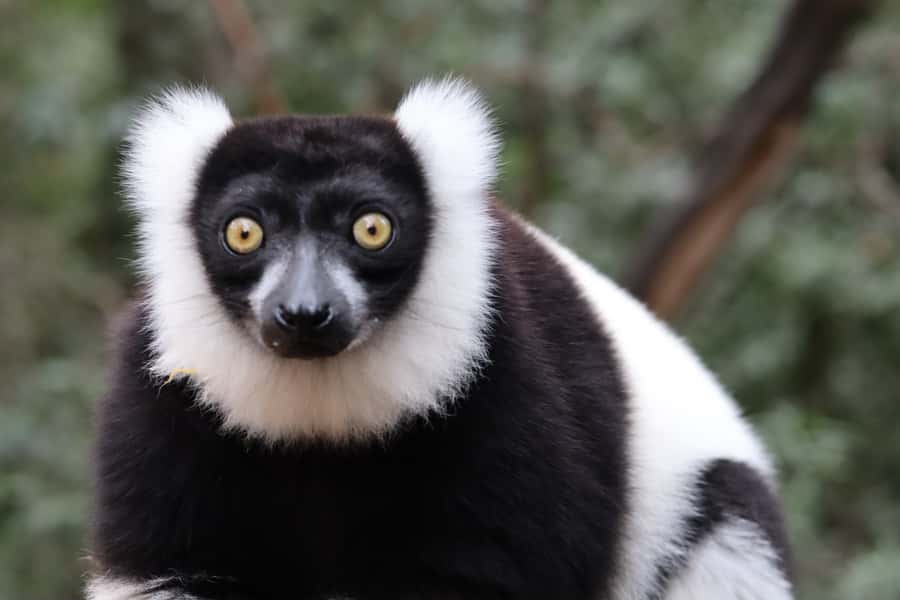
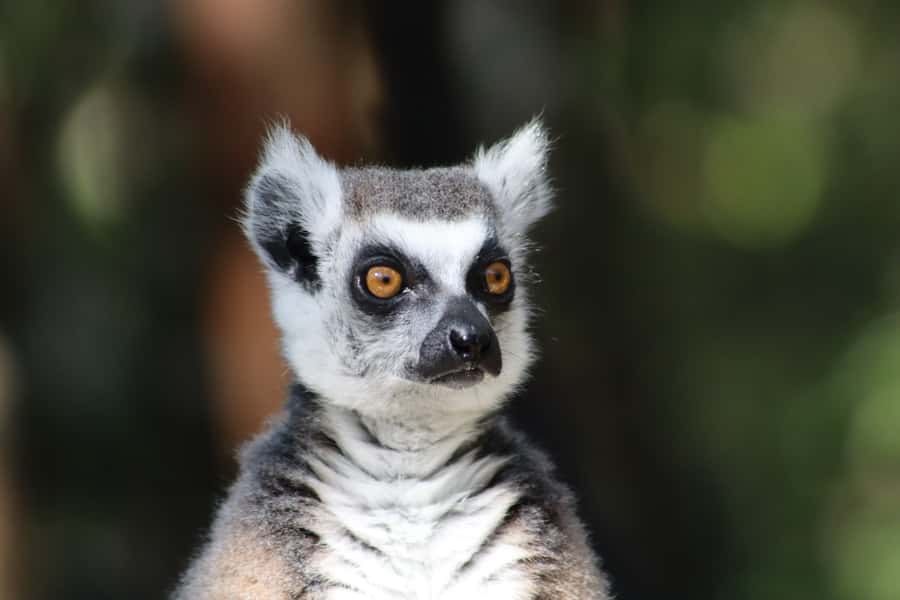
Monkeyland is the most unusual of the three sanctuaries. It is described as the world’s first free-roaming, multispecies primate sanctuary, with more than 550 apes, monkeys, and lemurs living in 12 hectares of indigenous forest.
The important point is the phrase free-roaming. You are not moving from one small enclosure to the next. The animals share a wooded setting and can live in a more natural way than they could in captivity. You may see different primates in the same broad forest area, though sightings and distances naturally vary.
Monkeyland provides a forever home for ex-captive primates. Some were previously kept as pets or came from facilities that could no longer care for them. The sanctuary’s aim is not only to give them space, but also to help you understand the damage caused when wild animals are treated as household curiosities.
Your visit includes a one-hour guided tour. The guides point out the different primates, explain their behavior, and share stories about individual animals. This guided format is useful because a forest full of moving monkeys can be hard to read on your own. A guide can help you notice who is calling, climbing, resting, or keeping watch.
One of the strongest parts of the visit is the chance to see primates at close range. A recent booking described the guide as enthusiastic and humorous, with monkeys visible nearby. That is the kind of encounter that makes Monkeyland work well for families and photographers, but you still need to keep your hands to yourself. Touching the animals is not allowed.
The 128-meter suspension bridge adds a second layer to the visit. From the bridge, you look into the upper part of the forest and experience the sanctuary from above. It is a memorable feature, though anyone uneasy with heights should know that it is a real bridge through the canopy, not just a short viewing platform.
Monkeyland tours are conducted in English. A French guide can be arranged at no extra charge if you request one at least 48 hours ahead and provide an arrival time. That advance notice matters, since a French-language tour is not simply guaranteed on arrival.
Birds of Eden: take your time beneath the giant aviary
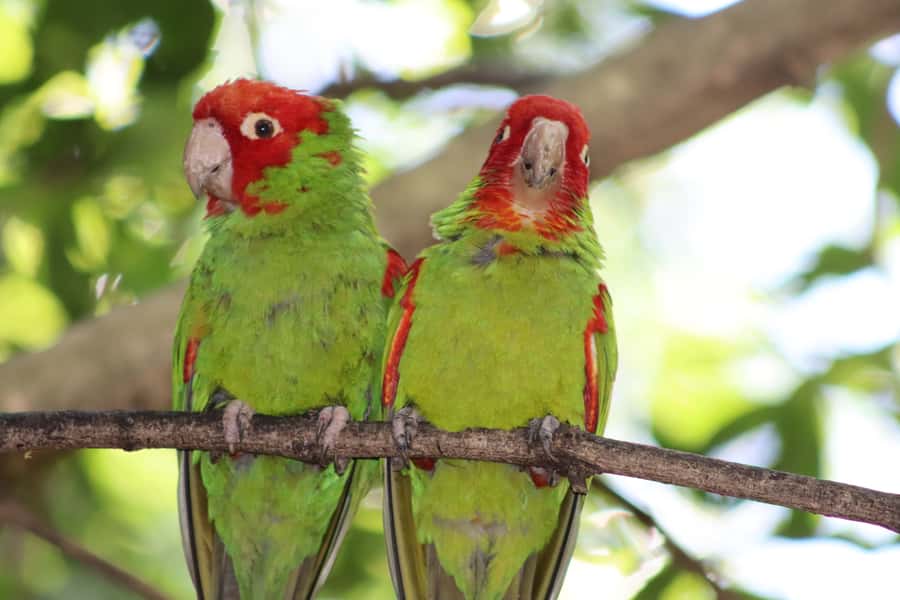
Birds of Eden is the largest free-flight aviary in the world, covering 2.3 hectares of partly forested ground beneath a 3.2-hectare mesh structure. The aviary reaches about 50 meters high and includes a 1.2-kilometer walkway.
That scale changes the feel of a bird sanctuary. You are not looking at rows of cages. Instead, you walk through forest, around a deep gorge, and past a waterfall while birds move through the space above and around you.
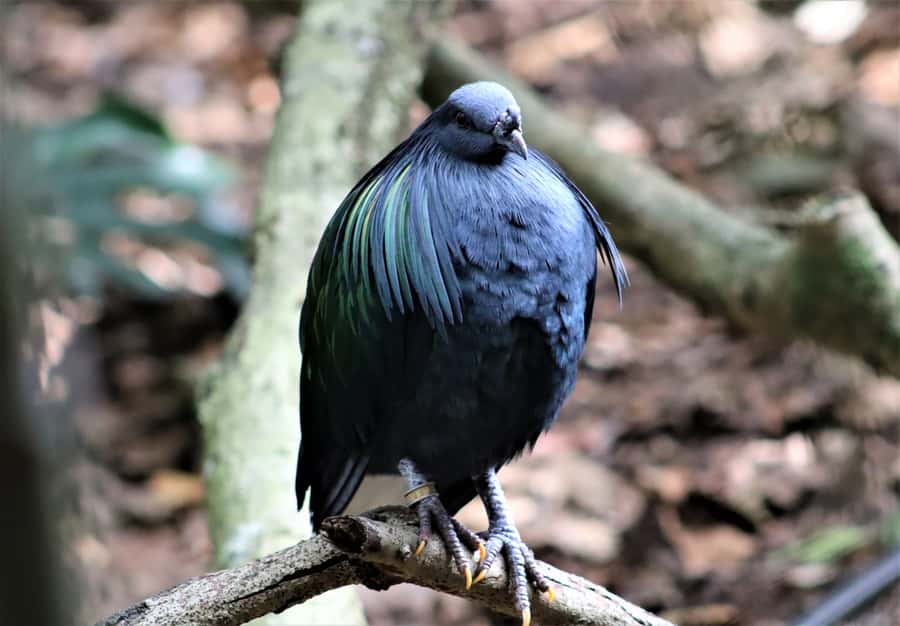
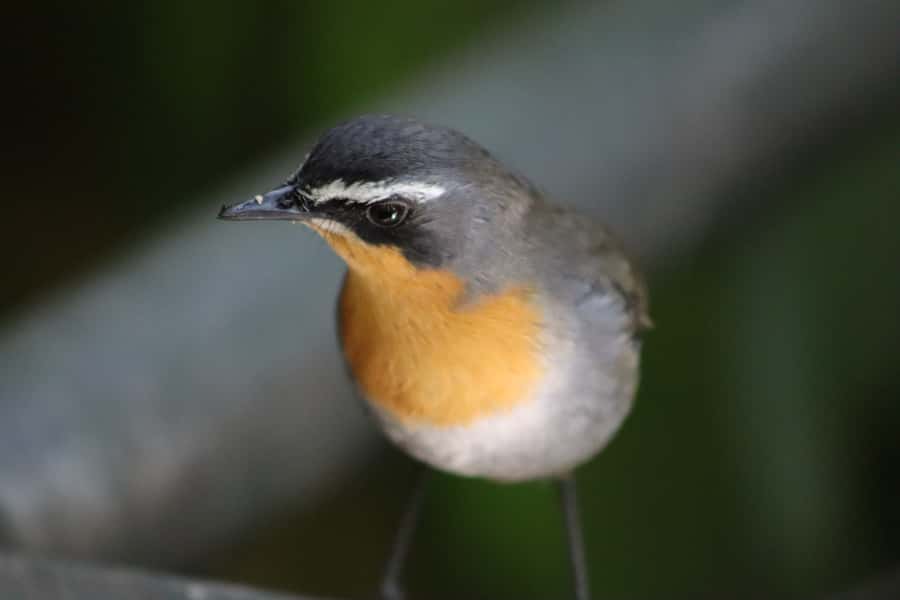
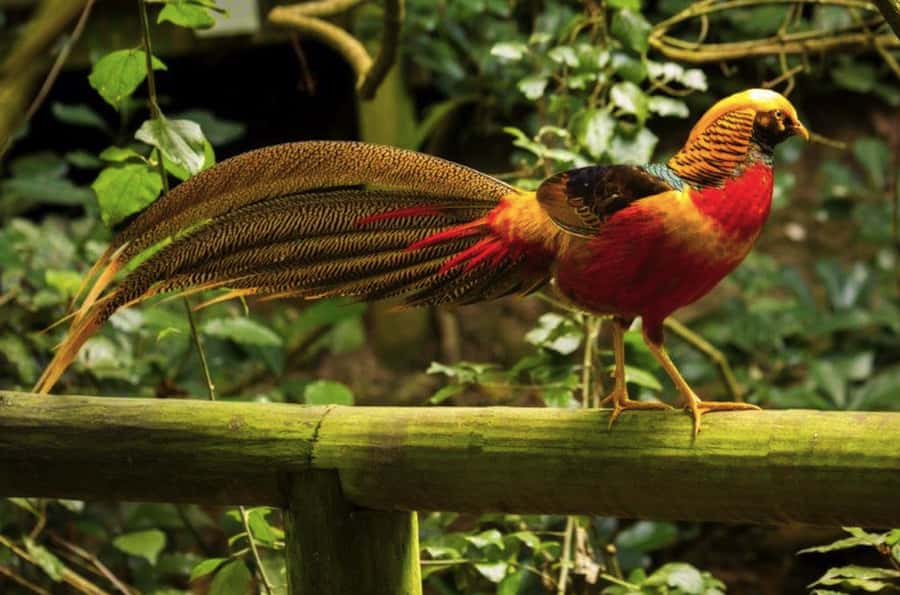
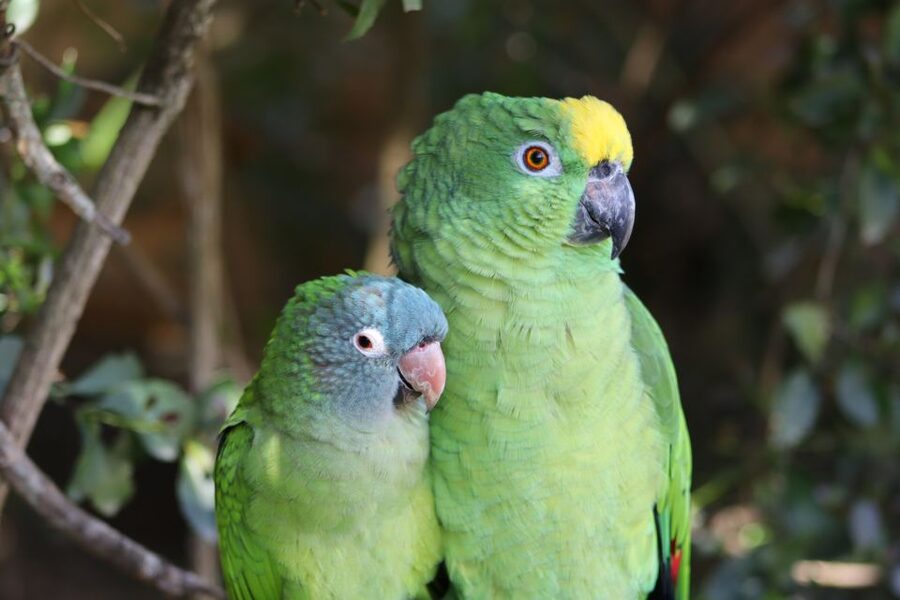
The sanctuary is home to more than 210 bird species and subspecies, with over 3,500 birds in total. You might see parrots, parakeets, flamingos, waterfowl, starlings, robins, cranes, and several turaco species. The Knysna lourie is one of the local highlights, especially because its call sounds rather unexpected for such a graceful bird.
Birds of Eden includes many birds that were once kept as pets in cages. The sanctuary gives them room to fly and behave more naturally. That purpose adds meaning to what could otherwise be a simple bird-viewing walk. You are seeing the result of a better second chance, not just a collection of colorful animals.
You explore Birds of Eden at your own pace, which I find ideal for photography. Stop when a bird catches your eye, wait quietly, or keep walking if a particular section is less active. The 1.2-kilometer path is long enough to reward patience, but the full route can take time if you stop often.
Binoculars are useful, especially when birds sit high in the trees, but they are not required. A camera with a strong zoom can help too, though you should not feel that you need specialist equipment to enjoy the visit.
A guide can be arranged in English with at least 48 hours notice and a stated arrival time. Without one, you have more freedom, but you also need to pay closer attention to signs and to the birds themselves. For most people, the self-guided format is simple and flexible.
Jukani: rescued predators in large animal habitats
Jukani Wildlife Sanctuary shifts the focus from small, active primates and free-flying birds to large predators. The main draw is its collection of rescued or rehomed lions, tigers, leopards, and jaguars.
These animals have a forever home at Jukani after coming from facilities that could no longer care for them. The habitats are designed around the needs of the individual animals, and the sanctuary presents them without direct human interaction. You are there to observe and photograph, not to touch or handle them.
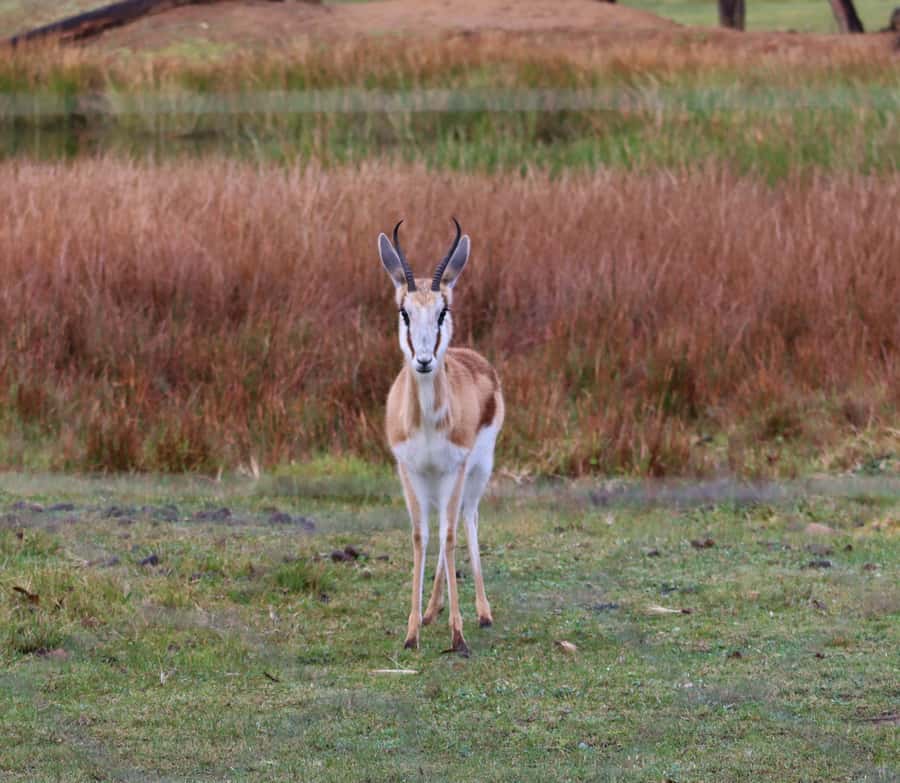
The standard walking safari lasts about 90 minutes and is led by an English-speaking guide. The guide also introduces you to animals beyond the big cats, including raccoons, a honey badger, caracal, zebra, springbok, and spotted hyena.
Cheetahs and pumas are particular highlights. Cheetahs bring speed and alertness, while pumas are known for their ability to climb trees. Seeing these animals in one place gives you a useful sense of how varied predator behavior can be.
Jukani can feel less naturalistic than Monkeyland, especially around the larger game. That is not necessarily a flaw, but it is an important expectation to set. The experience is more managed and more focused on viewing individual animals in carefully planned habitats. If your ideal wildlife outing means animals moving freely through a large forest, Monkeyland will likely feel more convincing. If you want a close look at lions, tigers, and other predators, Jukani offers the clearer focus.
A hat is advised at Jukani, especially for children. Comfortable walking shoes are better than sandals, and binoculars can help, though you do not need them to take part.
Same place, a different morning in the field:
- Table Mountain, Penguins & Cape Point Small Group Tour Cape Town
★ 4.5 · 1,797 reviews - Cape Town Tour: Table Mountain, Penguins & Cape Point+Pickup
★ 4.7 · 1,671 reviews - Cape Town: Table Mountain, Cape Point, & Penguins Group Tour
★ 4.9 · 1,063 reviews - Cape of Good Hope & Penguins Small Group Tour from Cape Town
★ 5.0 · 1,054 reviews
How to plan one day across all three sites
You can spend a full day at any one sanctuary, but most people who choose the combination option will want to visit all three. The exact order depends on the option booked and the available starting times.
A sensible approach is to allow about one hour for the Monkeyland guided walk, about 90 minutes for Jukani, and additional time for Birds of Eden. Birds of Eden is the easiest place to stretch or shorten your visit because you are not tied to a group walking schedule.
If you enjoy photography, allow more time than the basic tour durations suggest. Birds may be high in the trees, monkeys may move quickly, and big cats may be resting when you arrive. Wildlife does not follow a timetable, so a rushed schedule can leave you watching the clock instead of watching the animals.
If you have only a few hours, choose based on your main interest:
- Pick Monkeyland for primates, forest paths, and a guide who helps explain behavior.
- Pick Birds of Eden for bird variety, waterfalls, and a relaxed self-guided walk.
- Pick Jukani for lions, tigers, leopards, cheetahs, pumas, and other rescued animals.
Families may enjoy all three, but children should be ready for walking and should understand that touching animals is not allowed. The suspension bridge at Monkeyland may be a favorite for some children and a concern for others.
Practical details that improve the visit
Wear comfortable walking shoes. This is the clearest piece of practical advice for the whole outing, since all three sanctuaries involve paths and standing, and sandals are less suitable.
Bring a hat for Jukani, particularly if you are visiting with children. Binoculars are useful at both Jukani and Birds of Eden, but you can still enjoy the animals without them.
The guided tours are in English by default. Monkeyland can arrange a French guide with 48 hours advance notice and an arrival time. Birds of Eden can also arrange an English guide with 48 hours notice. Jukani tours are conducted in English.
The activity is wheelchair accessible, though you should still confirm the exact meeting point and selected sanctuary when booking. The meeting point varies by option.
You can cancel up to 24 hours before the activity for a full refund, and reserve now while paying later. That flexibility helps if your Garden Route plans depend on weather or changing transport arrangements.
Who will get the most from this experience
I would recommend Monkeyland most strongly to anyone who wants a guided wildlife visit with a clear conservation purpose. The free-roaming forest setting and multispecies approach give it a sense of place that a conventional animal park cannot match.
Birds of Eden is the best choice for someone who likes to walk slowly and look carefully. The self-guided format gives you control, and the large aviary creates room for birds to fly rather than simply sit behind bars.
Jukani suits you if large predators are the priority. It offers the most direct look at lions, tigers, leopards, jaguars, cheetahs, and pumas, along with several other animals. Just keep in mind that it feels more managed than Monkeyland.
Photographers should consider the combination ticket because each sanctuary offers a different subject: quick primates in the forest, birds in open flight, and large cats in their habitats. Families can also make a full day of it, provided everyone is comfortable with walking and outdoor conditions.
Should you book Monkeyland, Birds of Eden, and Jukani?
Book this experience if you want a wildlife day that combines conservation, animal viewing, and variety rather than a traditional safari. The strongest value comes from taking the combination ticket, especially if you have enough time to visit all three without rushing.
If your time is limited, Monkeyland is my first pick for its free-roaming primates and guided forest walk. Add Birds of Eden if you prefer a slower visit with plenty of room for photography. Choose Jukani when big cats are the main reason you are going.
The $23 price point is appealing for one sanctuary, and the combination ticket improves the value further. I would book with realistic expectations: these are sanctuaries, not open wilderness, and Jukani in particular has a more managed feel. Even so, the chance to see rescued animals in settings designed for their care makes this a worthwhile stop on a Garden Route itinerary.
FAQ
How many sanctuaries can I visit?
You can choose one of the three sanctuaries or visit all three. The activity is valid for one to three days, depending on the option and availability.
How long is the Monkeyland tour?
The guided Monkeyland tour lasts about one hour. A guide explains the primates and points out animals living in the 12-hectare indigenous forest.
Is Birds of Eden guided?
Birds of Eden is normally explored at your own pace. An English-language guide can be arranged if you provide at least 48 hours notice and an arrival time.
Are the tours available in French?
A French guide can be arranged for Monkeyland if requested at least 48 hours in advance with an arrival time. Jukani tours are conducted in English, and Birds of Eden guided tours are conducted in English.
What should I bring?
Bring comfortable walking shoes. A hat is advised at Jukani, especially for children, and binoculars can help at Birds of Eden and Jukani.
Is food included?
No. Food and drinks are not included, and hotel pickup and drop-off are also not included.
Just added around South Africa
- Port Elizabeth Adventure: Tuk-Tuk, Penguins, & Cape Recife★ 4.5 · 9 reviews
- Birds of Eden Admission Ticket★ 4.5 · 15 reviews
- Hermanus & Overberg Birding★ 5.0 · 3 reviews
- Skip the Line: World of Birds Admission Ticket★ 5.0 · 5 reviews
- World of Birds, Kirstenbosch and Constantia Wine Private Day Tour★ 5.0 · 2 reviews
- Hermanus Whale Watching & Penguins Shared Tour from Cape Town★ 4.0 · 14 reviews
- Private Full Day Tour To Cape Point, Penguins With Table Mountain.★ 5.0 · 6 reviews
- Cape Of Good Hope and Penguins viewing Private Tour★ 5.0 · 3 reviews
South Africa Birdwatching Tours, compared.
Cape of Good Hope & Penguins Day Tour with Pickup
Read our review →
Cape Point and Boulder’s Penguins Full Day Tour
Read our review →
Cape of Good Hope & Boulder Penguins Full-Day Tour from Cape Town
Read our review →
Table Mountain, Penguins & Cape Point Small Group Tour Cape Town
Read our review →
Cape Town Tour: Table Mountain, Penguins & Cape Point+Pickup
Read our review →
Table Mountain, Cape Point, & Penguins Group Tour
Read our review →
Cape of Good Hope & Penguins Small Group Tour from Cape Town
Read our review →
Browse the lists this tour appears in