
Review · SINGAPORE BIRDWATCHING TOURS
Jurong Bird Park Bird Photography
The real appeal here is access to a huge range of colorful subjects in one morning. Flamingos, toucans, lorikeets, penguins, pelicans, ostriches, and parrots give you plenty to work with, while the Waterfall Aviary adds scale with its 30-meter Jurong Falls.
I like the small group cap of 10, which gives you a fair chance to get personal help. I also like the clear focus on useful skills: composition, action shots, portraits, and fine detail, rather than simply walking around and taking random bird pictures.
The main concern is practical rather than photographic. One booking attempt reported that the Jurong Park meeting location had closed and that the provider did not answer calls or messages. Confirm the park and meeting details before paying, especially since this booking is non-refundable.
Key points to know before you book
- Photograph birds in large enclosures: You can work with flamingos, toucans, lorikeets, penguins, pelicans, parrots, ostriches, emus, and fruit doves.
- Visit the Waterfall Aviary: This nearly five-hectare enclosure includes African birdlife and a 30-meter indoor waterfall.
- Learn four practical skills: The facilitator covers composition, action photography, wildlife portraits, and capturing detail.
- Keep the group small: No more than 10 people are included, allowing for individual guidance.
- Bring your own essentials: Park admission, camera equipment, food, a hat, and rain protection are not included.
- Check the meeting point carefully: The listed start is at 8:30 am near Jurong Hill, and the experience returns there.
A morning built around colorful bird subjects
This is not a general sightseeing tour with a few photography tips added on. The morning is designed around making better bird photographs in a setting where you can quickly move from one kind of subject to another.
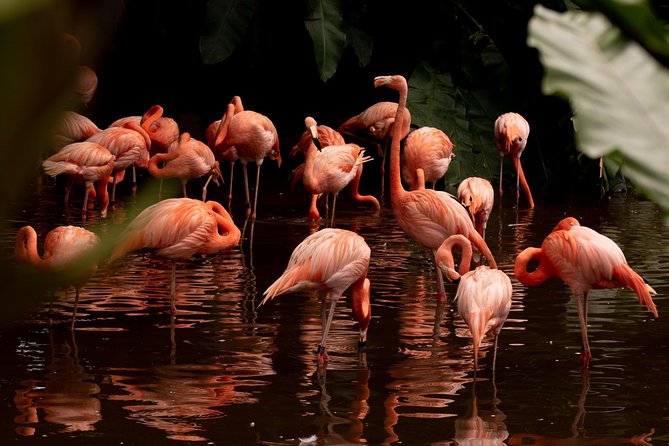
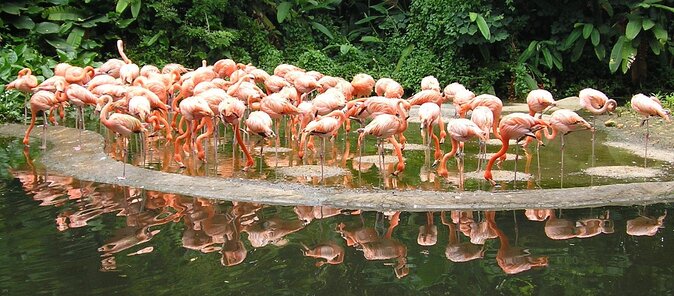
That variety matters. Bird photography can be frustrating when your subject sits far away, stays hidden, or blends into the background. Here, you have access to large enclosures filled with birds of different sizes, colors, and behaviors. A flamingo can help you practice clean shapes and reflections. A toucan gives you a bold portrait subject. A lorikeet may test your timing if it moves quickly or lands close by.
You will spend about three hours at the park with a professional photographer acting as facilitator. The focus is practical. You can expect help with how to place the bird within the frame, how to handle movement, and how to show small details such as feathers, beaks, eyes, and patterns.
The course is aimed at both keen bird spotters and people still building confidence with wildlife photography. You do not need to be interested in every bird species to get value from it. The setting gives you repeated chances to practice the same skill with different subjects.
More Bird Sanctuary Tours in the world:
- Dubai: Dubai Dolphinarium Dolphin, Seal & Bird Show Tickets
★ 4.5 · 1,020 reviews - Maleny Botanic Gardens Bird Aviary Experience Ticket
★ 4.5 · 579 reviews - Puerto Iguazu: Iguaza Falls Brazilian Side & Bird Park Tour
★ 4.0 · 260 reviews
What you can learn in three hours
The course centers on four areas, and each one solves a common problem in bird photography.
Composition is about more than putting the bird in the middle of the frame. You will work on how much space to leave around the subject, how to use the enclosure as a background, and how to frame the bird so the image feels intentional. With colorful birds, it is easy to let bright feathers become the whole picture. Good composition helps the shape, gaze, and setting work together.
Action photography is useful for birds that fly, hop, flap, or feed. Birds do not wait patiently while you adjust every setting. The facilitator can help you think about timing and framing so you are ready for movement instead of reacting after it has happened.
Wildlife portraiture gives you a different goal. Rather than showing a bird in a broad enclosure, you may work on a tighter picture that emphasizes the eye, beak, feathers, or posture. A close portrait can make a familiar species feel more distinctive.
Capturing detail is especially helpful when photographing plumage. Fine patterns, bright markings, and feather texture can disappear if the picture is poorly timed or cluttered. This part of the course encourages you to look beyond the obvious colors and notice the small features that make the image work.
The supplied information does not name the individual facilitator, so you should book this as a course led by a professional photographer rather than a session with a named instructor.
Starting at 8:30 am near Jurong Hill
The stated start time is 8:30 am, with the meeting point listed as before Jurong Hill in Singapore. The course ends back at the same meeting point.
That early start suits the subject. A morning session gives you a defined block of time before the day becomes hotter and busier. It also imposes discipline. You will need to make choices quickly rather than spending the whole day waiting for one perfect frame.
The exact meeting instructions deserve attention. The experience information gives the start area, but not a detailed landmark, transport route, or named entrance. It is listed as being near public transportation, yet you should confirm the precise meeting instructions with Goblin Photography before the day of the course.
This is especially important because one published booking account described arriving to find the Jurong Park meeting location permanently closed, followed by unanswered calls and messages. That does not prove that every booking will have the same problem, but it is a serious warning about checking the current operating status and contact details.
The bird collection gives you many ways to practice
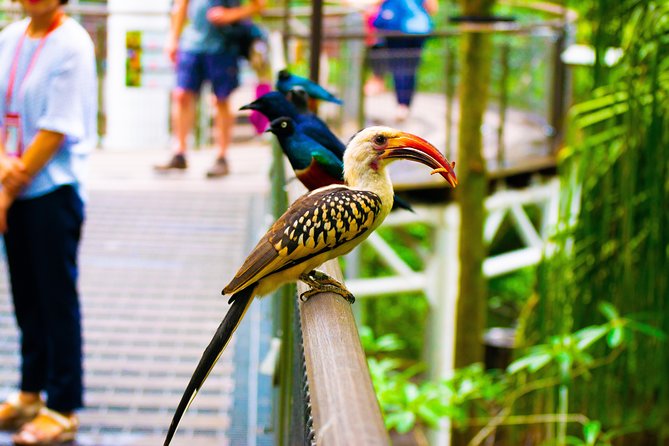
The variety of subjects is one of the strongest reasons to consider this experience. The park setting includes flamingos, lorikeets, parrots, ostriches, emus, fruit doves, penguins, pelicans, and toucans.
Each group offers a different photographic challenge. Flamingos can help you work with repeated forms, pale color, reflections, and balanced spacing. Toucans offer strong color contrast and a striking profile. Ostriches and emus require you to think about scale and body shape rather than only close-up detail.
Penguins and pelicans add another kind of practice. Their bodies and movement can produce clean silhouettes, while their beaks and feathers reward careful framing. Parrots and lorikeets offer bright color, but their energy may make timing more important than simple portrait work.
You should not expect every bird to pose on demand. That is part of the lesson. A professional photography session in a bird park is less about collecting a fixed list of perfect images and more about learning how to respond to subjects that move, turn away, or sit in difficult light.
More Photography Sessions in the world:
- Jaco Birdwatching and Photography with Sergio
★ 5.0 · 65 reviews - Birding & Photography Day Trip to Doñana from Seville
★ 5.0 · 61 reviews - Guided Birding Photography Experience
★ 5.0 · 47 reviews - Skadar Lake National Park: Birdwatching & Photography Tour
★ 4.8 · 39 reviews
The Waterfall Aviary is the morning’s big setting
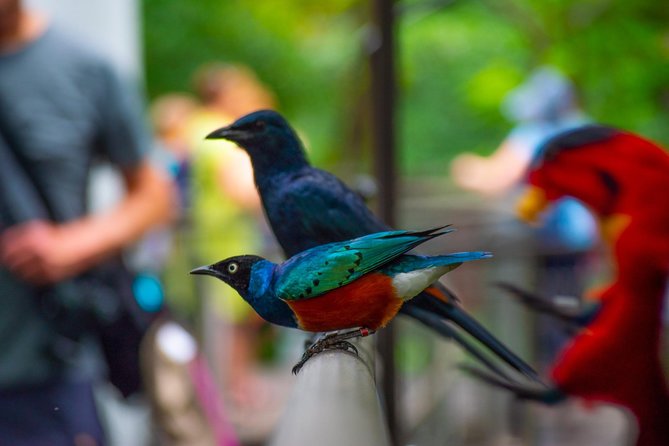
The Waterfall Aviary is the major featured area. It covers nearly five hectares and houses mainly African birds, with Jurong Falls rising about 30 meters inside the aviary.
This is more than a scenic backdrop. The scale gives you a chance to practice environmental wildlife photography, where the bird is shown as part of a larger space. The waterfall can add vertical lines, motion, and a sense of place, while the birds provide smaller points of interest within the frame.
Large spaces also create problems. A bird may appear tiny against the enclosure, or the background may become distracting. That is where composition advice matters. You can learn when to make the waterfall part of the image and when to simplify the frame around the bird.
The aviary is described as the second-largest in the world, and the indoor waterfall is one of the tallest man-made indoor waterfalls in the world. Those details make it a worthwhile stop even if your best photographs come from a smaller exhibit later in the morning.
The chance of a lorikeet landing close by
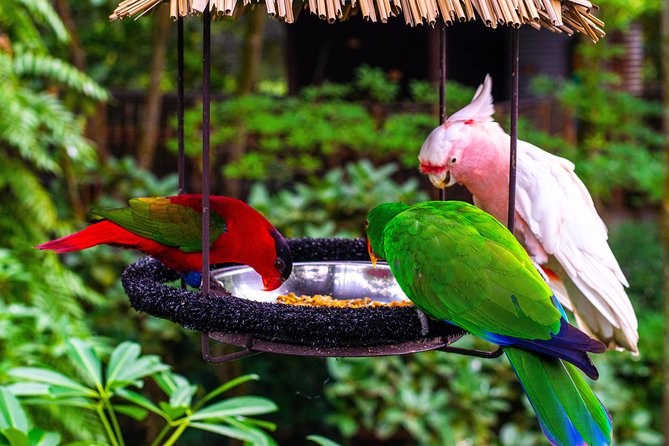
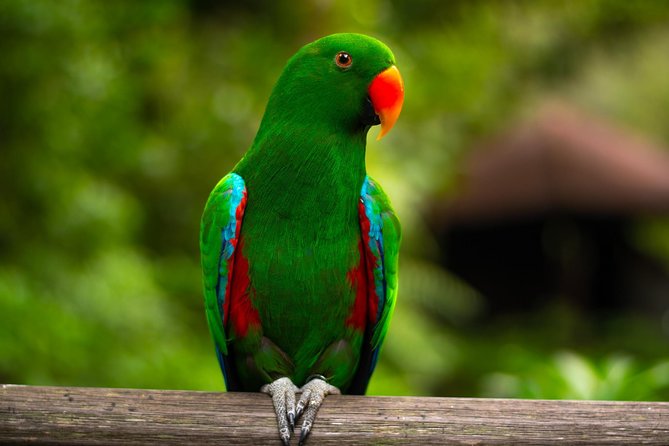
The free-range lorikeets are a particularly appealing possibility. They are known to land on willing participants, creating the chance for a close, lively photograph.
This is not a guaranteed encounter, so treat it as an opportunity rather than a promised part of the itinerary. If a lorikeet does land nearby, you will need to react quickly. A close bird can fill the frame in a moment, and the facilitator may help you decide whether to focus on the bird’s face, its feathers, or the interaction between bird and person.
The experience information does not give specific rules about handling or feeding the birds, so follow the park’s instructions and the facilitator’s guidance. The main photographic value is the unusual distance and lively behavior, not forcing the bird into a particular pose.
Why the small group matters
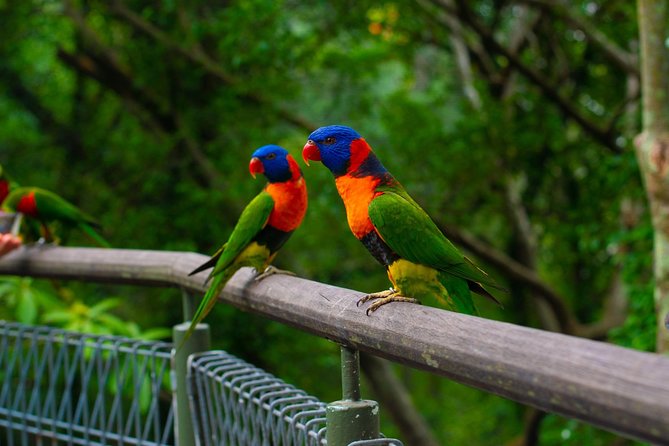
The group maximum is 10 people. That is small enough to make one-to-one input possible, though it is not the same as booking a private lesson.
A group of this size can work well in a bird park because several people may want to photograph the same subject. You will need to share space and listen while the facilitator helps different participants. Still, the cap should give you a better chance of asking questions and receiving feedback than a large public walk.
The course is also site-specific. Advice about photographing birds in an aviary is more useful when you can apply it immediately. You can adjust your framing, try another angle, and ask what went wrong while the subject is still in front of you.
If you already understand basic camera controls, you may get the most from the session because you can concentrate on timing and composition. If you are new to bird photography, the course can help you avoid common mistakes, but the short duration means you should arrive ready to learn rather than expecting a full technical camera course.
What you need to bring
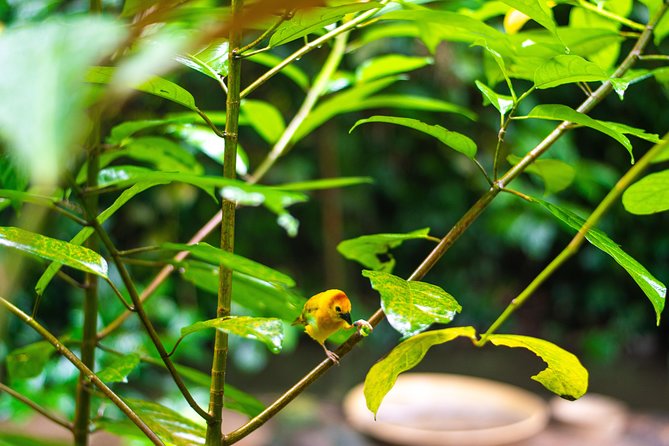
The $95 price is per person, but it does not include entry to Jurong Bird Park. You also pay separately for camera equipment, food and drinks, and weather protection.
That changes the real cost. Before booking, add the park admission fee and decide whether you need a camera, telephoto lens, spare battery, or other equipment. The course does not provide camera gear, so you must arrive prepared with your own setup.
You should also bring protection for Singapore’s weather. A hat and raincoat are specifically excluded, and the activity involves walking outdoors and moving through a large park setting. Comfortable walking shoes are a sensible choice, although the supplied information does not list a precise walking distance.
Do not assume that a smartphone will be suitable for every part of the course. The experience is described as bird photography training, but it does not state which cameras or lenses are required. If you plan to use a phone or a simple camera, ask the provider whether the session will suit your equipment.
Is $95 good value?
The value depends on how seriously you want to improve your photography. For $95, you receive the professional photographer’s instruction and about three hours of focused practice. You do not receive park admission, equipment, food, or weather protection.
That makes this a better deal for someone who already owns a camera and wants direct help in a strong bird setting. The professional guidance is the part you are paying for. If you simply want to see the birds, buying park admission alone may be a more economical choice.
The small group improves the value because the facilitator can offer individual input. It also keeps the session from becoming a crowded lecture. Still, the group cap is 10, not one or two, so you should keep expectations realistic.
The biggest value question is whether you will use what you learn after the session. Composition and timing skills carry over to other wildlife subjects, but the course is short. You will likely leave with a better sense of what to watch for, not a complete mastery of bird photography.
Physical effort and practical limits
You need a moderate level of physical fitness. The information says participants walk on the streets of Singapore to learn photography skills, and the course includes movement through the park.
The exact route, rest arrangements, and accessibility details are not provided. If walking for several hours is difficult for you, contact the provider before booking and ask whether the route suits your needs. The activity ends at the starting point, which simplifies the finish, but it does not remove the need for walking during the morning.
The weather can also shape the experience. Rain protection is not included, and outdoor photography becomes harder when weather changes. Bring your own hat and raincoat if needed, and remember that the course may still require you to continue moving between exhibits.
Who should book this photography session?
I would consider it a good fit for:
- A bird photographer who wants feedback while working with live subjects
- A beginner who wants help with composition and timing
- A bird spotter who already owns suitable camera equipment
- Someone who enjoys colorful, unusual subjects more than a standard city tour
- A photographer who values a small group over a self-guided park visit
I would be more cautious if you mainly want a relaxed morning stroll, do not own a camera, or expect admission and equipment to be included. The course is educational and active, not simply a guided visit to the park.
The experience may also suit you if the Waterfall Aviary is a major reason for your visit. You can practice broad environmental images there, then switch to close portraits and action work elsewhere in the park.
Booking, cancellation, and the current meeting point
Confirmation is provided at booking, and the experience requires a minimum number of participants. If the provider cancels because that minimum is not reached, you are offered another date or experience, or a full refund.
Your own cancellation options are much stricter. The booking is non-refundable and cannot be changed for any reason. That makes the meeting-point warning especially important. Check that Jurong Bird Park is operating, confirm the exact start location near Jurong Hill, and make sure the provider’s contact details work before committing your money.
This is not a minor detail. A photography course can be excellent on paper, but the practical arrangements must be reliable for the $95 price to make sense.
Should you book Jurong Bird Park Bird Photography?
Book it if you want hands-on help with bird photography and already have the equipment and park admission budget. The strongest parts are the range of subjects, the Waterfall Aviary, the chance of close lorikeet encounters, and a group limited to 10 people.
Wait or choose another plan if you cannot confirm the current meeting point and park status. The non-refundable policy gives you little room for error, and one reported booking problem involved an apparently closed meeting location and unanswered messages.
If the logistics check out, this can be a useful three-hour lesson in a setting full of color, movement, and scale. Just budget for the extras and arrive ready to walk, shoot, and make quick choices.
FAQ
How long does the bird photography experience last?
The session lasts approximately three hours.
What time does the activity start?
The stated start time is 8:30 am.
Where does the activity start?
The listed meeting point is before Jurong Hill in Singapore. The experience ends back at the meeting point.
Is entry to Jurong Bird Park included?
No. Park admission is not included and must be paid separately.
Is camera equipment provided?
No. You need to bring or arrange your own camera equipment.
What photography skills are covered?
The facilitator covers composition, action photography, wildlife portraiture, and capturing detail.
How many people can join the group?
The maximum group size is 10 participants.
Which birds might I photograph?
The park includes flamingos, lorikeets, parrots, ostriches, emus, fruit doves, penguins, pelicans, and toucans.
Is food included?
No. Food and drinks are not included.
Can I cancel for a refund?
The experience is non-refundable and cannot be changed for any reason. If the provider cancels because the minimum number of participants is not reached, you are offered another date or experience, or a full refund.
Just added around the world
- Walvis Bay: Pelican Point Seal and Sandwich Harbour Tour★ 4.8 · 15 reviews
- Walvis Bay Shore Excursion: Flamingos, Dune 7, Swakopmund★ 5.0 · 3 reviews
- Vila Franca do Campo: Marine Life & Bird Watching & Islet Tour★ 4.4 · 9 reviews
- VIP falconry taster session★ 5.0 · 2 reviews
- Victoria Falls: Private Birdwatching Safari near the town★ 5.0 · 2 reviews
- Victoria Falls: Private Zambezi River Birdwatching Safari★ 4.7 · 14 reviews
- Vestmannaeyjar: Puffin, Island, and Volcano Boat Tour★ 4.4 · 7 reviews
- USHUAIA | Navigation: Sea Lions, Birds and Lighthouse★ 3.3 · 4 reviews
Singapore Birdwatching Tours, compared.
Royal Albatross – Sunset Sail Cruise with 5-Course Seated Dinner
Read our review →Royal Albatross – Weeknight Buffet Dinner + Free-flow Wine & Beer
Read our review →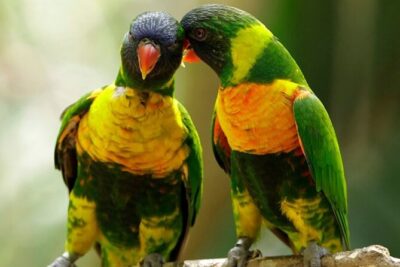
Singapore: Albatross Speedboat Adventures Ticket
Read our review →
Singapore Bird Paradise & Zoo Full Day (Ticket & Transfer )
Read our review →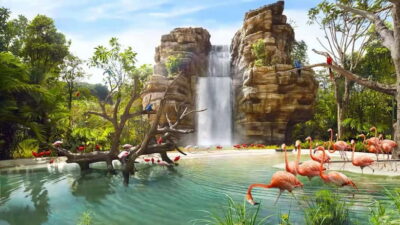

Singapore – Albatross Speedboat Adventures Cruising in Sentosa
Read our review →Browse the lists this tour appears in