
Review · NEW DELHI BIRDWATCHING TOURS
Discover Birding heaven at Sultanpur in a day from Delhi
Sultanpur Bird Sanctuary gives you a quick change of scene from Delhi traffic to open wetlands, shady forest, and bird calls. In about two hours on the road, you can reach a protected area known for roughly 250 bird species, including painted storks, Indian rollers, kingfishers, sunbirds, and winter migrants.
I like the easy hotel pickup and the fact that your host handles the entry tickets. I also like the chance to walk the park rather than view it only from a vehicle, with blue bulls and blackbuck adding a welcome wildlife bonus. The main drawback is timing: two to three hours inside may feel short if you want serious bird photography or a slow full circuit.
Key points
- A practical Delhi escape: Leave between 6:00 and 7:00 a.m. and reach Sultanpur at about 8:00 a.m.
- Around 250 bird species: Look for resident birds such as purple sunbirds and white-throated kingfishers, plus seasonal migrants.
- A real wetland setting: The sanctuary includes a large lake and waterbody, forest, and open walking areas.
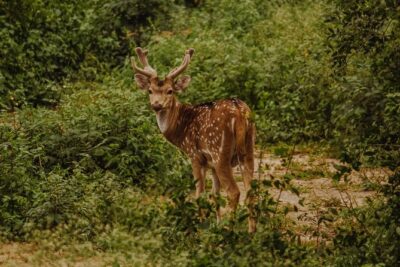
- Wildlife beyond birds: You might spot neelgai, also called blue bull, and blackbuck.
- A walkable park: A complete circuit takes about 1.5 hours on foot, though your scheduled visit allows 2 to 3 hours.
- Season matters: From May through September, birdwatching takes place in the buffer zone while the core area is closed for annual work.
From Delhi roads to Sultanpur wetlands
This is a half-day nature trip built around an early start. Pickup takes place from your Delhi hotel or airport between 6:00 and 7:00 a.m., followed by roughly two hours in an air-conditioned car.
That timing matters. Sultanpur is close enough to Delhi for a morning visit, but not so close that you can roll out of bed at a leisurely hour. You will want to be ready before sunrise, especially if you are hoping to see active birds rather than sleepy silhouettes.
The drive is one of the strongest practical features of the experience. You do not need to arrange a taxi to the sanctuary, work out the entrance process, or find your way back after the visit. A professional English-speaking host accompanies you throughout, and the return drive to Delhi takes about two hours after the park visit.
The transport is private, according to the tour details, with hotel pickup and drop-off in a comfortable air-conditioned car. That makes the $62 price easier to understand. You are paying not only for park entry, but also for a private transfer, a host, and a simple way to fit a nature stop into a Delhi stay.
A few more birdwatching trips around India worth a look
- Village Bike Tour & Birdwatching
★ 5.0 · 18 reviews - Bharatpur Bird watching & Wildlife from Delhi
★ 5.0 · 18 reviews - Chennai, Guided Birding And Birding Photo Trip With Spot Scope, 2 to 3 Hours
★ 5.0 · 16 reviews
Entering Sultanpur at about 8:00 a.m.
Arrival is scheduled for around 8:00 a.m. Your host buys the park tickets, so the transition from car to sanctuary should be straightforward. Once inside, you receive about two to three hours of free time to explore the wetlands and forest.
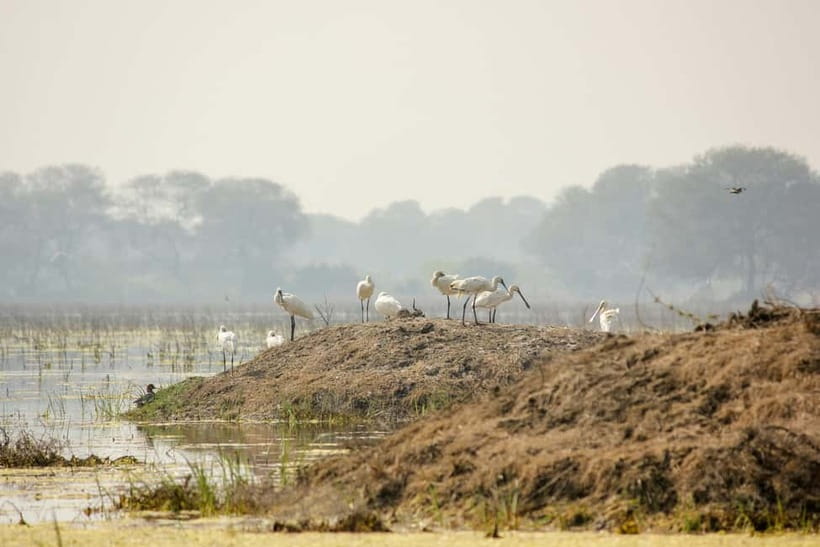
The park’s appeal is its variety in a compact area. The large lake and waterbody draw ducks, waders, storks, and other water-loving birds. Forest and scrub areas offer a different set of sightings, including smaller songbirds and owls.
You are not being rushed from one formal stop to another. The visit gives you time to walk, pause, scan the trees, and watch the water. That freedom is useful because birdwatching rarely follows a neat schedule. A white-throated kingfisher might sit in plain view, while a spotted owlet may demand more patience.
The sanctuary is described as comfortable flat terrain, which makes walking fairly manageable for most visitors. Still, the experience is not suitable for people with mobility impairments, and you should expect to spend much of your time on foot. Wear comfortable flat shoes and bring water, since lunch comes later.
Birds to look for around the lake and forest
Sultanpur is known for a broad mix of resident and migratory birds. The exact sightings depend on season, weather, and luck, so you should treat the species list as a guide rather than a promise.
Among the resident birds, you might find:
- Purple sunbird
- Eurasian thick-knee
- Indian roller
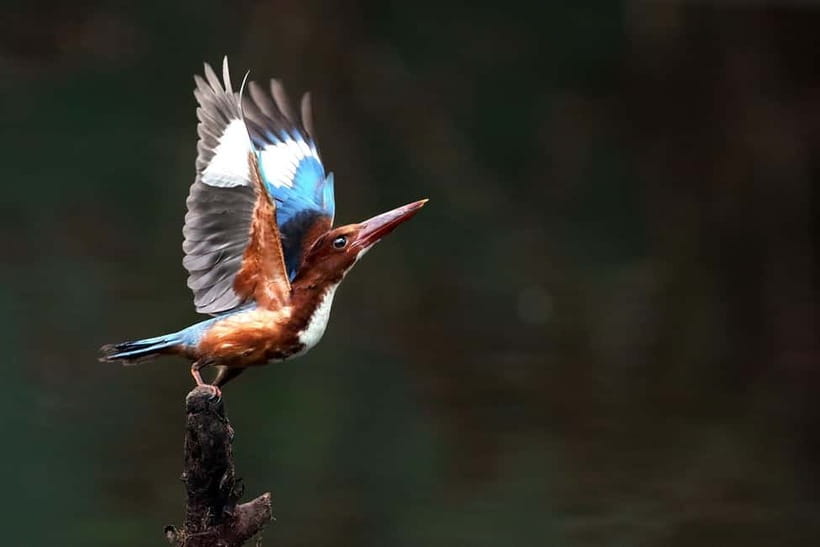
- White-throated kingfisher
- Spot-billed duck
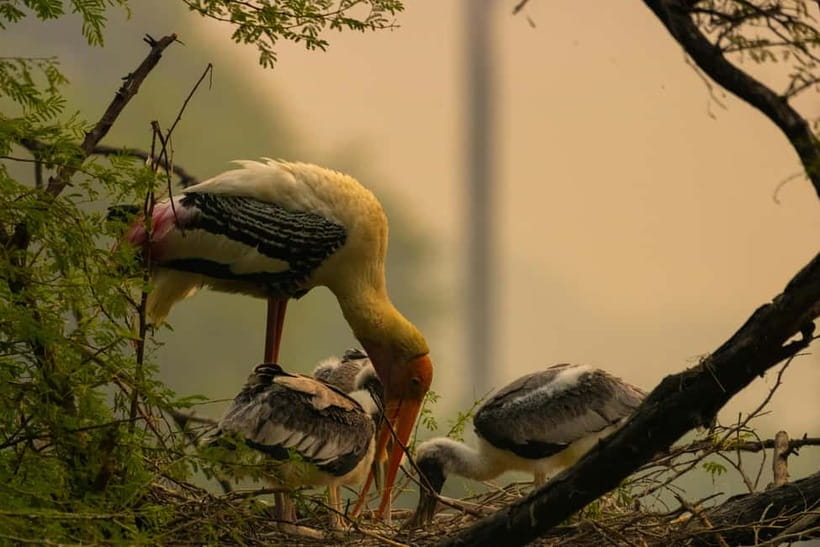
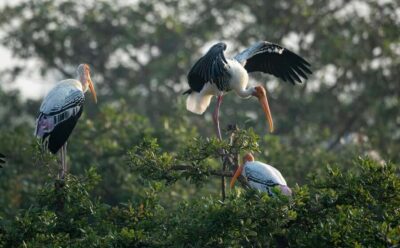
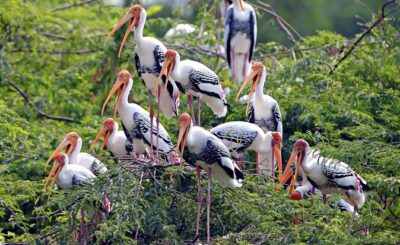
- Painted stork
- White ibis
- Black-headed ibis
- Eurasian collared dove
- Spotted owlet
- Oriental magpie robin
These names give you a sense of the range. The sanctuary is not only for specialists with expensive cameras. You can watch bright kingfishers, large storks, ducks on the water, and small woodland birds within the same morning.
A telescope or binoculars are not included, so bring your own if you have them. The tour does not promise equipment, and birds can be distant or difficult to identify with the naked eye. If you do not own binoculars, the host can still help you look for birds, but your experience will depend more on how close and visible the birds happen to be.
For a first birding outing, the host is especially useful. You are not left to figure out every bird alone, and an English-speaking professional host accompanies you around the sanctuary. No guide name is provided, so you should not book this expecting a particular named naturalist.
Winter brings the biggest bird list
Winter is the most attractive time for visitors interested in migratory birds. More than 100 migratory species arrive at Sultanpur in search of feeding grounds and a place to spend the season.
The winter list includes:
- Siberian cranes
- Greater flamingos
- Ruff
- Black-winged stilts
- Common teal
- Common greenshank
- Northern pintail
- Yellow wagtail
- White wagtail
- Northern shoveler
- Rosy pelican
- Gadwall
- Wood sandpiper
- Spotted sandpiper
- Eurasian wigeon
- Black-tailed godwit
- Spotted redshank
- Starling
- Bluethroat
- Long-billed pipit
You should not expect to see every one of these birds in a single morning. Bird numbers and locations shift, and some species are easier to spot than others. Still, winter gives you the best chance of seeing a varied collection of ducks, waders, cranes, flamingos, and other seasonal visitors.
The winter setting also makes the sanctuary especially good for anyone who wants a break from Delhi’s built-up streets. You get open water, bird movement, and a quieter pace without committing to a long wildlife journey.
Same place, a different morning in the field:
- Private 4-Day Wildlife & Taj Mahal Tour from Jaipur to Delhi
★ 5.0 · 23 reviews - From Delhi: 5 Day Golden Triangle, Safari, & Bird Sanctuary
★ 4.4 · 15 reviews - Sultanpur The wonder of Birding from Delhi
★ 5.0 · 13 reviews - Kalapathar Sunrise, Birdwatching and Village Tour
★ 5.0 · 9 reviews
Summer still has its own appeal

Sultanpur is not only a winter destination. In summer, several migratory species arrive, including Asian koel, black-crowned night heron, Eurasian golden oriole, comb duck, blue-cheeked bee-eater, blue-tailed bee-eater, and cuckoos.
There is one important seasonal change. From May through September, the sanctuary’s core area closes for annual repair and improvement work. Birdwatching is then arranged in the buffer zone outside the reserved core area.
That means the summer experience is not identical to the winter visit. If your main goal is to cover the full sanctuary or see the widest possible range of birds, ask about current access before booking. If you are already in Delhi during the hotter months, the buffer-zone visit still provides a chance to look for birds without traveling far from the city.
The supplied information does not give temperatures, shade conditions, or seasonal bird counts, so you should plan for a warmer outing and confirm the exact viewing area for your date.
Walking the roughly 1.5-hour circuit
A full round of Sultanpur Bird Sanctuary takes about 1.5 hours on foot. Since the scheduled free time is two to three hours, you can complete the circuit and still leave room for stops.
That extra time is valuable. You can walk the route once, then pause near the lake or return to a promising patch of forest. Birdwatching rewards patience more than speed. The first pass helps you get your bearings, while a slower second look can reveal birds you missed.
The flat terrain keeps the route practical, but you should still treat the visit as an active morning walk. Large bags and luggage are not allowed, so leave suitcases at your hotel or in the vehicle. Bring only the essentials, such as a phone, camera, water, sun protection, and binoculars if you have them.
The park is not presented as a rugged trek. Its appeal is the chance to move through wetlands and woodland at an easy walking pace. That makes it a good add-on to a Delhi itinerary, but less suitable if you want a full-day wilderness outing with long hours in the field.
Look beyond birds for blue bull and blackbuck
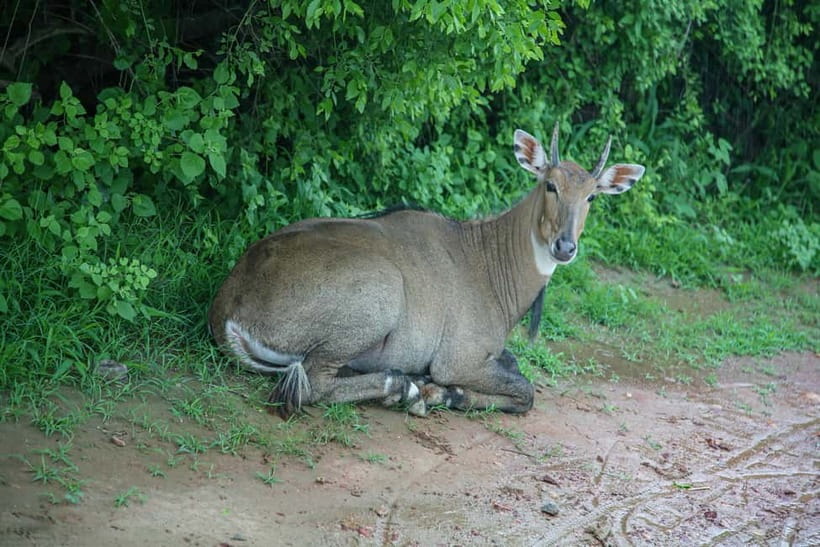
Birds are the main reason to come, but Sultanpur offers two useful wildlife bonuses. You might see neelgai, also called blue bull, and blackbuck.
The blue bull is a large antelope, while blackbuck are smaller and distinctive. Sightings are not guaranteed, but scanning the open areas adds another layer to the morning. You are not limited to looking upward or across the water.
This helps make the experience work for mixed-interest groups. A dedicated birder can focus on seasonal species, while someone less interested in birds can watch for larger animals and enjoy the forest and lake. The tour does not promise a safari-style animal encounter, so keep expectations sensible. These are possible sightings, not scheduled performances.
Lunch near the park and the ride back
Around 11:00 a.m., you have free time for optional lunch at a professional restaurant next to the park. Lunch is not included, and neither are drinks or other major meals.
The restaurant’s location is convenient. You do not need to search for food after walking, and the meal fits neatly before the return journey. If you want to keep the outing short, this is a simple way to finish the morning.
After lunch, you are driven back to your Delhi hotel or airport. The return takes about two hours, so a 6:00 to 7:00 a.m. departure produces a substantial half-day outing rather than a quick morning errand.
If you have an afternoon flight, confirm the timing carefully before booking. The supplied schedule gives approximate times, not a guaranteed airport arrival time, and traffic between Delhi and Sultanpur can affect the journey.
Is $62 a fair price?
At $62 per person, this experience offers solid convenience for visitors staying in Delhi. The price includes private air-conditioned transport, hotel or airport pickup and drop-off, a professional English-speaking host, and the national park entry tickets.
It does not include binoculars, a telescope, lunch, drinks, or an overnight stay. Those exclusions are easy to understand, but they matter if you are building a birding trip from scratch. Bring your own optics or plan to enjoy the birds at closer range and with help from the host.
I see the strongest value in the transport. Sultanpur is close enough to visit but far enough away that arranging a reliable round trip can take effort. Having the car and host arranged also saves you from spending part of your morning negotiating transport or finding the entrance.
The value is less clear for a serious bird photographer who needs a full day, specialist equipment, or a named expert guide. For that kind of visit, the two to three hours in the sanctuary may feel limited. For a first birding outing, a Delhi break, or a visitor with only one free morning, the package is more convincing.
Who will enjoy this morning at Sultanpur?
I would recommend this trip to you if you want nature without giving up a full day of sightseeing in Delhi. It is also a sensible choice for first-time birdwatchers, couples, families with an interest in wildlife, and visitors who prefer a private car to figuring out local transport.
You will get the most from it if you enjoy walking, can start early, and are happy to accept that bird sightings change from day to day. Bring binoculars if possible, and choose winter if migratory birds are your main goal.
I would think twice if you have limited mobility, dislike early starts, need a guaranteed list of species, or want a long, specialist birding session. The sanctuary is walkable and flat, but the experience still requires time on your feet. Also check the access arrangements from May through September, when the core area is closed.
The experience has earned a top rating from the two supplied customer assessments, with particular praise for the guide and for offering something different from Delhi sightseeing. That matches the tour’s main strength: it gives you a straightforward way to replace one city morning with wetlands, woodland, and birds.
Should you book this Delhi birding trip?
Book it if you want an easy nature break with transport included and you are content with a focused half-day visit. The mix of roughly 250 possible bird species, a lake, forest, flat walking routes, and possible blue bull and blackbuck sightings gives the outing more substance than a simple park stop.
Choose winter for the strongest migratory bird potential. Bring binoculars, avoid large bags, and remember that the host is professional and English-speaking, but no particular guide is named. If you want an unhurried full-day birding session, this may be too short. If you want a practical escape from Delhi with a good chance of seeing something unusual, the $62 cost is reasonable.
FAQ
Where is Sultanpur Bird Sanctuary located?
Sultanpur Bird Sanctuary is in Haryana, within about two hours of Delhi by car.
What time does pickup take place?
Hotel or airport pickup in Delhi is scheduled between 6:00 and 7:00 a.m.
When do I arrive at the sanctuary?
Arrival is planned for about 8:00 a.m.
How long do I have inside the park?
You receive about two to three hours of free time to explore the wetlands and forest.
How long does it take to walk around the sanctuary?
A full round of Sultanpur Bird Sanctuary takes about 1.5 hours on foot.
What birds might I see?
Possible sightings include purple sunbirds, Eurasian thick-knees, Indian rollers, white-throated kingfishers, painted storks, spot-billed ducks, white ibises, black-headed ibises, spotted owlets, and magpie robins. Seasonal migrants include flamingos, cranes, ducks, stilts, sandpipers, and wagtails.
Can I see animals besides birds?
You might see neelgai, also called blue bull, and blackbuck.
Are binoculars or telescopes provided?
No. Telescopes and binoculars are not included.
Is lunch included?
No. Lunch and beverages are not included. Optional lunch is available at a professional restaurant next to the park around 11:00 a.m.
What happens during the May to September closure?
From May through September, the core area is closed for annual repair and improvement work. Birdwatching is arranged in the buffer zone outside the reserved core area.
Just added around India
- Sultanpur Bird Sanctuary Tour Near Delhi★ 5.0 · 3 reviews
- Sultanpur Birding Escapade★ 5.0 · 2 reviews
- Bharatpur Birding adventure from Delhi★ 5.0 · 2 reviews
- 2 Days Agra Tour From Delhi with Fatehpur Sikri & bird Sanctuary★ 5.0 · 2 reviews
- Bird Sanctuary, Bharatpur & Taj Mahal, Agra Day Tour from Delhi★ 4.5 · 4 reviews
- Bird Watching at Nandur Madhyameshwar Wildlife Sanctuary Nashik★ 5.0 · 2 reviews
- Munsiari Birding tour★ 5.0 · 4 reviews
- Thattekad Guided Bird Walk.★ 5.0 · 5 reviews
New Delhi Birdwatching Tours, compared.
From Delhi: 5 Day Golden Triangle, Safari, & Bird Sanctuary
Read our review →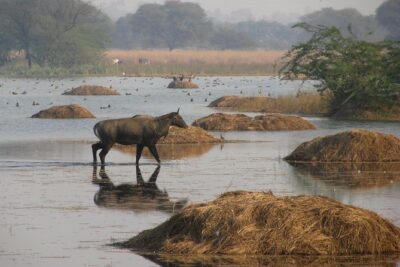

7 Day Golden Triangle Tour with Wildlife-Taj Mahal Tigers & Birds
Read our review →
Bird Sanctuary, Bharatpur & Taj Mahal, Agra Day Tour from Delhi
Read our review →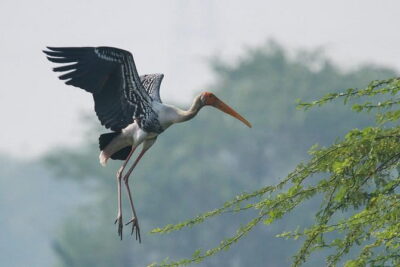

2 Days Agra Tour From Delhi with Fatehpur Sikri & bird Sanctuary
Read our review →Browse the lists this tour appears in