
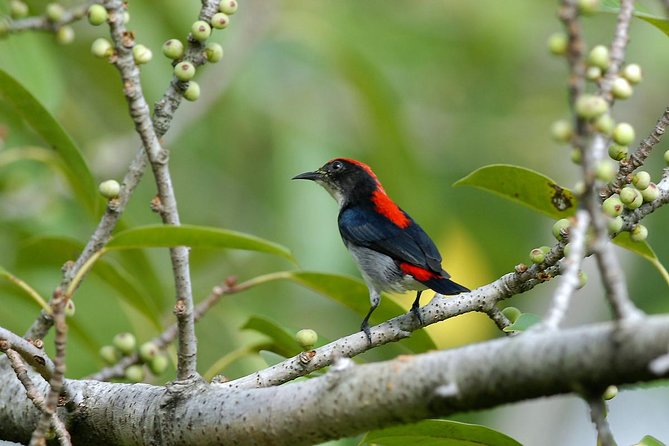
Review · MALAYSIA BIRDWATCHING TOURS
Birdwatching Tour in Langkawi
Langkawi’s best birdwatching is not a quick photo stop. It takes patience, sharp eyes, and a guide who knows where to point. On this four-hour outing, you may move from a village pond filled with egrets and herons to higher rainforest country where great hornbills and mountain birds appear in the treetops. I like the included hotel pickup and the use of binoculars and a scope, which save you from arranging transport or packing a full kit. I also like the small group size, capped at eight people.
The main consideration is simple: this is a proper birdwatching session, not a fast-moving wildlife drive. You may spend several minutes studying one branch through binoculars, and birds can sit far away or stay hidden. That suits keen birders and patient families better than anyone hoping for constant action.
Key points at a glance
- Great hornbills are a major prize: The route gives you a good chance to look for these striking rainforest birds, along with pied hornbills and mountain hawk-eagles.
- Wetlands and rainforest in one outing: Expect a mix of waterbirds, kingfishers, smaller birds, monkeys, and mountain species.
- Guides make the difference: Sham, Afie, Ikram, and other local guides have helped guests spot birds that were almost impossible to see without expert pointing.
- Ethical birdwatching matters: The operator does not use feeding, bait, or bird calls, following BirdLife International best-practice guidance.
- Transport and optics are covered: Return hotel transfers, binoculars, a scope, an English-speaking nature guide, and bottled water are included.
- Plan for heat and uneven walking: Long trousers, long sleeves, walking shoes, a hat, sun protection, and earth-toned clothing are recommended.
Why four hours can reveal so much
Langkawi is more than beaches and cable-car views. Its ponds, mangroves, forest edges, and upland areas support a wide mix of birds. This tour works because it does not rely on one single habitat. A quiet pond may produce whistling ducks, egrets, pond herons, and kingfishers, while the higher forest offers a chance to look for hornbills and raptors.
I like this variety because it keeps the outing useful even when one site is quiet. Birdwatching is never a guaranteed checklist. If the waterbirds are active, you can spend time watching feeding behavior. If the forest birds are calling, your attention shifts upward toward the canopy.
The four-hour length is long enough to give the guide time to wait and search, but short enough to fit around other Langkawi plans. You can choose a morning or afternoon departure. The listed morning start is 7:30 am, a sensible time for birdwatching, though you should confirm the exact afternoon pickup when booking.
A few more birdwatching trips around the world worth a look
- Penguin Parade, & Wildlife Encounters Eco Tour from Melbourne
★ 5.0 · 3,774 reviews - Cape Town: Cape of Good Hope & Penguins Day Tour with Pickup
★ 4.7 · 3,362 reviews - Cape Point and Boulder’s Penguins Full Day Tour
★ 5.0 · 3,118 reviews
From a village pond to mountain rainforest
The outing is built around several birding settings rather than one fixed viewing platform. The description places the day between a village pond and Langkawi’s highest peak, with the JungleWalla base or stop forming part of the experience. The exact order can depend on the day, weather, and bird activity.
At the pond and wetland areas, look for birds that favor open water and muddy edges. Whistling ducks, egrets, herons, and pond herons are among the likely targets. These species may be easier to spot than small rainforest birds, but they are still worth watching closely. A patient guide can help you notice feeding habits, flight patterns, and birds standing quietly among vegetation.
Kingfishers are one of the tour’s most appealing targets. Several sightings have included common kingfishers, including one photographed with a fish, and one outing produced four kingfishers. That kind of moment depends on timing, but the guide’s ability to scan branches and banks is valuable.
The forest sections are more demanding. You may need to look high into the canopy, often at a considerable distance. Great hornbills and pied hornbills are memorable sights, but they are not guaranteed to sit in an easy position for photographs. Bring patience rather than expecting a close-up every time.
The move toward mountain country adds a different feel. The views broaden, and the bird search includes rainforest species such as mountain hawk-eagles. You might also see monkeys and other wildlife along the way, though birds remain the main purpose of the outing.
What guides Sham, Afie, and Ikram add
A good bird guide is not simply a driver who knows a few bird names. The most useful skill is spotting movement before you do. One guide may say to look under the second branch, and suddenly a bird that seemed invisible is sitting right there.
Sham has explained why Langkawi’s mangroves matter, giving the outing a wider purpose beyond ticking species off a list. That context is useful if you are new to birdwatching. It helps connect the birds to the places they need for feeding and shelter.
Afie has been singled out for finding oriental hornbills, kingfishers, and a field full of egrets and pond herons. She has also helped people find 23 different bird species during one outing. Those numbers will vary, but they show what a guide can add to an otherwise ordinary walk through the countryside.
Ikram has also led outings that included plants, birds, and local scenery. Guides may be assigned according to availability, so you should not assume you will receive a particular person. Still, the provider’s local-guide format is a real advantage. You are not left to identify distant shapes on your own.
If you have a target bird, tell the operator in advance. The tour specifically invites birders to share a target list. The guide will try to help, but no ethical birdwatching tour can promise a sighting.
A good choice for serious birders and curious families
This experience is family-friendly, but its appeal depends on the family. Older children who enjoy looking carefully and waiting for wildlife may have a wonderful time. Young children who need constant movement may find the pace slow.
The tour is especially well suited to:
- Birders building a Langkawi species list
- Photographers who understand that wild birds may remain distant
- Families with patient children
- Nature lovers wanting more than beach time
- Visitors without binoculars or a rental car
- People who want local explanation as well as transport
It is less suitable if you want a short, guaranteed wildlife encounter. One outing produced plenty of birds, while another person found the binocular work too lengthy and aimed the experience mainly at bird enthusiasts. That is a fair warning. The tour is not a general sightseeing trip with a few birds added on.
You should also have a moderate level of physical fitness. The activity involves walking and standing in outdoor settings, with exposure to sun and possible rain. The guides have continued outings in wet conditions, but weather can affect both comfort and visibility.
Same place, a different morning in the field:
- Cape of Good Hope & Boulder Penguins Full-Day Tour from Cape Town
★ 5.0 · 2,347 reviews - From Melbourne: Penguin Parade, Koalas & Kangaroos
★ 4.5 · 1,932 reviews - Table Mountain, Penguins & Cape Point Small Group Tour Cape Town
★ 4.5 · 1,797 reviews - Cape Town Tour: Table Mountain, Penguins & Cape Point+Pickup
★ 4.7 · 1,671 reviews
How to dress and what to bring
Wear long sleeves, long trousers, and walking shoes. A hat and strong sun protection are sensible in open areas. Earth colors such as green, brown, or black are recommended, while bright red, yellow, and white clothing can make you more noticeable to wildlife.
Binoculars are supplied, and a scope is used for distant birds. I would still bring your own binoculars if you have them, since familiar optics are faster to use and easier to adjust. A camera with a long lens can help, but do not book this expecting every bird to fill the frame.
Food and drinks are not included. Bottled water is supplied, but you should make your own arrangements for anything more substantial. Since the experience lasts about four hours, eat beforehand or carry suitable food if permitted by the operator.
Keep your expectations realistic during photography. Langkawi’s birds may sit high up, behind leaves, or across open water. The reward is often seeing behavior, such as a kingfisher catching a fish, rather than getting a perfect portrait.
Ethical birdwatching without bait or calls
One of the tour’s strongest features is its clear approach to wildlife. JungleWalla follows BirdLife International guidelines for responsible bird tourism and does not use feeding, bait, or artificial bird calls.
That matters because attracting a bird can produce a better photograph while changing its natural behavior. It can also disturb feeding patterns and create problems at popular sites. Here, the guide’s job is to find birds through patience, habitat knowledge, and careful observation.
This approach also means you need to accept uncertainty. You may miss a target bird even when conditions seem promising. A wild hornbill is not a scheduled performer. The trade-off is a more respectful encounter and a better understanding of how difficult real field observation can be.
Is $82 a fair price?
At $82 per person, the tour is not the cheapest way to spend four hours in Langkawi. The price makes more sense when you count what is included: return transfers from hotels in Langkawi, an English-speaking nature guide, binoculars, scope access, and bottled water.
You are paying for local expertise as much as transport. Without a guide, you might see an egret or heron at a pond, but you could easily miss a small kingfisher, a distant hornbill, or a raptor high above the trees. The guide also handles the day’s movement between habitats, which is useful if you do not have a car.
The value is strongest for two or more people who care about birds. A minimum of two people is required, and the maximum group size is eight. That cap should make it easier to hear the guide and share viewing equipment than on a large coach excursion.
For a casual sightseer who only wants a few nature photographs, the price may feel high. For a birder who would otherwise need to arrange a driver, rent optics, and research sites, it is a reasonable package.
Timing, pickup, and weather
Hotel pickup is offered throughout Langkawi, and return transport is included. That removes one of the practical headaches of early morning birdwatching. The stated morning meeting time is 7:30 am, while an afternoon departure is also available.
Confirm the pickup details with JungleWalla before the day of the tour. One person had a communication mix-up because the operator had not received the booking information, so a quick check is sensible. It is especially important if you are staying away from the main hotel areas or choosing the afternoon option.
The activity requires good weather. If poor weather forces cancellation, you can choose another date or receive a full refund. You can cancel for a full refund up to 24 hours before the start time, but cancellations or changes made inside that window are not accepted.
Should you book the Langkawi birdwatching tour?
Book it if you enjoy slow wildlife watching, want help finding birds, or have specific targets such as hornbills and kingfishers. The mix of ponds, open areas, and mountain rainforest gives you more than one chance to see something interesting, while the small group and included transport keep the day practical.
Think twice if you dislike waiting, are focused mainly on close photographs, or want a broad sightseeing tour. Birds may be distant, the weather may turn, and much of the pleasure comes from looking carefully through binoculars.
For the right person, this is a thoughtful way to see Langkawi beyond the beach. Tell the guide your target birds, wear quiet earth-toned clothing, and give the forest time to reveal itself.
FAQ
How long does the birdwatching tour last?
The experience lasts approximately four hours.
What time does the morning tour start?
The listed morning start time is 7:30 am.
Is an afternoon departure available?
Yes. You can choose a morning or afternoon departure, but you should confirm the exact afternoon time with the operator.
Is hotel pickup included?
Yes. Return transfers from hotels in Langkawi are included.
What birds might I see?
Possible sightings include whistling ducks, egrets, herons, pond herons, kingfishers, oriental hornbills, pied hornbills, great hornbills, and mountain hawk-eagles.
Are binoculars provided?
Yes. Binoculars are provided for use, and a scope is also included for viewing distant birds. You are advised to bring your own binoculars if you have them.
What should I wear?
Wear long sleeves, long trousers, walking shoes, a hat, and good sun protection. Earth colors such as green, brown, or black are recommended, while bright colors should be avoided.
Is the tour suitable for children?
Yes, the tour is described as family-friendly. Children should be comfortable with walking, outdoor conditions, and spending time quietly watching birds.
What happens if the weather is poor?
The experience requires good weather. If it is canceled because of poor weather, you can choose another date or receive a full refund.
Just added around the world
- Walvis Bay: Pelican Point Seal and Sandwich Harbour Tour★ 4.8 · 15 reviews
- Walvis Bay Shore Excursion: Flamingos, Dune 7, Swakopmund★ 5.0 · 3 reviews
- Victoria Falls: Private Birdwatching Safari near the town★ 5.0 · 2 reviews
- Vila Franca do Campo: Marine Life & Bird Watching & Islet Tour★ 4.4 · 9 reviews
- VIP falconry taster session★ 5.0 · 2 reviews
- Vestmannaeyjar: Puffin, Island, and Volcano Boat Tour★ 4.4 · 7 reviews
- Victoria Falls: Private Zambezi River Birdwatching Safari★ 4.7 · 14 reviews
- USHUAIA | Navigation: Sea Lions, Birds and Lighthouse★ 3.3 · 4 reviews
Malaysia Birdwatching Tours, compared.



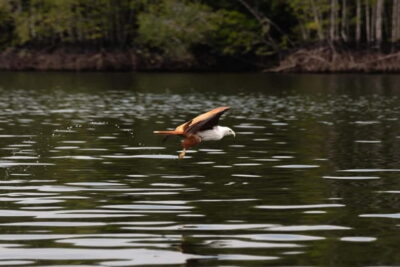
Langkawi: Kilim Geopark Mangrove Tour with Eagle Watching
Read our review →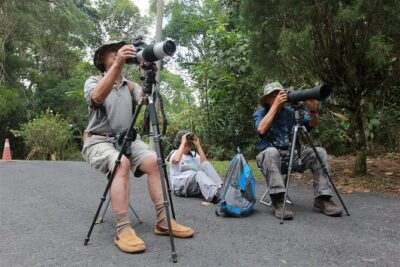
Fraser’s Hill Bird-Watching & Nature Sightseeing Tour from Kuala Lumpur
Read our review →
Bird Park & Butterfly Farm Nature Include All Entrance Tour From Kuala Lumpur
Read our review →
Bird Park & Butterfly Farm Nature Tour From Kuala Lumpur
Read our review →Browse the lists this tour appears in