
Review · USA BIRDWATCHING TOURS
Birding By Boat on the Osprey
Cape May’s salt marsh is best understood from the water. On this two-hour cruise, Captain Bob threads through the back bay and narrow wetland channels, looking for ospreys, bald eagles, herons, egrets, cormorants, and shorebirds feeding on the mud flats. The boat gives you angles that are hard to get from shore, especially around quiet marsh corners.
I like the included binoculars, which make this an easy outing even if you are new to birding. I also like the small group size, with no more than 20 people, and the calm, protected water that makes the ride pleasant for older family members and anyone who dislikes rough seas.
The main drawback is that birding depends on weather, light, and wildlife behavior. Fog and rain can make photography difficult, and narration may be harder to hear from the front of the boat. If your main goal is dramatic photos, choose the clearest day you can.
Key points to know before you go
- Cape May’s back bay is the main attraction: You cruise behind Cape May and Wildwood through salt marsh channels, mud flats, and wetland habitat.
- Captain Bob knows where to look: The boat regularly searches for ospreys, bald eagles, herons, egrets, cormorants, and migrating shorebirds.
- Binoculars are supplied: You do not need to bring your own pair to get useful views.
- The boat holds up to 20 people: That keeps the outing fairly personal and gives the guide room to point out wildlife.
- The standard trip lasts about two hours: Saturday, Sunday, and Monday morning cruises sponsored by the Cape May Bird Observatory may run 2.5 or 3 hours and cost more.
- Weather matters: Poor conditions can lead to a new date or a full refund, and cancellation without penalty is available up to 24 hours before departure.
Why Cape May is such a strong birding base
Cape May sits on a major route for migrating birds. Its position at the southern end of New Jersey funnels many species toward the coast, where salt marshes, mud flats, and shallow water provide places to feed and rest.
From land, you can see plenty of birds around Cape May. From a boat, you reach the sheltered wetland behind the town and Wildwood. That change of viewpoint matters. Some birds stay in marsh areas that are difficult to approach on foot, and the boat can move quietly along channels to find them.
The setting also gives you a better sense of how the marsh works. Birds gather where water exposes feeding areas, and larger species often hold to the edges of the channels. You are not simply looking at a checklist. You are seeing a working wetland, with birds using different parts of it at different times.
You may see ospreys near their nests, herons standing along the shoreline, or groups of shorebirds working across exposed mud. Bald eagles are possible too, and spotting one in its natural habitat can be the highlight of the morning. Sightings are never guaranteed, but the area supports enough bird life to keep the trip interesting even when one hoped-for species stays out of view.
A few more birdwatching trips around the USA worth a look
- Marco Island 2 hour Dolphin, Birding and Shelling tour
★ 5.0 · 503 reviews - Piff the Magic Dragon at the Flamingo Las Vegas
★ 4.5 · 501 reviews - Colorado Springs Hands-On Falconry Class and Demonstration
★ 5.0 · 293 reviews
Boarding at 1212 Wilson Drive
The tour begins at 1212 Wilson Drive in Cape May at 10:00 a.m. The activity returns to the same meeting point, so you do not need to arrange a separate ride back from another dock.
The boat carries a maximum of 20 people. That is a useful limit for birding because wildlife can be easy to miss when a large crowd is talking over the guide or blocking the view. A smaller group also makes it easier to shift your attention from one side of the boat to the other when the naturalist spots something.
Bring clothing that works for time on the water. Even on a pleasant day in town, the boat can feel cooler, and conditions may change during the two-hour trip. Since the operator requires good weather, the schedule can change if wind, rain, or visibility make the outing unsuitable.
Confirmation is provided at booking, and the ticket is mobile. Service animals are allowed, and most people can participate. The supplied information does not give detailed boarding specifications, so anyone with particular mobility needs should check directly before reserving.
Following the salt marsh channels
Once underway, the boat cruises through the coastal salt marsh behind Cape May and Wildwood. This is the core of the experience, and the route is more about finding active habitat than following a rigid list of stops.
Captain Bob uses his familiarity with the waterways to look for places where birds gather. The boat may pause near mud flats or areas with nests, giving you time to use the binoculars and listen to the naturalist explain what you are seeing.
The route can include quiet stretches of grassland and winding water channels. Those stretches are not wasted time. Even when a bird is not immediately visible, they let you see the marsh from inside its own system rather than from a distant boardwalk or roadside viewpoint.
The boat is also part of the pleasure. The water is protected, and several people found the ride steady rather than rough. That makes it a good choice for a mixed-age family group, including an 87-year-old birder who found the boat easy to move around and the water calm throughout the trip.
The birds you might see
The bird list can change with the season. The tour runs daily from April through October, covering spring migration, summer nesting activity, and the early part of fall migration.
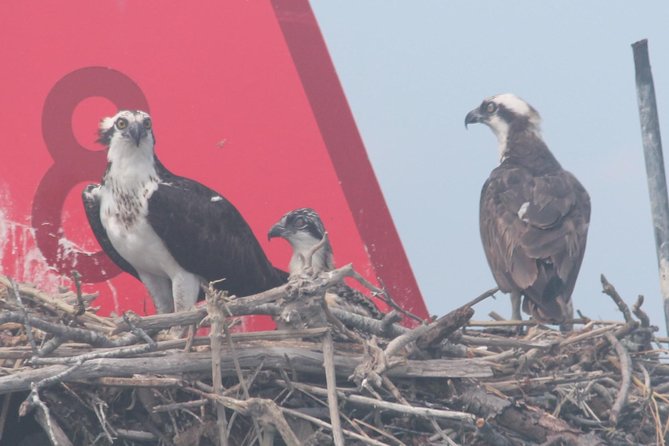
Ospreys are among the signature sightings. These large fish-eating birds are closely tied to coastal water, and the marsh provides a good place to look for them. You may also see osprey nests, which give the guide a chance to explain how the birds use the area.
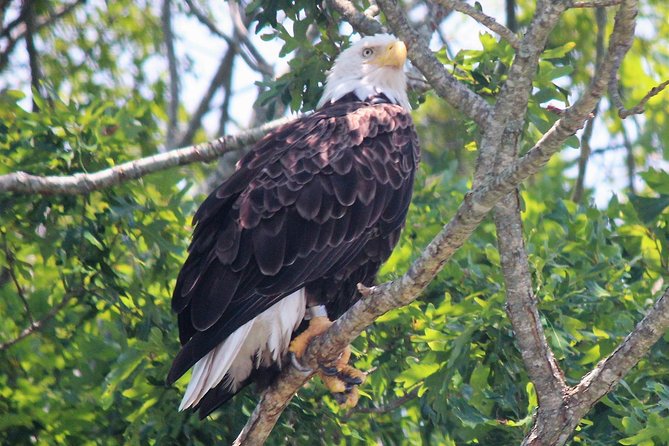
Bald eagles are another possible prize. One trip began with an eagle sighting, while another included a very large adult eagle among many other species. There is no promise that an eagle will appear, but the habitat makes the possibility real rather than remote.
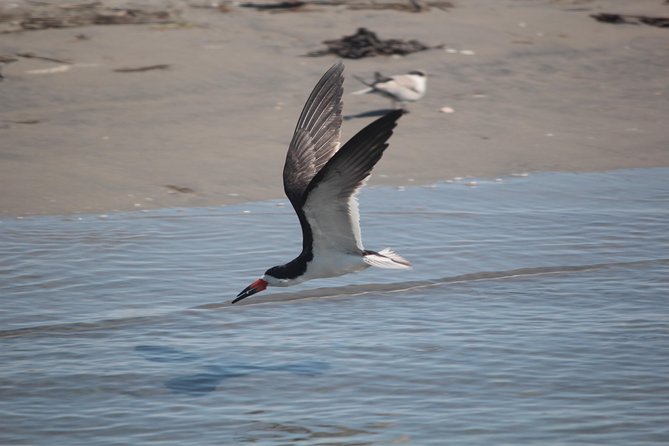
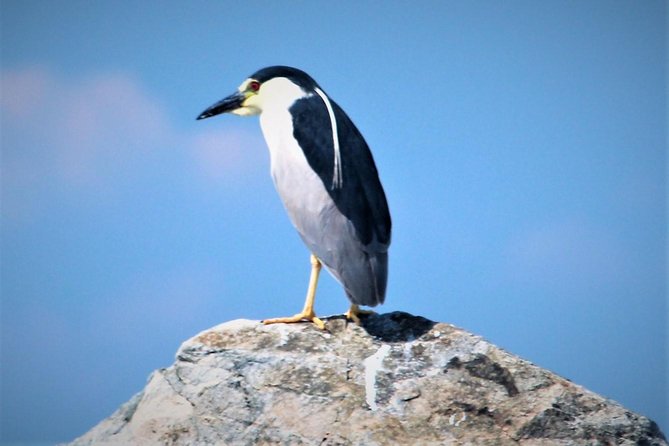
Herons and egrets are common targets, with their tall shapes often easier to pick out along the water’s edge. Great Cormorants have also been spotted, along with greater yellowlegs, dunlin, and other shorebirds. If you are new to birding, these smaller birds may look like a blur at first. The guide helps you notice leg color, body shape, feeding behavior, and where each species prefers to stand.
This is where the naturalist adds real value. Without help, you might see a flock and simply record it as a group of shorebirds. With guidance, you have a better chance of separating similar species and understanding why they are gathered in that particular place.
Same place, a different morning in the field:
- Early-Bird Tasting Tour of Pike Place Market
★ 5.0 · 1,154 reviews - 2 Hour Dolphin, Birding and Shelling Tour
★ 5.0 · 247 reviews - Skip the Line: Flamingo Gardens Admission Ticket in Fort Lauderdale
★ 4.5 · 223 reviews - Destin Parasailing Experience
★ 5.0 · 219 reviews
Captain Bob and the naturalist make the difference
A boat alone would provide a pleasant ride, but the crew turns it into a proper wildlife outing. Captain Bob handles the route and gets the boat close to bird habitat without treating the marsh like a racetrack.
The naturalist points out birds as they appear and explains the local species, migration, and wetland environment. That partnership works well: the captain can position the boat while the naturalist keeps the group focused on what is happening around you.
The guides are especially helpful if you are just getting started. One first-time birder became interested enough to plan another trip with experienced birding relatives. That is a good sign for beginners who worry they will not know what to look for.
Experienced birders should find enough variety to make the ride worthwhile, too. The route changes with conditions, and the chance of seeing less common species, such as Great Cormorants, adds interest beyond a basic sightseeing cruise.
One practical point: narration may be easier to hear from some parts of the boat than others. A passenger at the front found it difficult to catch all the commentary. If the explanation matters as much to you as the views, stay near the guide when possible and ask questions when the boat is stopped.
Binoculars, viewing, and photography
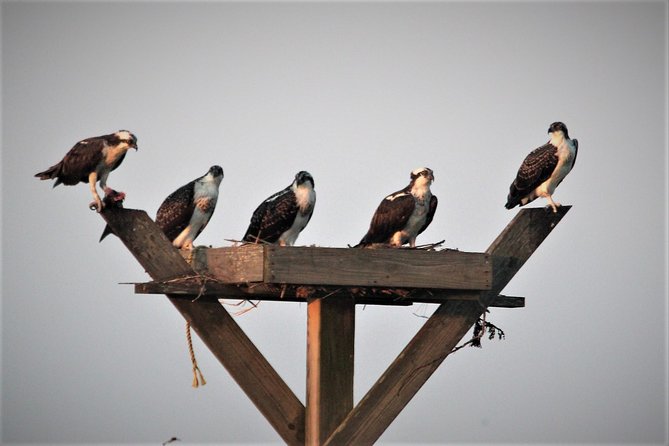
The tour supplies binoculars, and this is a meaningful part of the $38 price. Good optics can make the difference between a distant bird and a clear view of its shape, markings, and behavior.
You can still bring your own binoculars if you prefer them, but you do not have to buy or pack equipment just for this outing. That keeps the experience approachable for casual nature lovers and families.
Photographers should set expectations carefully. The boat can bring you closer to birds than many shore-based viewpoints, but wildlife does not pose on command. Fog and rain may reduce visibility, flatten the light, and make moving subjects difficult to capture.
The tour is better for seeing and learning than for guaranteeing frame-worthy photographs. You may get excellent opportunities when the boat pauses near a bird or feeding area, but you should treat those moments as a bonus. Binoculars will generally be more useful than a long camera lens for following fast-moving birds.
What the $38 price gets you
At $38 per person, the standard cruise is fairly priced for a two-hour guided boat outing. You are paying for the boat, the captain, a naturalist-led birding experience, and binoculars, rather than just a short ride around the bay.
The value is strongest if you want help finding and identifying birds. A self-guided walk can cost less, but you may miss birds hidden in the marsh or spend much of your time guessing at distant shapes. Here, the crew’s daily familiarity with the waterways gives you a better chance of seeing active habitat during a limited visit.
The tour also works well as a break from Cape May’s beach and restaurant scene. It shows you a quieter side of the area, one built around tidal water and wildlife rather than boardwalk activity.
Some weekend and Monday morning departures are sponsored by the Cape May Bird Observatory. Those trips cost more and last either 2.5 or 3 hours, depending on the season. They may suit serious birders who want more time on the water, while the standard two-hour trip is enough for most first-time visitors.
Who will enjoy this most
I would choose this trip for anyone who likes wildlife but does not yet know much about birds. The guide support and supplied binoculars remove much of the usual intimidation.
It also suits families with mixed interests. A committed birder can study species and behavior, while a less devoted companion can enjoy the boat ride, marsh scenery, and chance of seeing an eagle. The calm water makes it more comfortable for older relatives than an open-water excursion would be.
Repeat visitors to Cape May can use it to see a different side of the area. One person returned after five years and found the outing just as enjoyable, which makes sense because seasonal bird activity and route conditions can change from one visit to the next.
I would be more cautious if your only goal is professional photography. Weather and wildlife behavior are beyond the crew’s control, and some parts of the boat may make narration or viewing less convenient. For photographs, choose a clear day and keep the binocular experience at the center of your expectations.
Timing, weather, and cancellation
The standard trip starts at 10:00 a.m. and runs about two hours. It operates daily from April through October, giving you a wide seasonal window, though the species mix will change during those months.
You can cancel for a full refund up to 24 hours before the local start time. Changes or cancellations inside that window are not accepted for a refund.
The operator may cancel because of poor weather or because too few people booked. In either case, you are offered another date or a full refund. Since visibility and water conditions matter so much for birding, this weather rule protects the quality and safety of the outing rather than being a minor scheduling detail.
Should you book Birding By Boat on the Osprey?
Book it if you want a calm, guided look at Cape May’s marshes and would like help finding birds that are hard to spot from land. The combination of Captain Bob’s boat handling, a naturalist’s explanations, and supplied binoculars gives beginners a strong start while still offering experienced birders worthwhile sightings.
The best reason to go is not a guaranteed eagle or a perfect photograph. It is the chance to spend two hours inside one of the country’s major bird migration areas, seeing how the marsh supports ospreys, herons, shorebirds, and marine life.
Skip it only if you dislike boat outings, need guaranteed photo conditions, or have no interest in wildlife. For nearly everyone else, $38 is a sensible way to trade two hours of beach time for a close look at Cape May’s quieter and more surprising side.
FAQ
Where does the tour begin?
The tour begins at 1212 Wilson Drive, Cape May, New Jersey 08204.
What time does the tour start?
The listed start time is 10:00 a.m.
How long does the standard tour last?
The standard Birding By Boat experience lasts approximately two hours.
Where does the tour end?
The boat returns to the same meeting point at 1212 Wilson Drive.
What months does the tour operate?
The tour operates daily from April through October.
How many people can join the boat?
The maximum group size is 20 people.
Are binoculars provided?
Yes. Binoculars are included for birdwatching.
What birds might I see?
Possible sightings include ospreys, bald eagles, herons, egrets, Great Cormorants, greater yellowlegs, dunlin, and other shorebirds.
Are longer departures available?
Saturday, Sunday, and Monday morning cruises sponsored by the Cape May Bird Observatory may last 2.5 or 3 hours and have a higher price.
What happens if bad weather cancels the tour?
You will be offered a different date or a full refund if the experience is canceled because of poor weather.
Just added around the USA
- Blue Heron Bridge Guided Snorkel Tour★ 4.5 · 22 reviews
- Flamingle Happy Hour Cruise★ 4.5 · 31 reviews
- Chincoteague and Assateague Birdwatching Boat Tour★ 5.0 · 16 reviews
- Kayak/SUP Tour: Birds, Beavers, Turtles, maybe even Cliff Jumping★ 5.0 · 26 reviews
- Half-Day Private Bird Tour of Fort De Soto Park in St. Petersburg – 2 person max★ 5.0 · 2 reviews
- Chilkat Bald Eagle Preserve Rafting – Skagway Departure★ 4.5 · 30 reviews
- Skagit Valley Birding + Deception Pass Day Tour From Seattle★ 5.0 · 3 reviews
- Sunset, Dolphin/Birding On A Private Guided Savannah Cruise★ 5.0 · 3 reviews
USA Birdwatching Tours, compared.
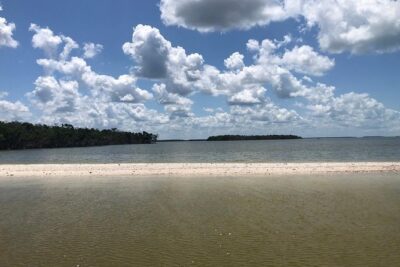
Marco Island 2 hour Dolphin, Birding and Shelling tour
Read our review →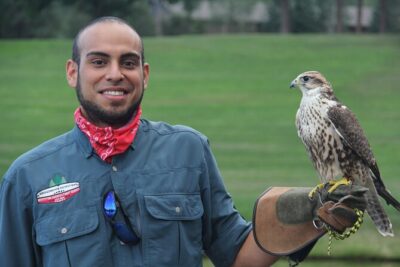
Colorado Springs Hands-On Falconry Class and Demonstration
Read our review →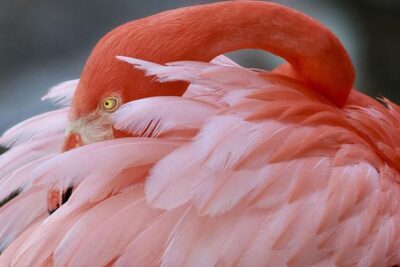
Skip the Line: Flamingo Gardens Admission Ticket in Fort Lauderdale
Read our review →
Blue Heron Drift Fishing Family Friendly Charter
Read our review →
Two-Hour Everglades Dolphin, Manatee and Birding Boat Tour
Read our review →Browse the lists this tour appears in