
Review · BIRDWATCHING
Barbados: Bird Watching Experience
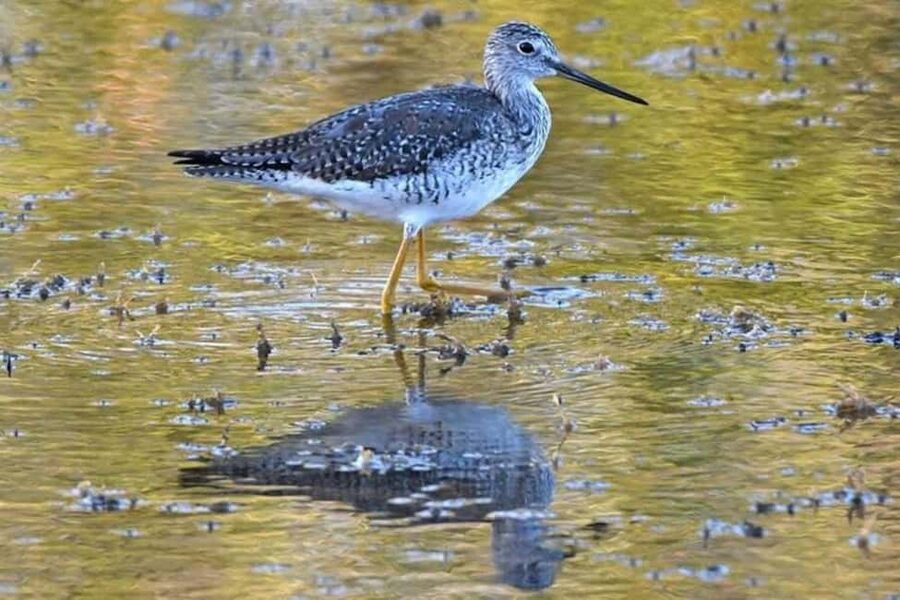
The best reason to book this Barbados bird-watching trip is its access to places you might not reach on your own. In 150 minutes, you move from Inch Marlow’s coastal air to the wetlands of Chancery Lane and quiet ponds around Saint Philip, looking for Blue Herons, Snowy Egrets, Ruddy Turnstones, sandpipers, and seasonal visitors.
I like the small group of eight and the fact that binoculars, a field guide, transport, water, and drinks are included. I also like the easy pace: this is less about racing from one sighting to the next and more about standing quietly long enough to notice what is around you.
The main thing to consider is the price. At $140 per person, this is not a cheap sightseeing ride, especially if you already have binoculars and a car. Its value depends on how much you want local guidance, access to less-visited spots, and the convenience of having the route and transport handled for you.
Key points to know before you book
- Chancery Lane is the birding center of the route: Its wetlands are a key stop for migratory birds passing through Barbados.
- The route covers several habitats: You visit coastal areas, windswept dunes, wetlands, cliffs, gardens, and quiet ponds.
- The group is limited to eight people: That gives the guide a better chance to keep the outing calm and personal.
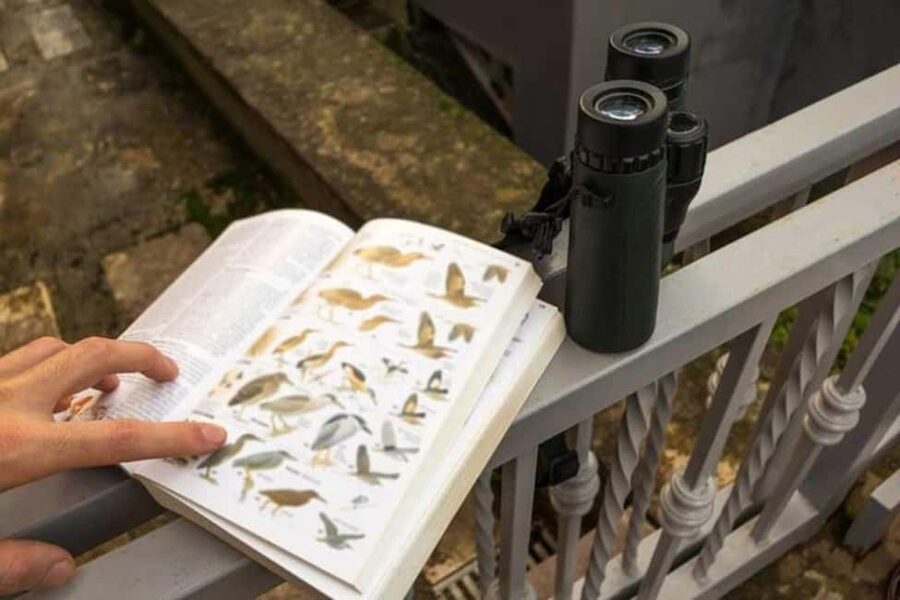
- Binoculars and a field reference guide are included: You do not need to arrive with specialist equipment.
- Pickup is included: Collection begins about an hour before departure, usually 45 to 60 minutes before the scheduled start.
- The finish includes drinks: Water, soda, beer, and the company’s rum punch are part of the package.
Why this bird-watching route is different
Barbados is often sold through beaches, rum, and bright coastal scenery. This experience gives you another way to read the island. Birds reveal the quieter side of Barbados, especially in wetlands and low-traffic areas where you can hear more than you see.
The route is based in and around Christ Church and Saint Philip, on the island’s southeast side. That matters because the southeast offers a mix of coast and inland water rather than one single viewing spot. You are not simply parked beside a pond for two and a half hours.
The trip starts at Inch Marlow in Christ Church. Salt air and open views set the tone, but the birding is not limited to the shoreline. From there, the route moves toward Chancery Lane, then into Woodbourne Terrace and Windward Park in Saint Philip.
This variety gives you several chances to see different kinds of birds. Wading birds may favor wet areas, while shorebirds can appear near the coast. Migratory birds add an element of chance, since the exact species and number you see will depend on the season and conditions.
That uncertainty is part of bird-watching. You are not buying a guaranteed checklist. You are buying time in good habitat, local eyes to help you spot movement, and a better understanding of why these places matter.
A few more birdwatching trips around the world worth a look
- Penguin Parade, & Wildlife Encounters Eco Tour from Melbourne
★ 5.0 · 3,774 reviews - Cape Town: Cape of Good Hope & Penguins Day Tour with Pickup
★ 4.7 · 3,362 reviews - Cape Point and Boulder’s Penguins Full Day Tour
★ 5.0 · 3,118 reviews
Starting at Inch Marlow in Christ Church
Your pickup is included, but the exact time is confirmed after booking. Collection starts one hour before departure and is typically 45 to 60 minutes before the stated tour time, so you should keep part of your morning or afternoon free around the activity.
The first setting is Inch Marlow, a useful introduction to the southeast coast. The ocean breeze and salt air make it clear that this is not a sealed-off wildlife park. You are looking at birds within the natural coastal setting of Barbados.
This opening stop should suit you if you enjoy a slow start. Rather than filling the first minutes with a long lecture, the guide can help you settle into the basic rhythm of birding: scan, listen, wait, and look again.
That sounds simple, but it is useful for beginners. A bird can be easy to miss when you expect it to move like a person or a larger animal. Binoculars help, and the included field guide gives you a way to compare what you see.
The coastal beginning also gives experienced birders a chance to start building a list. Blue Herons, Snowy Egrets, Ruddy Turnstones, and sandpipers are among the birds you may look for, while rare visiting birds are possible but not promised.
Chancery Lane wetlands and the migratory route
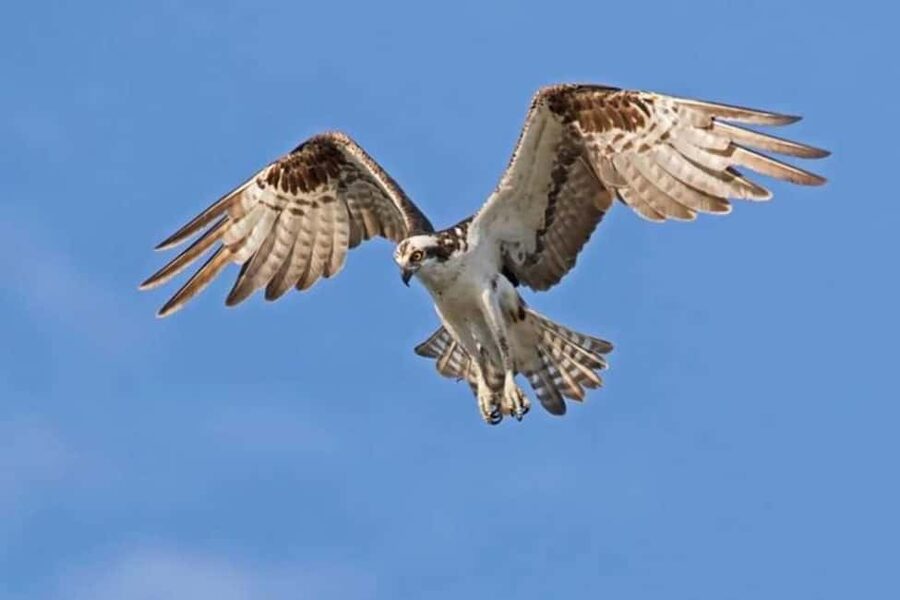
The most important stop on the route is Chancery Lane. Its wetlands are described as one of Barbados’ premier habitats for migratory birds and a vital stop for species moving through the region.
This is where the experience has its strongest appeal. You are not just searching for colorful birds in a pretty place. You are seeing a working part of a much larger migration route, where birds pause, feed, and continue their journeys.
The area includes windswept dunes and wet ground, so closed-toe shoes are essential. Open-toed shoes are not allowed, and that rule makes practical sense here. You should also bring sunscreen and sunglasses, since there may be little shade and plenty of glare around open water and sand.
The guide’s role matters most at Chancery Lane. A local bird guide can explain why the wetland attracts both resident birds and seasonal visitors, and can help you distinguish a quick flash of movement from a genuine sighting.
You should expect some waiting. Bird-watching is not a theme-park show, and the guide cannot control when a bird appears. The reward is that a quiet stop can produce a better view than a rushed walk through several sites.
For a first-time birder, this may be the place where binoculars become useful rather than decorative. You can scan the waterline, dunes, and surrounding vegetation, then use the field guide to put names to what you see.
Woodbourne Terrace and Windward Park in Saint Philip
The route continues into Woodbourne Terrace and Windward Park, both in Saint Philip. Here, birdlife is found around secret gardens and secluded ponds rather than only along exposed coast.
That change in setting is important. You get a chance to see how birds use smaller pockets of habitat close to communities. The experience is not limited to remote wilderness, because the island’s birdlife can also flourish around gardens, ponds, and quiet residential areas.
The phrase secluded ponds should not lead you to expect a large reserve with marked trails or visitor facilities. The details supplied do not promise formal paths, restrooms, or a specific viewing platform. You should think of these stops as carefully chosen birding locations reached with a guide, not as a fully developed nature center.
The benefit is a more personal outing. The guide can point out details you might pass without noticing, including how resident birds differ from birds that appear only at certain times of year.
At this stage, you may also appreciate the small-group format. With no more than eight participants, it should be easier to hear the guide and share a sighting without a crowd gathering around one pair of binoculars.
Same place, a different morning in the field:
- Cape of Good Hope & Boulder Penguins Full-Day Tour from Cape Town
★ 5.0 · 2,347 reviews - From Melbourne: Penguin Parade, Koalas & Kangaroos
★ 4.5 · 1,932 reviews - Table Mountain, Penguins & Cape Point Small Group Tour Cape Town
★ 4.5 · 1,797 reviews - Cape Town Tour: Table Mountain, Penguins & Cape Point+Pickup
★ 4.7 · 1,671 reviews
What you may see along the way
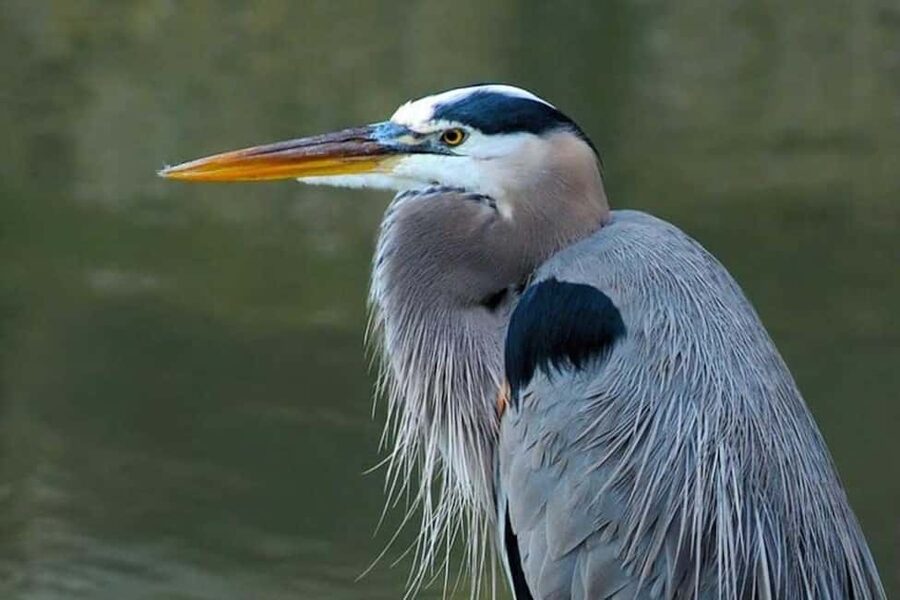
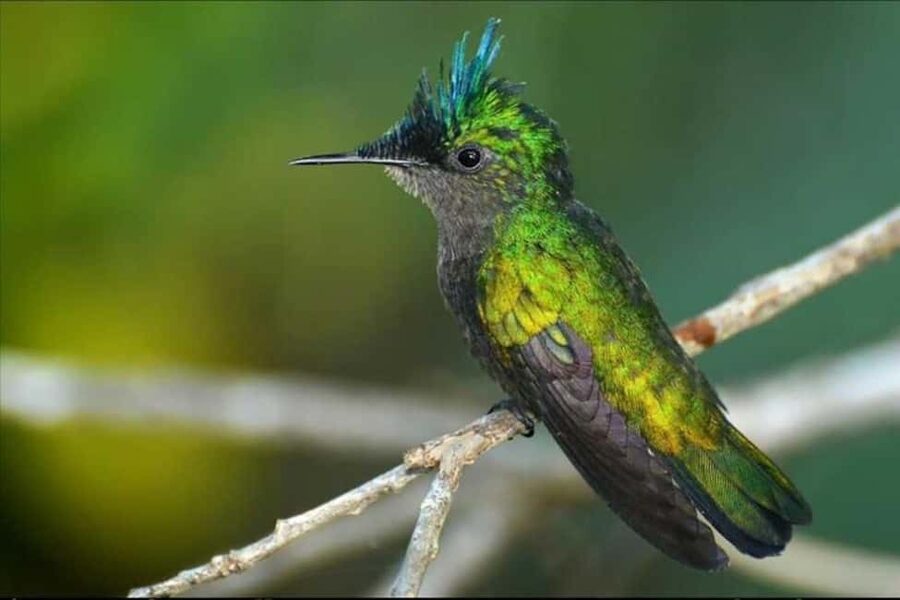
The bird list includes Blue Herons, Snowy Egrets, Ruddy Turnstones, sandpipers, and rare visiting birds. These species represent several types of bird habitat, from wetland edges to coastal ground.
Blue Herons are large enough to catch the eye as they move or stand near water. Snowy Egrets are more delicate in appearance, while Ruddy Turnstones and sandpipers keep your attention closer to the shore or wet ground.
The tour does not promise a fixed number of species. That is worth stating plainly before you pay. Bird sightings depend on timing, weather, season, and the birds themselves.
Still, the route gives you a strong framework. You visit more than one type of habitat, and the trip is built around places known for resident and migratory bird activity. That is a better setup than hoping to spot something from a hotel balcony.
Your guide will also add context about Barbados’ wildlife and the importance of the migratory paths. This turns each sighting into more than a name in a book. You learn why a wetland or pond matters and how seasonal birds fit into the island’s natural cycle.
The guide, pace, and group size
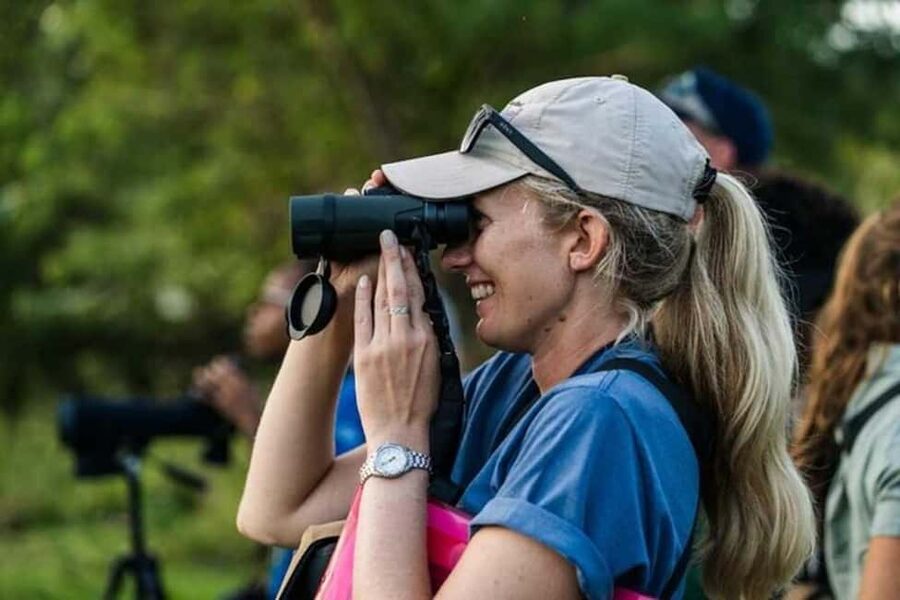
The tour is conducted in English by a local birding guide. No individual guide name is provided when booking, so you should not choose this experience expecting a named specialist.
What is clear is the guide’s function. You receive help with identification, local wildlife stories, and the role of Barbados in bird migration. That is especially useful if you are new to birding or if you know birds well but are not familiar with Caribbean species.
The pace is relaxed. You have time to take in the sounds and views instead of hurrying between stops. I see this as a major strength for anyone who prefers thoughtful nature outings over packed sightseeing schedules.
The tradeoff is that a relaxed pace may feel too slow if you want constant action. You will spend time scanning and waiting. If your main goal is a fast tour with a guaranteed spectacle, this is probably not the right activity.
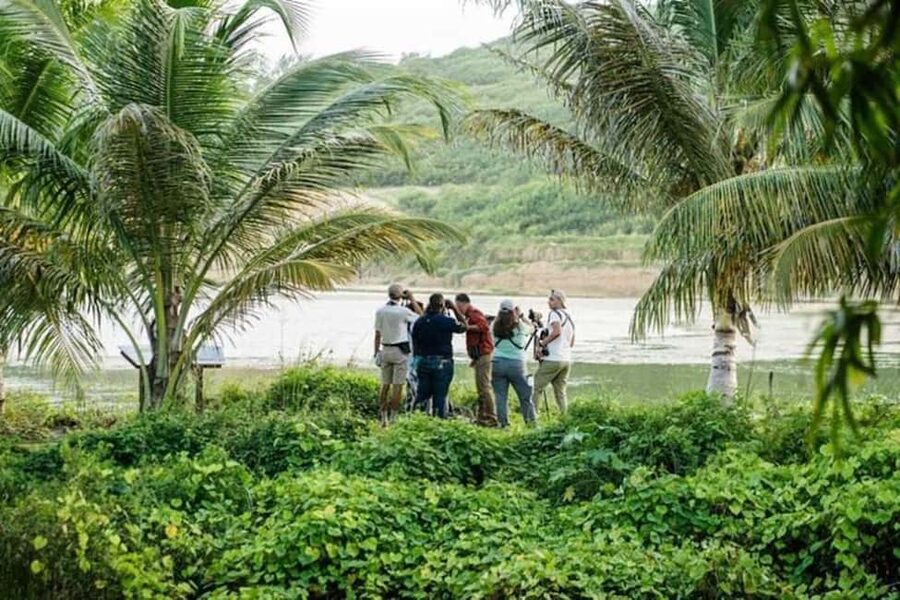
The eight-person limit helps keep the outing manageable. It is large enough to share the experience but small enough that the guide can respond to questions and sightings. Group size can affect birding more than people expect, since noise and sudden movement can change what you see.
What is included for the $140 price
The $140 price covers more than instruction. You get round-trip transport in an air-conditioned vehicle, bottled water, binoculars, a field reference guide, soda, alcoholic drinks, and post-tour beer and rum punch.
That package makes the price easier to understand. If you would otherwise need to hire transport and rent binoculars, the total cost of arranging a similar outing yourself could narrow the gap. The included equipment also helps first-time birders avoid buying gear for one holiday.
The drinks are an unusual extra for a two-and-a-half-hour nature activity. Beer and rum punch may be welcome at the end, especially if you enjoy a social finish, but they will not matter much to everyone. If alcohol is not part of your plans, the real value remains the guide, transport, access to the route, and equipment.
The air-conditioned vehicle is another practical benefit in Barbados. The tour involves outdoor stops in sun and coastal air, so having a cool ride between locations can make the outing more comfortable.
I would judge the price by your priorities. For a serious birder, a couple without a rental car, or anyone who wants a local guide to handle the route, $140 can be reasonable. For a casual sightseer who only wants a short look at birds, it may feel steep.
What to wear and bring
Closed-toe shoes are required. Choose footwear that you can wear comfortably around dunes, wetland edges, and uneven outdoor areas. Open-toed sandals are specifically not allowed.
Bring sunglasses and sunscreen. The route includes open coastal settings and wetlands, where glare and sun exposure can build quickly.
You do not need to bring binoculars or a field guide because both are supplied. That is helpful if you are flying into Barbados with limited luggage.
A small amount of personal water is not necessary because bottled water is included, though you should still dress for warm outdoor conditions. The supplied details do not specify a dress code beyond closed-toe shoes, sunglasses, and sunscreen, so practical lightweight clothing is the sensible choice.
Who should book this experience
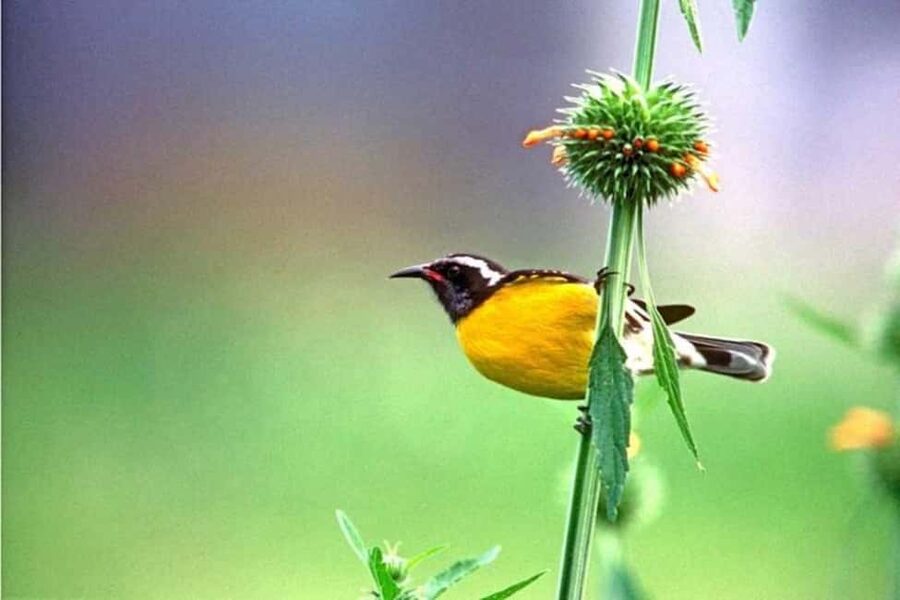
I would recommend this trip to visitors who want a quieter side of Barbados and do not want to plan several birding locations themselves. It is also a good choice for beginners who want help identifying birds without buying equipment.
Families with older children may find the small group and short duration manageable, but the tour does require patience. Very young children who need constant movement may not enjoy the waiting and scanning that birding involves.
Experienced birders should appreciate the mix of coastal, wetland, and pond habitats, though the experience is only 150 minutes. If you want a full-day birding program or a long species list, this may feel brief.
The trip suits people staying in the Christ Church or southeast Barbados area especially well because the route is based there. Pickup is included, but the collection window means you should allow extra time before the official start.
Cancellation and booking flexibility
You can cancel up to 24 hours in advance for a full refund. The reserve-now, pay-later option lets you hold a place without paying immediately, which is useful when your Barbados schedule is still taking shape.
The group is limited to eight participants, so booking ahead may be sensible if you are traveling during a busy period. Starting times vary, and you need to check availability for the date you want.
Because pickup time is confirmed after booking, do not arrange another appointment too close to the activity. Collection usually takes place 45 to 60 minutes before the tour time.
Should you book the Barbados bird-watching experience?
Book it if you want more than beach time and prefer a calm, guided look at Barbados’ wetlands and southeast coast. The strongest reasons are the Chancery Lane migratory habitat, the range of settings, the small group, and the useful inclusion of binoculars and transport.
Think twice if $140 feels high for a short outing or if you need constant wildlife action. Bird sightings are never guaranteed, and the experience is built around patience rather than a packed schedule.
For the right person, this is a well-planned way to see the island’s quieter side. You get local guidance, practical equipment, several bird habitats, and a relaxed finish with drinks, all without arranging the route yourself.
FAQ
Where does the bird-watching experience take place?
The experience is based in Christ Church and the southeast of Barbados. Stops include Inch Marlow, Chancery Lane, Woodbourne Terrace, and Windward Park in Saint Philip.
How long does the tour last?
The activity lasts 150 minutes, or two hours and 30 minutes.
What birds might I see?
Possible sightings include Blue Herons, Snowy Egrets, Ruddy Turnstones, sandpipers, and rare visiting birds. Sightings can vary by season and conditions.
Is transportation included?
Yes. Round-trip transportation in an air-conditioned vehicle is included.
Is pickup included?
Yes. Pickup is included, with collection beginning about an hour before departure and usually taking place 45 to 60 minutes before the tour time.
Is the tour conducted in English?
Yes. The live guide speaks English.
How large is the group?
The experience is limited to eight participants.
Are binoculars provided?
Yes. Binoculars and a field reference guide are included.
What should I bring?
Bring sunglasses, sunscreen, and closed-toe shoes. Open-toed shoes are not allowed.
What drinks are included?
The package includes bottled water, soda, alcoholic beverages, and post-tour drinks including beer and rum punch.
Just added around the world
- Walvis Bay: Pelican Point Seal and Sandwich Harbour Tour★ 4.8 · 15 reviews
- Walvis Bay Shore Excursion: Flamingos, Dune 7, Swakopmund★ 5.0 · 3 reviews
- Victoria Falls: Private Birdwatching Safari near the town★ 5.0 · 2 reviews
- Vila Franca do Campo: Marine Life & Bird Watching & Islet Tour★ 4.4 · 9 reviews
- VIP falconry taster session★ 5.0 · 2 reviews
- Victoria Falls: Private Zambezi River Birdwatching Safari★ 4.7 · 14 reviews
- Vestmannaeyjar: Puffin, Island, and Volcano Boat Tour★ 4.4 · 7 reviews
- USHUAIA | Navigation: Sea Lions, Birds and Lighthouse★ 3.3 · 4 reviews