
Review · PRIVATE DRIVERS
Bali: Countryside Bird Watching Tour with Hotel Transfer
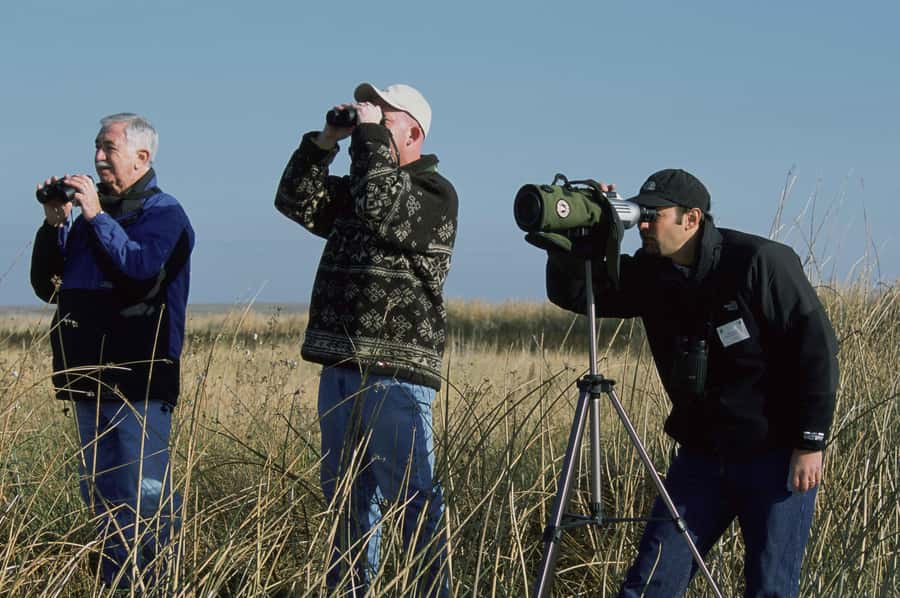
Ubud’s best birdwatching may begin before the first temple stop, when a guide such as Agung or Agus hears a call in the trees and points out a kingfisher you would never have spotted alone. The route moves through rice terraces, village paths, Petulu’s heron colony, and Tjampuhan Ridge. Sharp-eyed local guides are the real attraction here.
I like the blend of birds and Balinese daily life. You get quiet walks beside paddies, stories about rice growing and local beliefs, and a chance to see Java pond herons, sunbirds, orioles, bulbuls, and kingfishers. I also like the small-group setup, supplied binoculars and telescope, and hotel pickup. The catch is simple: this is birdwatching with a countryside tour, not a tightly planned expedition for expert bird photographers.
Key points at a glance
- Petulu’s white-plumed herons: See large groups of egrets and herons roosting in trees, with the best display depending on timing.
- Three contrasting settings: Rice fields, Tjampuhan Ridge, and village or forest paths offer different birds and views.
- Guides with excellent spotting skills: Agung, Agus, Suker, and other local guides are often praised for hearing calls and finding distant birds.
- A flexible five-hour outing: Early starts can improve bird activity and help you avoid heat and busy roads.
- Useful equipment included: Binoculars, a telescope, mineral water, entry fees, and hotel transfers are covered.
- A good introduction, with limits: It suits beginners and curious nature lovers better than serious birders seeking a guaranteed species list.
What this Ubud birdwatching tour is really like
This experience gives you a pleasant way to see Ubud beyond its cafés, galleries, and crowded central streets. You spend about five hours moving between countryside sites, walking natural paths, and riding between stops with a guide who knows the area.
The focus is not simply on ticking birds off a list. You may stop to discuss Balinese farming, village life, temples, plants, insects, lizards, squirrels, or the meaning of local customs. That broader approach is a strength if you want a gentle introduction to Bali’s nature. It may feel less focused if you arrive with a long list of rare birds and a serious camera setup.
The tour is conducted in English and limited to 10 people. In practice, some outings have been private or nearly private, while others have included one additional participant. That smaller format gives you more time to ask questions and adjust the pace.
A few more birdwatching trips around the world worth a look
- Roatan Private Sloths, Monkeys, Birds Encounters, City Tour and Transfer
★ 5.0 · 48 reviews - Bali Bird Park Admission Ticket with Hotel Transfer
★ 5.0 · 39 reviews - Kuala Lumpur: Bird Park Day Ticket & 1-Way Transfer
★ 4.7 · 15 reviews
Rice terraces and village trails around Ubud
The walking usually begins in the countryside, where rice paddies provide open views and good chances for spotting herons, egrets, munias, and kingfishers. The paths can be peaceful, but they are not paved city sidewalks. Expect uneven ground, inclines, muddy sections after rain, and occasional slippery footing.
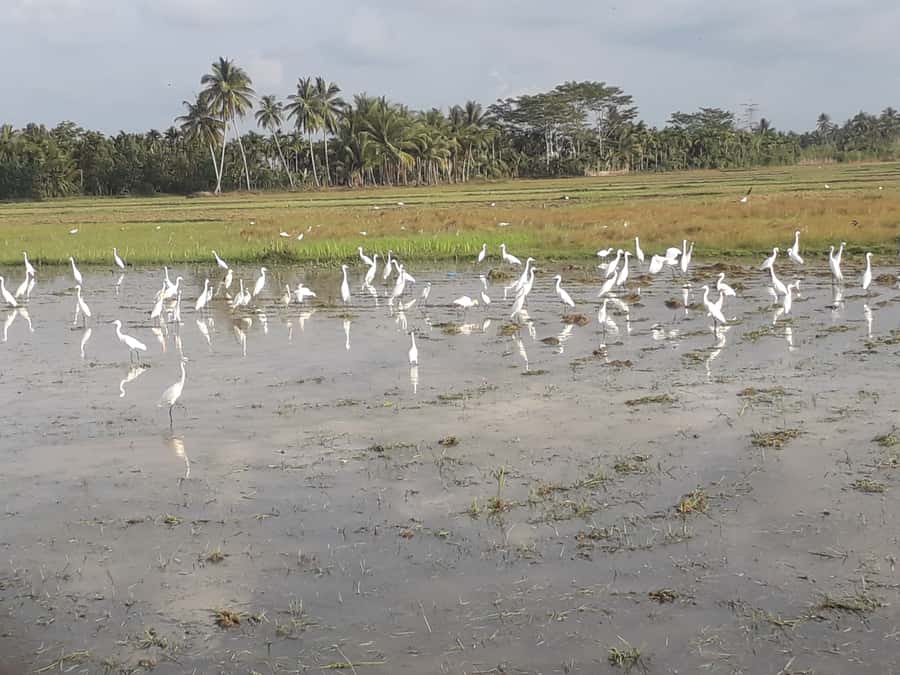
The rice fields matter because they bring birds close to water and food. Javan pond herons may stand quietly at the edge of a paddy, changing from their breeding appearance to a more subdued look outside breeding season. Cattle egrets may follow activity in the fields, while small finches and munias work through grasses.
This is also where the cultural side of the tour feels most natural. Your guide may explain rice cultivation, village customs, Balinese spirituality, or nearby temples while you walk. Guides such as Agung and Suker have been praised for turning a birding walk into a wider lesson about Bali without making the outing feel like a formal lecture.
Wear shoes with a firm grip. Sandals can be awkward on wet paths, and open areas offer little shade. A hat, sunscreen, sunglasses, insect repellent, and water are sensible. Neutral clothing helps you approach birds without drawing as much attention.
Petulu Village and the white-plumed herons
Petulu Village is one of the most memorable stops because the birds are easy to appreciate even if you are new to birdwatching. The village is known for white-plumed herons and Java pond herons, and large groups of egrets may gather in the trees.
The scale can be impressive. One outing found hundreds of egrets nesting in the trees. This is not the same as watching a rare bird at close range, but it gives you a strong sense of how birds and village spaces can exist side by side.
Timing matters. Bird activity is usually strongest in the early morning or late afternoon, and the appearance of a nesting or roosting site can change with the season. You should treat Petulu as a good opportunity, not a fixed guarantee of a particular number of birds.
The stop has also drawn mixed enthusiasm. Some people find the rookery memorable, while others would rather spend longer on a ridge walk or at a more productive birding site. If your main target is a particular species, ask your guide how much time will be spent here and whether the stop can be adjusted.
Tjampuhan Ridge and the forest edge
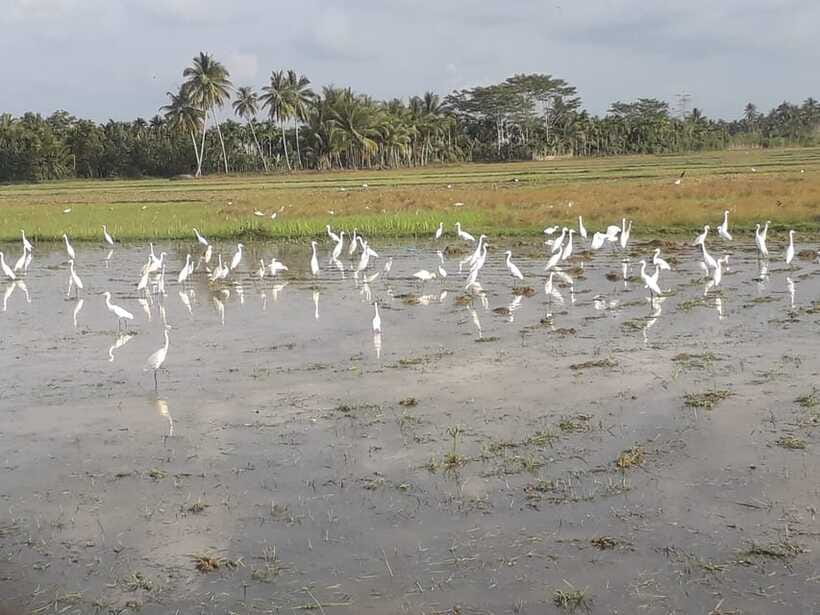
Tjampuhan Ridge gives the outing a different feel from the open paddies. The path is a pleasant place for birdwatching near Ubud, with trees, slopes, and changing views. It can be a productive spot for listening, since your guide may identify birds before you see them.
The ridge is also one of the more scenic parts of the outing. You get a walk rather than a quick roadside stop, and the setting gives you a better feel for Ubud’s quieter edges. The path includes uneven ground and some uphill walking, so it is not suitable for wheelchair users or anyone with significant mobility limits.
Early morning is especially useful here. Birds are more active, temperatures are lower, and the path is less likely to feel crowded. A start at 5 or 6am may sound severe on holiday, but it can make sense if birds are your priority. Ask about the available start time when booking, since the exact schedule depends on availability and pickup location.
Same place, a different morning in the field:
- Penguin Parade, & Wildlife Encounters Eco Tour from Melbourne
★ 5.0 · 3,774 reviews - Cape Town: Cape of Good Hope & Penguins Day Tour with Pickup
★ 4.7 · 3,362 reviews - Cape Point and Boulder’s Penguins Full Day Tour
★ 5.0 · 3,118 reviews - Cape of Good Hope & Boulder Penguins Full-Day Tour from Cape Town
★ 5.0 · 2,347 reviews
The birds you may see and hear
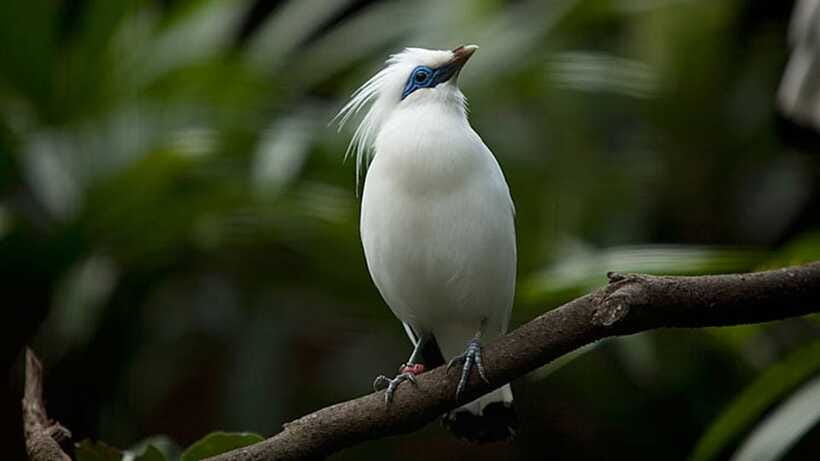
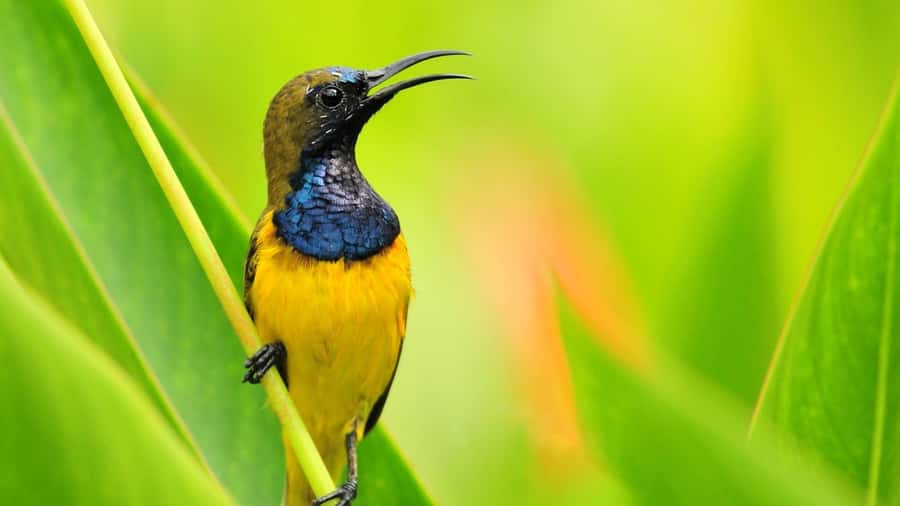
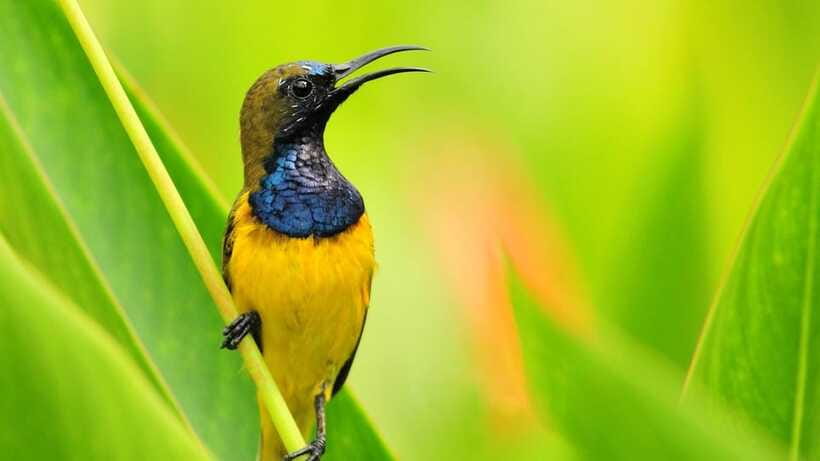
The advertised species include the Javan pond heron, black-naped oriole, white-headed munia, yellow-vented bulbul, and olive-backed sunbird. Sightings vary with weather, season, noise, and time of day, so no responsible guide can promise a fixed list.
Kingfishers are a major draw. Several outings have found Javan kingfishers, and one morning produced four. White-collared kingfishers have also appeared. These birds can be easy to miss without a guide who knows where to look, especially when they sit still among branches.
Other sightings have included chestnut malkohas, greater coucals, flameback woodpeckers, colorful pigeons, egrets, and sunbirds. You may also notice smaller creatures along the way, including insects, lizards, and squirrels.
The guides’ strongest skill appears to be finding birds before you do. Agung has been especially praised for spotting distant birds and recognizing calls. Kim, a guide mentioned by name in the feedback, was also able to identify birds by song. That matters in thick trees, where the first clue may be a short call rather than a clear view.
If you are new to birdwatching, bring your own field guide app or bird book if you have one. The included binoculars and telescope help, but one person specifically found personal binoculars preferable. A guide may send you a list of species seen afterward, but you should not rely on that as part of the formal service.
What the guides add to the day
The guide can make or break a birdwatching outing, and this is where the experience receives its strongest praise. Agung, Agus, Suker, Andre, Dwipa, Yogi, Ade, and other local guides have led different departures. Availability depends on the date, so you should not assume one named guide will be assigned unless the operator confirms it.
The best guides do more than point at birds. They identify calls, explain behavior, answer questions about Bali, and adjust the route when conditions change. When rain reduced bird activity, one guide moved the group to a café overlooking rice paddies, where different birds appeared and the break became part of the experience.
That flexibility is useful in Bali. Weather can change quickly, traffic can eat into a schedule, and a promising site may be quiet on a particular morning. One guide also suggested an earlier start to avoid busy periods and improve sightings, a sensible adjustment if your schedule allows it.
The limits are worth noting. Some birders found the guides excellent for common local species but less prepared for expert-level identification. If you are an advanced birder or photographer, explain your goals clearly before the tour. Ask for a stronger focus on habitat and target species rather than assuming the standard route will meet specialist expectations.
Transport, timing, and comfort
Hotel pickup and drop-off are included, and you should wait in the lobby five minutes before the agreed start. Transport matters more than it might seem in Bali, where roads can be slow and unfamiliar driving is stressful. Several outings benefited from guides who handled traffic while the passenger watched the countryside.
The normal duration is five hours. That is long enough for several settings without consuming a full day, making it useful if you have limited time in Bali or want to combine birdwatching with another activity.
Early departures offer the best odds for active birds and cooler walking conditions. Late afternoon can also work, especially for birds returning to roost, but the choice depends on your pickup point and the day’s schedule.
The group limit is 10, though the experience may feel much more personal when numbers are low. A small group also helps keep noise down. Quiet voices are not just polite on a nature outing. They give you a better chance of hearing calls and keeping birds calm.
Optional add-ons and the coffee question
The tour can be customized with extras such as coffee tasting or a traditional massage, although availability depends on the option you choose. These add-ons may suit you if you want to turn the outing into a broader half-day Bali experience.
Coffee stops need a little caution. One outing included a visit to a luwak coffee establishment that felt commercial and took time away from searching for a kingfisher. If you are interested in coffee, ask exactly what the stop involves and whether it is optional. If birds are your priority, use that time for another field site if possible.
A coffee break with views over rice paddies can work well when rain interrupts the walk. The issue is not every café or tasting stop, but whether it replaces useful birding time without being clearly explained in advance.
Is $48 a fair price?
At $48 per person, the value is solid if you use the included services. The price covers a guide, hotel transport, entry tickets and donations, binoculars, a telescope, and mineral water. For a five-hour outing with several stops, that removes a number of costs and hassles you would face alone.
The strongest value is the local knowledge. You could walk rice paths by yourself, but you would likely miss distant birds, overlook calls, and spend more time finding the right places. A guide who knows where Javan kingfishers or herons often appear can turn a pretty walk into actual birdwatching.
The value is weaker if you expect a specialist expedition, rare species, or professional photography support. Meals, personal expenses, and optional add-ons cost extra. You are also paying for cultural context, transport, and scenery, not just uninterrupted time with binoculars.
Free cancellation up to 24 hours before departure and reserve-now, pay-later booking make it easier to fit into a changing Bali schedule. These policies are useful, but the main decision should still be your expectations about the birding level.
Who should book this experience?
I would recommend it to first-time birdwatchers, couples, solo visitors, nature lovers, and anyone staying outside Ubud who wants transport included. It also works well for a short Bali visit because you can see several countryside settings in half a day.
Families with older children may enjoy the mix of animals, village life, and open-air walking, but the terrain is not suitable for wheelchair users and is a poor match for anyone with a low fitness level. It is also not recommended for pregnant women according to the activity guidance.
Serious birders should contact the provider with a clear target list. Ask for an early start, explain whether photography is your priority, and confirm how much time will be spent at each stop. Bring your own binoculars and bird guide if you have them.
Keep your camera ready, but avoid flash. Stay quiet, wear neutral colors, and accept that weather and bird behavior control the final score. That is part of birdwatching, not a flaw in the booking.
Should you book the Ubud countryside birdwatching tour?
Book it if you want a relaxed, useful introduction to Bali’s birds with rice fields, local culture, and hotel transport built in. The guides’ ability to spot distant birds and recognize calls is the main reason this outing works, and the chance to see Javan kingfishers, herons, sunbirds, and malkohas adds real interest.
Skip it if you need a strict specialist itinerary, guaranteed rare species, or a full day devoted only to birds. Before paying, request the earliest practical start, ask about the guide’s birding experience, and clarify any coffee stop or add-on. With those expectations set, $48 is a reasonable price for a scenic and flexible half-day around Ubud.
FAQ
How long does the birdwatching tour last?
The tour lasts five hours, including the countryside walks, site visits, transport between locations, and hotel pickup and drop-off.
What birds might I see?
Possible sightings include Javan pond herons, black-naped orioles, white-headed munias, yellow-vented bulbuls, olive-backed sunbirds, Javan kingfishers, white-collared kingfishers, egrets, malkohas, greater coucals, woodpeckers, and colorful pigeons. Sightings depend on season, weather, and time of day.
Are binoculars provided?
Yes. Binoculars and a telescope are included. You may still prefer to bring your own binoculars if you have them.
Is hotel pickup included?
Yes. Hotel pickup and drop-off are included. You should be ready in the hotel lobby five minutes before the scheduled start.
Is the tour suitable for people with mobility issues?
No. The route uses natural paths, rice fields, village trails, inclines, and uneven ground. It is not suitable for wheelchair users or people with significant mobility impairments or low fitness.
Can I choose an early start?
Starting times depend on availability, but early morning is recommended because bird activity is often stronger and the weather is cooler. Some guides may suggest an earlier departure to improve sightings and avoid busy periods.
Are meals included?
No. Meals are not included. Mineral water is provided, while personal expenses and optional extras such as coffee tasting or a traditional massage cost extra.
Just added around the world
- Walvis Bay: Pelican Point Seal and Sandwich Harbour Tour★ 4.8 · 15 reviews
- Walvis Bay Shore Excursion: Flamingos, Dune 7, Swakopmund★ 5.0 · 3 reviews
- Victoria Falls: Private Birdwatching Safari near the town★ 5.0 · 2 reviews
- Vila Franca do Campo: Marine Life & Bird Watching & Islet Tour★ 4.4 · 9 reviews
- VIP falconry taster session★ 5.0 · 2 reviews
- Victoria Falls: Private Zambezi River Birdwatching Safari★ 4.7 · 14 reviews
- Vestmannaeyjar: Puffin, Island, and Volcano Boat Tour★ 4.4 · 7 reviews
- USHUAIA | Navigation: Sea Lions, Birds and Lighthouse★ 3.3 · 4 reviews
Private Drivers, compared.

Roatan Private Sloths, Monkeys, Birds Encounters, City Tour and Transfer
Read our review →
Stork Transfers – Private Transfer From Albufeira to Faro Airport (up to 4 pax)
Read our review →
Bali Bird Park Admission Ticket with Hotel Transfer
Read our review →

Singapore Bird Paradise & Zoo Full Day (Ticket & Transfer )
Read our review →

Private Transfer from VC Bird International Airport Antigua
Read our review →Browse the lists this tour appears in