
Review · BIRDWATCHING
Bird Watching Tours in Samarkand
The most appealing part of this day is the chance to leave Samarkand’s streets and search two very different habitats: tugai woodland along the Zeravshan River and the tamarisk, poplar, and wet areas near Oqdarya. You get roughly seven hours outside, with a private guide, driver, binoculars, and telescope included.
I like the small private format, which lets you stop when a bird appears instead of following a fixed crowd. I also like the local touch: lunch may be served at the guide’s family home, and Elior has been praised for his kindness and warm welcome. The main caution is important: this is not a specialist ornithology tour, so the rare species listed in the program are possibilities, not promises.
Key points to know before you book
- Two birding areas in one day: Zeravshan Nature Reserve and the Oqdarya area near Ishtixan offer woodland, river, scrub, and wet habitat.
- About seven hours outdoors: The day is split into roughly 3.5 hours at each main stop, with driving between them.
- Optics are supplied: Binoculars and a telescope are included, though bringing your own binoculars is still advised.
- Private travel for up to two people: The $170 group price can be good value for a pair sharing the cost.
- Local hospitality is part of the day: Lunch may be taken with the guide’s family, adding a personal side to the outing.
- Bird sightings vary sharply: Common birds are likely, while specialty species depend on season, weather, habitat, and luck.
What this Samarkand birding day is really like
This is a full-day outing from Samarkand into nearby natural areas, not a quick city escape with a few casual stops. You leave after breakfast and spend much of the day walking, scanning trees and open ground, and listening for movement among river vegetation.
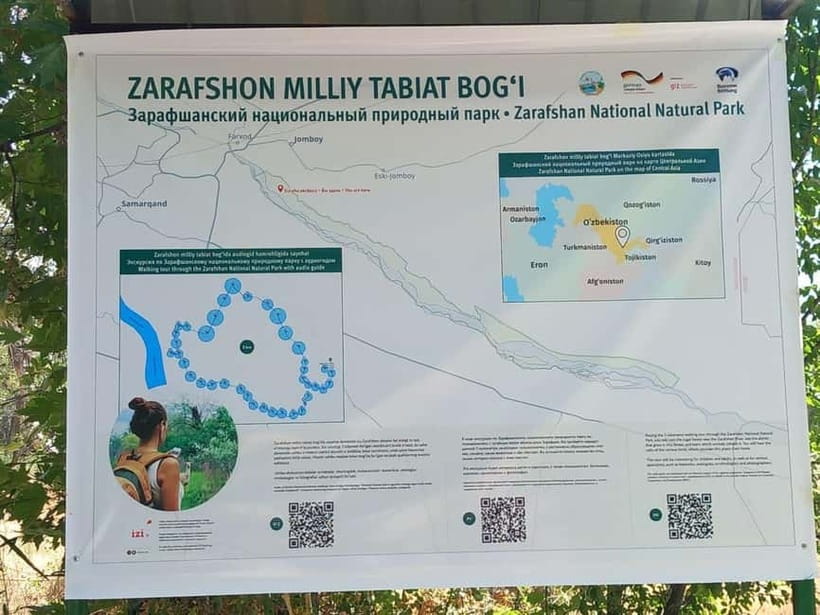
The route covers about 15 kilometers to Zeravshan Nature Reserve, then continues roughly 60 kilometers toward the Oqdarya reserve area near Ishtixan. The distances are manageable, but you should expect a substantial amount of time in the vehicle. That matters because the birding itself is spread across two locations rather than packed into one compact reserve.
The experience is private, with hotel pickup and drop-off included. You meet the guide and driver at your hotel in Samarkand, which keeps the morning simple. English is the stated guiding language, and the group size is limited to you and one companion.
The supplied binoculars and telescope are useful additions, especially if you are not carrying a full birding kit. Still, I would bring your own binoculars if you have them, both for comfort and because the practical notes specifically recommend doing so.
A few more birdwatching trips around the world worth a look
- Penguin Parade, & Wildlife Encounters Eco Tour from Melbourne
★ 5.0 · 3,774 reviews - Cape Town: Cape of Good Hope & Penguins Day Tour with Pickup
★ 4.7 · 3,362 reviews - Cape Point and Boulder’s Penguins Full Day Tour
★ 5.0 · 3,118 reviews
First stop, Zeravshan’s tugai woodland
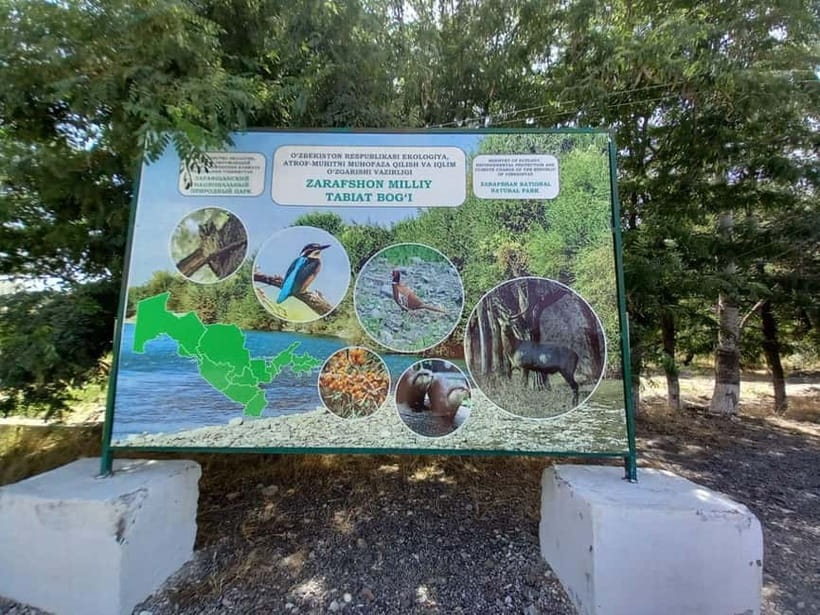
Zeravshan Nature Reserve is the strongest part of the day on paper. It lies in the western section of the Zeravshan River basin, close enough to Samarkand for a morning visit. The reserve’s tugai woodland is shaped by the river, with groves that include Populus pruinosa and maple.
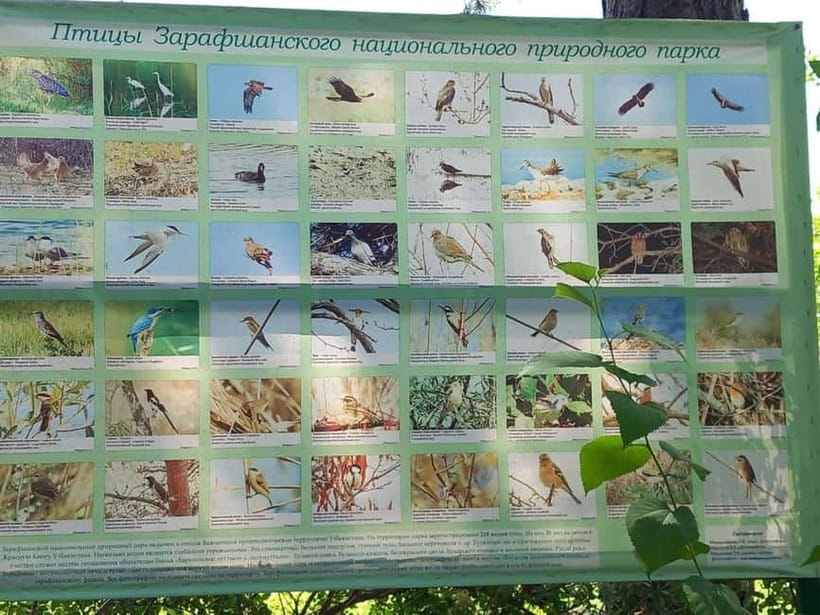
This kind of river-edge vegetation gives you a better chance of finding birds that need trees, cover, and water close together. You might look for Turkestan Tit, Night Heron, White-winged Woodpecker, and Shikra. Other birds associated with this stop include Rose-coloured Starling, Masked Wagtail, Rock Thrush, Great Rock Nuthatch, and Grey-headed Goldfinch.
Those names make the stop attractive to serious birders, but you should read them as a target list rather than a guarantee. One outing in late September produced three lifers in a short period: White-winged Woodpecker, Eurasian Hobby, and Red-tailed Shrike. That is a satisfying result, especially for someone building a life list, but the same day also showed how much conditions matter.
The walk and guided visit here are scheduled for about 3.5 hours. That gives you time to pause, scan branches, watch the river corridor, and move through different patches of vegetation. Birding rarely works well when you rush, so this longer first stop is useful.
At the same time, the reserve was described as having been created only a few years ago. That may mean the habitat is still developing, and it helps explain why the quality of sightings can vary. You may find a few excellent birds quickly, or you may spend a long stretch with mostly familiar species.
The Oqdarya and Ishtixan area after lunch
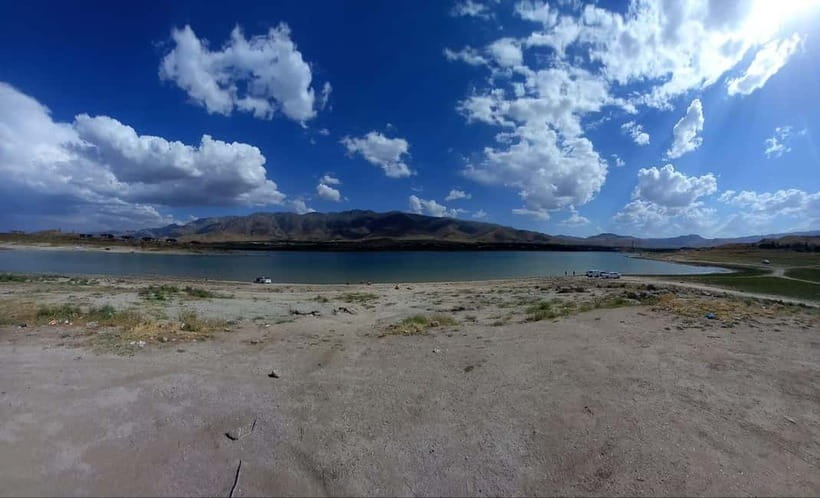
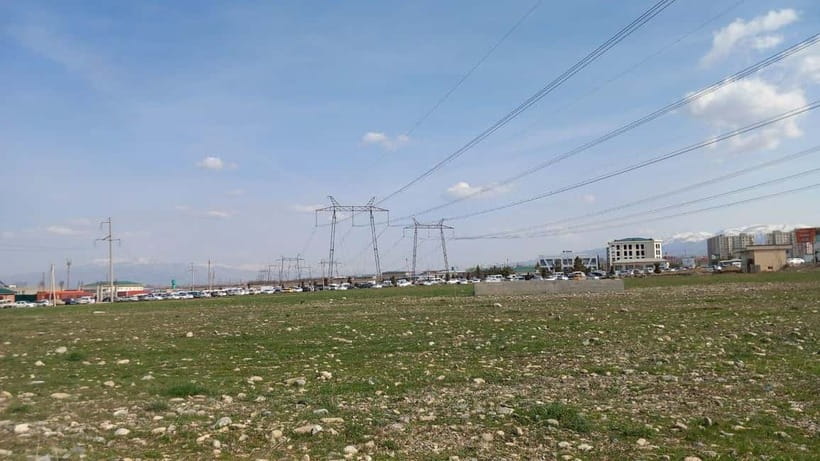
After Zeravshan, the day continues toward the Oqdarya area near Ishtixan. This water reserve is about 60 kilometers from Samarkand and has a different feel from the river woodland. Its plant cover includes white poplar, salt cedar, tamarisk, and bushes.
That mix can attract birds using open water, scrub, mud, and low vegetation. Possible sightings include Grey Heron, sandpipers, Common Hoopoe, Black Vulture, Hume’s Short-toed Lark, White-throated Robin, Orphean Warbler, and Red-rumped Swallow.
The second stop is valuable because it changes the habitat. If the first reserve gives you woodland and river-edge birds, Oqdarya offers more open and water-associated birding. You may also see many common birds here, including House Sparrow, Laughing Dove, and Eurasian Magpie.
I would keep expectations realistic. A spring visit did not produce the specialty species described in the program, and the outing was judged better as a general nature trip than as specialist birding. That does not make the area pointless. It means you should enjoy the setting, the change of habitats, and the chance of unexpected sightings rather than measuring the day only by a rare-bird checklist.
The schedule also uses the name Aman-Kutan for one of the afternoon sections, while the route description identifies Oqdarya and Ishtixan. Since those names do not match perfectly, confirm the exact afternoon route when booking. This is especially sensible if you have a particular reserve or habitat in mind.
Lunch adds a genuine local touch
Lunch is included, and the day may include a meal at the guide’s parents’ home. This is one of the more personal parts of the experience. You are not simply stopping at an unnamed roadside place, you may be welcomed into a local family setting for food and a rest during the middle of the day.
That kind of meal can make a nature excursion feel connected to the area around Samarkand. It also gives you a chance to pause after the morning walk before continuing to Oqdarya. The supplied information does not specify the menu, so I would not book this expecting a particular dish.
Lunch is also practical. Seven hours of birding, walking, and driving can be tiring, and having the midday meal arranged means you do not need to organize food independently. Alcohol is not included and is not allowed, along with drugs and smoking.
Same place, a different morning in the field:
- Cape of Good Hope & Boulder Penguins Full-Day Tour from Cape Town
★ 5.0 · 2,347 reviews - From Melbourne: Penguin Parade, Koalas & Kangaroos
★ 4.5 · 1,932 reviews - Table Mountain, Penguins & Cape Point Small Group Tour Cape Town
★ 4.5 · 1,797 reviews - Cape Town Tour: Table Mountain, Penguins & Cape Point+Pickup
★ 4.7 · 1,671 reviews
The guide question matters more than the bird list
The most important point for a serious birder is the guide’s level of specialization. The guide is described as an experienced local guide, and Elior received strong praise for his kindness, driving, and knowledge of nature locations. A day with him can give you access to places you might not find easily on your own.
But the available feedback also makes a clear distinction: friendliness and local access are not the same as professional ornithology skills. One birding customer found no connection between the promised specialty species and the actual experience, and felt the guide was not an ornithologist.
I would treat this as a local nature outing with birding goals, not as a specialist expedition led by a bird researcher. If you already know bird calls, carry your own field guide, or enjoy identifying common species as much as rare ones, you may find the day rewarding. If you want a guide who can reliably locate and identify difficult Central Asian species, ask direct questions before paying.
Useful questions include:
- Which guide will lead the day?
- Can the guide identify local birds by call as well as appearance?
- Is the telescope suitable for distant waterbirds?
- Which reserve will you visit in the afternoon?
- What species have been seen recently?
The answers will help you decide if the experience matches your level of interest.
What the $170 price means for two people
The price is $170 per private group of up to two people. For a couple or two friends, that works out to $85 each. The cost includes hotel pickup and drop-off, a driver, an English-speaking guide, entry tickets and donations, binoculars, a telescope, and lunch.
That is a reasonable package if you value private transport and do not want to arrange separate access to the reserves. The day also covers two areas, which adds variety and reduces the risk of spending every hour in one habitat that happens to be quiet.
The value is less clear for a solo visitor who wants only expert bird identification. You pay the full group price alone, and the main weakness is the uncertainty around specialist guiding. In that case, compare the cost with a more focused local birding guide if one is available.
The private format helps the price make more sense. You can share the vehicle, split the cost, and set a more comfortable pace. You are not paying only for a checklist. You are paying for transport, access, local help, optics, lunch, and a full day outside Samarkand.
Season, weather, and realistic birding expectations
Bird activity can change greatly with season and weather. A late September visit, near the end of the dry season, produced several excellent lifers but not a large variety of species. That is a useful warning for anyone expecting a constant stream of unusual birds.
You may see many common birds rather than rare ones. House Sparrows, Laughing Doves, and Eurasian Magpies are specifically noted in the area. Common species still have value if you are learning local birds, testing a new camera, or simply enjoying time outdoors.
The specialty list gives you reasonable targets, including White-winged Woodpecker, Night Heron, Shikra, Rose-coloured Starling, Rock Thrush, and Red-rumped Swallow. Yet no responsible birding day can promise all of them. The guide can take you to suitable habitat, but birds move, hide, and respond to conditions.
Bring comfortable walking shoes, sun protection, water if needed, and your own binoculars. The official guidance says to bring binoculars, even though equipment is supplied. Do not touch animals or plants, and expect a no-smoking rule in the vehicle and indoors.
Who will enjoy this private outing
I would recommend this day to visitors who want to combine Samarkand with a nearby nature trip. It suits you especially well if you prefer a private vehicle, enjoy quiet walks, and like the idea of seeing both woodland and water habitats in one day.
It is also a good fit for a pair of friends who can split the $170 cost. The local meal and hotel pickup make the day easy to manage, while the two reserve areas give you more variety than a short birding stop close to the city.
I would be more cautious if you are a dedicated birder chasing a long list of Central Asian specialties. The experience may provide a few excellent sightings, as it did with White-winged Woodpecker, Eurasian Hobby, and Red-tailed Shrike, but it may also deliver mostly common birds. The guide’s nature knowledge appears useful, but specialist identification is not assured.
The activity is not suitable for pregnant women or babies under one year old. The supplied information does not provide further accessibility details, so ask before booking if walking distance or uneven ground is a concern.
Should you book it?
Book this outing if you want a relaxed, private day in the countryside with a chance of good birds, included transport, optics, lunch, and a personal local welcome. I especially like it for two people who want something more grounded than another city tour.
Think twice if the rare birds in the program are your main reason for going. Ask about the guide’s birding qualifications and recent sightings first, and confirm whether the afternoon stop is Oqdarya, Ishtixan, or Aman-Kutan. With those expectations set correctly, this can be a pleasant Samarkand nature day. Without them, the $170 price may feel high for a general outing with occasional birdwatching.
FAQ
How long does the birdwatching day last?
The experience lasts one day, with about seven hours of birdwatching and outdoor activity. The main stops are described as roughly 3.5 hours each.
Where does the tour start and finish?
Pickup and drop-off are provided at your hotel in Samarkand. The route returns to Samarkand at the end of the day.
Which natural areas are included?
The route description includes Zeravshan Nature Reserve and the Oqdarya reserve area near Ishtixan. The schedule also names Aman-Kutan, so confirm the exact afternoon stop before booking.
Is lunch included?
Yes. Lunch is included in the price. One described outing included lunch at the guide’s parents’ home.
Are binoculars and a telescope provided?
Yes. Binoculars and a telescope are included, though you are also advised to bring your own binoculars.
Is the tour private?
Yes. It is a private group experience for up to two people, with an English-speaking guide.
Can I cancel for a full refund?
Yes. You can cancel up to 24 hours in advance for a full refund. You can also reserve now and pay later.
Just added around the world
- Walvis Bay: Pelican Point Seal and Sandwich Harbour Tour★ 4.8 · 15 reviews
- Walvis Bay Shore Excursion: Flamingos, Dune 7, Swakopmund★ 5.0 · 3 reviews
- Victoria Falls: Private Birdwatching Safari near the town★ 5.0 · 2 reviews
- Vila Franca do Campo: Marine Life & Bird Watching & Islet Tour★ 4.4 · 9 reviews
- VIP falconry taster session★ 5.0 · 2 reviews
- Victoria Falls: Private Zambezi River Birdwatching Safari★ 4.7 · 14 reviews
- Vestmannaeyjar: Puffin, Island, and Volcano Boat Tour★ 4.4 · 7 reviews
- USHUAIA | Navigation: Sea Lions, Birds and Lighthouse★ 3.3 · 4 reviews