
Review · NAMIBIA BIRDWATCHING TOURS
Pelican Point Peninsula Tour
At Pelican Point, the Atlantic Ocean presses against one side of the peninsula while the Walvis Bay lagoon lies on the other. The setting changes quickly from calm bird habitat to deep, loose sand, old maritime remains, and a Cape Fur Seal colony said to number around 100,000.
I like the tour’s compact design: you get birdlife, salt production, history, and a proper off-road ride in three hours. I also like that permits and refreshments are included, so the $130 price covers more than a simple drive. The main consideration is transport. The tour begins and ends at the Walvis Bay waterfront, and hotel pickup from Swakopmund costs an extra N$100 per person.
Key points at a glance
- Large flocks at Walvis Bay lagoon: Look for flamingoes, pelicans, and avocets at one of southern Africa’s important coastal lagoons.
- A working salt operation: Learn how salt is refined at the largest solar production plant in Africa.
- A real 4×4 section: The route leaves ordinary roads for deep, loose sand on the way to Pelican Point.
- Maritime remains: Stop for photographs of a shipwreck and the remains of an old jetty.
- Two coasts at one tip: At Pelican Point, the lagoon and Atlantic Ocean meet within the same view.
- A major seal colony: Allow time to watch Cape Fur Seals and coastal birds near the peninsula’s end.
Starting at the Walvis Bay waterfront
Your three-hour outing starts at the Walvis Bay waterfront with a short briefing. This is a useful beginning, since the day combines several different stops rather than following one simple road to a single viewpoint.
The tour is operated by Red Dune Safaris Namibia, with English and Afrikaans available. The supplied information does not name individual guides, but the strongest praise focuses on the guide’s open, accessible manner and willingness to answer questions and respond to requests. That matters here. The peninsula has birds, industry, wildlife, and local history to explain, and a good guide helps connect those pieces instead of treating the ride as a series of photo stops.
You should arrive ready for sun and wind. Comfortable shoes, sunglasses, a sun hat, and a camera are recommended. The clothing advice is simple, but it fits the outing well: you will spend time near water, salt works, open sand, and wildlife with little shelter mentioned along the route.
More Seabird Tours in Namibia:
- Pelican Point Kayaking Half-Day Tour
★ 5.0 · 349 reviews - Walvis Bay: Pelican Point Kayaking Tour
★ 4.7 · 171 reviews - Half Day Original Seal Kayak Adventure, Pelican Point, Walvis Bay
★ 5.0 · 56 reviews
Walvis Bay lagoon and its busy birdlife
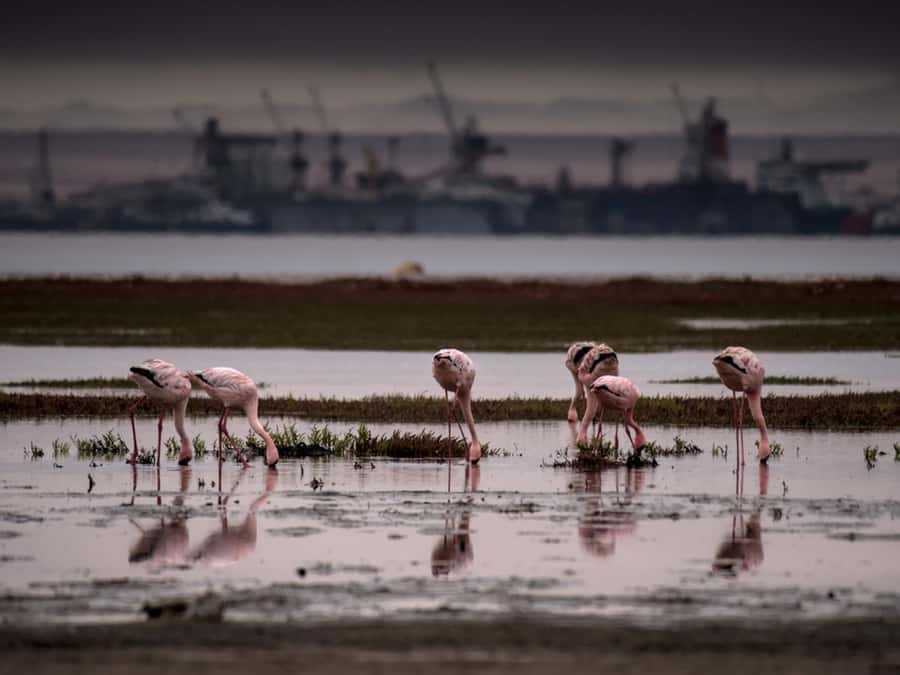
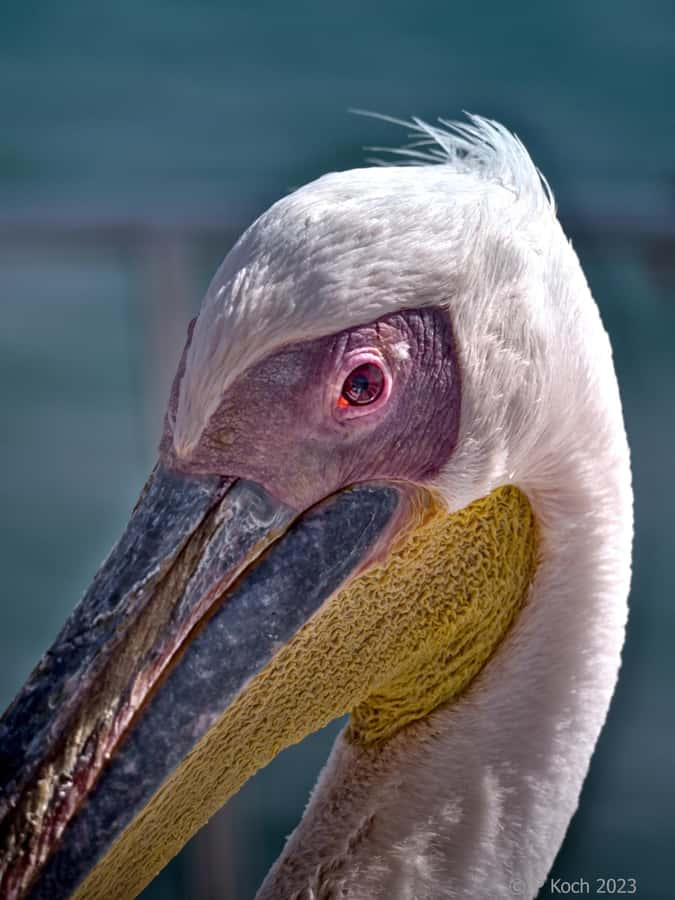
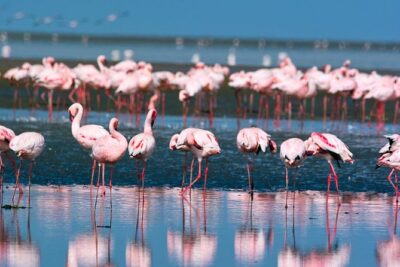
The lagoon is the first main stop, and it gives the tour a calm start. Walvis Bay is considered one of southern Africa’s most important lagoons, with flamingoes, pelicans, and avocets using the area.
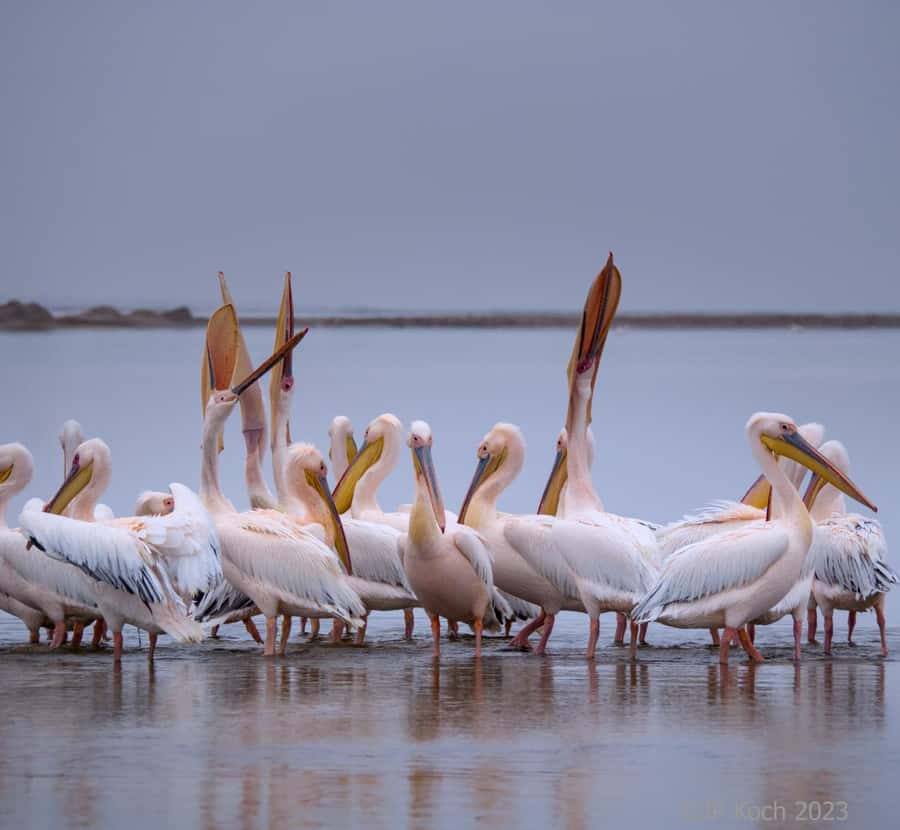
This is the place to slow down and look carefully. Flamingoes provide the obvious visual appeal, but the pelicans and avocets add variety. The tour highlights thousands of flamingoes, while the detailed description refers to hundreds, so exact numbers may vary with conditions and the time of year. The useful point is that you should expect substantial birdlife, not just the chance sighting of one or two birds.
You will stop for photographs and hear more about the lagoon. That short explanation adds value because the visit is not only about taking a quick picture. A lagoon is a working habitat, and its appeal comes from the contrast between still shallow water, long-legged birds, and the wider Atlantic setting.
I would keep your camera ready here, but do not expect a long birding session with specialist equipment. The full tour lasts only three hours, and the lagoon is one part of a route that also includes the salt refinery and Pelican Point. If your main goal is detailed bird study, you may want more time than this tour provides. If you want a broad introduction to Walvis Bay’s natural side, the stop is well judged.
The salt refinery and solar production

From the lagoon, the route continues to the Walvis Bay salt refinery. You will hear about the production process and the role of solar energy in making salt.
This is a worthwhile addition because it shows a different side of the area. Walvis Bay is not presented only as a scenic coast or wildlife stop. The salt operation is a working industrial site, and the tour gives you a chance to understand how the local environment supports production.
The plant is described as the largest solar production plant in Africa. That detail gives the stop some scale, but the real benefit is context. You can connect the bright coastal conditions and open salt works with the method used to produce and refine salt.
Do not expect this to be a long technical visit. The schedule moves from the lagoon to the salt refinery and then into the off-road section. Think of it as a guided explanation from the vehicle rather than a full factory tour. For many people, that balance will be right. You receive a useful local detail without giving up the more scenic and wildlife-focused part of the morning.
Leaving the road for deep sand
The character of the outing changes once the vehicle heads into the peninsula’s off-road section. You will travel by 4×4 through deep, loose sand, which is one of the clearest reasons to choose this tour instead of trying to see Pelican Point only from ordinary roads.
The sand drive is not a minor transfer between attractions. It is part of the experience. The vehicle allows the tour to reach the remote tip of the peninsula, where the setting feels more exposed and the route becomes less formal.
You should understand what this means before booking. An off-road ride through loose sand can be exciting, but it may also be a rougher portion of the day. Comfortable shoes help, and a secure grip on your camera is sensible. The information provided does not specify vehicle type, group size, or seating arrangements, so you should not assume a private ride or a spacious safari vehicle.
The 4×4 segment also gives the tour a practical advantage. Pelican Point is not simply a waterfront viewpoint that you can glance at from the town. The drive takes you out toward the peninsula’s end, where the Atlantic, lagoon, wildlife, and old structures come together.
A few more birdwatching trips around Namibia worth a look
- Mola Mola Marine Dolphin Cruise from the Walvis Bay Waterfront to Pelican Point
★ 5.0 · 52 reviews - swakopmund city tour dune 7 pink lake pink flamingos
★ 3.8 · 39 reviews - Sandwich Harbour & Pelican Point Full Day Tour
★ 5.0 · 27 reviews - Walvis Bay: Pelican Point Seal and Sandwich Harbour Tour
★ 4.8 · 15 reviews
Shipwreck, old jetty, and the lighthouse
Along the way, the tour stops at a shipwreck and the remains of an old jetty. These are quick reminders that Pelican Point is not only a natural area. The coast has been used by ships, workers, and local industry, and those traces remain visible in the sand and near the water.
The shipwreck should appeal to anyone who likes photographs with a sense of place. It gives the otherwise open coast a clear point of focus. The old jetty adds another layer, showing how the area once supported activity that is no longer operating in the same way.
As you approach the lighthouse, your guide shares historical information about the landmark. The supplied details do not give the lighthouse’s date or construction story, so you should expect an overview rather than a detailed architectural lecture. Still, this is a good moment for a guide to explain how the lighthouse relates to the peninsula and its maritime setting.
These stops also break up the sand drive. You are not asked to sit in the 4×4 for the full journey without pauses. Instead, the tour gives you several places to look around, take photographs, and understand why the peninsula has more to offer than wildlife alone.
Reaching Pelican Point’s Atlantic tip
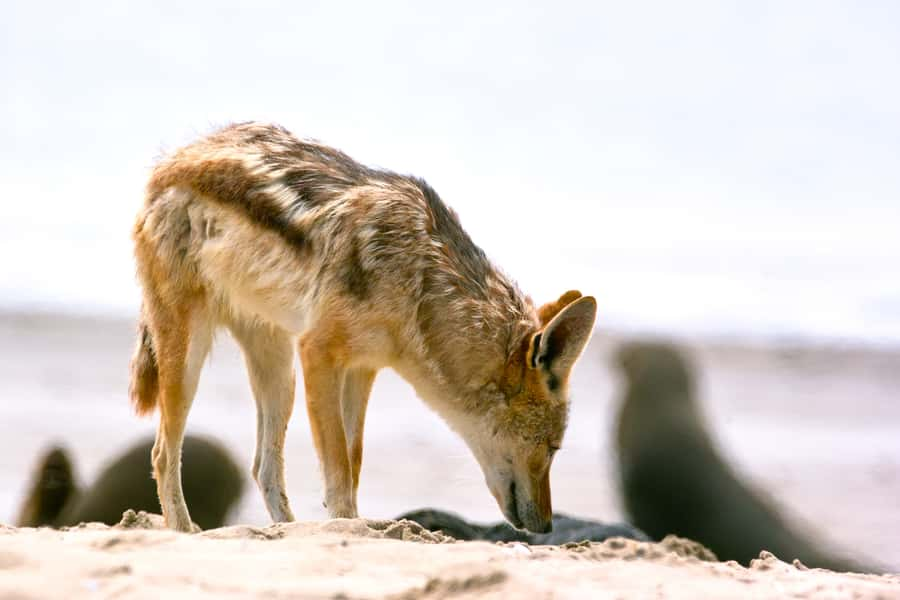
The final approach brings you to the tip of the peninsula. Here, the Walvis Bay lagoon lies on one side and the Atlantic Ocean on the other.
That physical contrast is the defining sight of the tour. On the lagoon side, the water is linked with birds and sheltered coastal habitat. On the ocean side, you see the open Atlantic. Standing between those two bodies of water helps you understand the shape and purpose of the peninsula far better than looking at it on a map.
You will have a break for refreshments and free time to watch the seals and birds. This is a valuable pause, particularly after the off-road ride. The tour does not appear to rush you straight from the vehicle into the return journey, although the exact amount of free time is not specified.
Refreshments are included, as are the necessary permits. That makes the final stop easier: you can concentrate on the wildlife and views rather than planning a separate food stop during a short outing. Bring your own water only if you prefer extra supplies, since the listed inclusion is simply refreshments and does not specify what drinks or snacks are provided.
Watching around 100,000 Cape Fur Seals
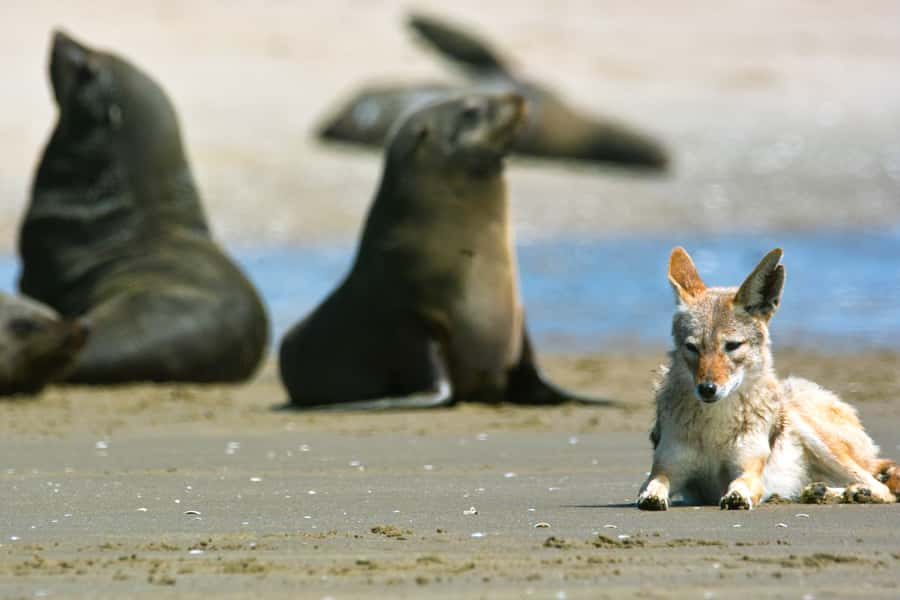
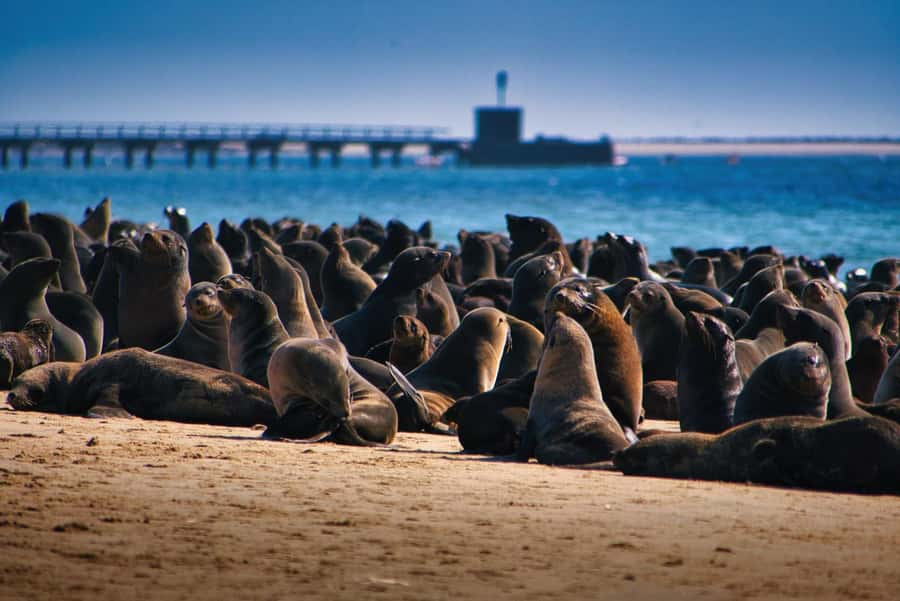
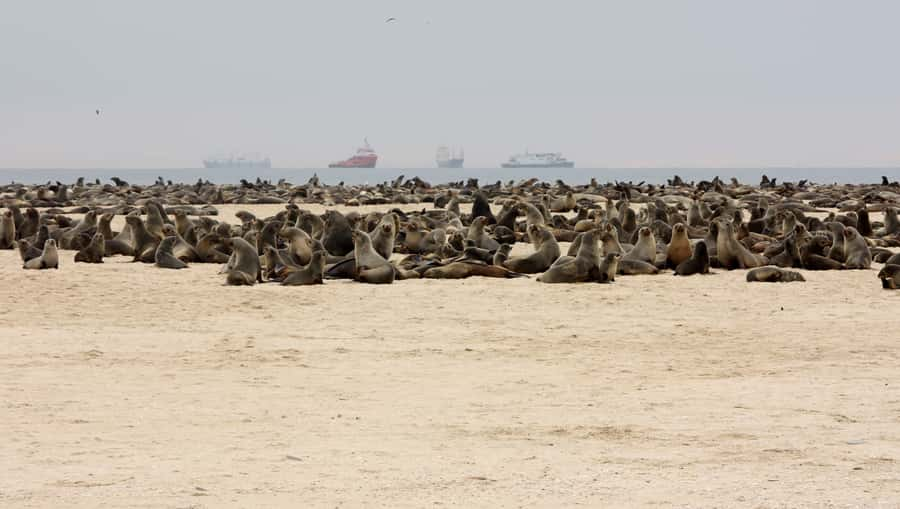
The Cape Fur Seal colony is the tour’s biggest wildlife draw. The highlight is described as around 100,000 seals, an enormous concentration that can make Pelican Point feel very different from the quiet lagoon earlier in the day.
You will have time to watch the seals and coastal birds near the peninsula’s tip. The experience is likely to be most rewarding if you remain patient and observe the colony rather than treating it as a single quick photograph. Look for movement, group behavior, and the way the animals occupy the shoreline.
The information provided does not promise close contact, feeding, or any interaction with the seals. That is a positive point from a wildlife perspective. You are there to watch the colony in its coastal setting, not to handle the animals or turn them into a staged attraction.
The scale of the colony is also why the permit is important. Pelican Point is a managed destination, and the included permit helps cover the official access needed for the visit. Exact wildlife numbers can vary, but the key promise is clear: this is a major Cape Fur Seal site, not an incidental stop where you might happen to see one seal in the distance.
What the $130 price covers
At $130 per person, the tour is not the cheapest way to spend three hours around Walvis Bay. Its value comes from the range packed into that time: lagoon birdlife, a salt refinery explanation, a 4×4 ride, maritime remains, a lighthouse, the meeting point of lagoon and ocean, and a very large seal colony.
Permits and refreshments are included. Those details reduce the number of extra costs to consider, though hotel transport from Swakopmund is separate at N$100 per person.
The price makes the most sense if you want several aspects of the peninsula handled in one organized outing. You do not need to arrange access to the salt operation, find the off-road route, or work out how to reach the colony at the peninsula’s tip. The guide also provides the explanations that turn the stops into a connected visit.
The value is less clear if you only want a short view of the lagoon or a quick photograph of the seals. In that case, a three-hour tour with a $130 price may feel like more than you need. It is best suited to you if you want a compact introduction to the whole area and appreciate having transport, permits, and a guide arranged together.
Timing, transport, and what to bring
The tour lasts three hours and begins at the Walvis Bay waterfront. It ends back at the waterfront after the return transfer from Pelican Point.
If you are staying in Swakopmund, do not assume hotel pickup is included. The additional transfer costs N$100 per person. If you are already near Walvis Bay, starting at the waterfront keeps the arrangement simple and avoids paying for the extra transfer.
The recommended packing list is short:
- Comfortable shoes for stops around sand and coastal ground
- Sunglasses for bright conditions
- A sun hat
- A camera
The tour description does not provide exact departure times, group size, vehicle capacity, or accessibility details. If any of those points affect your plans, ask Red Dune Safaris Namibia before paying. That is especially sensible if you need a particular seating arrangement or want to know how much time you will spend outside the vehicle.
You can reserve now and pay later, which helps if your schedule around Walvis Bay is still changing. Cancellation is allowed up to 24 hours in advance for a full refund.
Who will enjoy this Pelican Point outing
I would recommend this tour to you if you want variety without committing to a full-day excursion. Three hours is enough to see the major sights while leaving the rest of the day open for other plans.
It suits wildlife watchers who want seals and birds, photographers who like changing scenery, and visitors curious about how salt is produced in the region. The combination of natural and working sites gives you a broader sense of Walvis Bay than a single wildlife stop would.
Families may appreciate the short duration, though the deep-sand drive could be tiring for anyone who dislikes rough off-road travel. The information does not specify age rules or accessibility provisions, so check those points in advance if needed.
The outing is also a good fit if you prefer a guide who will answer questions rather than deliver only a fixed speech. The available feedback gives especially strong emphasis to an open, responsive guide who handles questions and requests well. Since no guide name is provided, you cannot request a particular person from the information available, but you can expect the service style to be a central part of the appeal.
Should you book the Pelican Point Peninsula Tour?
Book it if you want one well-packed outing that combines birdlife, industry, history, off-road travel, and seals. The strongest parts are the two-sided view at the peninsula’s tip, the route through deep sand, and the chance to watch a Cape Fur Seal colony described at around 100,000 animals.
Think twice if your priority is a slow, specialist birding session, a private vehicle, or a long stay at one location. The three-hour schedule is efficient, but it also means each stop has a defined place in the route.
For most visitors based around Walvis Bay, the price is reasonable for the access, permits, refreshments, transport, and guide included. Add the N$100 Swakopmund transfer if you are staying there. If that total fits your plans, this is a practical way to see the peninsula’s main natural and human-made sights without having to organize the route yourself.
FAQ
How long is the Pelican Point Peninsula Tour?
The tour lasts three hours from departure at the Walvis Bay waterfront to the return transfer.
Where does the tour begin and end?
It begins at the Walvis Bay waterfront and ends there after the visit to Pelican Point.
What wildlife can I see on the tour?
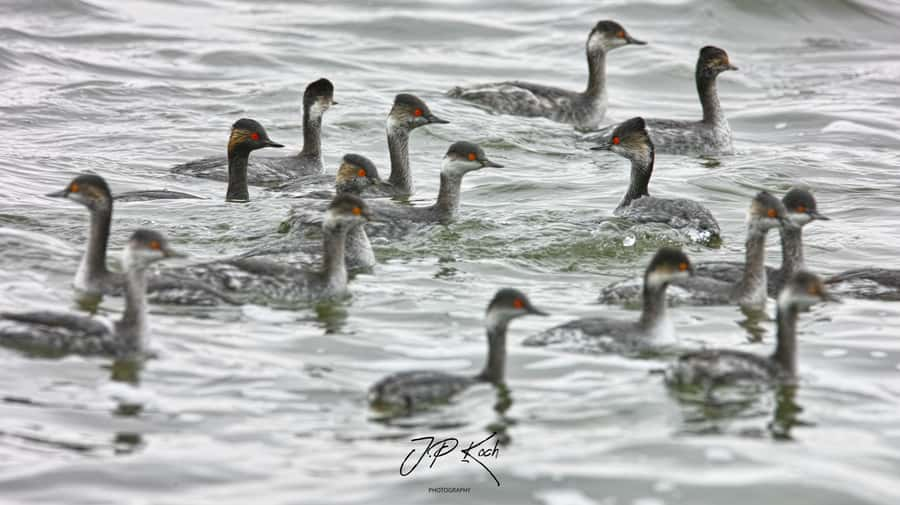
You can see flamingoes, pelicans, avocets, Cape Fur Seals, and other coastal birdlife. The seal colony is described as numbering around 100,000.
Does the tour include the Walvis Bay lagoon?
Yes. The lagoon is the first main attraction, with a stop for photographs and information about its birdlife and importance.
Will I visit the Walvis Bay salt refinery?
Yes. You will hear about salt production at the salt refinery, described as the largest solar production plant in Africa.
Is an off-road drive included?
Yes. The route includes a 4×4 drive through deep, loose sand on the way to Pelican Point.
Are refreshments and permits included?
Yes. Permits and refreshments are included in the tour price.
Is hotel pickup from Swakopmund included?
No. Pickup and drop-off in Swakopmund cost an additional N$100 per person.
What languages are available, and can I cancel?
The tour is available in English and Afrikaans. You can cancel up to 24 hours in advance for a full refund.
Just added around Namibia
- Walvis Bay: Pelican Point Seal and Sandwich Harbour Tour★ 4.8 · 15 reviews
- Walvis Bay Shore Excursion: Flamingos, Dune 7, Swakopmund★ 5.0 · 3 reviews
- Pelican Point Peninsula Tour- visit the seal colony★ 5.0 · 10 reviews
- Seal Kayaking at Pelican Point from Swakopmund★ 5.0 · 8 reviews
- Pelican Point tours,Lagoon tours, Dune7 Adventure★ 4.5 · 6 reviews
- Shore Excursion – Flamingos ,Dune7,Welwitschia, Moonlandscape,Oasis,Swakopmund.★ 5.0 · 8 reviews
- Pelican Point Seal Colony 4×4 Tour★ 5.0 · 7 reviews
- Mola Mola Marine Dolphin Cruise & Beach Braai on Pelican Point★ 5.0 · 3 reviews
Namibia Birdwatching Tours, compared.
Mola Mola Marine Dolphin Cruise from the Walvis Bay Waterfront to Pelican Point
Read our review →
swakopmund city tour dune 7 pink lake pink flamingos
Read our review →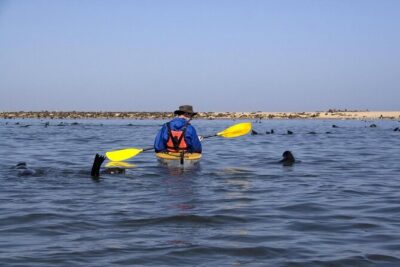

Pelican Point Peninsula Tour- visit the seal colony
Read our review →
Shore Excursion – Flamingos ,Dune7,Welwitschia, Moonlandscape,Oasis,Swakopmund.
Read our review →Browse the lists this tour appears in