
Review · INDIA BIRDWATCHING TOURS
Munsiari Birding tour
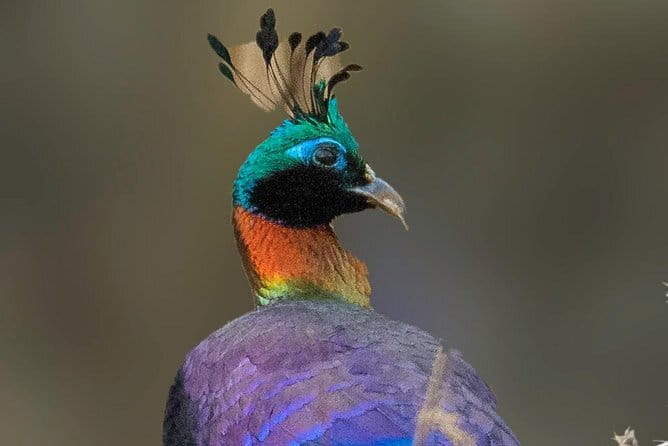
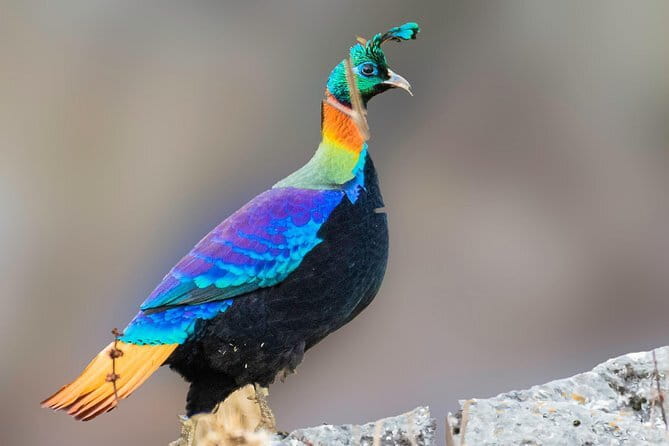
Munsiyari is a serious birding destination, not just a pretty Himalayan stop. More than 300 species have been recorded here, and the six-day route reaches forests, village edges, mountain roads, and high country where Satyr Tragopan, Himalayan Monal, Cheer Pheasant, and Koklass Pheasant may appear.
I like the careful spread of habitats. You visit Betuli Dhar, Sarmoli, Khaliya Top, Madkote, Nanda Devi Temple, and several roadside birding points, giving you more chances than a single forest walk. I also like the small-group feel and the personal arrangements associated with Sachin Pushkarna, whose planning, vehicles, drivers, and attention to each participant receive strong praise.
The tradeoff is the long road journey. Kathgodam to Munsiyari is about 250 kilometers, and the return takes roughly 12 hours. This is a focused birding trip with early starts, mountain roads, and a one-hour uphill walk to look for Satyr Tragopan, not a relaxed sightseeing holiday.
Key points to know before booking
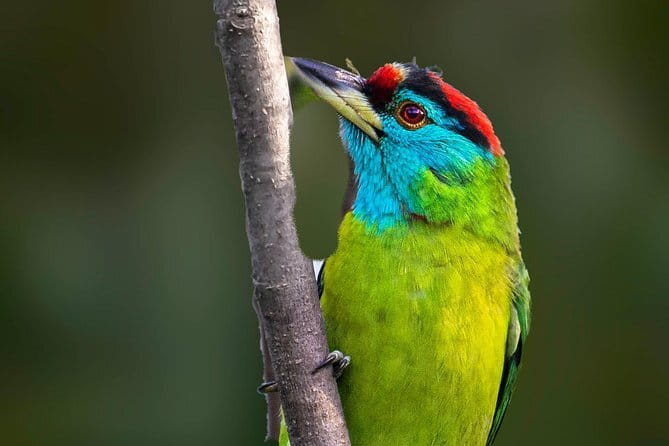
- More than 300 recorded bird species: Munsiyari offers habitat for pheasants, monals, finches, accentors, thrushes, warblers, woodpeckers, and more.
- Five nights and six days: The trip begins and ends at Kathgodam, with Munsiyari as the main base.
- Early starts are standard: Several birding sessions begin at 5 a.m., and Khaliya Top requires an uphill trek of about one hour.
- Private group format: Only your own group participates, with group discounts and mobile ticketing available.
- Strong target list: Satyr Tragopan, Himalayan Monal, Cheer Pheasant, Koklass Pheasant, Golden Bush Robin, Fire-fronted Serin, rosefinches, and laughing thrushes are among the main hopes.
- Weather matters: Poor weather can force a change of date or a full refund, and the tour also requires a minimum number of participants.
Why Munsiyari works so well for Himalayan birding
Munsiyari sits in the Kumaon division of Uttarakhand, close to the higher Himalayan ranges. That position gives you a useful mix of habitats. You can look for high-altitude pheasants in forested slopes, finches and accentors around open mountain areas, and lower-altitude birds near streams and warmer valleys.
The setting is important because birding here is not limited to one reserve gate or one short trail. The route uses roads, forest bends, village edges, temple grounds, and viewpoints. That variety helps when weather, season, or bird behavior changes your plans.
The main prize is the pheasant family. Satyr Tragopan is a major reason to join this trip, while Himalayan Monal, Cheer Pheasant, and Koklass Pheasant add further appeal. These birds are never guaranteed, so you should book for the quality of the habitat and the search itself, not for a promised checklist.
The wider target list is just as interesting. You might find speckled wood pigeons, spotted laughing thrushes, scimitar babblers, wren babblers, bar-throated sivas, yuhinas, woodpeckers, tits, warblers, finches, rosefinches, and fire-fronted serins. Golden Bush Robin, eastern goldfinch, chestnut-headed tesia, maroon oriole, grossbeaks, steppe eagle, and bearded vulture are also mentioned as possible finds.
A few more birdwatching trips around India worth a look
- Bharatpur Bird watching & Wildlife from Delhi
★ 5.0 · 18 reviews - Village Bike Tour & Birdwatching
★ 5.0 · 18 reviews - Chennai, Guided Birding And Birding Photo Trip With Spot Scope, 2 to 3 Hours
★ 5.0 · 16 reviews
Day 1: Kathgodam to Munsiyari with birding along the way
Your pickup is at Kathgodam station early in the morning. The drive to Munsiyari covers about 250 kilometers, so this is a full travel day rather than a gentle introduction.
Breakfast is planned at Almora, with lunch at Chaukori. Birding stops break up the road journey. Kainchi Dham may produce Brown Dipper and Crested Kingfisher, while the Chaukori area is noted for thrushes. These stops give you a chance to begin building your list before reaching the main birding area.
Birthi Falls adds a scenic pause later in the trip. It is a large waterfall and a useful break after many hours on the road. You then continue to Munsiyari, reach the hotel in the late evening, and have dinner before resting.
The practical point is simple: do not expect much free time on Day 1. The drive is long, but the roadside stops make it more than a transfer. If you are comfortable with a full road day, this arrangement saves you from treating the journey and the birding as separate trips.
Day 2: Betuli Dhar and the first high-altitude targets
Day 2 begins at 5 a.m. You head to Betuli Dhar, at about 2,600 meters, with the main hopes of finding Himalayan Monal, Cheer Pheasant, Koklass Pheasant, and finches.
The surrounding forest also supports woodpeckers, tits, warblers, laughing thrushes, and wood pigeons. You spend the morning scanning the road and forest until about 10 a.m., then return to Munsiyari for breakfast.
After breakfast, you have about two hours to rest before lunch. That pause matters. Early starts and cold mountain mornings can wear you down quickly, especially if you are carrying camera equipment or binoculars.
The afternoon session takes you to Nanda Devi Temple. Here the focus shifts toward finches, accentors, fire-fronted serins, eastern goldfinches, and Golden Bush Robins. It is a good example of the tour’s habitat-based planning: morning forest birding, followed by open-area species at a lower physical pace.
Day 3: Sarmoli village and Betuli Bend
Day 3 starts at Sarmoli village. The target list changes again, with finches, scimitar babblers, wren babblers, bar-throated sivas, yuhinas, and thrushes on the menu.
Village-edge birding can be especially useful because it covers a different type of cover from the denser forest near Betuli Dhar. You are not simply repeating the same stop each morning. The change of setting also gives you a better chance of finding birds that feed around cultivated or open areas.
After breakfast and lunch back in Munsiyari, the afternoon takes you near Betuli Bend. This session focuses on grossbeaks, steppe eagle, and bearded vulture.
The schedule gives you another rest period in the middle of the day. That is welcome, but the trip still favors people who enjoy early mornings more than late starts. If you prefer to sleep in and see only a few birds at an easy pace, this itinerary may feel demanding.
Same place, a different morning in the field:
- Private 4-Day Wildlife & Taj Mahal Tour from Jaipur to Delhi
★ 5.0 · 23 reviews - From Delhi: 5 Day Golden Triangle, Safari, & Bird Sanctuary
★ 4.4 · 15 reviews - Sultanpur The wonder of Birding from Delhi
★ 5.0 · 13 reviews - Kalapathar Sunrise, Birdwatching and Village Tour
★ 5.0 · 9 reviews
Day 4: The uphill search for Satyr Tragopan
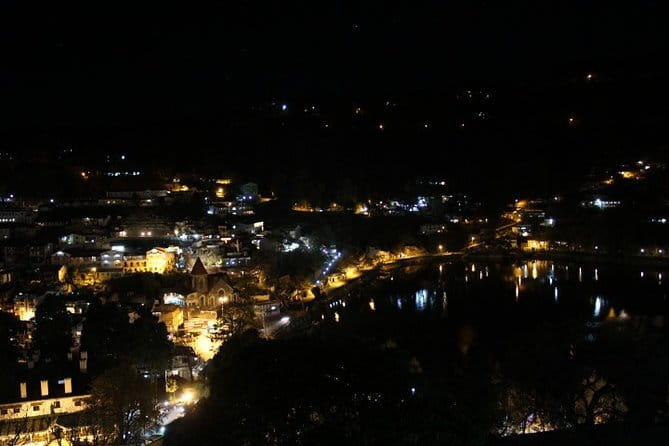
Day 4 is likely to be the most physically demanding morning. You leave early with a packed breakfast and head toward Khaliya Top, primarily to search for Satyr Tragopan.
The approach requires about one hour of uphill trekking. The walk is not described as a major expedition, but altitude and cold can make a short climb feel harder. You should be ready to walk steadily and spend time scanning habitat rather than expecting the bird to appear at the first bend.
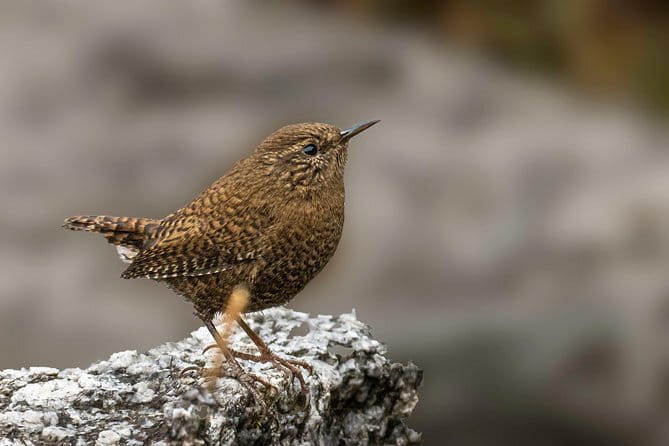
The surrounding area may also produce winter wrens, woodpeckers, babblers, wren babblers, and spotted laughing thrushes. This matters because the morning is worthwhile even if the main pheasant stays out of sight.
You return to Munsiyari for lunch, followed by another Betuli Dhar excursion in the afternoon. The second session gives you another chance at high-altitude species and helps use the day well after the Khaliya Top walk.
If Satyr Tragopan is at the top of your list, ask about the walk before booking. The tour is not built around roadside viewing alone, and the best habitat may require patience and some uphill effort.
Day 5: Lower-altitude birds at Madkote
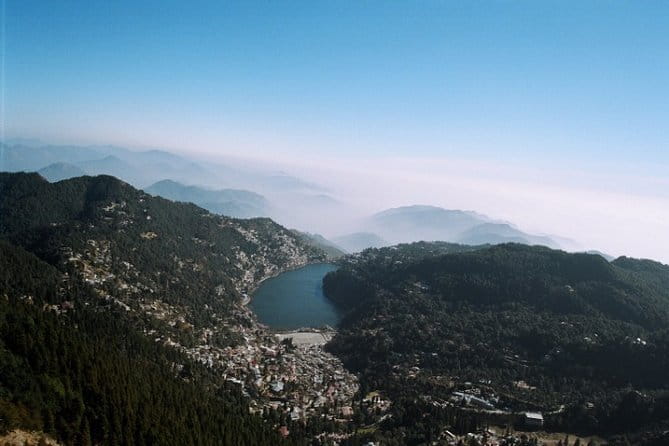
The fifth morning moves toward Madkote, where birding continues until about 11 a.m. This area is useful in winter because birds found near water or at lower elevations may be active there.
Possible species include chestnut-headed tesia, laughing thrushes, warblers, and maroon oriole. The change in altitude gives you a fresh set of possibilities after several sessions focused on higher forests and mountain slopes.
You return to the resort for breakfast and lunch, then spend the afternoon around College Road. This final local session is intended for species missed earlier.
The day has a more forgiving rhythm than Day 4, but you still start early. For photographers, the repeated visits to nearby areas are helpful. You can refine your position, wait longer, and try for better photographs instead of constantly moving to a new place.
Day 6: Final photographs and the long return
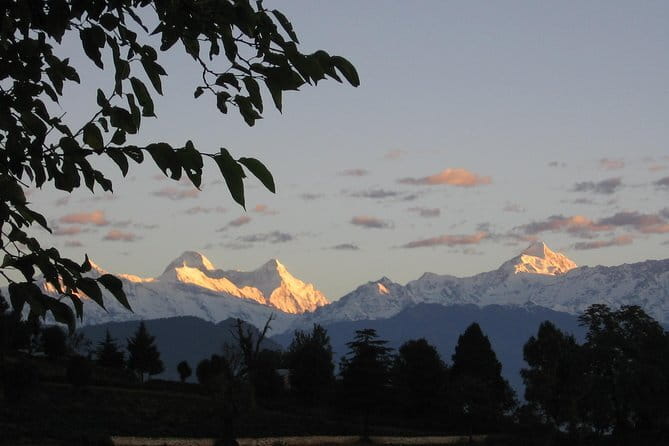
The last morning takes you back to Nanda Devi Temple. The emphasis is on more photographs of rosefinches, accentors, serins, and goldfinches.
After breakfast, you begin the return to Kathgodam. The journey takes about 12 hours and connects with an overnight train to Delhi. This is another demanding travel day, so plan your onward arrangements carefully and avoid placing an important commitment immediately afterward.
The return schedule means the tour ends where it began, at the Kathgodam meeting point. It does not finish in Delhi, and transport beyond Kathgodam is not included in the stated details.
What the private format means for your birding
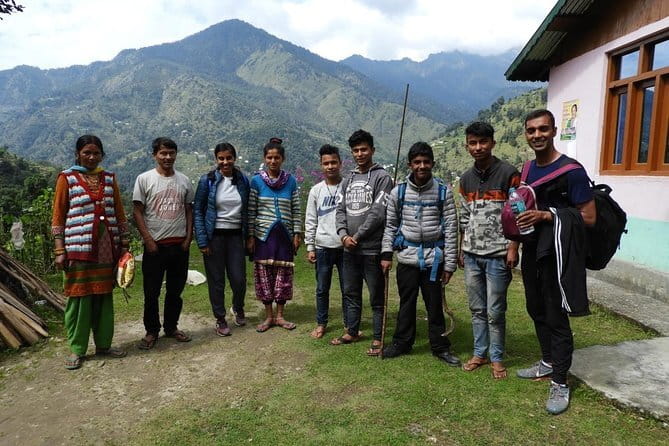
This is a private activity, so only your own group participates. That can make a real difference on a birding trip. You can spend longer at a promising bend, adjust the pace for the group, or focus on photography without coordinating with a large mixed-interest crowd.
The arrangements connected with Sachin Pushkarna are repeatedly praised for personal attention, reliable planning, suitable vehicles, drivers, and detailed handling from pickup through drop-off. One particularly useful detail is the reported experience of birding in snow. Weather like that can produce memorable conditions, but it can also make roads and trails harder, so flexibility remains important.
Travelderness has run tours in this area for several years and has built its route around known birding points. That does not guarantee rare species, but it should help you spend less time guessing where to go and more time watching.
Ask about the expected group size before paying if this matters to you. The tour is private, but the supplied information does not state a maximum number for your own party.
Is the $1,800.32 price good value?
At $1,800.32 per person, this is not a budget birding break. The value depends on what is included in the final booking, since the supplied details do not spell out every inclusion, such as accommodation category, meals beyond the stated schedule, or transport beyond the tour route.
The price makes more sense if you value a private vehicle, specialist route planning, repeated access to several habitats, and direct support from an organizer who handles the trip from Kathgodam. A six-day program with long-distance transfers, local transport, accommodation arrangements, and a private group can justify a higher price than a short shared excursion.
It is less attractive if you mainly want a casual introduction to Himalayan birds or a scenic mountain holiday. Much of the time is built around early starts, road travel, quiet scanning, and waiting for birds. You are paying for access and organization, not constant activity.
Group discounts may improve the calculation if you are booking with friends. Compare the total cost with the number of people in your party, then confirm exactly what is covered before committing.
Who should book this Munsiyari trip?
I would recommend it most strongly to birders with a serious target list, especially anyone hoping for Himalayan pheasants, monals, finches, accentors, laughing thrushes, or high-altitude birds.
It also suits photographers who want repeated chances at the same areas. The itinerary returns to Betuli Dhar and Nanda Devi Temple, rather than treating each place as a single rushed stop.
You should be comfortable with:
- 5 a.m. starts
- Long drives on mountain roads
- A one-hour uphill walk to Khaliya Top
- Cold or changing weather
- Birding that may require patience and careful scanning
- A 12-hour return journey to Kathgodam
The tour is also a good match for private groups that want a personal schedule. Couples, friends, and small birding clubs can make better use of the flexible format than people seeking a large social group.
Booking, weather, and cancellation details
Confirmation is provided at booking, and mobile tickets are available. The meeting point is Kathgodam station in Haldwani, Uttarakhand, and the activity ends back there.
Most people can participate, but the Khaliya Top walk and repeated early starts should be taken seriously. The tour depends on suitable weather and a minimum number of participants. If poor weather cancels it, you can choose another date or receive a full refund. The same options apply if the minimum number is not reached.
For other cancellations, you receive a full refund if you cancel at least six full days before the start time. Cancellation two to six full days ahead brings a 50 percent refund. Less than two full days means no refund, and changes are not accepted inside that final two-day window.
FAQ
Where does the Munsiyari birding tour start?
It starts at Kathgodam station in Haldwani, Uttarakhand, postal code 263126.
Where does the tour finish?
The activity ends back at the Kathgodam meeting point after the return from Munsiyari.
How long is the tour?
The tour lasts approximately six days and includes five nights.
Is this a private tour?
Yes. Only your own group participates in the activity.
Which birds are the main targets?
Main targets include Satyr Tragopan, Himalayan Monal, Cheer Pheasant, Koklass Pheasant, Golden Bush Robin, fire-fronted serin, finches, accentors, laughing thrushes, rosefinches, and other Himalayan species.
Is there much walking?
Most birding is done around roads, forests, village areas, temple grounds, and other local spots. The Khaliya Top session requires an uphill trek of about one hour.
What happens if the weather is poor?
If poor weather causes cancellation, you are offered a different date or a full refund.
Should you book it?
Book this tour if Munsiyari’s pheasants and high-altitude birds are a priority, and if you want a private, carefully arranged route rather than a quick sightseeing visit. The strongest parts are the range of habitats, repeated chances at key sites, personal planning linked with Sachin Pushkarna, and the chance to bird in striking Himalayan conditions, including possible snow.
Think twice if you dislike long drives, early mornings, uncertain sightings, or uphill walking. At this price, confirm the exact inclusions and group discount before you pay. For a committed birder who accepts that rare birds are never guaranteed, this is a focused and promising way to explore one of Kumaon’s best-known birding areas.
Just added around India
- Sultanpur Bird Sanctuary Tour Near Delhi★ 5.0 · 3 reviews
- Sultanpur Birding Escapade★ 5.0 · 2 reviews
- 2 Days Agra Tour From Delhi with Fatehpur Sikri & bird Sanctuary★ 5.0 · 2 reviews
- Bird Sanctuary, Bharatpur & Taj Mahal, Agra Day Tour from Delhi★ 4.5 · 4 reviews
- Bharatpur Birding adventure from Delhi★ 5.0 · 2 reviews
- Bird Watching at Nandur Madhyameshwar Wildlife Sanctuary Nashik★ 5.0 · 2 reviews
- Thattekad Guided Bird Walk.★ 5.0 · 5 reviews
- Village Walking Tour and Bird Watching★ 5.0 · 5 reviews
India Birdwatching Tours, compared.
Chennai, Guided Birding And Birding Photo Trip With Spot Scope, 2 to 3 Hours
Read our review →
From Delhi: 5 Day Golden Triangle, Safari, & Bird Sanctuary
Read our review →
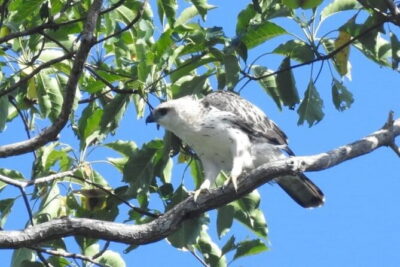
Kalapathar Sunrise, Birdwatching and Village Tour
Read our review →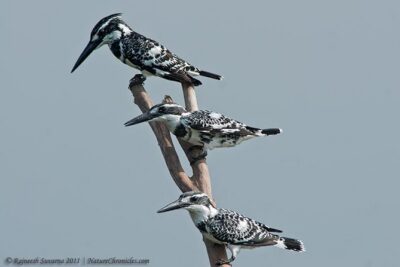

7 Day Golden Triangle Tour with Wildlife-Taj Mahal Tigers & Birds
Read our review →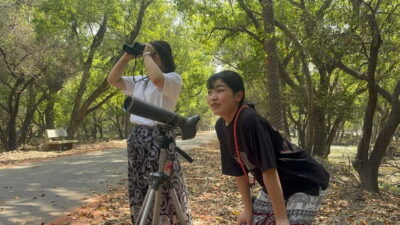
From Agra: Taj Mahal, Fatehpur Sikri & Bird Safari Tour
Read our review →Browse the lists this tour appears in