
Review · ECUADOR BIRDWATCHING TOURS
Guided Birding Photography Experience
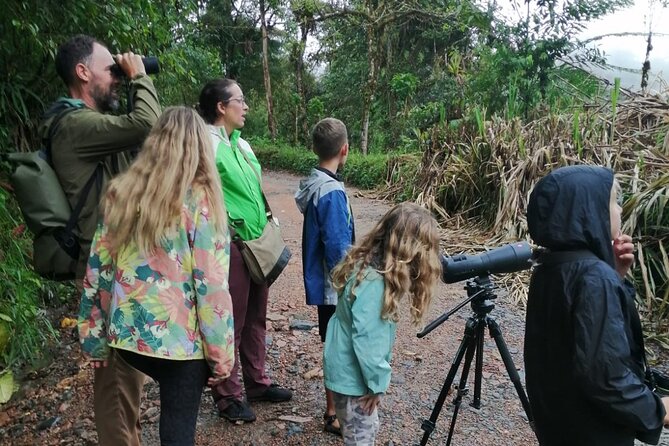
Mindo’s cloud forest comes alive early, and this 6:00 am private outing puts you there when birds are active and the roads are quiet. I like the chance to reach several birding spots by private vehicle, and I like that the price is $180 per group of up to five, not per person. That can be strong value for a small family or photography group.
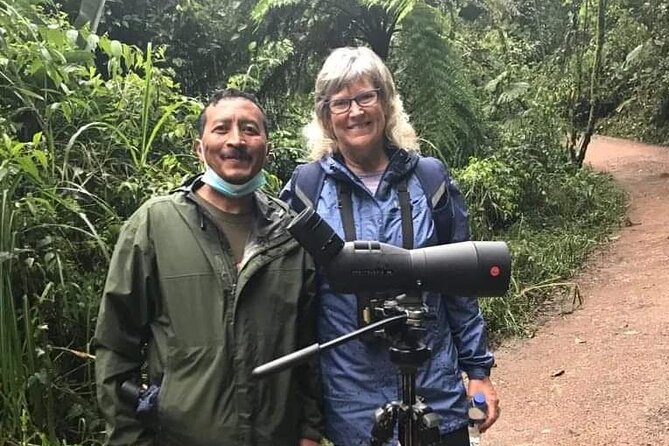
Guide Irman Arias has a sharp eye, knows bird calls, and can help beginners identify what they are seeing. The main caution is in the name: this is a guided birding experience with photography opportunities, not a full photography workshop. You may need to take the pictures yourself, sometimes through an older or slightly unsteady scope.
Key points at a glance
- Dawn is the right time: The outing begins at 6:00 am, when Mindo’s birds are most active and the forest is quieter.
- Private transport matters: You can reach remote viewing areas without arranging a driver separately.
- Strong bird variety: Toucans, tanagers, parrots, hummingbirds, barranquero birds, and possible quetzals are all on the menu.
- Irman Arias is a useful guide: He can identify birds by sight and sound, and his calls have even fooled bird-identification apps.
- The group price favors small parties: Up to five people share the $180 cost, which works out to $36 each for a full group.
- Photography takes some effort: Scopes and binoculars help you see birds clearly, but phone photography through a scope can be fiddly.
Why Mindo works so well for birding
Mindo sits in Ecuador’s Andean Chocó, a cloud forest area known for an exceptional range of bird species. You do not need to be an expert to appreciate it. Bright tanagers flash through the trees, hummingbirds hover near feeders, and toucans often perch long enough for you to get a proper look.
The setting is part of the appeal. Mindo is a small, friendly town surrounded by forest, with rough roads leading to some remote birding sites. That combination gives you a real sense of leaving ordinary sightseeing behind without needing a long expedition.
I especially like the way this outing can work for different levels of interest. If you are new to birding, a guide can point out shapes, colors, songs, and movement that you would miss alone. If you already keep a life list, Mindo offers a chance to add species such as local hummingbirds, toucans, and perhaps the golden-crowned quetzal.
The experience has a 4.9 rating from 47 reviews, with 98 percent of customers recommending it. Those numbers fit the strongest pattern in the feedback: guides are praised for their patience, bird-spotting ability, communication, and care with the day’s plan.
More Photography Sessions in the world:
- Jaco Birdwatching and Photography with Sergio
★ 5.0 · 65 reviews - Birding & Photography Day Trip to Doñana from Seville
★ 5.0 · 61 reviews - Skadar Lake National Park: Birdwatching & Photography Tour
★ 4.8 · 39 reviews
The 6:00 am start and private pickup
Your morning begins early. The stated start time is 6:00 am, and that is not an arbitrary choice. Bird activity is generally best early in the day, and several of Mindo’s more sought-after sightings require a morning visit.
Private transport is included, which makes a real difference in Mindo. Some birding locations sit along rough, potholed dirt roads, and a local driver knows how to handle them. One driver named Paul received particularly strong praise for safe driving on remote roads. The ride may not be smooth, but having someone else manage it lets you focus on the forest.
The exact pickup details should be confirmed when you book. One party used the service from a resort, while another arranged a longer journey from Quito, leaving around 5:30 am and reaching Mindo roughly an hour and a half later. The four-hour activity itself begins once you are in the Mindo area, so clarify whether your accommodation is in town or farther away.
That early hour can be hard for some people. If you are staying in Mindo, it is manageable. If you are coming from Quito on the same morning, the day becomes much longer, and you should plan for the extra road time.
The first viewing platforms above the forest
A common first stop is a private property with viewing platforms above a broad ravine. This is one of the most productive parts of the outing because birds often appear at eye level or across the open gap, rather than disappearing immediately into thick vegetation.
The platforms are particularly useful for photography. A guide can set up a telescope and help you find the bird. You may see toucans repeatedly, as well as tanagers, hummingbirds, parrots, and other forest species. One morning produced 48 bird species, including 14 kinds of hummingbird, though your total will depend on weather, timing, and luck.
This is also where you will want patience. A bird may appear only briefly, then return several minutes later. If toucans are your priority, tell the guide early and ask how long you should remain at the platform. One visitor left before more toucans arrived later, a useful reminder that birding is governed by the birds, not the timetable.
Coffee and snacks may be served at a private reserve, and the views from the property can be lovely. The location is not always completely private in practice, since other guides may bring small groups to the same viewing platform. Still, the booked experience remains private in the sense that you have your own guide and vehicle rather than joining a large bus tour.
Walking the cloud forest after the platforms
After the initial viewing area, the route may continue on foot through the forest. This gives you a different kind of birding. From a platform, you can watch birds at a distance with a steady scope. On the forest walk, you listen for calls and scan branches, vines, and open patches for movement.
Guide Irman Arias is particularly strong at this part of the morning. He knows the local bird calls and can often tell that a bird is nearby before it comes into view. He has also used bird calls himself, sometimes drawing a bird closer. That skill is valuable, but you should expect a natural encounter rather than a guaranteed close-up.
The walk can produce toucanets, additional toucans, hummingbirds, and other species. It is also where the forest itself becomes more important. You are not simply moving from one photo stop to another. You are learning to hear the place, wait for a call, and notice how quickly a colorful bird can vanish among the leaves.
Guides do not all give the same amount of information without prompting. Irman is very good at identifying birds, but some visitors found his explanations brief unless they asked questions. If you want more than a name, ask about the bird’s behavior, diet, nesting, or call. A clear request can turn a quick identification into a better natural-history lesson.
A few more birdwatching trips around the world worth a look
- Puffin Cruise with Expert Tour Guide from Reykjavik
★ 4.5 · 636 reviews - Guided Evening Penguin Viewing Otago Peninsula, Dunedin, New Zealand
★ 5.0 · 471 reviews - Húsavík: Whale-Watching Cruise and Puffins Guided Tour
★ 4.6 · 444 reviews - Cape Town: Cape of Good Hope & Penguins Full-Day Guided Tour
★ 4.7 · 348 reviews
What you can realistically photograph
The experience is well suited to taking pictures through a telescope, especially with a phone. The scope can bring distant toucans and hummingbirds close enough for identification and basic photos or video.
You should keep your expectations sensible. This is not a session with a dedicated camera operator who takes every shot for you. The guide helps you spot and set up the equipment, but you may need to position your phone, steady it, focus, and capture the image yourself.
That process can distract you from simply watching. An older scope may wobble slightly, and photographing through the eyepiece takes practice. If you are traveling with another photographer, one person can watch while the other handles the phone. You can also decide that some sightings are better enjoyed with your own eyes.
Bring the camera equipment you already know how to use. A phone can produce memorable results, particularly when a toucan stays put, but the main strength of the outing is access and bird spotting, not studio-quality wildlife photography.
The best photographic conditions depend on light. A cloudy or rainy visit can still produce excellent sightings, but darker conditions make exposure harder. One November visit had frequent cloud and rain, while a drier summer period was considered better for photography. Weather in a cloud forest can change quickly, so flexibility matters more than a promise of perfect light.
The birds you might see
Mindo offers a broad target list, but no guide can order a wild bird to appear. The most likely rewards include:
- Toucans and toucanets
- Tanagers in several colors
- Parrots
- Hummingbirds
- Barranquero birds
- Other cloud forest species
- Possible quetzals
Hummingbirds are a major draw. Local counts include around 30 known species, and one morning produced sightings of 14 kinds. You might see only a few, or you might spend a large part of the outing watching them move rapidly between flowers and feeders.
Quetzals are possible but never certain. One group heard a golden-crowned quetzal without seeing it. Another saw both a male and female after the guide kept searching. That contrast tells you how birding works here: good guiding improves your odds, but it does not remove chance.
The Andean cock-of-the-rock requires a separate outing. It is not simply an extra stop on every four-hour birding tour. You need to visit a particular lek, or gathering site, and the start can be as early as 5:00 am. At the right place, several males may gather while waiting for a female, making this a memorable sight even when mating behavior does not occur.
If the cock-of-the-rock is your main goal, book the dedicated outing rather than assuming this experience includes it. The same applies to quetzals. Tell the guide your priorities before departure so the morning can be planned around them when conditions allow.
How the $180 group price works
The price is $180 per group, with up to five people included. That is a good arrangement for a couple, family, or small photography team. Five people pay $36 each, while two people pay $90 each. The value is strongest when you fill most of the available places.
You are paying for more than a guide’s time. Private transport is included, and that removes the need to arrange a separate driver for rough roads or remote sites. You also gain local route knowledge and help locating birds that are easy to miss without trained ears and eyes.
The price does not appear to include a professional camera, and photography assistance has limits. Equipment such as scopes and binoculars may be available, but confirm what will be supplied before you depend on it. If you are serious about photography, bring your own phone or camera and ask exactly how the viewing equipment will be used.
Compared with arranging a guide, driver, and several separate visits yourself, the package is fair. Compared with a basic walking tour, it costs more, but you are buying specialist attention and access to productive birding places during the best hours of the day.
Who will enjoy this outing most
I would recommend this experience to you if you enjoy nature, want a guided introduction to birding, or hope to add colorful Ecuadorian species to a life list. You do not need previous birding experience. A guide can lend binoculars, use a scope, and help you understand what you are seeing.
It also suits small groups with mixed interests. Someone who knows birds can ask detailed questions, while a first-timer can simply enjoy toucans and hummingbirds. The private format makes it easier to set the pace and explain your priorities.
Photography-focused visitors should book with a clear understanding of the format. You will have real chances to photograph birds, but you may have to manage the phone and scope yourself. If getting a particular image matters more than seeing a wide range of species, ask in advance about equipment and whether a longer or more specialized photography plan is available.
The outing is less suitable if you dislike early starts, rough roads, uncertain weather, or waiting quietly for wildlife. It is also not the right choice if your only goal is the cock-of-the-rock, since that bird needs a separate, earlier visit.
Practical details before you book
Confirmation is provided at booking, and most people can participate. This is a private activity, so only your group takes part in the booked experience, even though you may encounter other small groups at a popular reserve.
Wear clothing suited to wet forest conditions and walking. The supplied information does not specify a gear list, so ask the operator what to bring, particularly if you need binoculars or a scope for photography. Comfortable shoes matter because some routes include uphill walking.
If you need to cancel, you can receive a full refund by canceling at least 24 hours before the local start time. Cancellations or changes made inside that window are not refunded or accepted.
The experience is often booked about 60 days ahead. That does not mean a last-minute booking is impossible, but early planning is sensible if you need a particular date, guide, or transport arrangement.
Should you book the Mindo birding experience?
Book it if you want a focused morning in one of Ecuador’s best birding areas, especially if you are happy to trade guaranteed sightings for expert help and good odds. The combination of private transport, a small group, local bird calls, and access to productive platforms makes the $180 group price reasonable.
Guide Irman Arias is a particularly appealing choice if he is available. His bird-spotting skills, patience, English communication, and ability to recognize calls can make a major difference. Just ask for the kind of information you want, and state your target birds before setting out.
I would not book it expecting a polished professional photography workshop. Think of it as guided birdwatching with useful opportunities for phone and camera images. For most people, that is the better bargain anyway: you get help finding the birds, time to watch them, and a fair chance of leaving Mindo with both good memories and a long bird list.
FAQ
What time does the birding experience start?
The stated start time is 6:00 am.
How long does the activity last?
The birdwatching experience lasts approximately four hours.
How much does the experience cost?
The price is $180 per group, for up to five people.
Is this a private tour?
Yes. Only your group participates in the private activity.
Is private transport included?
Yes. Private transport is included as part of the experience.
What birds might I see?
You might see toucans, tanagers, parrots, hummingbirds, barranqueros, and other forest birds. Quetzals are possible but not guaranteed.
Is the Andean cock-of-the-rock included?
No. The cock-of-the-rock requires a separate experience at a particular location, often with an earlier start around 5:00 am.
Can I take photographs during the outing?
Yes. The guide helps you spot birds and set up equipment, and visitors have photographed birds through a telescope. You may need to handle your own phone or camera, and using an older scope for photos can be difficult.
Can I cancel for a full refund?
Yes. You must cancel at least 24 hours before the experience’s local start time for a full refund. Cancellations or changes made less than 24 hours in advance are not accepted or refunded.
Just added around the world
- Walvis Bay: Pelican Point Seal and Sandwich Harbour Tour★ 4.8 · 15 reviews
- Walvis Bay Shore Excursion: Flamingos, Dune 7, Swakopmund★ 5.0 · 3 reviews
- Victoria Falls: Private Birdwatching Safari near the town★ 5.0 · 2 reviews
- Vila Franca do Campo: Marine Life & Bird Watching & Islet Tour★ 4.4 · 9 reviews
- VIP falconry taster session★ 5.0 · 2 reviews
- Victoria Falls: Private Zambezi River Birdwatching Safari★ 4.7 · 14 reviews
- Vestmannaeyjar: Puffin, Island, and Volcano Boat Tour★ 4.4 · 7 reviews
- Ushuaia: Gable Island and Penguin Colony with Lunch★ 4.8 · 2 reviews
Ecuador Birdwatching Tours, compared.
Full-Day Mindo Cloud Forest Tour Birdwatching Waterfalls and Hike
Read our review →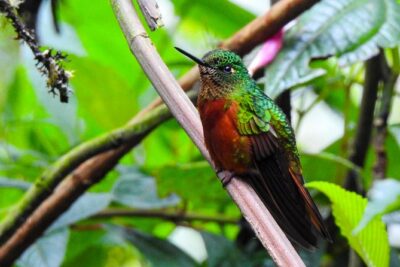
Papallacta Hot Springs & Guango Birding Reserve Private Tour
Read our review →
Private Full-Day Mindo Cloud Forest,Butterfly Farm, Chocolate Tour bird watching
Read our review →
Birdwatching Tour in Cajas National Park from Cuenca
Read our review →
MINDO CLOUD FOREST – Nature & Birds – Personalized Experience
Read our review →
Antisana Volcano Birding & Natural History Condor Tour PRIVATE, all included
Read our review →
Browse the lists this tour appears in