
Review · BIRDWATCHING
Half-Day Birding Tour of Livingstone
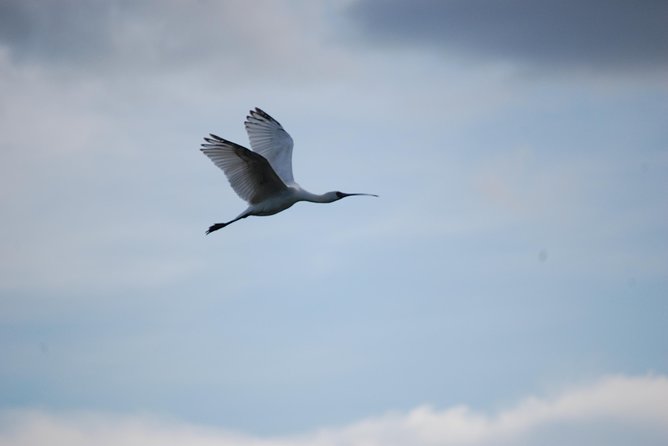
The best part of this 3-hour Livingstone birding tour is its personal feel. Your guide can shape the outing around the birds you hope to see, rather than marching every group through the same fixed route. Early pickup at 6am also puts you out when bird activity is usually strongest.
I like the included hotel pickup and drop-off, especially if you are fitting birding into a short Victoria Falls stay. I also like the small maximum of eight people, plus the chance to work with Martin, a guide praised for his sharp spotting and clear explanations. The main drawback is time: three hours is enough for a useful introduction, but serious birders may want more time in Zambia’s many habitats.
Key details for your morning in Livingstone
- 6am hotel pickup: Start from any lodge or hotel in Livingstone, then return there after the outing.
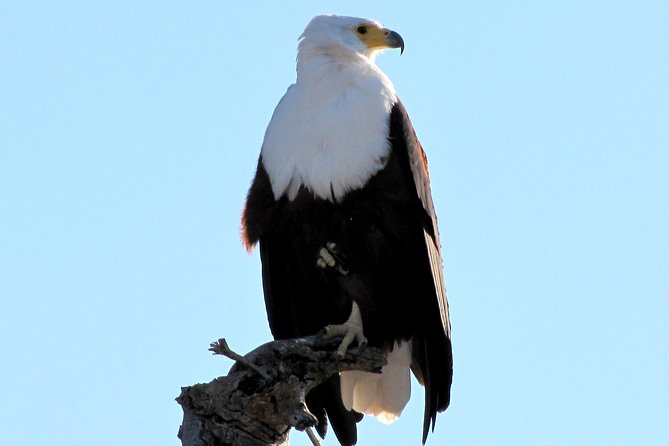
- Mosi-oa-Tunya National Park habitats: River, wetland, forest, and rocky areas support more than 450 bird species.
- Target species: Ask about the Taita Falcon, African Finfoot, Brown Firefinch, and other birds on your list.
- Guide-led learning: The tour is narrated for first-time birders, while still allowing experienced birders to name priority species.
- Small group size: The maximum is eight people, with at least two required for a booking.
- Wildlife beyond birds: You might also see giraffes, zebras, baboons, hippos, and lizards.
Why the 6am start matters
Birding rewards an early start, and this outing gets moving at the right hour. Pickup is scheduled for 6am from your Livingstone hotel or lodge, when the cooler morning air can make walking more pleasant and birds are often active.
I would choose this time even if you are only a casual bird watcher. A morning tour gives you a better chance to hear calls, watch feeding activity, and see species before the heat of the day changes their behavior. The early start also leaves much of the day free for Victoria Falls, a later safari activity, or your onward plans.
The early hour does require a little discipline. If you prefer slow hotel breakfasts, this is not the easiest morning. Pack what you need the night before, wear comfortable walking shoes, and ask your hotel about breakfast arrangements if that matters to you.
The tour lasts about three hours, though the exact timing can depend on your bird list. That is a sensible length for a first birding outing. You get enough time to visit more than one area without committing half a day to a specialist activity.
A few more birdwatching trips around the world worth a look
- Pelican Point Kayaking Half-Day Tour
★ 5.0 · 349 reviews - Cape Town: Penguins & Cape of Good Hope Half-Day Tour
★ 4.3 · 324 reviews - From Cape Town: Half-Day Boulders Beach and Penguins Tour
★ 4.9 · 35 reviews
Entering Mosi-oa-Tunya National Park
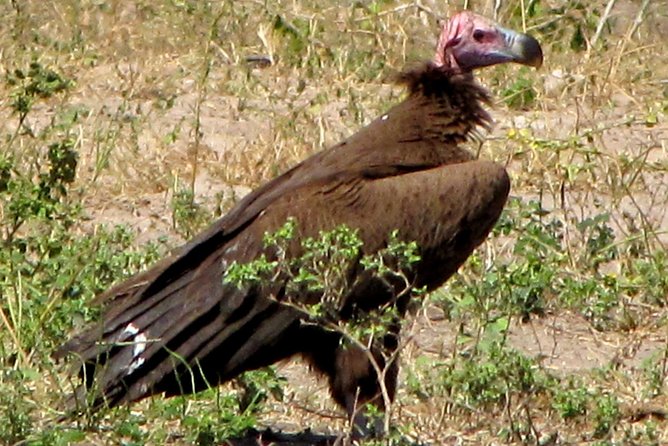
Mosi-oa-Tunya National Park is the main setting, with habitats along the Zambezi River and areas of wetlands, forest, and rock cliffs. That variety is important because birds do not all gather in the same place. Water-loving species need very different conditions from birds that favor dry ground, trees, or rocky edges.
The park supports more than 450 bird species, so the setting gives your guide room to adjust the plan. If one habitat is quiet, the outing can focus on another area. The exact places visited are not fixed in the details provided, but one morning included stops at two separate sites, which suggests the outing may use more than one birding location.
That flexibility is useful for a short tour. You are not simply sitting in one spot hoping the birds cooperate. Your guide can respond to conditions and your interests, then explain what you are seeing as you go.
Still, keep your expectations sensible. A park with hundreds of recorded species does not mean you will see hundreds in three hours. Birding depends on weather, season, habitat, patience, and luck. The value here is having a local guide who can help you make the most of a limited morning.
A guide who makes birding easier
Martin is the guide name attached to the strongest personal feedback about this experience. His role goes beyond pointing out birds. He explains bird behavior and habitat, helps with identification, and keeps the outing approachable for people who are new to birding.
That matters because birding can feel confusing at first. A quick glimpse of a small brown bird may not mean much until someone explains its call, markings, or preferred habitat. A good guide also helps you slow down and look in the right place instead of scanning every tree at random.
Martin was praised for being an excellent spotter and for teaching visitors about both wildlife and Zambia. That combination suits this tour well. You can come with a serious checklist, or simply learn how to notice the difference between waterbirds, woodland species, and birds of open ground.
The outing is fully narrated, so you should expect regular interpretation rather than a silent walk. If you already know your birds, tell the guide your priorities at the start. The tour is designed to be tailored, and a specific list gives the guide a clear target.
Your driver and guide are included, and one outing used two sites during the morning. The driver was also praised for handling the transport well. No driver name is provided, but pickup and drop-off are part of the arrangement.
Birds to put on your list
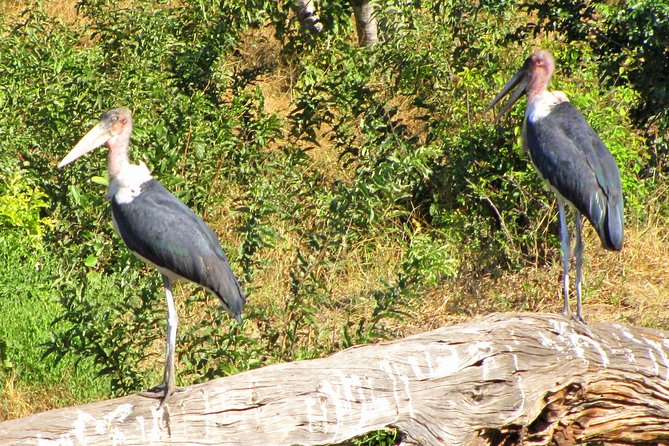
The tour specifically points you toward three prized possibilities: the Taita Falcon, African Finfoot, and Brown Firefinch. These are not guaranteed sightings, but they give you a useful sense of the level of birding interest in the area.
The African Finfoot is linked to waterways, so river and wetland habitat matters. The Taita Falcon is associated with rocky cliffs and is a particularly ambitious target. The Brown Firefinch brings a different challenge, since small finches can be easy to miss without a patient guide and careful listening.
Zambia has more than 750 bird species across its different environments. The wider national list includes wetland birds such as herons, storks, ibises, crowned cranes, and wattled cranes. The famous shoebill stork is associated with the Bangweulu wetlands, not this short Livingstone outing, so you should not book this tour expecting a shoebill sighting.
There are also dry-country specialties, including Chaplin’s barbet, Zambia’s only truly endemic bird species. Bohm’s bee-eater, racket-tailed roller, and spotted creeper are other notable birds found in Zambia. The tour description uses these species to show the country’s range, but it does not promise that you will see them around Livingstone in three hours.
I would send your priority list before the morning if possible, or at least mention it when you meet the guide. That makes the tour more useful than simply asking to see as many birds as possible.
Same place, a different morning in the field:
- Penguin Parade, & Wildlife Encounters Eco Tour from Melbourne
★ 5.0 · 3,774 reviews - Cape Town: Cape of Good Hope & Penguins Day Tour with Pickup
★ 4.7 · 3,362 reviews - Cape Point and Boulder’s Penguins Full Day Tour
★ 5.0 · 3,118 reviews - Cape of Good Hope & Boulder Penguins Full-Day Tour from Cape Town
★ 5.0 · 2,347 reviews
Wildlife beyond the binoculars
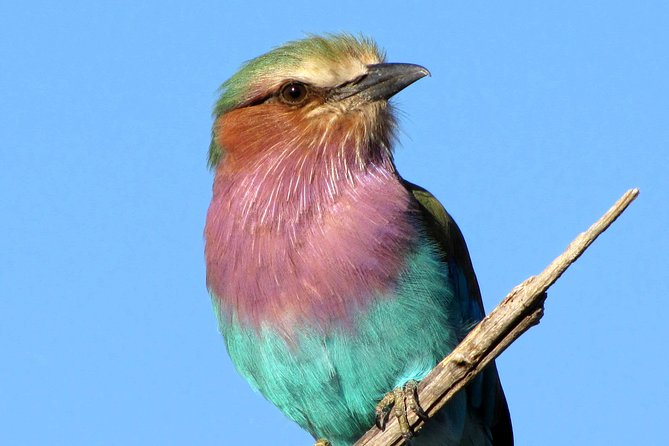
This is a birding tour first, but the park can add larger wildlife to the morning. Sightings reported from the outing included giraffes, six zebras, baboons, lizards, and a hippo mother with her young.
That variety is a real plus if you are traveling with someone who is interested in wildlife but not yet committed to birding. It also gives the morning some texture when the birds are quiet. You may spend time discussing tracks, mammals, or reptiles before returning to the next call in the trees.
I would not treat these animals as guaranteed stops. They are extra possibilities, not the central promise of the activity. The tour is best judged by the guide’s ability to find and explain birds, with other wildlife serving as a welcome bonus.
The word walking matters here. Comfortable walking shoes are recommended, and a moderate level of physical fitness is expected. The supplied details do not give a precise trail length or terrain description, so ask the operator if you have concerns about walking for several hours.
What is included for $90
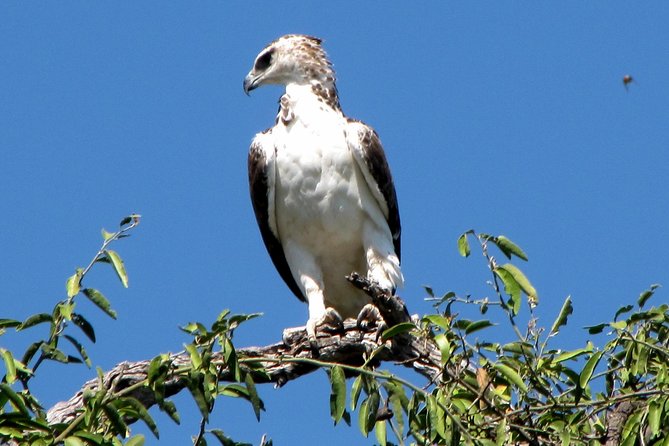
The price is $90 per person. That is not the cheapest way to spend a morning in Livingstone, but the value depends on what you would otherwise need to arrange yourself.
Your fee includes national park fees, bottled water, light refreshments, a driver and guide, a professional guide, and hotel pickup and drop-off. Those inclusions remove several small costs and planning tasks. You do not have to find your own transport to the park or sort out park entry separately.
The small group limit also helps the price make more sense. With no more than eight people, the guide has a better chance to hear your interests and share a sighting without turning the outing into a crowd. The minimum booking is two people, so solo visitors may need to coordinate with someone else rather than booking alone.
Food and drinks are not included unless specifically stated, despite the provision of bottled water and light refreshments. I would treat that as a reason to eat before pickup or confirm exactly what refreshments are planned. Excess luggage charges, where applicable, are also excluded.
For a first birding experience, the price is fair if you value instruction and convenience. If you are an experienced birder carrying your own transport and equipment, you may prefer a longer or more specialized arrangement. For most visitors with only a few days around Victoria Falls, the included transfer and local guiding make this a practical choice.
Who will enjoy this morning most
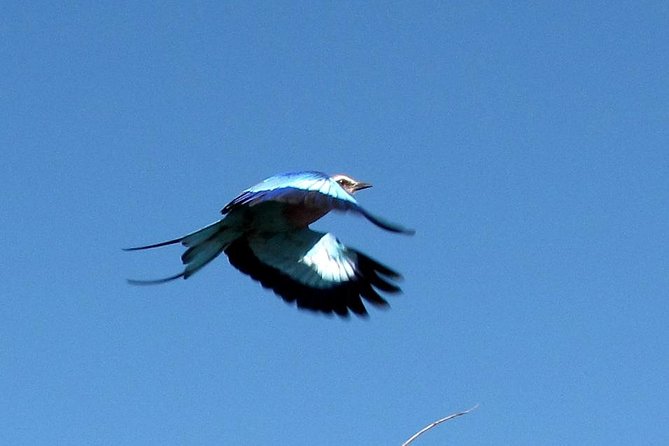
This tour works especially well for first-time birders. You do not need to arrive with a life list or know the difference between every heron and stork. The narration is intended to make the outing understandable, and the guide can help you build interest as you go.
It also suits mixed-interest groups. One person can focus on birds while another enjoys the chance to see giraffes, zebras, baboons, or hippos. The small group cap is helpful when different people want different levels of explanation.
Experienced birders should book with a clear request. Tell the operator which species matter most and ask how the guide can shape the morning around them. The tour is short, so a focused plan gives you a better chance of spending time in suitable habitat.
Children must be accompanied by an adult, and the minimum age is 12. That makes this less suitable for families with young children. It is also not the right fit if you want a late start or a full-day birding program.
Booking, pickup, and cancellation
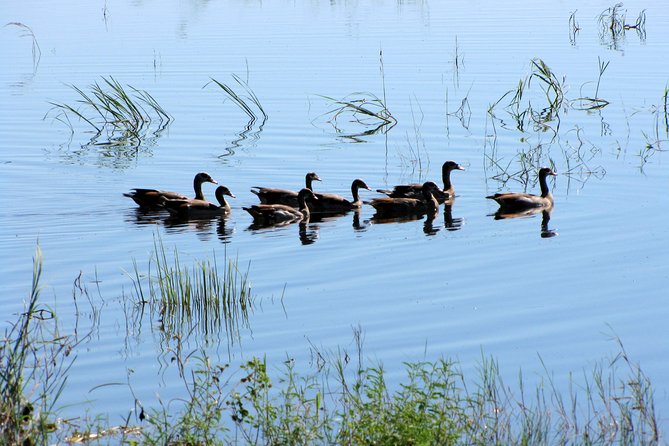
Pickup and drop-off are offered from Livingstone hotels and lodges, with pickup listed for 6am. The activity is available with a mobile ticket, and confirmation is expected within 48 hours of booking, subject to availability.
The tour is often booked around nine days ahead, so I would avoid leaving it until the last morning if birding is important to your plans. Minimum numbers apply, and the operator can cancel after confirmation if not enough people book. In that case, you should be offered an alternative or a full refund.
Free cancellation applies up to 24 hours before the start time. Cancellations or changes inside that 24-hour window are not accepted for a refund. Since the cutoff uses local time, check the exact start time before making changes.
Should you book the Livingstone birding tour?
Book it if you want a well-organized morning introduction to Zambian birding, especially with hotel transport and a guide who can explain what you are seeing. The chance to tailor the outing, the small group size, and the possibility of adding mammals to your species list all improve the value.
I would be more cautious if you are an advanced birder seeking a long checklist or a guaranteed rare sighting. Three hours is brief, and no bird species is promised. For everyone else, this is a sensible way to use one early morning in Livingstone, with enough expert help to turn a walk through the park into a more rewarding wildlife experience.
FAQ
How long is the birding tour?
The tour lasts approximately three hours.
What time is hotel pickup?
Pickup is at 6am from any lodge or hotel in Livingstone.
Is hotel transportation included?
Yes. Hotel pickup and drop-off are included.
Where does the tour take place?
The experience takes place in and around Mosi-oa-Tunya National Park in Livingstone, Zambia.
How many bird species are found in Mosi-oa-Tunya National Park?
The park has habitats supporting more than 450 bird species.
Which birds might I look for?
Potential targets include the Taita Falcon, African Finfoot, and Brown Firefinch. The guide can tailor the outing to your interests.
Is the tour suitable for first-time birders?
Yes. It is a fully narrated tour designed to suit first-time birders as well as visitors with specific birding interests.
What is included in the price?
The $90 price includes national park fees, bottled water, light refreshments, a driver and guide, a professional guide, and hotel pickup and drop-off.
What is the minimum age?
The minimum age is 12, and children must be accompanied by an adult.
How far in advance can I cancel?
You can cancel at least 24 hours before the start time for a full refund. Cancellations or changes made less than 24 hours before the start time are not refunded.
Just added around the world
- Walvis Bay: Pelican Point Seal and Sandwich Harbour Tour★ 4.8 · 15 reviews
- Walvis Bay Shore Excursion: Flamingos, Dune 7, Swakopmund★ 5.0 · 3 reviews
- VIP falconry taster session★ 5.0 · 2 reviews
- Victoria Falls: Private Birdwatching Safari near the town★ 5.0 · 2 reviews
- Vila Franca do Campo: Marine Life & Bird Watching & Islet Tour★ 4.4 · 9 reviews
- Victoria Falls: Private Zambezi River Birdwatching Safari★ 4.7 · 14 reviews
- Vestmannaeyjar: Puffin, Island, and Volcano Boat Tour★ 4.4 · 7 reviews
- USHUAIA | Navigation: Sea Lions, Birds and Lighthouse★ 3.3 · 4 reviews