
Review · BIRDWATCHING
Birdwatching tours
Gambia’s best birdwatching moments often come from a sharp-eyed guide pointing to a bird you would never have seen on your own. On this small-group outing, Pablo takes you between forests and wetlands, using his quick bird calls and field skills to help you spot everything from familiar species to owls and nightjars. I like the complimentary binoculars and the hotel pickup, which remove two common hassles from a wildlife trip.
I also like the flexibility. You can choose a half-day outing of about four hours or arrange a full-day trip, and the group is limited to four people. The main thing to confirm before booking is the exact duration and route you are selecting, since the listed experience describes both half-day and full-day options.
Key points at a glance
- Pablo’s bird-spotting skill: He is especially quick at locating and identifying birds, and he may imitate their calls to help draw them closer.
- Forests and wetlands in one outing: The tour can visit different habitats, giving you a better chance of seeing varied birdlife.
- Half-day or full-day choice: A short trip suits a morning of wildlife watching, while a full day gives you more time in the field.
- Binoculars included: You do not need to bring your own optical gear to take part.
- Small groups of up to four: This is a more personal setup for asking questions and sharing sightings.
- Hotel pickup and drop-off: Transport is arranged around your accommodation, making the tour easy to fit into a Gambia holiday.
Why Gambia works so well for birdwatching
Gambia is a compact destination, but its forests and wetlands support a surprising range of birdlife. That variety matters because birds do not all feed, rest, or nest in the same places. A wetland may offer one set of sightings, while woodland brings another.
You are not simply being driven around hoping something appears. The point of having a local guide is to read the habitat, listen for calls, and notice movement in branches or reeds. Pablo’s role is especially useful here. The supplied trip details describe him as quick at finding birds and able to explain species, while his call imitation has helped locate birds during past outings.
For a first-time birdwatcher, that can make the difference between an empty-looking tree and a memorable sighting. You might see a bird only briefly, at a distance, or partly hidden by leaves. A guide who already knows what to listen for can save you from spending the whole morning staring at the wrong branch.
A few more birdwatching trips around the world worth a look
- Penguin Parade, & Wildlife Encounters Eco Tour from Melbourne
★ 5.0 · 3,774 reviews - Cape Town: Cape of Good Hope & Penguins Day Tour with Pickup
★ 4.7 · 3,362 reviews - Cape Point and Boulder’s Penguins Full Day Tour
★ 5.0 · 3,118 reviews
Meeting Pablo and getting set up
The tour includes pickup and drop-off at your hotel, so you do not need to arrange separate transport to a meeting point. Confirmation is provided when you book, and the activity is open to most people.
Once you are on the outing, complimentary binoculars are available. That is a useful inclusion rather than a throwaway extra. Small birds can be hard to identify with the naked eye, especially when they are high in trees or across wet ground. Having binoculars supplied also means you can book the tour without buying equipment for a single holiday.
The group limit is four people. I consider that one of the strongest practical features. With a large group, the guide has to divide attention among many pairs of eyes, and a person at the back may miss the bird entirely. A group of four gives you a better chance of getting the guide’s attention when you spot movement or need help with an identification.
The small size also keeps the outing less formal. You can ask about a bird as soon as you see it, rather than waiting for a whole group to catch up.
The half-day outing and its four-hour pace
The half-day option lasts about four hours. That is long enough for a proper birdwatching session, but short enough to fit around other plans. If you are staying in Gambia for a beach holiday, this format lets you spend part of the day in the bush and still keep time free.
The exact sequence of stops is flexible. The trip can visit different forests and wetlands, rather than following one fixed route with guaranteed stops. That is important for birdwatching because conditions change. A guide may choose one area over another based on where sightings are promising or which habitat suits the birds you are hoping to see.
Expect the outing to focus on patient observation. You may stop while Pablo scans trees, listens for calls, or points out a bird hidden in the vegetation. The pace is not designed for rushing from one attraction to another. Some sightings may be close, while others may be far away. The binoculars help in both cases.
The half-day format is best for you if:
- You want a focused introduction to Gambian birds.
- You are new to birdwatching and prefer not to commit a full day.
- You want to combine wildlife watching with other holiday plans.
- You are traveling with a small group and value direct help from the guide.
The tradeoff is simple: four hours may not be enough if you are serious about building a long species list. One outing described more than 30 species, and another recorded over 40, including nightjars and owls. Those numbers show what can be possible, but they should not be treated as a promise. Wildlife sightings depend on habitat, timing, weather, and luck.
Forest stops: patience pays off
Forest birdwatching is often about sound before sight. A bird may call from dense cover, move between branches, or appear only for a few seconds. This is where Pablo’s ability to recognize calls and imitate some bird sounds can be especially useful.
You might spend time scanning the canopy, checking smaller branches, or waiting for a bird to move into view. The experience rewards attention rather than speed. If you enjoy learning how to locate a bird, not just collecting photographs, the forest portion should be especially satisfying.
Pablo can also explain the species you encounter, including birds native to Gambia. That adds value to each sighting. Seeing a colorful bird is one thing. Learning how it differs from a similar species, or understanding why it favors a certain habitat, gives the moment more meaning.
Do not expect every bird to sit in perfect view. A forest is not a zoo, and some of the most interesting sightings may be brief. If you need constant action, a birdwatching outing may feel slow. If you enjoy the small reward of finding a bird after careful searching, the pace works in your favor.
Same place, a different morning in the field:
- Cape of Good Hope & Boulder Penguins Full-Day Tour from Cape Town
★ 5.0 · 2,347 reviews - From Melbourne: Penguin Parade, Koalas & Kangaroos
★ 4.5 · 1,932 reviews - Table Mountain, Penguins & Cape Point Small Group Tour Cape Town
★ 4.5 · 1,797 reviews - Cape Town Tour: Table Mountain, Penguins & Cape Point+Pickup
★ 4.7 · 1,671 reviews
Wetlands: a different set of chances
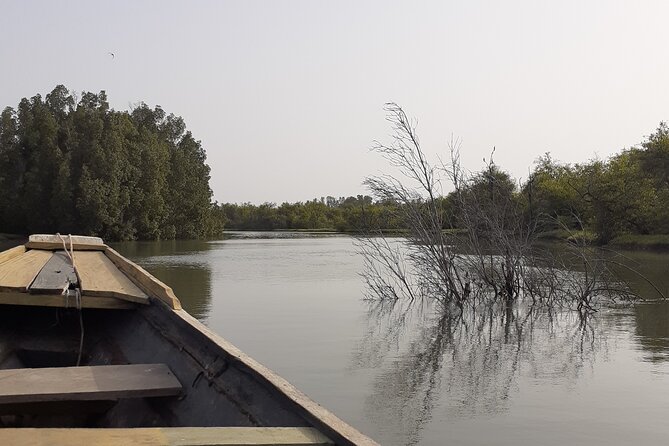
Wetlands add another layer to the outing. Open water, muddy edges, reeds, and nearby vegetation can attract birds that you would not see in forested areas. Moving between these habitats is one of the main reasons the flexible route matters.
The wetland portion may give you more open views, but distance can still be an issue. Birds may stay across the water or on the far side of a bank. This is where the included binoculars become central rather than optional.
A wetland also gives the guide a chance to show you how habitat affects bird behavior. You might look for birds feeding near the water, resting on exposed branches, or moving through reeds. The exact species cannot be guaranteed, but the habitat change improves your odds of seeing a broader mix.
For photographers, the outing may be rewarding, but this is primarily a birdwatching tour. The information provided does not promise photography stops, special camera support, or close views. Bring a camera if you like, but judge the experience by the quality of the sightings and explanations rather than expecting every bird to pose.
What you might see
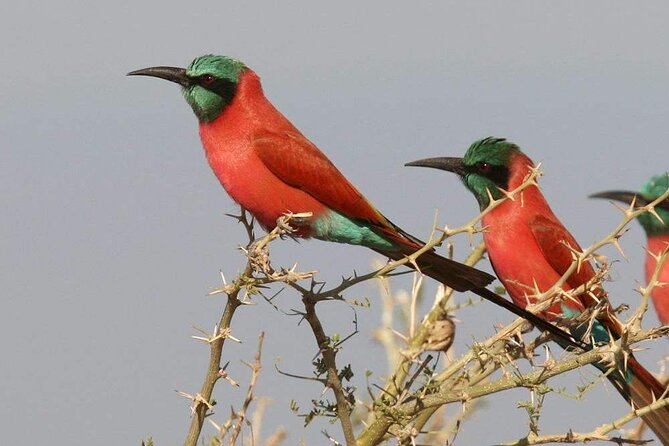
Past outings have produced more than 30 species in one morning and over 40 on another trip. Those sightings included rarer birds such as nightjars and owls. That is an impressive range for a half-day outing, though it is best used as a sign of possibility rather than a fixed target.
Nightjars and owls can be difficult to find because they are less obvious than birds moving in open daylight. Spotting them suggests that the guide is willing to look beyond the easiest sightings and use careful listening and habitat knowledge.
You may also see birds at different distances. One outing included birds seen very close and others spotted far away. That variety is normal. A close view can be thrilling, but a distant bird may still be worth seeing if Pablo can identify it and explain what makes it special.
If you keep a bird list, bring a notebook or use your phone. The tour includes binoculars, but no information is provided about a printed species checklist or bird guide. You can still record names as the outing progresses, but you should not expect the operator to supply a formal checklist unless you confirm it in advance.
Full-day trips for serious birdwatchers
A full-day option is available for those who want more time in the field. Extra hours can matter because they allow more time in different forests and wetlands, rather than ending just as the outing gains momentum.
A full day may suit you if birdwatching is one of the main reasons for visiting Gambia. It also makes sense if you want to improve your species count or spend more time with Pablo’s explanations. The larger time window gives the guide more flexibility to look for less obvious birds, though no wildlife tour can guarantee specific species.
There is one practical point to settle before you book. The experience is listed as approximately four hours, while the description also offers a full-day trip. Ask Gambia Excursions to confirm the duration, price, pickup timing, and route for the full-day version. The published price of $110.07 per person may apply to the advertised option, but the supplied information does not state whether a full-day trip costs more.
That quick check prevents confusion and lets you compare the tour fairly with other wildlife outings.
The value of $110.07 per person
At $110.07 per person, the tour is not a casual free activity, but the price includes several useful elements: hotel pickup and drop-off, a private-feeling group capped at four, a guide, and binoculars.
The small group is the key value point. If four people book together, you are paying for a guide’s attention without the feel of a large coach excursion. For a solo visitor or couple, the cost is harder to judge because the per-person price remains the same, but the personal attention may make the outing more worthwhile.
You are also paying for local bird-finding skill. Without a guide, you might visit a forest or wetland and see only the most obvious birds. With Pablo, you have someone who can locate birds, imitate calls, and explain what you are looking at. For a person new to Gambian birdlife, that help is more valuable than simply being driven to a scenic place.
I would compare the price with the quality of the experience you want. If you mainly want transport through the countryside, this may feel expensive. If you want a specialist-led wildlife outing with equipment included, the price is easier to justify.
The tour is booked, on average, about 25 days ahead. That suggests you should not leave it until the last minute if birdwatching is a priority, particularly if you need a certain date or are traveling with three companions.
Who will enjoy this trip most
This outing is a strong match for you if you enjoy nature, have an interest in birds, or want a quieter counterpoint to a beach-based holiday. You do not need to be an expert. Pablo’s ability to identify and explain species makes the activity suitable for beginners as well as experienced birdwatchers.
It is also a good option for couples, families, or friends who want a small-group trip. Most people can participate, and the group size is limited to four. The supplied information does not list special accessibility arrangements, so if you have mobility needs, contact the operator before booking and ask about the vehicle, walking surfaces, and stop locations.
You may want to choose another activity if you need a guaranteed list of specific birds, a set route, or a tightly timed sightseeing schedule. Nature does not follow a timetable, and the route can vary between forests and wetlands.
Booking, cancellation, and useful planning
You can cancel for a full refund if you do so at least 24 hours before the experience begins. Cancellations made less than 24 hours before the start time are not refunded, and changes inside that same window are not accepted. The cut-off follows local time in Gambia.
Because the route and duration can be flexible, confirm whether you want the half-day or full-day version when booking. Also confirm the pickup details with your hotel and ask which option the $110.07 price covers if you are considering a full day.
The tour is booked with a mobile ticket, so keep the confirmation available on your phone. Binoculars are supplied, but bring whatever you normally use for comfort and note-taking. The available information does not specify meals, drinks, restroom access, or a printed bird list, so do not assume those are included.
Should you book the Gambia birdwatching tour?
Book it if you want a small, guide-led introduction to Gambia’s birdlife and value the chance to visit more than one habitat. Pablo’s fast bird spotting, call imitation, and ability to explain species are the strongest reasons to choose this experience. The chance of seeing owls or nightjars adds extra appeal, though sightings are never guaranteed.
The half-day trip is the sensible choice for most holidaymakers who want a four-hour wildlife outing. Choose the full-day version if birds are a main purpose of your visit and you want more time to search.
Before paying, confirm the exact duration and price for your chosen option. If those details suit your plans, the included binoculars, hotel transport, and four-person limit make this a practical way to see more of Gambia than you would from the hotel grounds.
FAQ
How long does the birdwatching tour last?
The listed experience lasts approximately four hours, and a half-day option is available. A full-day trip can also be arranged, but you should confirm its exact duration when booking.
What habitats does the tour visit?
The tour can visit different forests and wetlands in Gambia. The exact locations may vary because the experience is customizable.
Is hotel pickup included?
Yes. Pickup and drop-off at your hotel are included.
Are binoculars provided?
Yes. Complimentary binoculars are provided for use during the tour.
How many people can join the tour?
The activity has a maximum of four travelers.
Who is the guide?
The guide highlighted in the tour information is Pablo, who leads birdwatching outings in Gambia.
Can I cancel for a full refund?
Yes. You can receive a full refund if you cancel at least 24 hours before the experience start time.
Can most people participate?
Yes. Most travelers can participate, although the supplied information does not provide specific accessibility details.
Just added around the world
- Walvis Bay: Pelican Point Seal and Sandwich Harbour Tour★ 4.8 · 15 reviews
- Walvis Bay Shore Excursion: Flamingos, Dune 7, Swakopmund★ 5.0 · 3 reviews
- Victoria Falls: Private Birdwatching Safari near the town★ 5.0 · 2 reviews
- Vila Franca do Campo: Marine Life & Bird Watching & Islet Tour★ 4.4 · 9 reviews
- VIP falconry taster session★ 5.0 · 2 reviews
- Victoria Falls: Private Zambezi River Birdwatching Safari★ 4.7 · 14 reviews
- Vestmannaeyjar: Puffin, Island, and Volcano Boat Tour★ 4.4 · 7 reviews
- Ushuaia: Gable Island and Penguin Colony with Lunch★ 4.8 · 2 reviews