
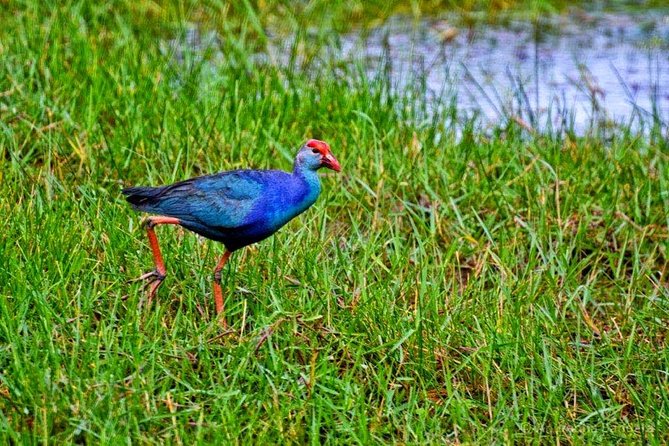
Review · COLOMBO BIRDWATCHING TOURS
Exclusive: Muthurajawela Bird Watching Tour with Transfers
Muthurajawela Marsh gives you a peaceful change of pace from Negombo’s traffic and beach hotels. From a small boat, you move through mangroves and lagoon water while watching for birds, monkeys, monitor lizards, and baby crocodiles. The setting is calm, but the wildlife keeps your eyes busy.
I like the easy hotel pickup by tuk-tuk, and I like that the guide and boat are arranged together. The early start is worth considering because cooler air and active birds improve your chances of seeing wildlife. The main drawback is that the outing may feel a little expensive for a short boat ride, and the hard boat seats can make the trip less comfortable.
Key points at a glance
- Early morning helps: Cooler weather and active birds make an early departure the smart choice.
- A real wetland setting: You travel through mangroves near the southern end of Negombo Lagoon, not a staged animal park.
- Wildlife goes beyond birds: Baby crocodiles, macaques, water monitors, fiddler crabs, and flying fish may appear.
- Tuk-tuk transfers are included: Pickup and return from a Negombo hotel make this simple after a flight or before a later departure.
- Private and flexible in feel: Only your group participates, with a local guide and boat skipper along for the ride.
- Allow two to three hours: The supplied details give both a two-hour itinerary and a three-hour tour description, so leave room in your schedule.
Why Muthurajawela Marsh is worth your morning
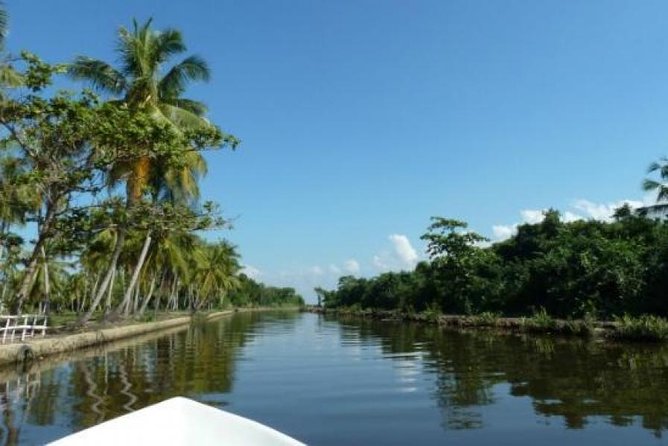
Muthurajawela means Swamp of Royal Treasure, an apt name for a wetland where salt water, mangrove roots, lagoon channels, and animal life all meet. The sanctuary lies toward the southern end of Negombo Lagoon and covers a large area, listed as more than 6,000 acres in the tour information.
This is not a grand sightseeing cruise with a long list of monuments. Its appeal is quieter. You watch the water, scan the branches, and let the boat carry you into narrow wetland habitat. The reward may be a bird perched close to the boat, a monkey moving through the trees, or a small crocodile tucked beside the mangroves.
The area is described as home to migratory and indigenous bird species, with figures varying in the supplied details. One description cites around 75 species, while another gives more than 40 migratory and 85 indigenous species. Treat those numbers as a guide to the marsh’s variety, not as a promise that you will see a set number on a two-hour visit.
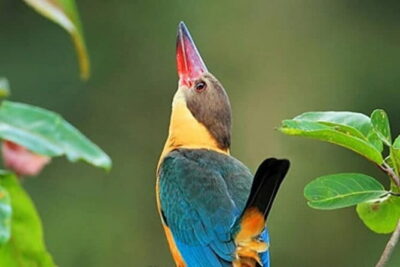
For you, the important point is simple: this is a good place to look for wetland birds in their natural surroundings. You might see bee-eaters, water birds, or other species that are difficult to spot from roads and town streets. One especially memorable possibility is the blue-tailed bee-eater, which has delighted people on this outing.
A few more birdwatching trips around Sri Lanka worth a look
- Kalametiya Sanctuary: Bird Watching by Private Boat Tour
★ 4.9 · 18 reviews - Muthurajawela Bird Watching Tour From Colombo & Negombo
★ 5.0 · 18 reviews - Bundala National Park Birds Watching Safari Tour
★ 5.0 · 15 reviews
The tuk-tuk ride from Negombo
Your pickup begins with a tuk-tuk ride from your Negombo hotel. This three-wheeled vehicle is part of everyday Sri Lankan transport, so the transfer is more than a private car ride. You sit under cover, with open sides that provide airflow, and you get a close look at ordinary street life on the way to the marsh.
The ride is a practical inclusion. You do not need to find the sanctuary entrance yourself or arrange a separate taxi. Your driver returns you to the hotel after the boat trip, which is especially helpful if you have just arrived after a flight or are staying in Negombo for only one night.
Allow a little patience on the road. Traffic can affect the timing, and two people have had trouble with drivers finding the starting point. The pickup itself has generally been prompt, but the meeting arrangements are worth confirming clearly when you book. Keep the address and pickup time available on your phone.
The tuk-tuk is comfortable enough for a short transfer, though it is not the best choice if you need a large amount of luggage with you. The included transport is intended for the excursion itself, not as an airport transfer.
Entering the wetland by boat
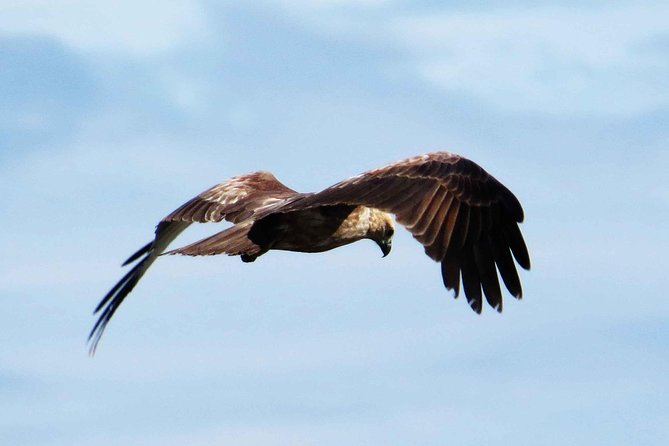
At the sanctuary, you board a boat for the main part of the outing. The route takes you through the wetland and out toward the wider lagoon, with mangroves lining the water. The pace is slow, which suits the purpose. You need time to notice movement in the branches and along the muddy edges.
The boat ride is often the strongest part of the experience. It is quiet, simple, and close to the water. You are not rushing from one sight to the next. Instead, you watch the guide and skipper point out animals that you might miss on your own.
The boat seats are reported to be hard. Bring something soft to sit on if you have room, especially if you are sensitive to firm seating. Comfortable shoes are also recommended, although the main activity is by boat rather than a long walk.
The boat itself is not described in detail, so you should not book this expecting luxury seating or a large sightseeing vessel. Think of it as a practical small-boat wildlife trip. That is part of its charm, but it also means comfort depends on the day, the boat, and how long the route takes.
What you might see among the mangroves
Birdwatching is the central reason to book this experience. The marsh provides feeding and resting areas for many species, and the mangrove edges give birds places to perch. Your guide helps you search the branches, open water, and muddy banks.
A good sighting is never guaranteed, so keep your expectations sensible. You may see several species at close range, or you may spend stretches of the ride looking at empty branches before something appears. The early start helps because the temperature is more pleasant and bird activity can be better.
The wildlife list is broader than birds:
- Baby crocodiles may lie close to the mangrove edges.
- Macaque monkeys can appear in the trees.
- Large water monitors may move along the banks.
- Fiddler crabs live around the muddy shoreline.
- Flying fish have been seen from the boat.
- Blue-tailed bee-eaters are a particularly appealing possibility.
These sightings give the ride variety. Even if birds are your main goal, a water monitor or a group of monkeys can become the moment you remember most. The guide’s local knowledge and the skipper’s sharp eye matter here. One well-informed guide and one observant skipper can make a real difference when an animal is partly hidden.
Bring binoculars if you own them, but the tour does not state that equipment is supplied. A camera with a useful zoom can help, though wildlife photography is not the same as simply enjoying the marsh. Keep your eyes moving and listen for the guide’s directions.
Same place, a different morning in the field:
- Kalametiya Bird Sanctuary Catamaran Bird Watching Tour
★ 5.0 · 9 reviews - Bird Watching Tours in Sinharaja Rain Forest
★ 5.0 · 8 reviews - Negombo Lagoon & Muthurjawela Bird Watching Boat Tour
★ 3.5 · 7 reviews - Muthurajawela Bird Watching Tour from Negombo / Colombo
★ 4.5 · 7 reviews
The guide adds meaning to a simple boat trip
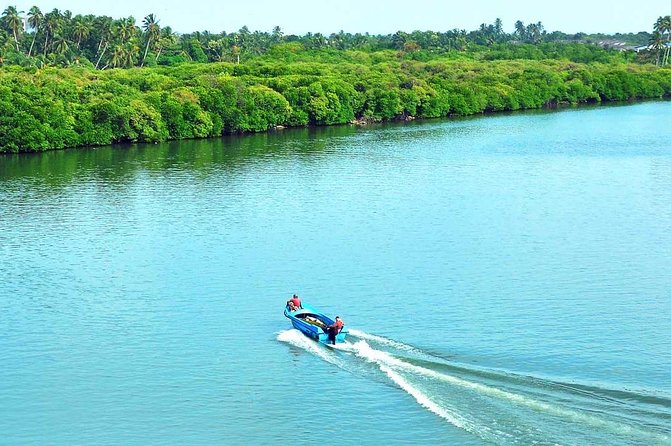
A local guide accompanies the outing and provides narration. The strongest praise for this experience concerns the guide’s clear English and strong knowledge of the wetland and its animals. That matters because the scenery can look quiet at first glance.
A guide can explain what you are seeing, help identify birds, and direct your attention to small details such as a crocodile near the bank or a crab below the mangrove roots. Without that help, you could still enjoy the boat ride, but you might miss much of the wildlife.
The guide also helps turn the trip into more than a transfer and a boat ticket. You learn how the mangroves support birds, reptiles, fish, and small shore creatures. The tour information does not provide a guide’s name, so do not expect a specific named naturalist when you book.
The boat skipper is also important. Several details point to an observant skipper who notices animals and positions the boat well. That skill is valuable in a wetland, where a few quiet minutes near the correct bank can produce a much better sighting than a fast ride through open water.
Timing, duration, and the early start
The experience is advertised as approximately two hours in one place and as a three-hour outing in another. The detailed route lists two hours, while the wider description calls it a three-hour tour that includes the transfer and boat visit. I would plan on roughly two to three hours from pickup to return, and I would not schedule a tight connection immediately afterward.
The early start is one of the most useful pieces of practical advice. Morning temperatures are more comfortable, and birds are more likely to be active before the heat builds. You also need to allow time for Negombo traffic on the road to the wetland.
An early departure may be inconvenient if you are recovering from a late flight. Still, this is one of those trips where getting up early improves the experience rather than merely making the schedule harder. If you care about birds, choose the earliest available time.
Light refreshments are included. The supplied details do not specify exactly what they are, so do not treat them as a full breakfast. If you need a substantial meal, make your own plans around the pickup time.
Is the $35 price fair?
At $35, the cost covers the boat, tuk-tuk pickup and drop-off from a Negombo hotel, a local guide, light refreshments, taxes, and handling charges. It is also a private activity, meaning only your group participates. That package is convenient and removes several small arrangements you would otherwise need to make yourself.
The value depends on what you want. If you only want a short boat ride and are comfortable arranging transport, the price may feel high. One rating described it as enjoyable but a little expensive. That is a fair reservation, particularly if the wildlife is quiet on your morning.
I think the price makes more sense if you value ease, a private setting, and help identifying animals. The included tuk-tuk is useful for a short stay in Negombo, and the guide adds real value when birds or reptiles are hard to spot. You are paying for the complete arrangement, not simply for time on the water.
Group discounts are listed as available, but no discount amount is provided. Ask about the final price for your party before booking. Outside Negombo, pickup can also be arranged for an extra charge depending on your location.
Comfort and practical preparation
Wear comfortable shoes, even though the boat is the main activity. You may need to walk around the departure area, and practical footwear is better than sandals that slip easily.
A soft cushion is the most useful extra to bring because the boat seats can be hard. Sun protection is also sensible, though the tour information does not specify whether the boat has full shade. A light layer may help during the tuk-tuk ride, while a hat can be useful once you are on the water.
The wetland is a better fit for people who enjoy patient wildlife watching than for anyone seeking nonstop action. You may spend several minutes waiting and scanning before the next sighting. That slower rhythm is the point, but it will not suit every mood.
Most people can participate, and the activity is private for your group. The supplied information does not give detailed access information for the boat or boarding area, so if you have mobility concerns, ask the provider for current details before reserving.
Who should book this Negombo outing?
I would recommend this for you if you have a short stay in Negombo and want an introduction to Sri Lanka’s wildlife without committing to a full-day safari. It also works well after arriving in Colombo, when a quiet half-day by the water sounds better than another city drive.
Birdwatchers will get the most from it, especially if you are willing to wake early and bring patience. Families may also enjoy the mix of monkeys, crocodiles, monitor lizards, and birds, though young children may find the slow searching less exciting.
This is also a good choice if you want a private activity rather than a large shared boat. You can focus on your group, ask questions, and move at a more personal pace.
I would think twice if you want guaranteed close wildlife photographs, plush seating, or a long full-day nature program. The marsh is a living wetland, not an animal show. Sightings depend on conditions, timing, and the skill of the guide and skipper.
Should you book the Muthurajawela boat tour?
Book it if you want a calm, practical wildlife outing close to Negombo, with transport taken care of. The best reasons are the peaceful boat route, the chance to see baby crocodiles and water monitors as well as birds, and the local guide who helps you notice what the mangroves are hiding.
The main cautions are the early start, hard seats, uncertain duration of two to three hours, and a price that may seem high if the wildlife is sparse. Confirm the pickup point, allow extra time for traffic, and bring a cushion.
For a first morning in Sri Lanka, this can be a gentle way to get your bearings without spending the day on the road. The trip is modest, but its quiet water, mangrove edges, and unexpected animal sightings give it more character than a simple lagoon cruise.
FAQ
Where does the tour take place?
The tour takes place at Muthurajawela Marsh, a coastal wetland near the southern end of Negombo Lagoon in Sri Lanka.
Is hotel pickup included?
Yes. Pickup and drop-off by tuk-tuk are included for hotels in Negombo.
Can pickup be arranged outside Negombo?
Yes, pickup outside Negombo may be arranged depending on your location, but an additional charge may apply.
How long does the experience last?
The detailed itinerary lists two hours, while the wider tour description gives three hours. Plan for approximately two to three hours, including the transfer and boat visit.
What transport is used?
A tuk-tuk takes you from your hotel to the wetland and returns you afterward. The wildlife portion takes place by boat.
What animals might I see?
You might see birds, baby crocodiles, macaque monkeys, water monitors, fiddler crabs, and flying fish. Blue-tailed bee-eaters are also a possible sighting.
Is a guide included?
Yes. A local guide is included and provides narration during the experience.
Are refreshments included?
Yes. Light refreshments are included, but the supplied details do not specify the exact items.
Is the tour private?
Yes. Only your group participates in the activity.
What happens if I need to cancel?
You can receive a full refund if you cancel at least 24 hours before the local start time. Cancellations or changes made less than 24 hours before the start are not accepted for a refund.
Just added around Sri Lanka
- Bundala Birding Paradise – All Inclusive Tour★ 4.0 · 5 reviews
- Negombo Lagoon & Muthurjawela Bird Watching Boat Tour★ 3.5 · 7 reviews
- Muthurajawela Bird Watching Tour from Negombo / Colombo★ 4.5 · 7 reviews
- Bundala National Park Birds Watching Safari Tour★ 5.0 · 15 reviews
- Bundala Birds Safari by Jeeps★ 5.0 · 5 reviews
- Kalametiya Bird Sanctuary Catamaran Bird Watching Tour★ 5.0 · 9 reviews
- Kalametiya Sanctuary Birdwatching Boat Ride★ 4.5 · 2 reviews
- Bird Watching Tours in Sinharaja Rain Forest★ 5.0 · 8 reviews
Colombo Birdwatching Tours, compared.
Muthurajawela Bird Watching Tour From Colombo & Negombo
Read our review →

Bird watching around Colombo-Guided Tour – 06 hours
Read our review →
Browse the lists this tour appears in